
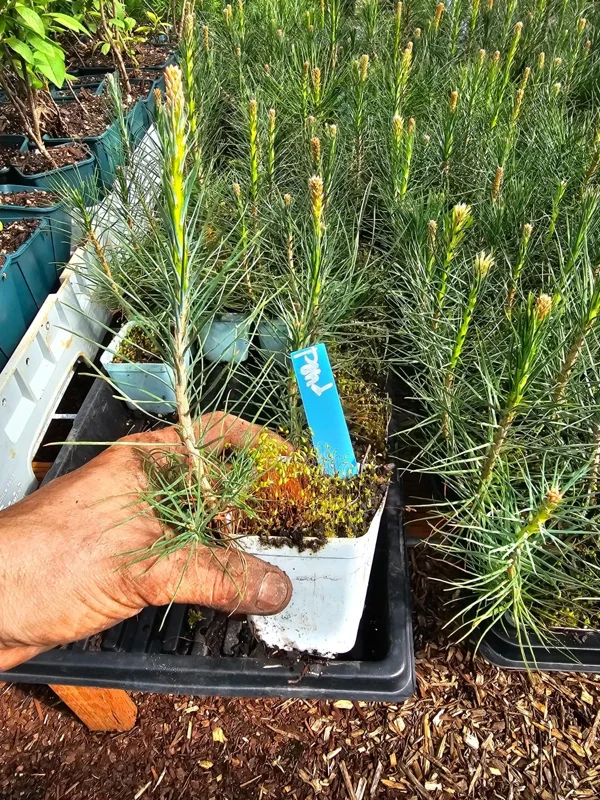
Ponderosa Pine Tree Live Plant – 3 inch Pot – Evergreen Conifer for Outdoor
Original price was: $28.00.$17.60Current price is: $17.60.
Cultivate a majestic ponderosa pine tree with this live evergreen conifer, arriving in a convenient 3 inch pot. Ideal for outdoor landscaping and reforestation efforts, this young tree offers a strong start for long-term growth.
-
USDA Hardiness Zone
USDA Zones 3-7 -
Soil Type
Well-draining sandy loam -
Sunlight Exposure
Full sun -
Expected Planting Period
Spring to early fall

You can track your order HERE
Sep 25
Sep 30 - Oct 02
Oct 05 - Oct 09
Shipping and return policies: Our Alive & Thrive Guarantee covers issues with your plants within the first 30 days. Reach out to us. Our team will answer your questions and help you find the plants that are truly suitable for your environment, climate, and personal preferences.

Overview
Embark on a journey to cultivate a magnificent evergreen with our ponderosa pine tree, delivered as a healthy live plant in a 3 inch pot. The Ponderosa Pine (Pinus ponderosa) is renowned for its impressive stature, long needles, and distinctive bark, making it a favorite for natural landscapes and reforestation projects across North America. This particular offering provides a robust seedling, ready to establish itself and grow into a grand, resilient tree. Known for its adaptability and striking appearance, the ponderosa pine tree is an excellent choice for those looking to add significant, long-lasting greenery to their outdoor spaces.
Often referred to simply as Western Yellow Pine or Blackjack Pine, the ponderosa pine tree is an iconic species of the American West. Its natural habitat spans diverse climates, showcasing its hardiness and ability to thrive in various conditions. This live conifer evergreen will bring a touch of the wild beauty of nature to your garden, offering year-round visual interest and eventually providing shade and a habitat for local wildlife. Starting with a young plant in a 3 inch pot allows you to nurture its growth from an early stage, fostering a deep connection with your growing landscape.
Key Benefits
Adding a ponderosa pine tree to your landscape offers numerous advantages, from aesthetic appeal to ecological benefits. This hardy evergreen is a valuable addition to any garden or naturalized area.
- Year-Round Greenery: As an evergreen, the ponderosa pine tree maintains its vibrant green needles throughout all seasons, providing consistent beauty and structure to your landscape even in winter.
- Drought Tolerance: Once established, Ponderosa Pines are remarkably drought-tolerant, making them a sustainable choice for regions with limited water resources or for low-maintenance landscaping.
- Wildlife Habitat: These trees provide essential food and shelter for a variety of wildlife, including birds and small mammals, contributing to local biodiversity.
- Natural Beauty: With its long, distinctive needles and eventually its rugged, deeply furrowed bark, the Ponderosa Pine brings a majestic, natural aesthetic to any setting, evoking the grandeur of western forests.
- Air Quality Improvement: Like all trees, the Ponderosa Pine helps purify the air by absorbing carbon dioxide and releasing oxygen, contributing to a healthier environment.
- Erosion Control: Their extensive root systems help stabilize soil, preventing erosion on slopes and in disturbed areas, which is crucial for ecological health.
- Long Lifespan: Ponderosa Pines are known for their longevity, often living for hundreds of years, meaning your initial planting will provide beauty and benefits for generations.
Plant Care & Growing Tips
Caring for your ponderosa pine tree is relatively straightforward, especially once it’s established. These trees are known for their resilience, but providing the right conditions from the start will ensure vigorous growth. Sunlight is paramount; Ponderosa Pines thrive in full sun, requiring at least 6-8 hours of direct sunlight per day to grow strong and healthy. Choose a planting site that receives ample sun exposure throughout the day. While tolerant of various soil types, they prefer well-draining soil, ideally a sandy loam. Avoid heavy, compacted clay soils that retain too much moisture, as this can lead to root rot. Good drainage is crucial for the health of your ponderosa pine tree.
Watering is critical during the initial establishment period. For the first year or two after planting, water regularly and deeply, especially during dry spells, to encourage a strong root system. Once established, the frequency can be reduced, as the tree becomes more drought-tolerant. Check the soil moisture before watering; it should be allowed to dry out slightly between waterings. Ponderosa Pines are cold-hardy, generally thriving in USDA Zones 3-7. Fertilization is usually not necessary in good soil but a balanced, slow-release evergreen fertilizer can be applied in spring if growth appears sluggish. Protect young trees from excessive wind and browsing animals initially. Understanding ponderosa pine care ensures a healthy, long-lived specimen.
Size & Details
This offering is for one ponderosa pine tree, a live plant carefully cultivated in a 3 inch pot. At the time of shipment, the seedling typically stands between 6 to 12 inches tall, providing a healthy root system ready for transplanting. Ponderosa Pines are known for their moderate to fast growth rate once established, often adding 1 to 2 feet in height per year under optimal conditions. In maturity, these majestic trees can reach impressive heights of 60 to 120 feet, with a spread of 25 to 30 feet, forming a stately presence in the landscape. The plant is shipped as a potted seedling, ensuring minimal stress during transit and a higher success rate upon planting.
The 3 inch pot provides enough space for the young tree to develop a robust initial root ball, making it easier to transplant into its permanent location. While the initial size is compact, the potential for significant growth is immense. These trees are long-lived, offering decades, if not centuries, of beauty and ecological benefits. Expect to plant your ponderosa pine tree in the spring or early fall for best establishment, allowing its roots to settle before extreme weather. This young pinus ponderosa is a fantastic starting point for creating a lasting natural feature.
Frequently Asked Questions
- Q: How big does this ponderosa pine tree get? A: This seedling arrives in a 3-inch pot, typically 6-12 inches tall. When mature, Ponderosa Pines can reach heights of 60-120 feet with a spread of 25-30 feet, becoming a truly majestic landscape tree.
- Q: Is this an indoor or outdoor plant? A: The ponderosa pine tree is an outdoor plant. It requires full sun and ample space to grow into its mature size, making it unsuitable for indoor cultivation. It’s best suited for landscaping and naturalized areas.
- Q: How much sunlight does it need? A: Ponderosa Pines thrive in full sun, requiring at least 6-8 hours of direct sunlight daily. Choosing a sunny location is crucial for its health and robust growth.
- Q: Is this plant easy to care for? A: Once established, the ponderosa pine tree is relatively low-maintenance and drought-tolerant. Initial care involves regular watering to establish roots, but it becomes quite self-sufficient thereafter, making ponderosa pine care manageable.
- Q: What condition will it arrive in? A: Your ponderosa pine tree will arrive as a healthy, live potted seedling in a 3-inch nursery pot, carefully packaged to ensure its safety during transit. It will be ready for immediate planting.
- Q: When is the best time to plant a ponderosa pine tree? A: The ideal times to plant your ponderosa pine tree are in the spring after the last frost or in the early fall, allowing the roots to establish before the onset of summer heat or winter cold.
- Q: What type of soil does a pinus ponderosa prefer? A: Ponderosa Pines prefer well-draining soil, such as sandy loam. They do not tolerate heavy, waterlogged clay soils well, so ensuring good drainage is important for their health.
- Q: Will it survive winter in my zone? A: Yes, the ponderosa pine tree is very cold-hardy and thrives in USDA Hardiness Zones 3-7, making it suitable for a wide range of climates across the United States.
- Q: How long until it looks like a large tree? A: While it’s a seedling now, the ponderosa pine tree has a moderate to fast growth rate, typically adding 1-2 feet per year. It will take several years to become a noticeable small tree and many decades to reach its full, majestic size.
- Q: Is this plant suitable for beginners? A: Yes, with proper initial planting and watering, the ponderosa pine tree is a good choice for beginner gardeners looking for a hardy, long-lived evergreen for their outdoor landscape.
Be the first to review “Ponderosa Pine Tree Live Plant – 3 inch Pot – Evergreen Conifer for Outdoor”
People Also Viewed
Sold 75 products
Original price was: $52.00.$41.60Current price is: $41.60.
Sold 100 products
Original price was: $91.98.$45.99Current price is: $45.99.








%20Plant%20Cuttings%20&%20Seeds%20–%20Grow%20Your%20Own%20Rare%20Fruit&url=https://gardennursery.net/product/dragon-fruit-pitahaya-plant-cuttings-seeds-grow-your-own-rare-fruit/&media=https://img.gardennursery.net/2026/01/dragon-fruit-pitahaya-plant-cuttings-seeds-grow-yo-4327e874.webp)

Reviews
There are no reviews yet.