
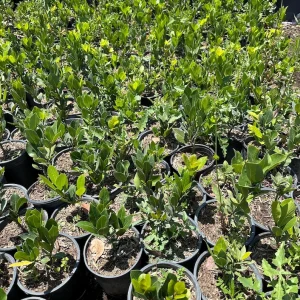
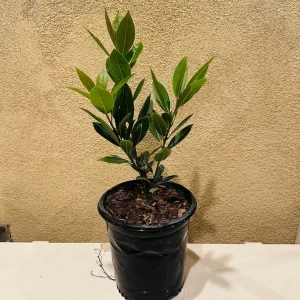
Bay Laurel Tree – Sweet Bay Leaf Live Plant – 1 Gallon Pot – Culinary Herb
Original price was: $81.98.$65.98Current price is: $65.98.
Bring the classic flavor of the Mediterranean to your home with a bay laurel live plant. This beautiful evergreen, also known as sweet bay leaf tree, comes in a 1 gallon pot, ready to thrive indoors or outdoors. Perfect for culinary enthusiasts and garden lovers.
-
USDA Hardiness Zone
USDA zones 8-10 (outdoors), suitable for all zones indoors -
Soil Type
Well-draining, fertile potting mix -
Sunlight Exposure
Full sun to partial shade (at least 6 hours of direct sun) -
Expected Planting Period
Year-round indoors; spring to early summer outdoors

You can track your order HERE
Sep 28
Oct 03 - Oct 05
Oct 08 - Oct 12
Shipping and return policies: Our Alive & Thrive Guarantee covers issues with your plants within the first 30 days. Reach out to us. Our team will answer your questions and help you find the plants that are truly suitable for your environment, climate, and personal preferences.

Overview
Discover the timeless elegance and culinary versatility of the bay laurel live plant, a cherished evergreen shrub known for its aromatic leaves. Also commonly referred to as the sweet bay or Laurus nobilis, this live plant arrives in a 1 gallon pot, ready to be a distinguished addition to your garden or kitchen. Originating from the Mediterranean region, the bay laurel live plant has been revered for centuries, not just for its symbolic significance in ancient cultures, but primarily for its indispensable role in global cuisine. Its glossy, dark green leaves provide a pungent, slightly floral, and subtly bitter flavor that deepens and melds beautifully into soups, stews, sauces, and roasts. Growing your own bay laurel ensures a fresh supply of these essential leaves, offering a more vibrant flavor than dried alternatives. This resilient and attractive plant is suitable for both indoor cultivation in cooler climates and outdoor planting in warmer zones, making it a versatile choice for a wide range of gardeners.
Key Benefits
The sweet bay leaf tree offers a multitude of benefits, from enhancing your culinary creations to beautifying your living space. Here are some of the key advantages of adding this remarkable plant to your collection:
- Culinary Excellence: Fresh bay leaves from your own plant provide a superior, more nuanced flavor compared to dried leaves, elevating the taste of your dishes. They are essential in many European, Mediterranean, and Indian cuisines.
- Evergreen Beauty: The glossy, dark green foliage of the bay laurel live plant provides year-round aesthetic appeal, serving as a beautiful ornamental plant in your garden or as a sophisticated indoor accent.
- Aromatic Qualities: Beyond its culinary use, the leaves release a pleasant, subtle aroma when brushed or crushed, contributing to a fresh and inviting atmosphere in your home or garden.
- Low Maintenance: Once established, laurus nobilis plant is relatively easy to care for, requiring minimal attention and tolerating a range of growing conditions, making it suitable for both novice and experienced gardeners.
- Versatile Growth: It can be grown as a shrub, trained as a standard tree, or kept compact in a pot, adapting well to various garden designs and spaces, including patios and balconies.
- Pest Resistant: Bay laurel is generally resistant to most common pests and diseases, ensuring a healthier plant with less need for intervention.
- Air Purification: Like many plants, the sweet bay leaf tree contributes to improved air quality by absorbing carbon dioxide and releasing oxygen, fostering a healthier environment.
Plant Care & Growing Tips
Caring for your bay laurel live plant is straightforward, ensuring a bountiful supply of fresh leaves for years to come. This Mediterranean native thrives with proper attention to its environmental needs. For sunlight, bay laurel prefers full sun to partial shade. If growing outdoors, choose a spot that receives at least 6 hours of direct sunlight daily. When grown indoors, place your plant near a south or west-facing window where it can receive bright, indirect light. Protect it from intense, scorching afternoon sun, especially in hot climates, as this can burn the leaves. Watering should be consistent but moderate; allow the top inch or two of soil to dry out completely between waterings. Overwatering is a common issue, leading to root rot, so ensure excellent drainage. During winter, reduce watering frequency as the plant’s growth slows.
The ideal soil for laurus nobilis plant is a well-draining, fertile mix. A standard potting mix amended with some perlite or sand works well for potted plants. For in-ground planting, ensure the soil is not heavy clay and consider amending with organic matter to improve drainage. Bay laurel is quite tolerant of different soil pH levels but prefers slightly acidic to neutral conditions. It is a hardy plant, typically thriving in USDA zones 8-10 when planted outdoors. In colder zones, it is best grown in containers and brought indoors before the first frost. Maintain temperatures above 20°F (-6°C) to prevent cold damage. Fertilize sparingly; a balanced, slow-release fertilizer in spring and mid-summer is usually sufficient. Avoid over-fertilizing, which can lead to excessive leafy growth at the expense of flavor. Pruning can be done to maintain shape and size, especially if you’re growing bay laurel as a compact shrub or standard. Remove any dead or diseased branches as needed. Watch out for common pests like scale insects or mealybugs; these can typically be managed with horticultural oil or insecticidal soap.
Size & Details
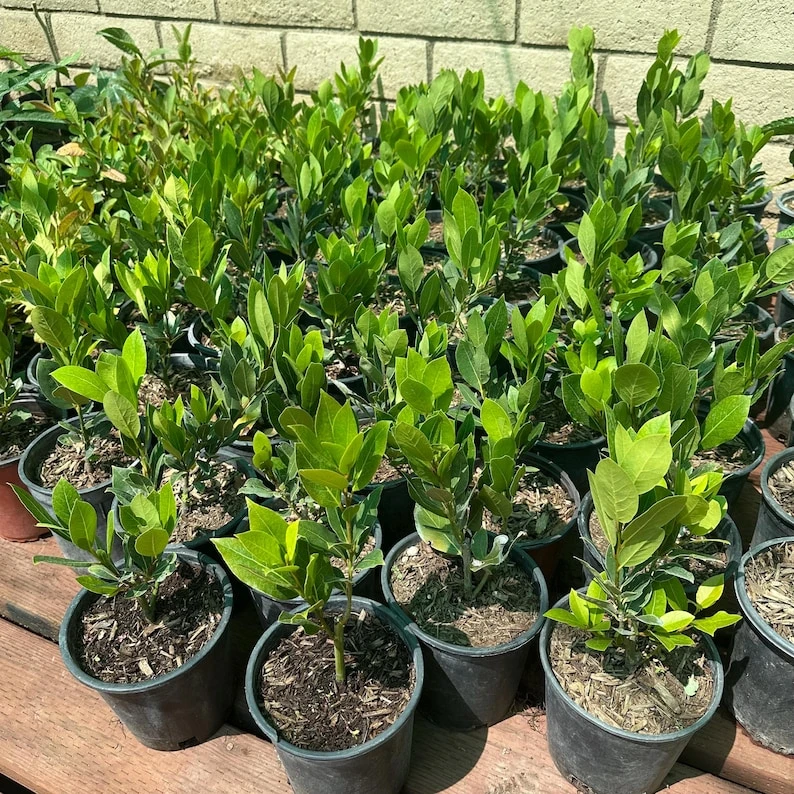
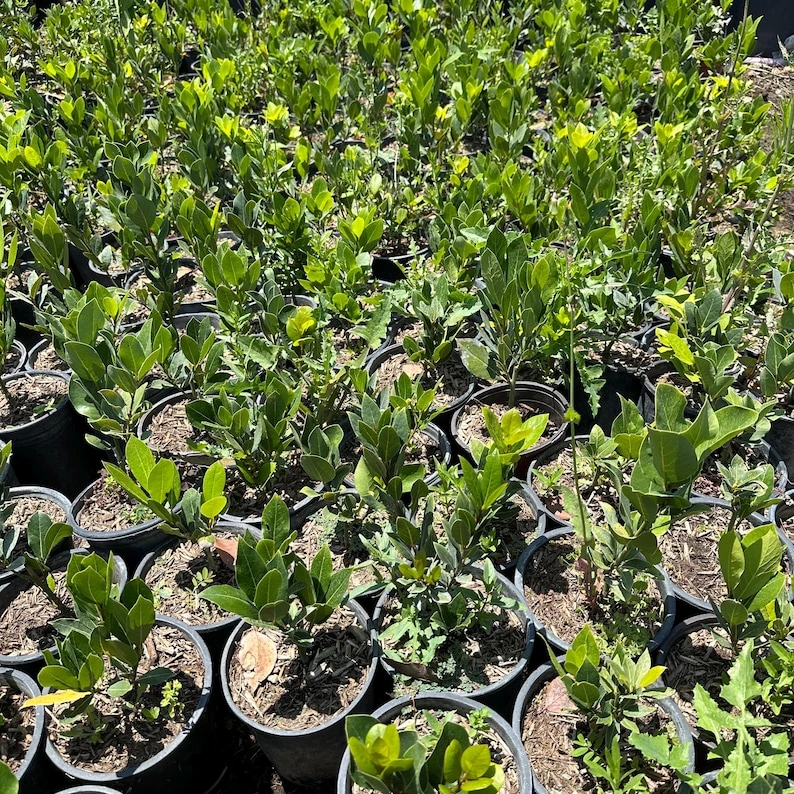
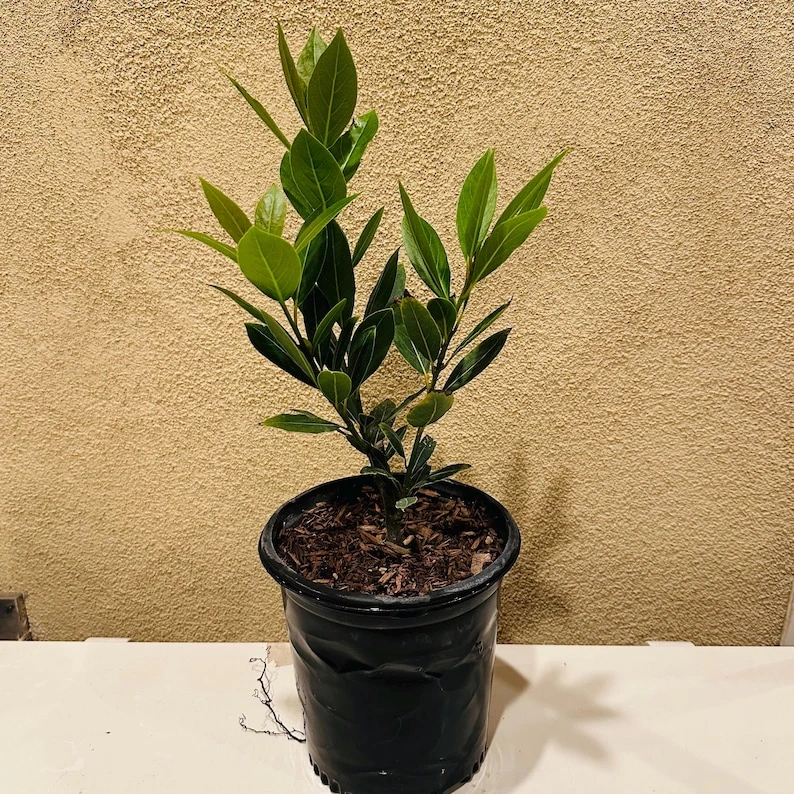
This bay laurel live plant arrives in a convenient 1 gallon nursery pot, making it an ideal size for immediate planting or continued growth in its container. At this stage, the plant typically stands between 10 to 18 inches tall, with a healthy, established root system ready to support vigorous growth. Bay laurel is a slow to moderate grower, eventually reaching heights of 10-20 feet and widths of 5-15 feet if left unpruned in ideal outdoor conditions. However, it responds very well to pruning and can be easily maintained at a smaller, more manageable size, making it perfect for container gardening or as a culinary herb indoors. The plant will establish quickly after planting, and you can begin harvesting leaves once it has settled into its new environment, usually within a few weeks. Expect a steady supply of aromatic leaves for your kitchen as your sweet bay leaf tree matures.
Frequently Asked Questions
- Q: How big does this bay laurel plant get? A: This bay laurel live plant comes in a 1 gallon pot and is typically 10-18 inches tall. When planted in the ground, it can grow up to 20 feet tall, but it can be easily kept smaller with regular pruning, especially when grown in a container.
- Q: Is this an indoor or outdoor plant? A: Bay laurel is a versatile plant. It can be grown outdoors in USDA zones 8-10. In colder climates, it is best grown in a pot and brought indoors during the winter months to protect it from frost.
- Q: How much sunlight does it need? A: The sweet bay leaf tree thrives in full sun to partial shade, ideally receiving at least 6 hours of direct sunlight per day. If indoors, place it near a bright, sunny window.
- Q: Is this plant easy to care for? A: Yes, bay laurel is considered a relatively low-maintenance plant. It requires well-draining soil, consistent watering (allowing the soil to dry out between waterings), and protection from severe cold. It’s an excellent choice for gardeners of all experience levels.
- Q: Can I use the leaves from this plant for cooking? A: Absolutely! This is a culinary bay laurel, also known as Laurus nobilis. Its leaves are perfect for adding flavor to soups, stews, sauces, and other dishes. Fresh leaves offer a more intense flavor than dried ones.
- Q: How often should I water my bay laurel? A: Water your laurus nobilis plant when the top 1-2 inches of soil feel dry to the touch. The frequency will depend on your climate, pot size, and whether it’s indoors or outdoors, but generally, less frequent, deep watering is better than shallow, frequent watering.
- Q: What condition will the plant arrive in? A: Your growing bay laurel will arrive as a healthy, established live plant in a 1 gallon nursery pot, carefully packaged to ensure its safe transit and readiness for planting or continued container growth.
- Q: What is the best time to plant a bay laurel tree? A: The best time to plant bay laurel outdoors is in spring or early summer, allowing it to establish before the heat of summer or the cold of winter. Potted plants can be started indoors at any time of the year.
- Q: Is bay laurel pet-safe? A: While bay laurel leaves are used in cooking, they are generally considered mildly toxic to pets if ingested in large quantities. It’s best to keep the plant out of reach of curious pets.
- Q: How long until I can harvest leaves from my bay laurel? A: You can typically begin harvesting leaves from your bay laurel live plant once it has settled into its new environment and shown signs of new growth, usually within a few weeks to a couple of months after arrival.
Be the first to review “Bay Laurel Tree – Sweet Bay Leaf Live Plant – 1 Gallon Pot – Culinary Herb”
People Also Viewed

Herbs
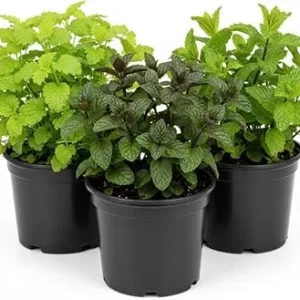
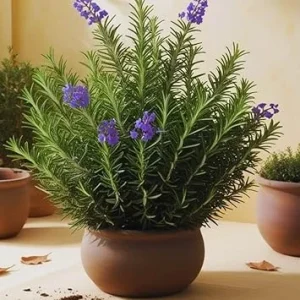
Assorted Herb Plants – 3 Live Plants Mix (Basil, Rosemary, Peppermint, Lemon Balm) – 3-5 Inches Tall
Sold 93 products
Original price was: $44.00.$22.00Current price is: $22.00.
Sold 83 products
Original price was: $39.58.$19.79Current price is: $19.79.
Aquatic Plant Seeds
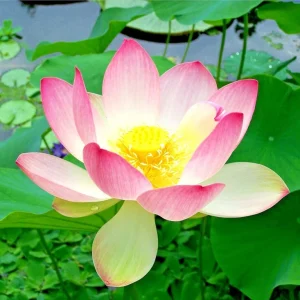
Colorful Lotus Water Lily Seeds – Easy Grow Aquatic Plant for Ponds & Aquariums
Sold 97 products
Original price was: $22.76.$11.38Current price is: $11.38.

Flower Plants
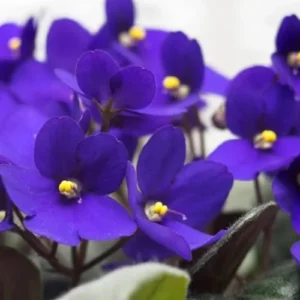
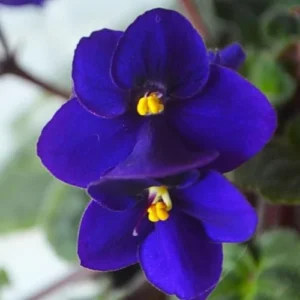
African Violet Live Plant Houseplant – Dark Blue Flower, 4 Inch Pot – Indoor Ready to Grow
Sold 67 products
Original price was: $75.98.$37.99Current price is: $37.99.




%20–%203-5%20Inches%20Tall&url=https://gardennursery.net/product/assorted-herb-plants-3-live-plants-mix-basil-rosemary-peppermint-lemon-balm-3-5-inches-tall/&media=https://img.gardennursery.net/2026/02/assorted-herb-plants-3-live-plants-mix-basil-rosem-28c77616.webp)


Reviews
There are no reviews yet.