
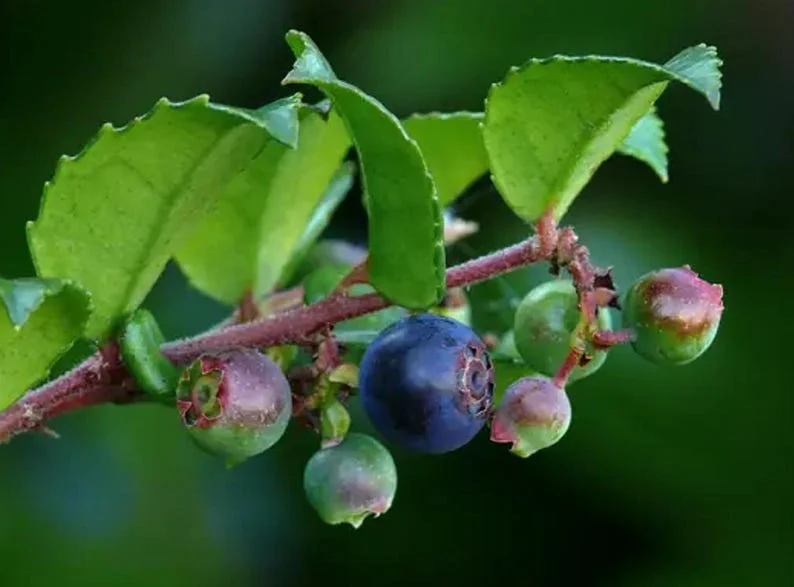
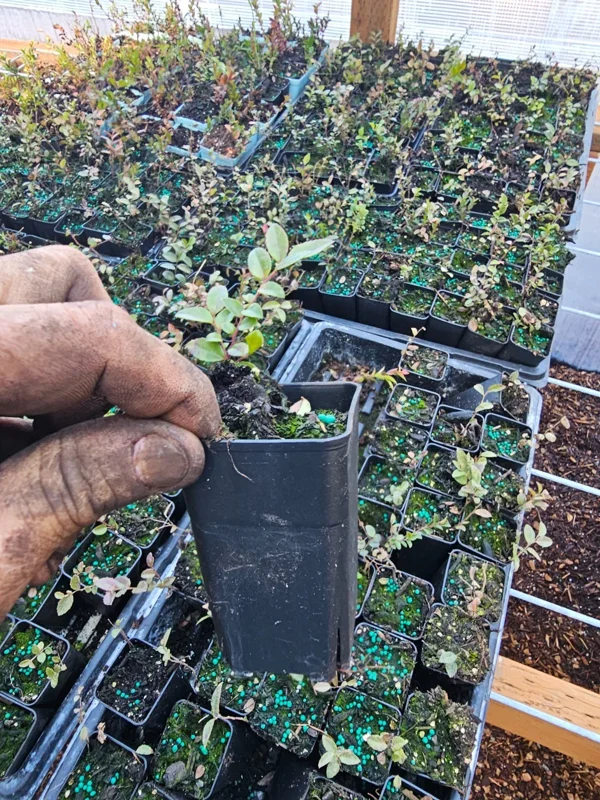
Wild Huckleberry Live Plant – Set of 2 Small 1.5in Potted Bushes – Outdoor Edible Berries
Original price was: $19.99.$14.99Current price is: $14.99.
Cultivate your own delicious berries with this wild huckleberry live plant set. You’ll receive two healthy 1.5-inch potted bushes, ready to thrive in your garden. Enjoy the sweet, tart flavor of homegrown huckleberries. These huckleberry bushes for sale are ideal for adding a native touch to your landscape.
-
USDA Hardiness Zone
USDA zones 4–8 -
Soil Type
Acidic, well-draining soil rich in organic matter -
Sunlight Exposure
Partial shade to full sun -
Expected Planting Period
Spring to early summer or early fall

You can track your order HERE
Sep 28
Oct 03 - Oct 05
Oct 08 - Oct 12
Shipping and return policies: Our Alive & Thrive Guarantee covers issues with your plants within the first 30 days. Reach out to us. Our team will answer your questions and help you find the plants that are truly suitable for your environment, climate, and personal preferences.

Overview
Bring the taste of the wild to your backyard with this delightful set of wild huckleberry live plant specimens. Huckleberries (Vaccinium parvifolium, or similar native species depending on region) are cherished for their intensely flavored, sweet-tart berries, which are excellent for fresh eating, baking, jams, and jellies. This offering includes two healthy 1.5-inch potted plants, carefully nurtured and ready to be transplanted into your garden or a larger container. These compact deciduous shrubs are known for their attractive foliage, delicate bell-shaped flowers, and, of course, their highly anticipated fruit. Ideal for gardeners looking to add native fruit-bearing plants, these wild huckleberry live plant bushes promise a rewarding harvest and a beautiful addition to any landscape.
Huckleberries are a fantastic choice for those interested in sustainable gardening and attracting local wildlife. They are relatively low-maintenance once established and can adapt to various conditions, making them a versatile option for many outdoor spaces. Whether you’re an experienced horticulturist or a beginner, these young huckleberry plants provide an excellent foundation for a bountiful berry patch. Experience the joy of harvesting your own flavorful fruit directly from your garden, knowing you’ve contributed to biodiversity.
Key Benefits
Investing in wild huckleberry live plant bushes offers a multitude of benefits, enhancing both your garden and your culinary experiences. These plants are a wonderful addition for anyone looking to enjoy fresh, homegrown fruit and support local ecosystems.
- Delicious Edible Berries: Enjoy a seasonal harvest of sweet and tart huckleberries, perfect for snacking, pies, jams, or sauces. The unique flavor sets them apart from cultivated blueberries.
- Attracts Wildlife: The flowers provide nectar for pollinators, and the berries are a food source for birds and other small wildlife, contributing to your garden’s biodiversity.
- Ornamental Appeal: Beyond their fruit, these bushes offer attractive foliage and delicate flowers, adding visual interest to your landscape throughout the growing season.
- Native Plant Choice: By choosing huckleberry bushes for sale, you’re opting for a native plant that is well-adapted to local conditions, often requiring less intervention once established.
- Relatively Low Maintenance: Once established, these plants are quite resilient and generally require minimal care, making them suitable for busy gardeners.
- Supports Healthy Living: Freshly picked huckleberries are packed with antioxidants and vitamins, promoting a healthy lifestyle directly from your own garden.
- Versatile Garden Use: These small fruit plants can be grown in garden beds, as part of a native landscape, or even in larger containers on a patio.
Plant Care & Growing Tips
Caring for your wild huckleberry live plant is a rewarding experience, leading to delicious fruit. Huckleberries generally prefer conditions similar to their native woodland habitats. They thrive in partial shade to full sun, ideally receiving at least 4-6 hours of direct sunlight per day. In hotter climates, some afternoon shade is beneficial to prevent leaf scorch. Ensure good air circulation around the plants to deter fungal diseases. Proper watering is crucial, especially during dry spells and the fruiting period. Keep the soil consistently moist but never waterlogged. Deep watering less frequently is better than shallow, frequent watering.
The ideal soil for growing huckleberries is acidic (pH 4.5-5.5), well-draining, and rich in organic matter. Amend heavy clay soils with compost, peat moss, or pine bark to improve drainage and acidity. For sandy soils, adding organic matter will help retain moisture and nutrients. Fertilize sparingly with an acid-loving plant fertilizer in spring, following package directions. Avoid fertilizers high in nitrogen, which can harm fruit production. Pruning is typically done in late winter or early spring to remove dead or weak branches, improve air circulation, and shape the bush. Watch out for common pests like aphids or spider mites, treating them with insecticidal soap if necessary. These edible berry plants are generally hardy, but protection from harsh winter winds may be beneficial in colder zones.
Size & Details
This offering includes a set of two wild huckleberry live plant specimens, each supplied in a 1.5-inch nursery pot. These young plants are typically 4-8 inches tall upon arrival, having a well-developed root system ready for transplanting. Huckleberry bushes are moderate growers. Depending on the species and growing conditions, they can eventually reach a mature height of 3 to 6 feet tall and a similar spread, forming a dense, rounded shrub. The compact size of these young plants makes them easy to handle and establish in your garden.
Your small fruit plants will be shipped as actively growing, healthy, potted plants, ensuring they arrive in optimal condition for successful planting. While fruit production can begin within 1-2 years after planting, a significant harvest is typically seen after 3-5 years as the bush matures. The exact time to maturity and fruiting can vary based on your local climate and care practices. These plants are an investment in future harvests and a beautiful, productive addition to your landscape.
Frequently Asked Questions
- Q: How big does this plant get? A: A: Each wild huckleberry live plant is shipped in a 1.5-inch pot and is typically 4-8 inches tall. At maturity, depending on the specific variety and growing conditions, huckleberry bushes usually reach 3 to 6 feet in height and width.
- Q: Is this an indoor or outdoor plant? A: Huckleberry plants are primarily outdoor plants, thriving in garden beds or large containers where they can experience seasonal changes and produce fruit. They are not typically grown as indoor houseplants.
- Q: How much sunlight does it need? A: These huckleberry bushes for sale prefer partial shade to full sun, ideally receiving 4-6 hours of direct sunlight daily. In very hot climates, providing some afternoon shade can prevent stress.
- Q: What condition will it arrive in? A: Your huckleberry plants will arrive as healthy, actively growing young plants in their 1.5-inch nursery pots, carefully packaged to ensure their safe journey to your home.
- Q: Can I use huckleberry in cooking? A: Absolutely! Huckleberries are highly prized for their unique flavor and can be used in all the same ways as blueberries – fresh, in pies, muffins, jams, jellies, and sauces. They are truly delicious edible berry plants.
- Q: When is the best time to plant? A: The best time to plant your wild huckleberry live plant is in spring after the last frost, or in early fall before the ground freezes, allowing them to establish roots before extreme weather.
- Q: Is this plant easy to care for? A: Once established, huckleberries are relatively low-maintenance. They require specific acidic soil conditions and consistent moisture, but are generally hardy and resilient, making them a good choice for gardeners of varying skill levels.
- Q: What type of soil do huckleberries prefer? A: Huckleberries thrive in acidic (pH 4.5-5.5), well-draining soil that is rich in organic matter. Amending your soil with peat moss, pine bark, or compost is often beneficial.
- Q: How long until it produces berries? A: While some fruit production might begin within 1-2 years, you can expect a more substantial harvest from your small fruit plants after 3-5 years as the bushes mature and become well-established.
- Q: Will it survive winter in my zone? A: Huckleberry plants are generally hardy in USDA zones 4-8, though specific hardiness can vary by species. In colder zones, providing winter protection like mulching may be beneficial.
Be the first to review “Wild Huckleberry Live Plant – Set of 2 Small 1.5in Potted Bushes – Outdoor Edible Berries”
People Also Viewed
Sold 56 products
Original price was: $300.00.$150.00Current price is: $150.00.



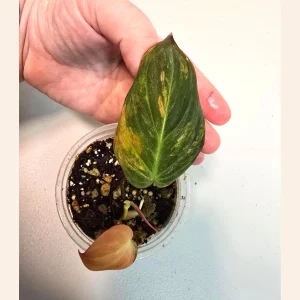
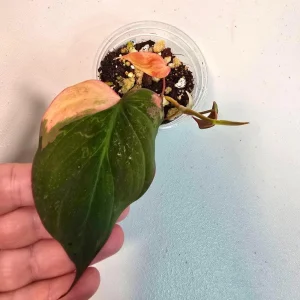
HousePlants
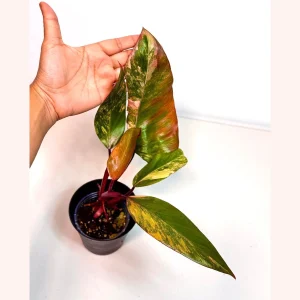
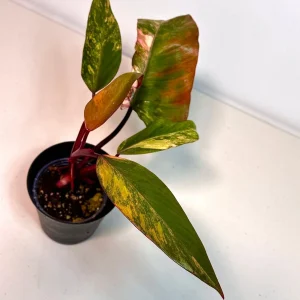
Variegated Philodendron Mican Aurea Live Plant – Rare Collector Houseplant in Nursery Pot
Sold 61 products
Original price was: $220.00.$110.00Current price is: $110.00.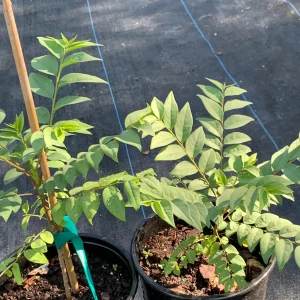
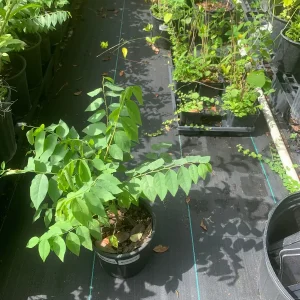
Trees
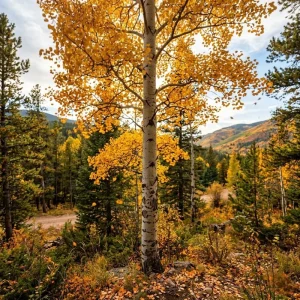
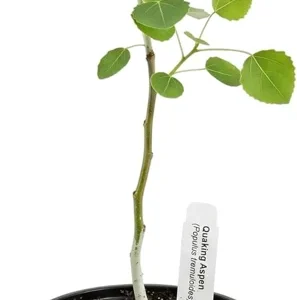
Quaking Aspen Tree Live Plant – Yellow Fall Foliage, White Poplar, 6-8″ Tall in 4″ Pot, Outdoor
Sold 85 products
Original price was: $39.98.$19.99Current price is: $19.99.





%20–%20Edible%20Fruit%20Tree%20–%206″%20Pot&url=https://gardennursery.net/product/star-gooseberry-live-plant-phyllanthus-acidus-edible-fruit-tree-6-pot/&media=https://img.gardennursery.net/2026/01/star-gooseberry-live-plant-phyllanthus-acidus-edib-768x1024.webp)


%20–%205-9″%20Tall%20Starter%20Plants&url=https://gardennursery.net/product/bleeding-heart-vine-live-plant-set-4-mixed-2-white-2-red-5-9-tall-starter-plants/&media=https://img.gardennursery.net/2026/03/bleeding-heart-vine-live-plant-set-4-mixed-2-white-67795d3d.webp)


Reviews
There are no reviews yet.