
Wild Huckleberry Live Plant – 4in Pot – Edible Berries Outdoor Shrub
Original price was: $24.80.$17.99Current price is: $17.99.
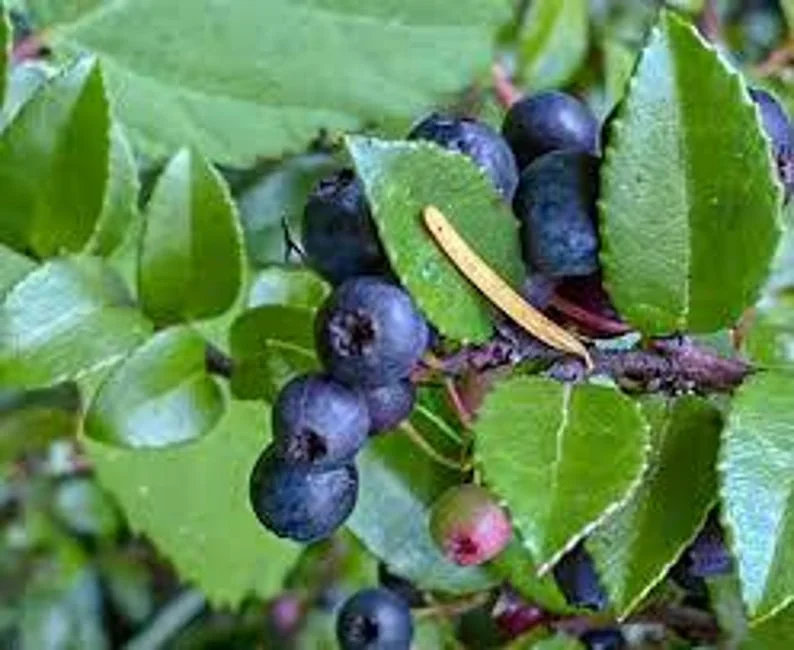
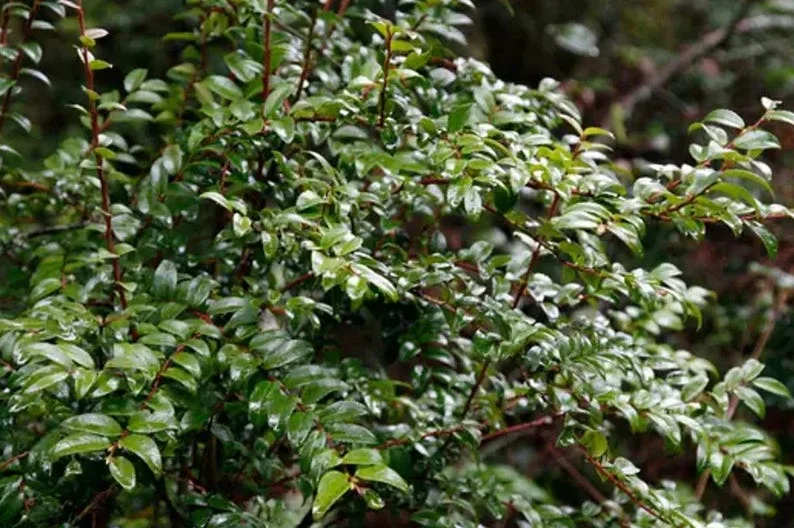
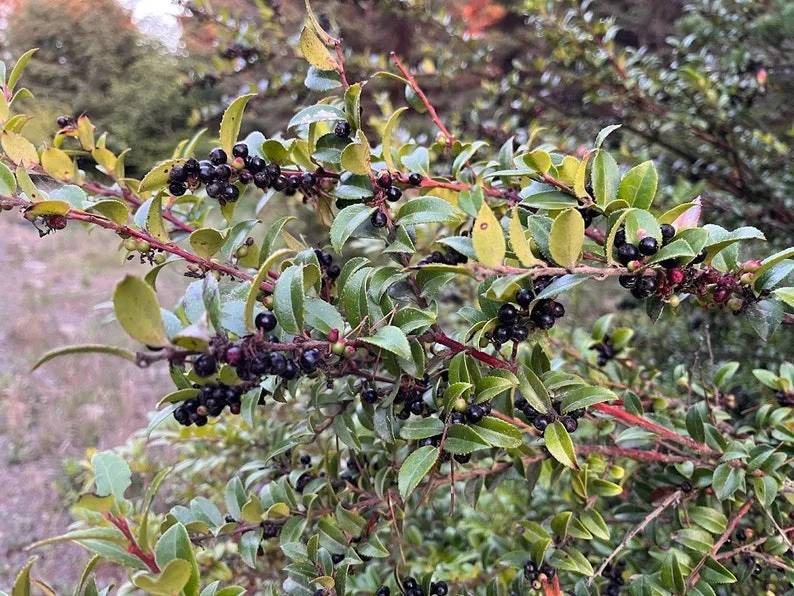
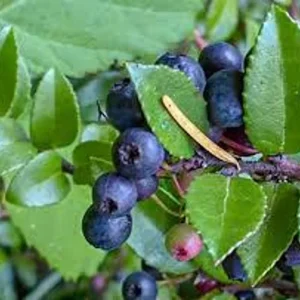
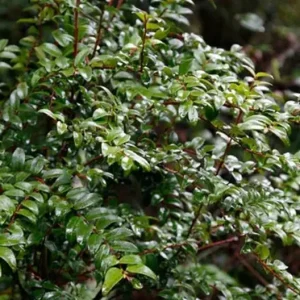
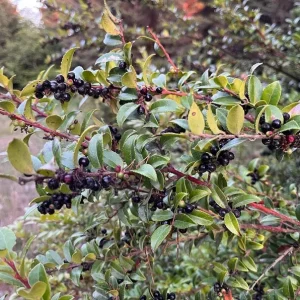
Bring home a wild huckleberry live plant in a convenient 4in pot, ready for your garden. This resilient shrub produces delicious edible berries, perfect for fresh eating or culinary uses. A great addition for those looking to grow their own fruit.
-
USDA Hardiness Zone
USDA zones 4-8 -
Soil Type
Acidic, well-draining soil -
Sunlight Exposure
Partial shade to full sun -
Expected Planting Period
Spring to early summer

You can track your order HERE
Sep 25
Sep 30 - Oct 02
Oct 05 - Oct 09
Shipping and return policies: Our Alive & Thrive Guarantee covers issues with your plants within the first 30 days. Reach out to us. Our team will answer your questions and help you find the plants that are truly suitable for your environment, climate, and personal preferences.

Overview
Immerse yourself in the joy of homegrown fruit with this vibrant wild huckleberry live plant. Arriving in a ready-to-plant 4in pot, this shrub offers the promise of delicious, nutrient-rich berries right from your garden. Huckleberries, often confused with blueberries, are distinct with their slightly sweeter, more intense flavor. This particular variety is chosen for its hardiness and ability to thrive in various outdoor conditions, making it an excellent choice for both novice and experienced gardeners. Growing your own huckleberries provides not only a source of fresh, organic fruit but also adds an attractive, native element to your landscape. The wild huckleberry live plant is a wonderful investment for anyone passionate about sustainable living and enjoying nature’s bounty.
Huckleberries are typically members of the genus Vaccinium or Gaylussacia within the Ericaceae family, known for their bell-shaped flowers and dark, flavorful berries. This plant is a true gem for any garden, offering seasonal beauty and a rewarding harvest. Whether you’re planning to expand your edible garden or simply introduce a unique, low-maintenance shrub, a wild huckleberry live plant is an excellent choice.
Key Benefits
Cultivating a wild huckleberry live plant in your garden offers a multitude of benefits, from aesthetic appeal to nutritional value.
- Fresh, Edible Berries: Enjoy a consistent supply of delicious, antioxidant-rich huckleberries directly from your garden. These berries are perfect for jams, pies, or eating fresh off the bush.
- Attracts Wildlife: The flowers and berries of the huckleberry plant are a favorite for pollinators like bees and birds, contributing to a healthier local ecosystem.
- Low Maintenance Shrub: Once established, huckleberry plants are surprisingly resilient and require minimal ongoing care, making them ideal for busy gardeners.
- Native Landscape Appeal: As a native plant in many regions, the huckleberry integrates beautifully into naturalized landscapes, providing seasonal interest with its foliage, flowers, and fruit.
- Adaptable Growth: This shrub is known for its ability to adapt to a range of soil and light conditions, making it a versatile choice for different garden settings.
- Sustainable Food Source: Growing your own wild huckleberry live plant reduces your reliance on store-bought produce and promotes sustainable gardening practices.
- Educational Value: It’s a fantastic plant for teaching children about where food comes from and the life cycle of plants, fostering an appreciation for nature.
Plant Care & Growing Tips
Caring for your wild huckleberry live plant is relatively straightforward, especially once it’s established. These plants generally prefer acidic, well-draining soil. If your garden soil is heavy clay, consider amending it with peat moss or compost to improve drainage and acidity. Huckleberries thrive in locations that receive partial shade to full sun, ideally with at least 4-6 hours of direct sunlight per day. In hotter climates, some afternoon shade can prevent scorching.
Watering is crucial, especially during the first year of growth. Keep the soil consistently moist but never waterlogged. Once established, they become more drought-tolerant but will benefit from regular watering during dry spells, particularly when the fruit is developing. Fertilize sparingly with an acidic fertilizer formulated for berries or rhododendrons in early spring. Avoid high-nitrogen fertilizers. Pruning is typically minimal; remove any dead or diseased branches and thin out older, less productive stems to encourage new growth. Understanding huckleberry plant care will ensure a bountiful harvest. Ensure you are providing the right conditions for growing huckleberries successfully.
Size & Details
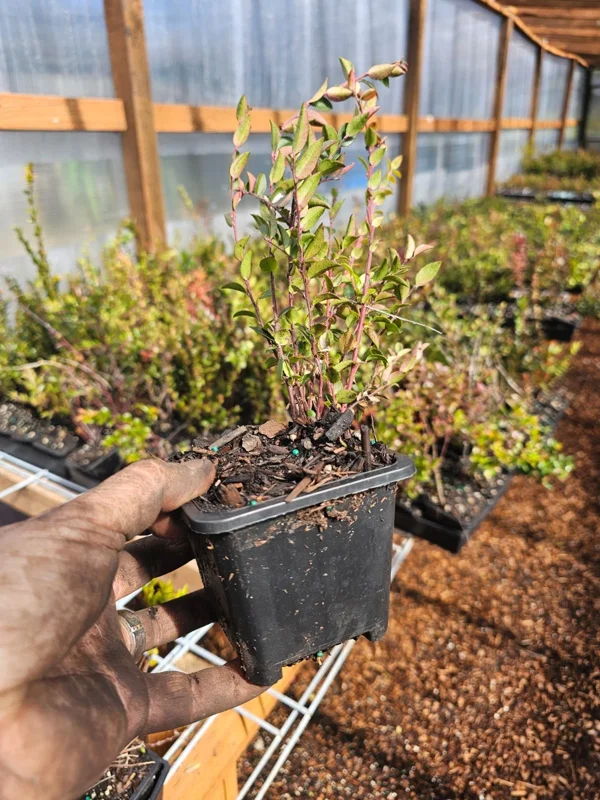
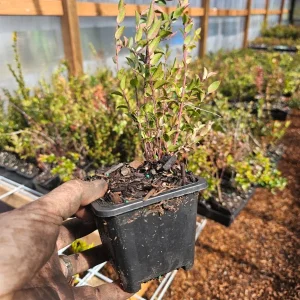
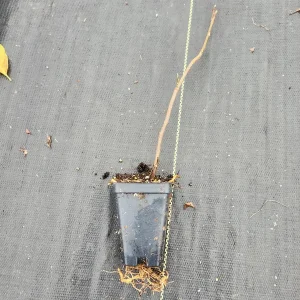
This wild huckleberry live plant arrives in a sturdy 4in nursery pot, with the plant itself typically standing 6-12 inches tall, depending on the growing season. Huckleberry shrubs are moderate growers, reaching a mature height of 2-5 feet and a similar spread, forming a dense, rounded bush over several years. The plant will be shipped in its pot with soil, ensuring minimal transplant shock. Expect the plant to begin producing berries within 1-2 years of planting, with increasing yields as it matures. The berries typically ripen in mid to late summer, offering a delightful seasonal treat. This robust shrub is designed for outdoor planting and will provide years of enjoyment and delicious fruit, making it an excellent choice among edible berry shrub options.
Frequently Asked Questions
- Q: How big does this plant get? A: A wild huckleberry live plant typically grows to a mature height of 2-5 feet and a similar spread, forming a rounded, dense shrub. Its size can vary based on growing conditions and variety.
- Q: Is this an indoor or outdoor plant? A: This huckleberry is an outdoor plant, best suited for garden beds, woodland edges, or large containers where it can receive adequate sunlight and space to grow. It is not designed to be a houseplant.
- Q: How much sunlight does it need? A: Huckleberries prefer partial shade to full sun, ideally receiving 4-6 hours of direct sunlight daily. In very hot climates, some afternoon shade is beneficial to prevent leaf scorch.
- Q: Is this plant easy to care for? A: Yes, once established, the wild huckleberry live plant is considered relatively low-maintenance. It requires consistent watering during establishment and prefers acidic, well-draining soil.
- Q: What condition will it arrive in? A: Your huckleberry plant will arrive carefully packaged in its 4in nursery pot with soil, ensuring it is healthy and ready for planting upon arrival. We take great care in preparing our outdoor fruit plants for shipment.
- Q: How long until it produces berries? A: Most huckleberry plants will begin to produce fruit within 1-2 years of planting, with production increasing significantly as the plant matures. The berries typically ripen in mid to late summer.
- Q: Will it survive winter in my zone? A: Huckleberries are quite hardy, generally thriving in USDA Zones 4-8. Specific hardiness can vary by variety, so check local growing conditions to confirm suitability.
- Q: What’s the best soil for growing huckleberries? A: Huckleberries prefer acidic soil with a pH between 4.5 and 5.5. It should also be well-draining and rich in organic matter.
- Q: Can I grow huckleberries in a container? A: Yes, growing huckleberries in large containers is possible, especially if your garden soil isn’t acidic enough. Ensure the container has good drainage and use an acidic potting mix.
- Q: What’s the difference between huckleberries and blueberries? A: While similar, huckleberries typically have 10 large seeds per berry, while blueberries have many small, soft seeds. Huckleberries also tend to have a slightly sweeter and more intense flavor.




%20–%20Yellow%20Flower,%202Ft%20Tall%20in%206″%20Pot&url=https://gardennursery.net/product/candlestick-tree-live-plant-senna-alata-yellow-flower-2ft-tall-in-6-pot/&media=https://img.gardennursery.net/2026/01/candlestick-tree-live-plant-senna-alata-yellow-flo-1-768x1024.webp)


Reviews
There are no reviews yet.