
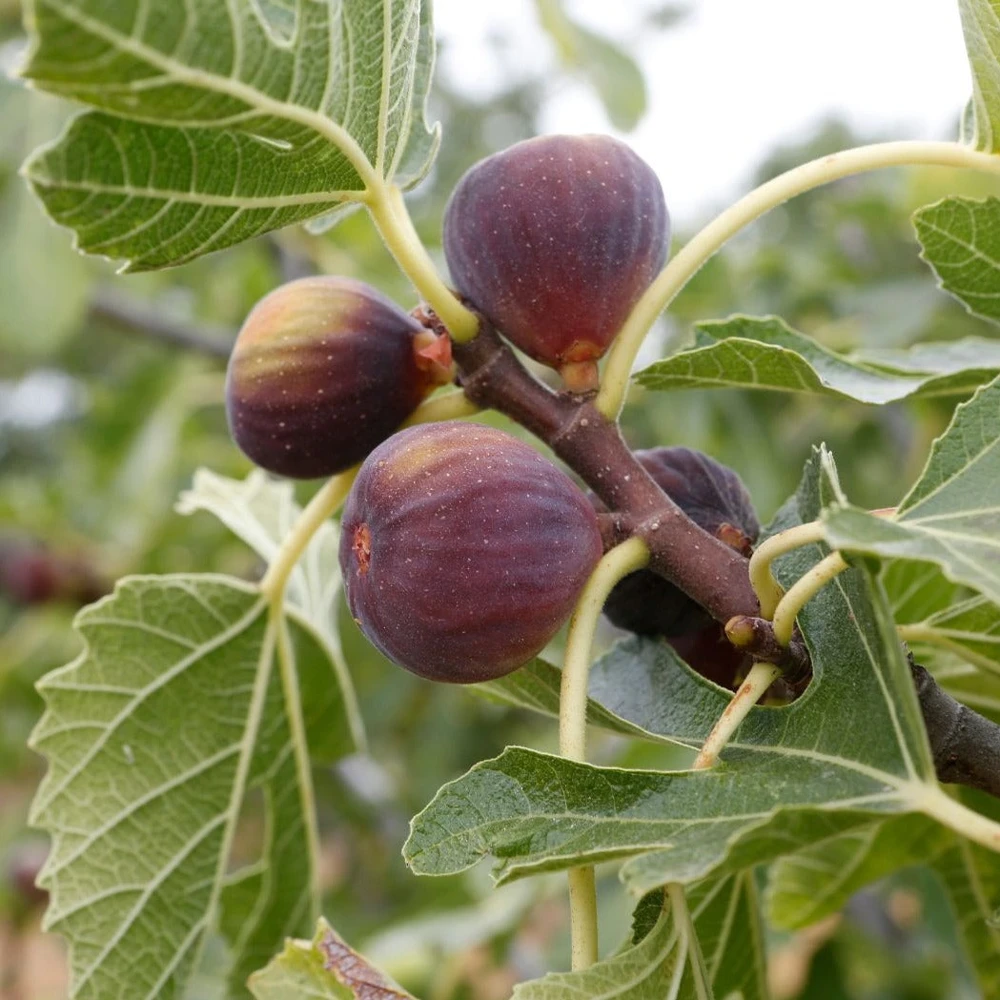
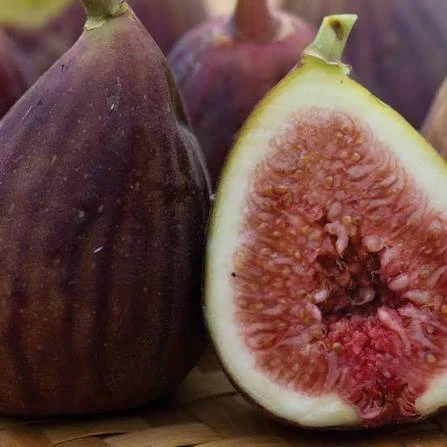
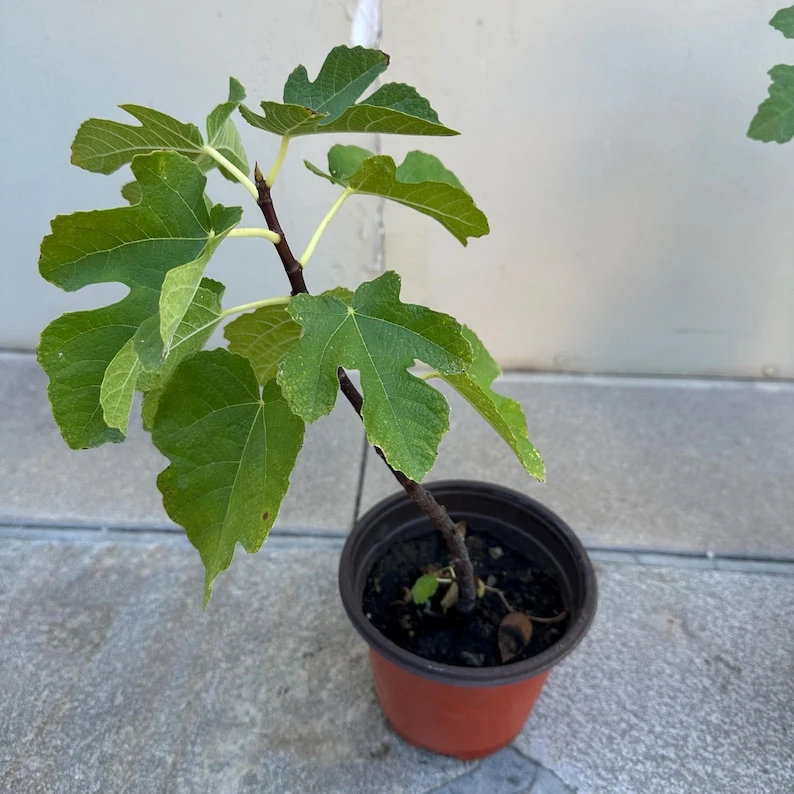
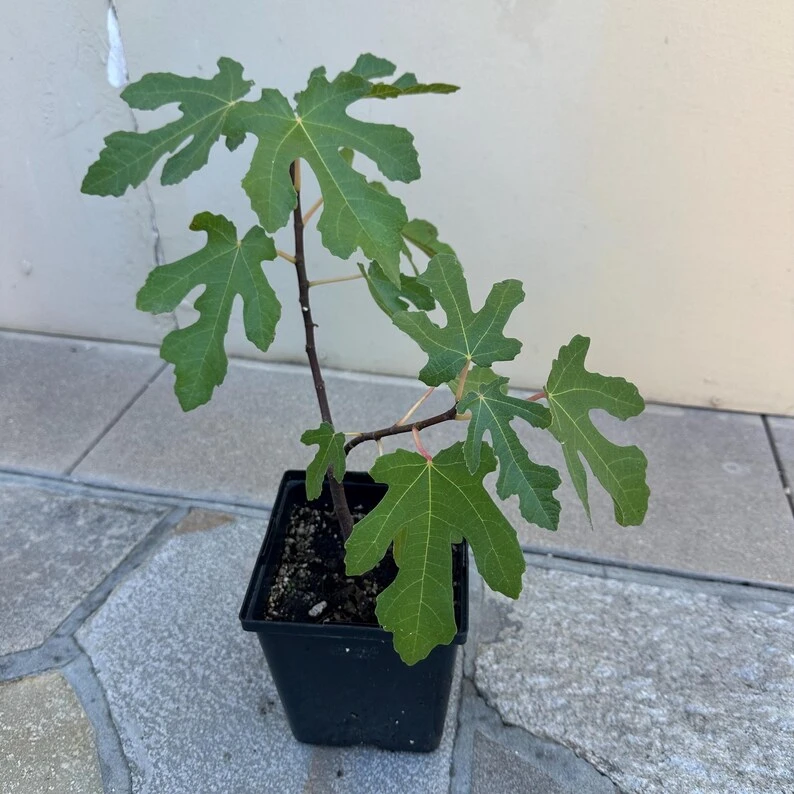
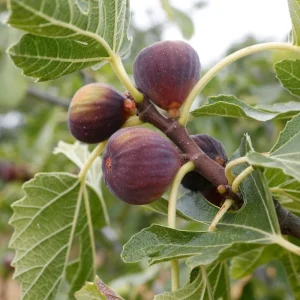
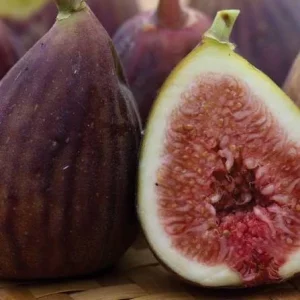
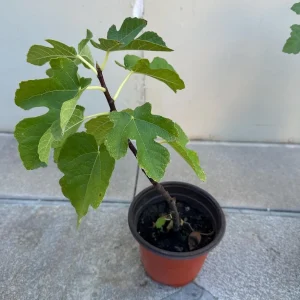
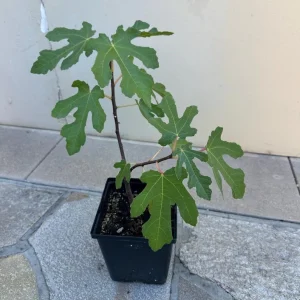
Organic Purple Fig Plant Seedling – Live Plant – 6 inch Pot – Outdoor Fruit
Original price was: $58.98.$42.98Current price is: $42.98.
Cultivate your own sweet, juicy fruit with this organic purple fig plant seedling. Arriving in a 6 inch pot, this live plant is ready to thrive in your garden or a large container, offering the promise of delicious, homegrown figs. Easy to grow and rewarding.
-
USDA Hardiness Zone
USDA zones 8–10 (with protection in zone 7) -
Soil Type
Well-draining, slightly alkaline to neutral soil -
Sunlight Exposure
Full sun (6-8+ hours daily) -
Expected Planting Period
Spring to early summer

You can track your order HERE
Sep 25
Sep 30 - Oct 02
Oct 05 - Oct 09
Shipping and return policies: Our Alive & Thrive Guarantee covers issues with your plants within the first 30 days. Reach out to us. Our team will answer your questions and help you find the plants that are truly suitable for your environment, climate, and personal preferences.

Overview
Embark on a delightful gardening journey with this vibrant organic purple fig plant seedling. This live plant offers the unique opportunity to grow your own delicious and nutrient-rich figs right at home. Known for their sweet, jammy flesh and beautiful dark purple skin, figs are a versatile fruit that can be enjoyed fresh, dried, or in various culinary dishes. Our fig plant seedling comes ready to plant, establishing itself quickly in your garden or a spacious pot. Figs, botanically known as Ficus carica, are deciduous trees or large shrubs that are relatively easy to care for and can provide abundant harvests for many years. This particular variety is selected for its robust growth and flavorful fruit, making it an excellent addition to any edible landscape or patio garden.
Bringing an organic purple fig plant into your home or garden not only provides you with fresh, healthy fruit but also adds an ornamental touch with its large, lobed leaves. These plants are grown using organic practices, ensuring you receive a healthy, chemical-free start to your fig orchard. Whether you’re an experienced gardener or just beginning, this fig seedling is a rewarding choice that promises both beauty and bounty. Prepare to enjoy the unique taste of homegrown figs, a true delicacy that is far superior to store-bought varieties.
Key Benefits
Investing in an organic purple fig plant offers a multitude of advantages beyond just fresh fruit. These plants are not only productive but also contribute significantly to the aesthetics and biodiversity of your outdoor space. Here are some of the key benefits you can expect:
- Delicious Homegrown Fruit: Enjoy the unparalleled taste of fresh, sweet purple figs picked directly from your own plant. Homegrown figs are often richer in flavor and nutrients compared to store-bought options, perfect for snacking, desserts, or savory dishes.
- Ornamental Appeal: The large, deeply lobed leaves of the fig plant provide a lush, tropical look to your garden or patio. Its attractive form makes it a beautiful specimen plant, adding visual interest throughout the growing season.
- Organic & Healthy Produce: Grown with organic methods, this edible fig plant ensures you’re harvesting fruit free from synthetic pesticides and fertilizers, contributing to a healthier diet and a more sustainable garden.
- Relatively Low Maintenance: Once established, fig plants are surprisingly resilient and require minimal care. They are tolerant of various soil conditions and can withstand periods of drought, making them suitable for busy gardeners.
- Versatile Growing Options: This fig seedling can be grown directly in the ground in warmer climates or successfully cultivated in large containers in cooler regions, allowing you to move it indoors during winter. This flexibility makes growing fig trees accessible to many.
- Long-Term Productivity: A well-cared-for fig plant can produce fruit for many years, becoming a lasting and valuable asset to your home garden, providing continuous harvests season after season.
- Attracts Pollinators: While many fig varieties are self-pollinating, the presence of flowering plants, including fig trees, can encourage beneficial insects and pollinators to your garden, enhancing overall ecosystem health.
Plant Care & Growing Tips
Proper care is essential for ensuring your organic purple fig plant thrives and produces an abundant harvest. Figs are relatively hardy but respond well to specific conditions. For optimal growth, choose a location that receives at least 6-8 hours of direct sunlight per day. Full sun is crucial for fruit development and ripening. If growing in a container, ensure it’s a large pot (at least 15-20 gallons for mature plants) with excellent drainage to prevent root rot. Figs prefer well-draining soil with a slightly alkaline to neutral pH (6.0-7.0). A good quality potting mix amended with compost or well-rotted manure will provide the necessary nutrients and structure.
Watering is critical, especially during the establishment phase and when fruit is developing. Keep the soil consistently moist but never waterlogged. Deep watering once or twice a week is usually sufficient, adjusting based on weather conditions and soil type. Reduce watering in late fall as the plant prepares for dormancy. Figs are generally hardy in USDA Zones 8-10, though some varieties can tolerate Zone 7 with protection. In colder climates, container-grown plants should be moved indoors to an unheated garage or basement during winter, or protected with heavy mulch and burlap if planted in the ground. Fertilize your purple fig tree for sale in early spring with a balanced, organic slow-release fertilizer, and again in mid-summer if needed. Avoid excessive nitrogen, which can promote leafy growth at the expense of fruit production. Pruning is best done in late winter or early spring while the plant is dormant to remove dead or crossing branches and to shape the plant for better air circulation and fruit access. Regular inspection for pests and diseases, though generally rare for figs, will help maintain a healthy plant.
Size & Details
This organic purple fig plant is delivered as a healthy seedling in a 6 inch pot, providing a robust start for your gardening endeavors. At this stage, the plant typically stands between 8 to 12 inches tall, with a well-developed root system ready for transplanting. When mature, fig trees can reach heights of 10 to 30 feet and widths of similar proportions, depending on the variety and pruning practices. However, they can be successfully maintained at a more manageable size of 6-10 feet through regular pruning, especially when grown in containers. This allows for easier harvesting and makes them suitable for smaller gardens or patio spaces. Expect your fig plant to begin producing fruit within 1-3 years after planting, with increasing yields as it matures. The plant is shipped as a live, actively growing specimen, carefully packaged to ensure its safe arrival and immediate readiness for planting.
Frequently Asked Questions
- Q: How big does this fig plant get? A: This organic purple fig plant seedling arrives in a 6-inch pot. When mature, fig trees can reach 10-30 feet tall, but can be maintained at 6-10 feet with pruning, especially in containers.
- Q: Is this an indoor or outdoor plant? A: Fig plants are primarily outdoor plants that thrive in full sun. In colder climates (below USDA Zone 8), container-grown plants can be moved indoors during winter to protect them from freezing temperatures.
- Q: How much sunlight does it need? A: For optimal fruit production and growth, your purple fig tree for sale requires at least 6-8 hours of direct sunlight per day. More sun generally leads to sweeter and more abundant figs.
- Q: Is this plant easy to care for? A: Yes, fig plants are considered relatively easy to care for once established. They are drought-tolerant and resilient, making them suitable for gardeners of all experience levels. Consistent watering and adequate sunlight are key.
- Q: What condition will it arrive in? A: Your fig plant will arrive as a healthy, live seedling in a 6-inch nursery pot, carefully packaged to ensure it reaches you in excellent condition, ready for planting.
- Q: How long until it produces fruit? A: Typically, an organic purple fig plant will begin producing fruit within 1 to 3 years after planting. Fruit production will increase as the plant matures and establishes itself.
- Q: What’s the best time for growing fig trees? A: The best time to plant fig trees is in the spring after the last frost, allowing them the full growing season to establish. Container-grown figs can be planted any time of year indoors.
- Q: Can I use the figs for cooking? A: Absolutely! Figs are incredibly versatile. You can enjoy them fresh, dried, in jams, tarts, salads, or paired with cheeses. This edible fig plant will provide delicious ingredients for many culinary creations.
- Q: Is this fig plant drought-tolerant? A: While fig trees appreciate consistent moisture, especially during fruit development, they are quite drought-tolerant once established. However, prolonged dry spells can reduce fruit yield.
- Q: What USDA Hardiness Zones are suitable for this fig? A: Fig plants generally thrive in USDA Zones 8-10. With proper winter protection, some varieties can survive in Zone 7. Container growing offers flexibility for colder zones.
Be the first to review “Organic Purple Fig Plant Seedling – Live Plant – 6 inch Pot – Outdoor Fruit”
People Also Viewed

Sold 99 products
Original price was: $36.18.$18.09Current price is: $18.09.

Sold 89 products
Original price was: $39.98.$19.99Current price is: $19.99.





%20–%20Flowering%20Ginger%20Root%205-10%20inches%20Tall&url=https://gardennursery.net/product/white-turmeric-live-plant-curcuma-zeodaria-flowering-ginger-root-5-10-inches-tall/&media=https://img.gardennursery.net/2026/01/white-turmeric-live-plant-curcuma-zeodaria-floweri-2e00213d.webp)


Reviews
There are no reviews yet.