
Organic Palora Yellow Dragon Fruit Seeds – Hylocereus Pitaya Cactus – 15 Seeds
$14.98
Cultivate your own exotic garden with Palora yellow dragon fruit seeds. These organic dragon fruit seeds from the Hylocereus genus are perfect for growing the highly sought-after yellow variety of pitaya. Enjoy delicious, edible fruit from a self-pollinating cactus, suitable for outdoor cultivation in warm, humid subtropical climates.
-
USDA Hardiness Zone
USDA Zones 9-11 -
Soil Type
Loam, Peat, Sand (well-draining) -
Sunlight Exposure
Full Sun, Medium Sun -
Expected Planting Period
Spring to Summer

You can track your order HERE
Oct 17
Oct 22 - Oct 24
Oct 27 - Oct 31
Shipping and return policies: Our Alive & Thrive Guarantee covers issues with your plants within the first 30 days. Reach out to us. Our team will answer your questions and help you find the plants that are truly suitable for your environment, climate, and personal preferences.

Overview
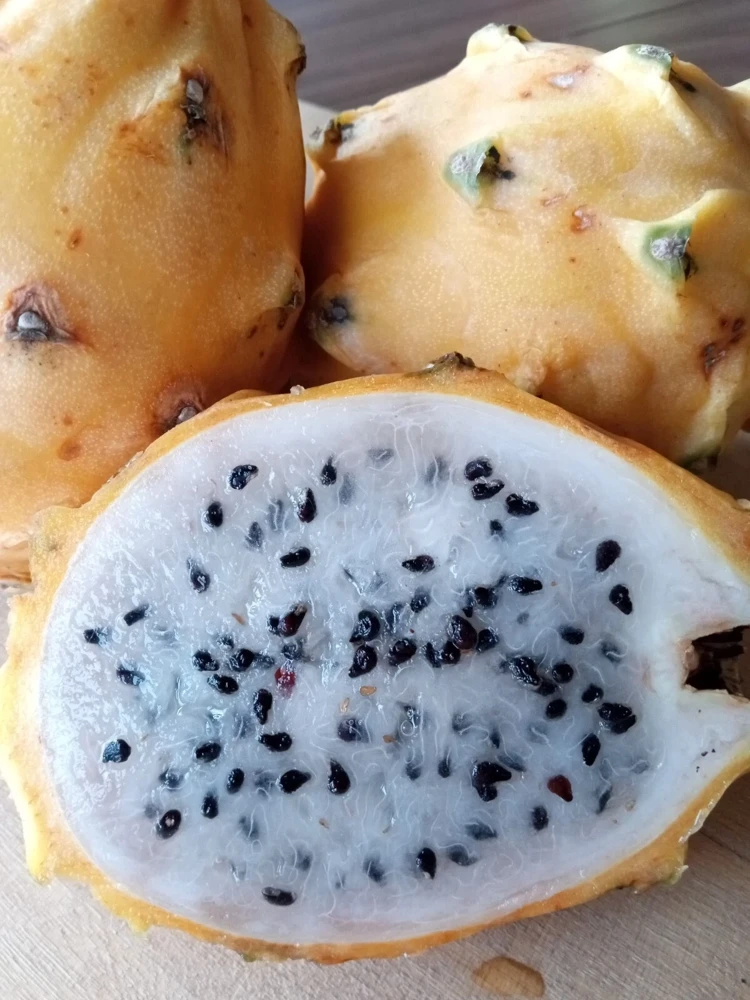
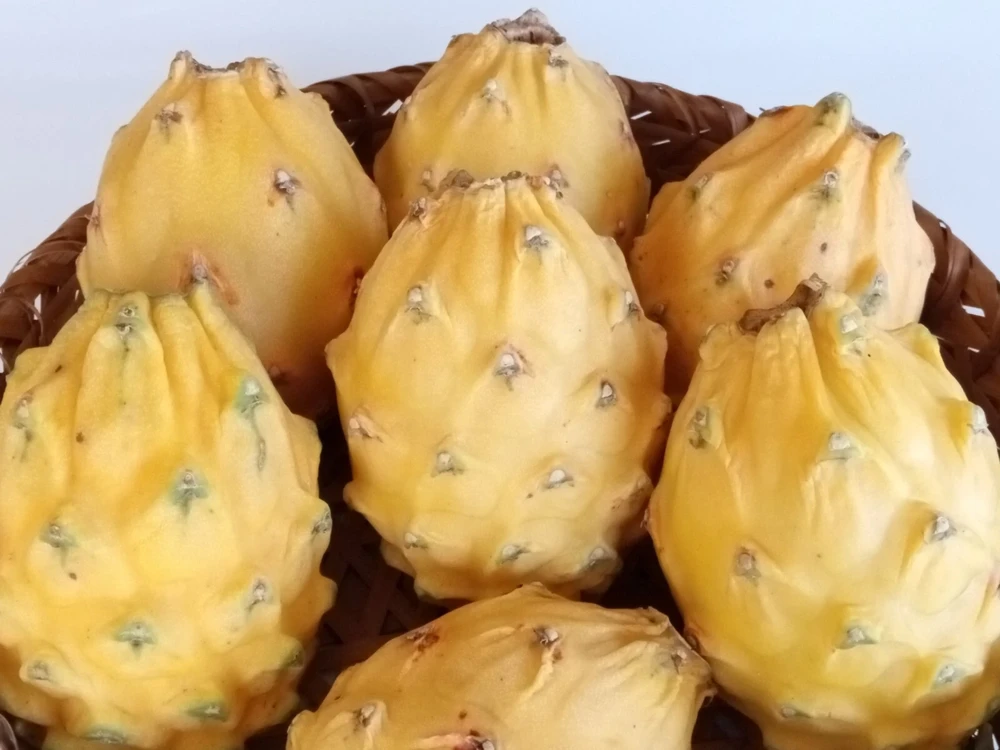
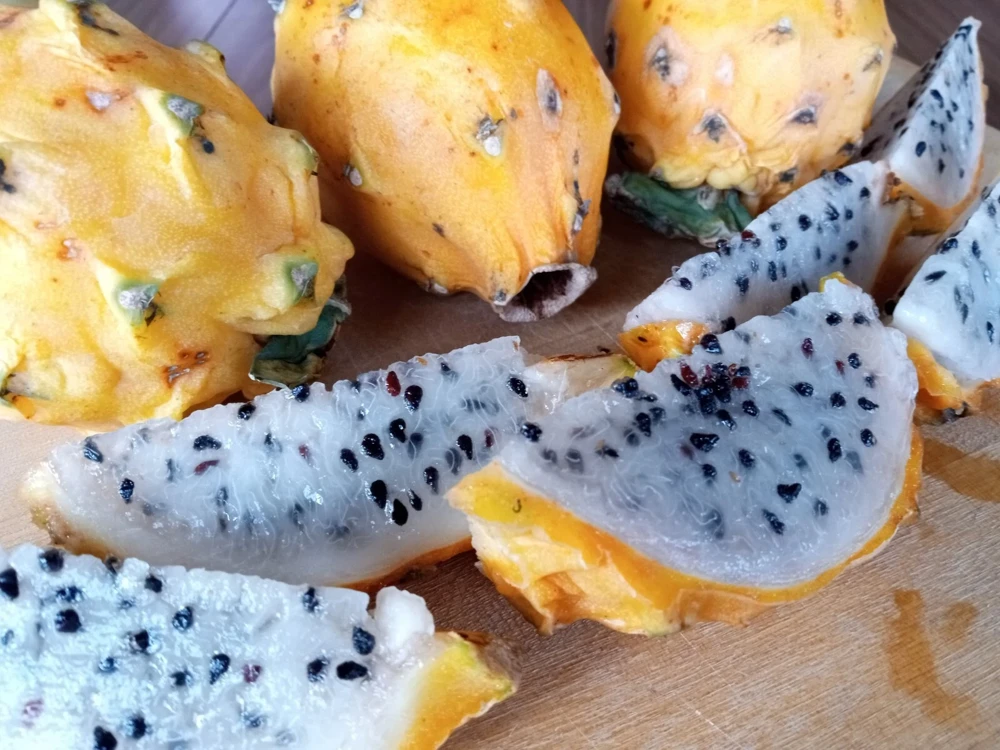
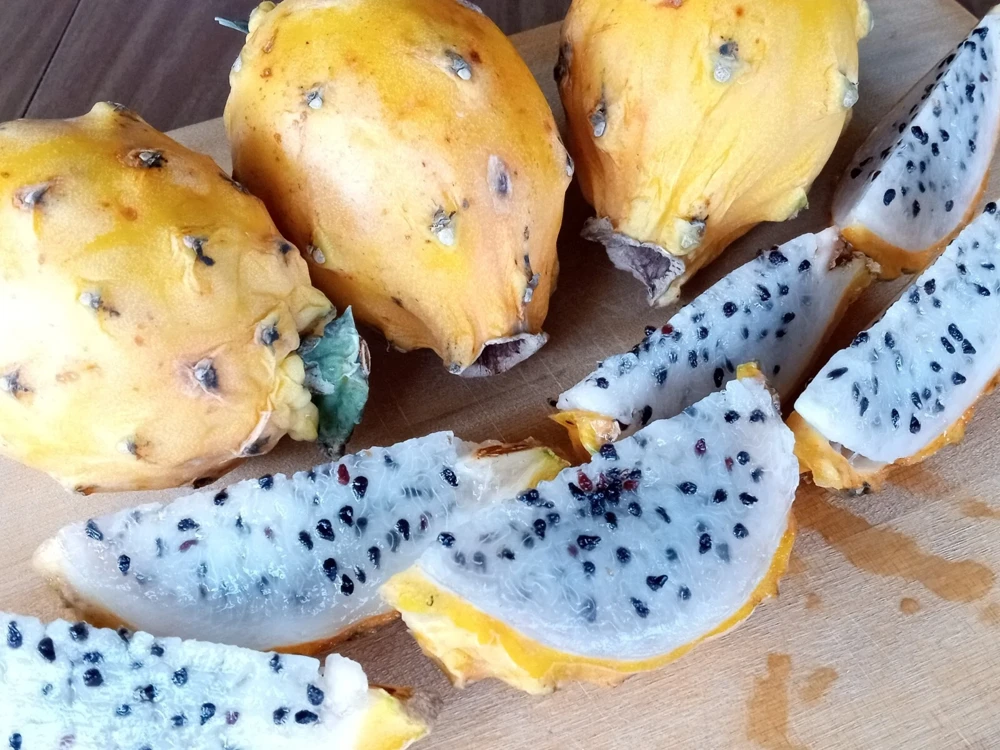
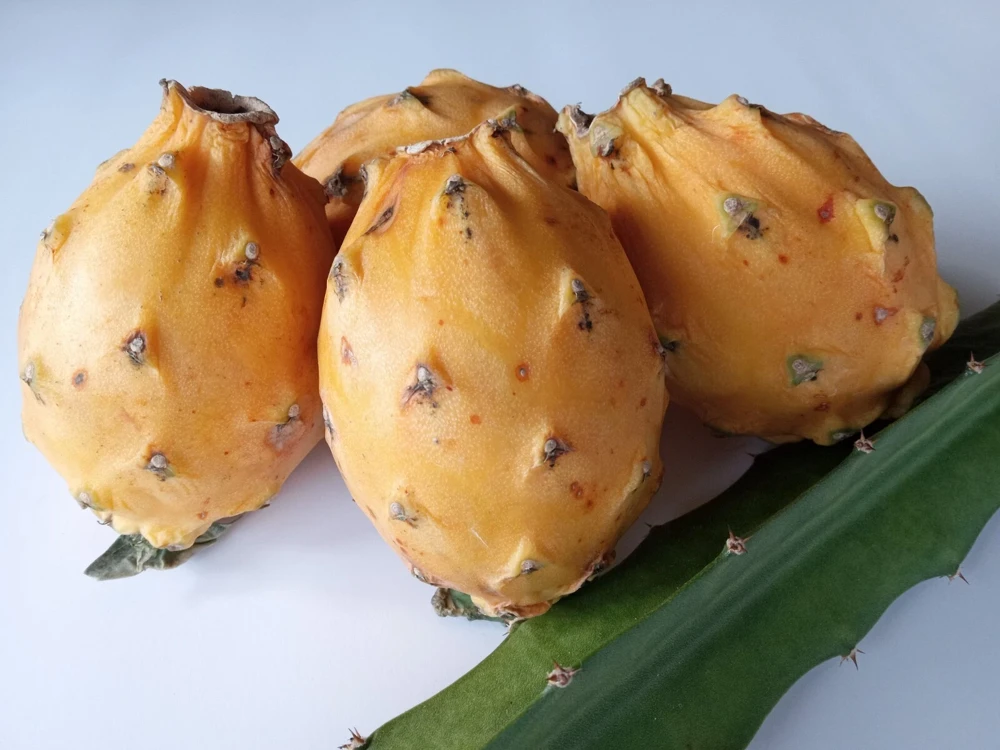
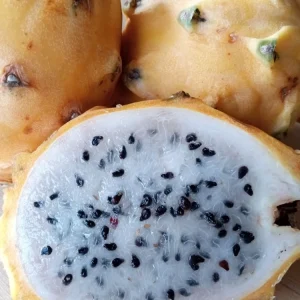
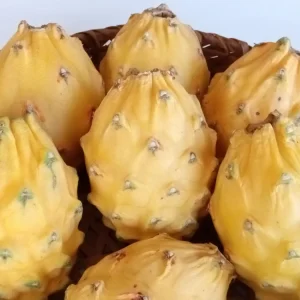
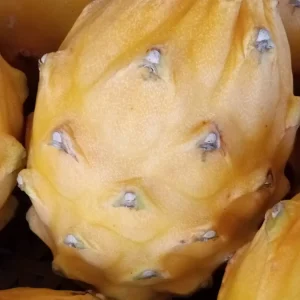
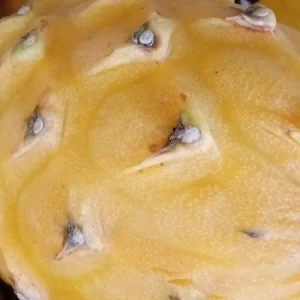
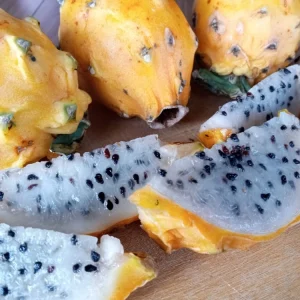
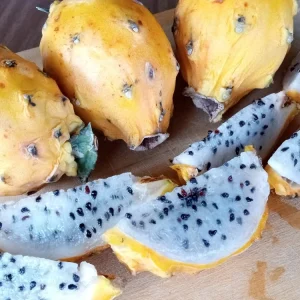
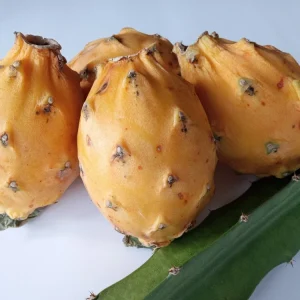
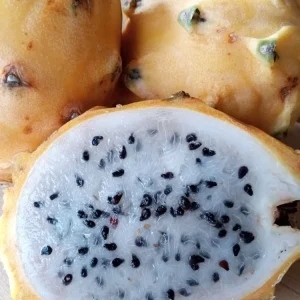
Embark on an exciting gardening adventure with these premium Palora yellow dragon fruit seeds. Sourced organically, these seeds allow you to cultivate the unique and flavorful Hylocereus Palora, also known as yellow pitaya or 黄火龙果. This remarkable fruit-bearing cactus is renowned for its vibrant yellow skin and sweet, juicy white flesh, offering a delightful tropical taste experience right from your own garden. Each packet contains 15 seeds, providing a generous start to growing these fascinating plants. Perfect for enthusiasts looking to expand their edible landscape, these organic dragon fruit seeds are an excellent choice for a rewarding cultivation project.
The Hylocereus genus, to which this variety belongs, is known for its robust and climbing growth habit. Originating from tropical regions, the Palora yellow dragon fruit seeds are adapted to humid subtropical climates, making them an ideal addition to gardens in similar zones. Growing your own dragon fruit from seed is a fulfilling process that connects you directly with nature’s bounty, promising fresh, organic produce for years to come. Discover the joy of nurturing these unique cactus plants from a tiny seed to a fruitful specimen.
Key Benefits
Growing Palora yellow dragon fruit seeds offers a multitude of benefits, from the aesthetic appeal of the climbing cactus to the delicious harvest. This particular variety stands out for its superior taste and ease of cultivation in appropriate climates.
- Exotic Edible Fruit: Enjoy the sweet, juicy, and refreshing taste of homegrown yellow pitaya. This fruit is a delightful addition to smoothies, desserts, or eaten fresh.
- Nutrient-Rich Produce: Dragon fruit is packed with vitamins, minerals, and antioxidants, contributing to a healthy diet. Growing your own ensures pesticide-free, fresh quality.
- Self-Pollinating Plant: The Hylocereus Palora variety is known to be self-pollinating, simplifying the fruit-setting process and increasing your chances of a successful harvest.
- Drought-Resistant Features: As a cactus, this plant exhibits good drought resistance once established, making it a relatively low-water option for suitable climates.
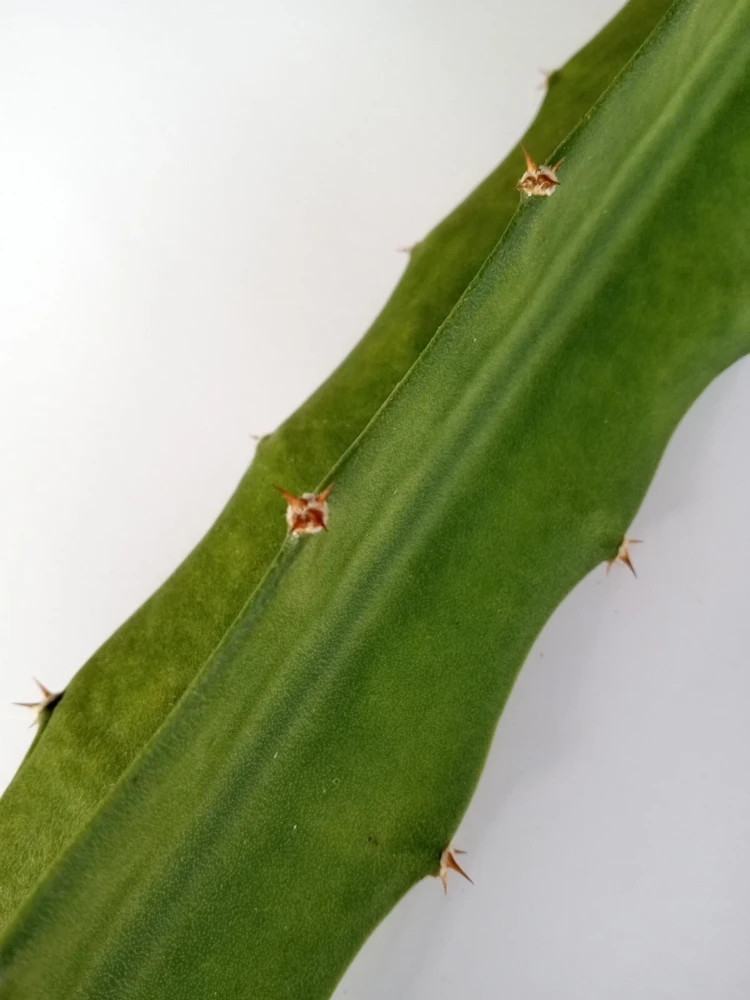
- Evergreen Foliage: The unique, succulent stems provide an evergreen architectural interest to your garden year-round, even when not fruiting.
- Flowering Spectacle: Witness the breathtaking nocturnal blooms of the dragon fruit cactus, which are often large, fragrant, and truly a sight to behold.
- Climbing Growth Habit: Its climbing nature allows it to be trained on trellises, fences, or other supports, adding vertical interest and maximizing space in your garden. These dragon fruit seeds will produce vigorous climbing plants.
Plant Care & Growing Tips
Successful cultivation of Palora yellow dragon fruit seeds requires attention to specific environmental factors to ensure healthy growth and abundant fruiting. These plants thrive in conditions that mimic their native humid subtropical habitat. For optimal results, start your organic dragon fruit seeds indoors in a warm environment before transplanting.
Sunlight requirements: Dragon fruit cacti prefer full sun to medium sun exposure, meaning at least 6-8 hours of direct sunlight per day. While they can tolerate some partial shade, too little light will reduce flowering and fruit production. In extremely hot climates, some afternoon shade can prevent scorching. Watering schedule: Water regularly, allowing the top inch or two of soil to dry out between waterings. Avoid overwatering, as this can lead to root rot. Good drainage is crucial. During dry spells, more frequent watering may be necessary, especially for young plants. Soil type and drainage: These cacti prefer well-draining soil. A mix of loam, peat, and sand is ideal, providing both nutrients and excellent drainage. Ensure your planting medium or garden bed allows water to pass through freely. Temperature range and USDA hardiness zone: Dragon fruit thrives in warm temperatures, ideally between 65-80°F (18-27°C). They are best suited for USDA Zones 9-11, where temperatures rarely drop below freezing. Protect young plants from frost. Fertilization schedule: Fertilize during the growing season (spring and summer) with a balanced, low-nitrogen fertilizer. Reduce fertilization in fall and winter. Common problems and solutions: Watch out for pests like aphids or mealybugs, which can be treated with insecticidal soap. Root rot is a common issue from overwatering, so ensure excellent drainage. Proper care will help your Hylocereus Palora seeds grow into strong plants.
Size & Details
This product includes 15 seeds of the Organic Hylocereus Palora yellow dragon fruit. When mature, these perennial climbing cacti can reach impressive lengths, often growing 10-20 feet long with proper support. The fruit itself typically matures from flower to harvest in about 30-50 days, with the main fruiting season occurring during summer and fall, though some varieties can produce into spring. The seeds are small and should be sown shallowly in a well-draining seed-starting mix. Expect germination within a few weeks under ideal conditions. While initial growth may be slow, established plants grow vigorously, especially during warmer months. These edible cactus seeds offer the potential for a long-lived and productive plant.
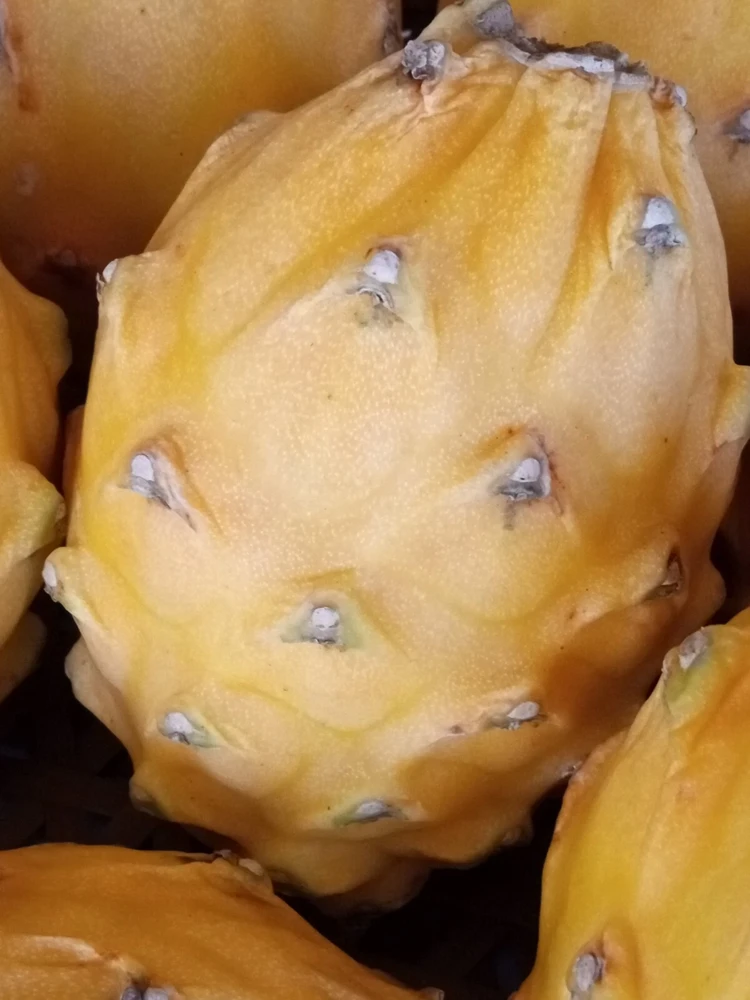
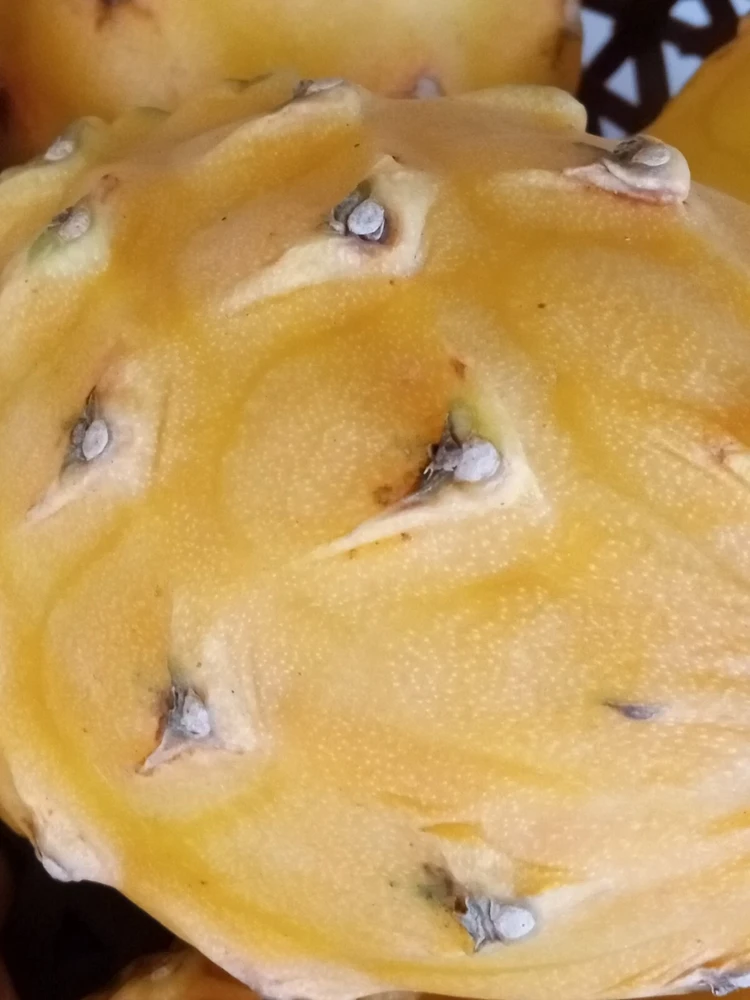
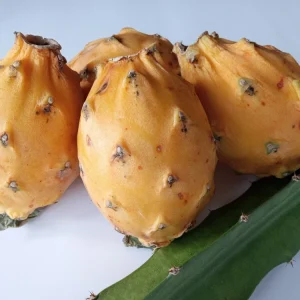
The fruit produced from these Palora yellow dragon fruit seeds is known for its distinct yellow peel and white flesh, often weighing between 0.5 to 1 pound per fruit. This variety is highly prized for its sweetness and unique flavor profile. The plants are ideal for outdoor cultivation in suitable climates, thriving in full sun and well-drained soil. They require a sturdy trellis or support structure due to their climbing growth habit. With proper care, your dragon fruit plant will provide a continuous yield of delicious fruit for many years.
Frequently Asked Questions
- Q: How big does this plant get? A: A mature Palora yellow dragon fruit vine can grow quite long, typically 10-20 feet, with proper support. Its climbing habit allows it to spread significantly, so ensure you have adequate space or a strong trellis.
- Q: What size pot does it come in? A: This product consists of 15 seeds, not a potted plant. You will need to start them in small seed-starting trays or pots and transplant them as they grow.
- Q: Is this an indoor or outdoor plant? A: While young seedlings can be started indoors, the Hylocereus Palora is primarily an outdoor plant thriving in humid subtropical climates. It needs full sun and warm temperatures to fruit successfully.
- Q: How much sunlight does it need? A: Dragon fruit plants require at least 6-8 hours of direct sunlight daily for optimal growth and fruit production. They can tolerate some partial shade, but ample sun is key for the best yield from these organic dragon fruit seeds.
- Q: Is this plant easy to care for? A: Once established in the correct climate, dragon fruit can be relatively easy to care for, especially due to its drought-resistant nature. However, it does require a strong support structure and protection from frost.
- Q: What condition will it arrive in? A: You will receive a packet containing 15 seeds. These are carefully packaged to ensure their viability upon arrival, ready for you to begin germinating.
- Q: Can I use this dragon fruit in cooking? A: Absolutely! The fruit from the Palora yellow dragon fruit is highly sought after for its sweet flavor. It’s excellent in smoothies, fruit salads, desserts, or simply eaten fresh.
- Q: How long until it blooms? A: From seed, it can take 3-5 years for a dragon fruit plant to mature and begin flowering and fruiting. Patience is key when growing these magnificent plants from edible cactus seeds.
- Q: When is the best time to plant these seeds? A: The best time to plant Palora yellow dragon fruit seeds is in spring or early summer, when temperatures are consistently warm, to give the seedlings the best start.
- Q: Will it survive winter in my zone? A: Dragon fruit plants are sensitive to cold and frost. They thrive in USDA Hardiness Zones 9-11. If you are in a colder zone, you would need to grow them in a greenhouse or bring them indoors during winter.
Be the first to review “Organic Palora Yellow Dragon Fruit Seeds – Hylocereus Pitaya Cactus – 15 Seeds”
People Also Viewed
Fruits
Florida Ember Strawberry Live Plants – Set of 2, 4-6” Tall – Fragaria x ananassa – Edible Fruit
Sold 96 products
Original price was: $39.18.$19.59Current price is: $19.59.

Succulents
Palora Yellow Dragon Fruit Cutting – Live Cacti Succulent – 1 Matured Cutting – Outdoor Edible Plant
Sold 75 products
$59.97




Flower Bulbs
Ranunculus Flower Bulbs 16 Pink Picotee Corms – Perennial Peony-like Flowers for Garden & Bouquets
Sold 71 products
Original price was: $63.96.$31.98Current price is: $31.98.





%20–%204-6″%20Tall%20Fruit%20Plant%20–%20Pollinator%20Friendly&url=https://gardennursery.net/product/sunshine-blueberry-live-plant-set-2-4-6-tall-fruit-plant-pollinator-friendly/&media=https://img.gardennursery.net/2026/01/sunshine-blueberry-live-plant-set-2-4-6-tall-fruit-d94aef9a.webp)


Reviews
There are no reviews yet.