
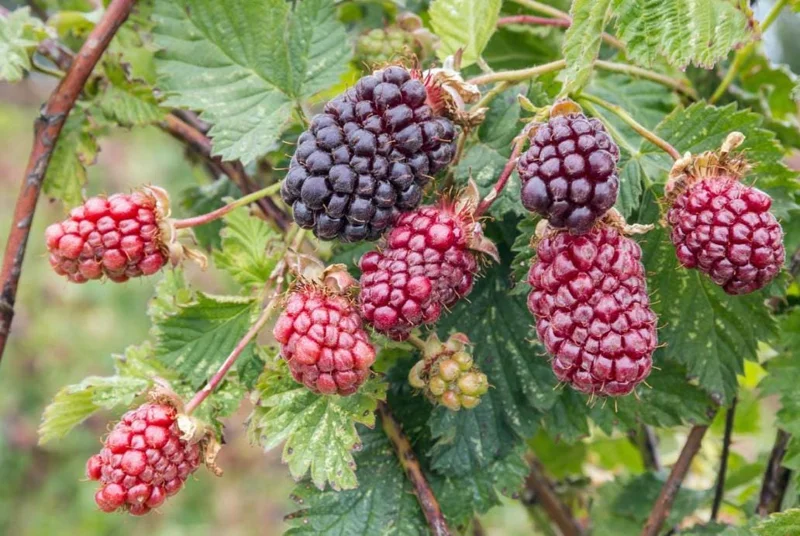
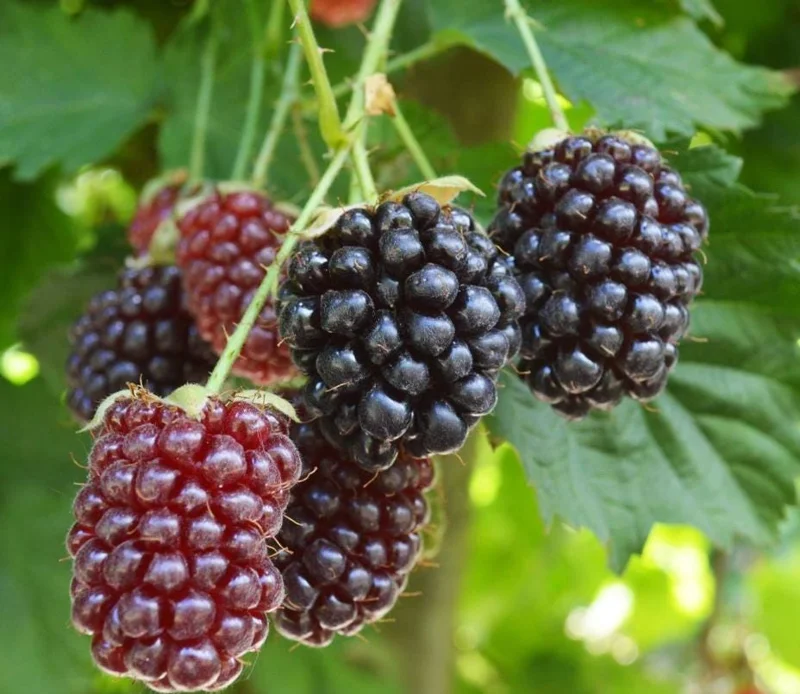
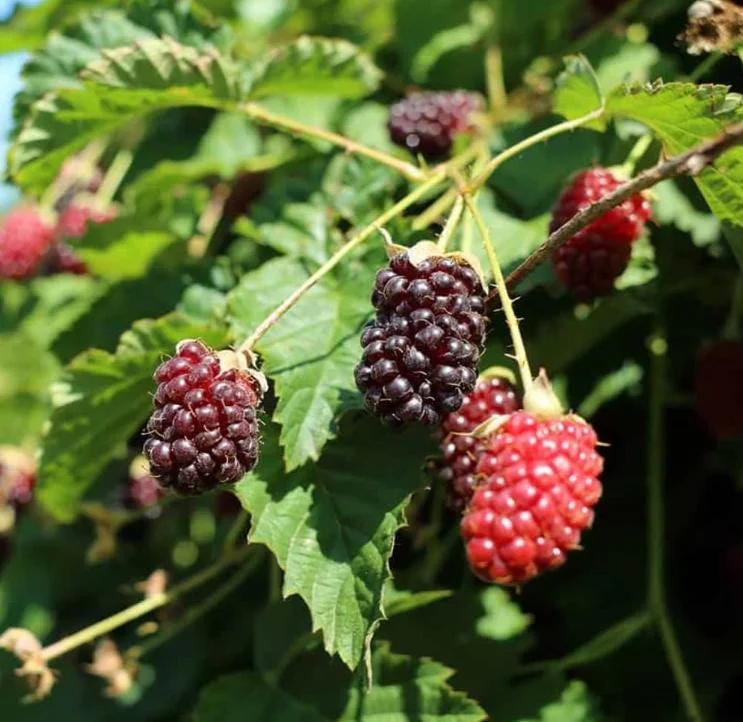
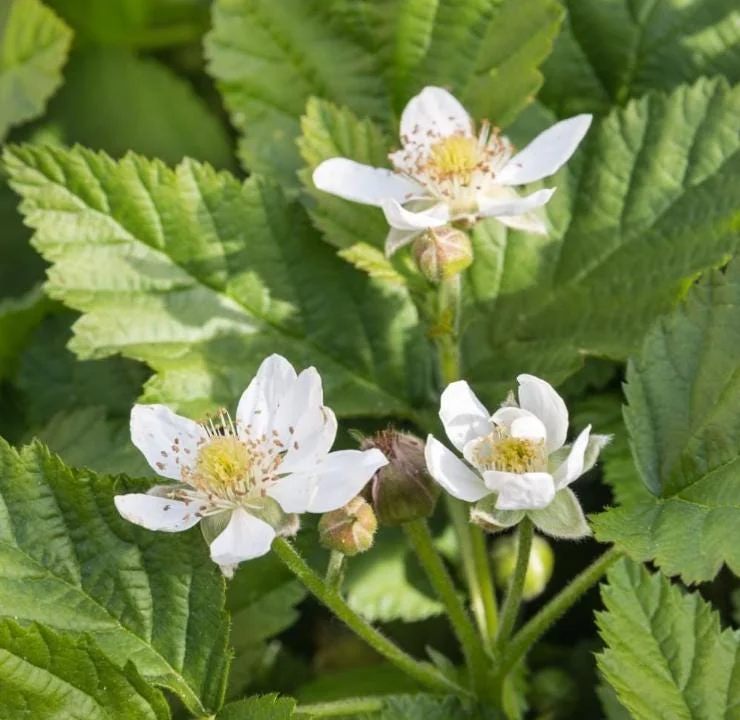
Boysenberry Live Plant – 3-6″ Tall – Rubus ursinus Hybrid – Berry Bush for Garden
Original price was: $26.39.$18.47Current price is: $18.47.
Cultivate your own sweet and tangy berries with this boysenberry live plant. Standing 3-6″ tall, this Rubus ursinus hybrid is ideal for trellises and home orchards, offering a rewarding harvest and beautiful garden addition. Perfect for those looking to start growing boysenberries at home.
-
USDA Hardiness Zone
USDA zones 5-9 -
Soil Type
Well-draining, slightly acidic (pH 6.0-6.5) -
Sunlight Exposure
Full sun (6-8+ hours direct light) -
Expected Planting Period
Early spring

You can track your order HERE
Oct 17
Oct 22 - Oct 24
Oct 27 - Oct 31
Shipping and return policies: Our Alive & Thrive Guarantee covers issues with your plants within the first 30 days. Reach out to us. Our team will answer your questions and help you find the plants that are truly suitable for your environment, climate, and personal preferences.

Overview
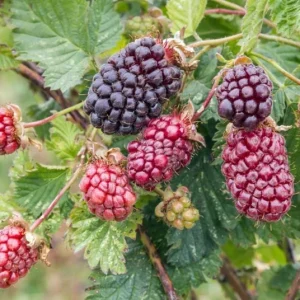
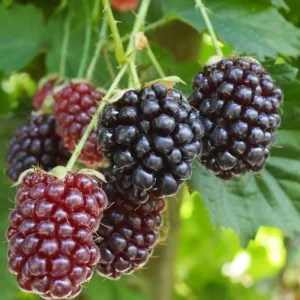
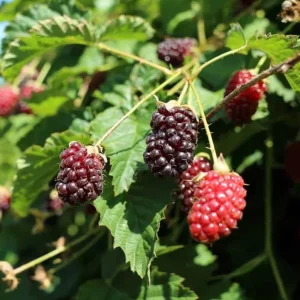
Bring the joy of fresh, homegrown berries to your garden with this vibrant boysenberry live plant. This young plant, measuring 3-6 inches tall, is a robust Rubus ursinus hybrid, carefully cultivated to thrive in various home garden settings. Boysenberries are a delicious cross between a raspberry, blackberry, and loganberry, offering a unique flavor profile that is both sweet and tart. Ideal for gardeners looking to expand their home orchard or add a productive and beautiful vine to a trellis, this plant promises a bountiful harvest of succulent fruit. Known for their deep purple color and juicy texture, boysenberries are a versatile fruit, perfect for eating fresh, making jams, pies, or adding to smoothies. Starting with a healthy boysenberry live plant ensures a strong foundation for years of delicious fruit production.
This particular boysenberry live plant is a bare-root specimen, meaning it ships without a pot, which is a common and effective method for transplanting berry bushes. This allows for easier handling and reduces shipping stress, ensuring your plant arrives ready for its new home. The Rubus ursinus hybrid lineage contributes to its vigor and adaptability, making it a rewarding choice for both novice and experienced gardeners. Prepare to enjoy the delightful experience of harvesting your own berries, ensuring freshness and flavor that store-bought fruits simply cannot match. This plant is an excellent investment for anyone passionate about sustainable living and enjoying nature’s bounty right in their backyard.
Key Benefits
Investing in a boysenberry live plant offers numerous advantages for any home gardener. From culinary delights to garden aesthetics, these plants are a fantastic addition.
- Delicious Homegrown Fruit: Enjoy the rich, unique flavor of boysenberries directly from your garden. These berries are perfect for fresh eating, baking, and preserves, offering a rewarding culinary experience that surpasses store-bought alternatives.
- Vigorous Growth: As a Rubus ursinus hybrid, this plant exhibits strong, healthy growth, establishing itself well in a suitable environment. Its robust nature makes it a reliable producer year after year, providing consistent yields.
- Attractive Garden Addition: Boysenberry vines can be trained on trellises, fences, or arbors, creating an attractive green screen or focal point in your garden. The dark green foliage and eventual ripe berries add visual appeal.
- Versatile Culinary Uses: The sweet-tart flavor of boysenberries makes them incredibly versatile. Use them in pies, tarts, jams, jellies, smoothies, or simply enjoy them fresh as a healthy snack. They are also excellent for freezing to enjoy year-round.
- Health Benefits: Boysenberries are packed with vitamins, antioxidants, and fiber, contributing to a healthy diet. Growing your own ensures you have access to nutrient-rich fruit free from unwanted pesticides.
- Rewarding Gardening Experience: Watching your boysenberry live plant grow from a small start to a prolific fruit producer is incredibly satisfying. It’s a great way to connect with nature and enjoy the fruits of your labor.
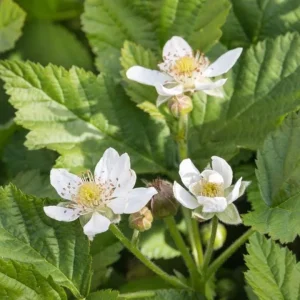
- Supports Local Ecosystem: Growing berry plants can attract pollinators like bees, contributing to a healthier local ecosystem and enhancing biodiversity in your garden.
Plant Care & Growing Tips
Proper care is essential for a thriving boysenberry live plant and a generous harvest. Boysenberries are generally resilient, but understanding their specific needs will ensure optimal growth. They prefer a location with at least 6-8 hours of direct sunlight per day. Full sun is crucial for fruit production and overall plant health. While they can tolerate some partial shade, fruit yield may be reduced. Ensure the planting site has good air circulation to prevent fungal diseases. For soil, boysenberries thrive in well-draining, slightly acidic soil with a pH between 6.0 and 6.5. Amend heavy clay soils with organic matter like compost or peat moss to improve drainage and fertility. A good soil mix is vital for the health of your boysenberry live plant.
Watering should be consistent, especially during dry spells and when the fruit is developing. Aim for about 1 inch of water per week, either from rainfall or irrigation. Avoid overwatering, as this can lead to root rot. Mulching around the base of the plant with straw or wood chips can help retain soil moisture, suppress weeds, and regulate soil temperature. Fertilize your growing boysenberries in early spring with a balanced slow-release fertilizer or an organic berry food. Pruning is important for maintaining plant vigor and maximizing fruit production. Boysenberries produce fruit on canes that grew the previous year. After fruiting, these canes should be cut back to the ground. New canes will emerge to produce fruit the following year. Support your plant with a trellis or wires to keep canes off the ground, improve air circulation, and make harvesting easier. Protect young plants from frost in colder climates by covering them or bringing them indoors if in a container. Monitoring for common pests and diseases, such as aphids or powdery mildew, and addressing them promptly with organic solutions will keep your plant healthy.
Size & Details
This offering is for one boysenberry live plant, typically measuring between 3 to 6 inches tall upon arrival. It is a bare-root plant, meaning it is shipped without a pot or soil to minimize shipping costs and transplant shock. The roots are carefully wrapped to maintain moisture during transit, ensuring the plant is ready for immediate planting upon receipt. This Rubus ursinus hybrid is a vigorous grower, and when mature, its canes can reach lengths of 8-10 feet, requiring support from a trellis or similar structure. It has a moderate growth rate, typically establishing well in its first year and beginning to produce fruit in its second year. The plant is expected to yield a generous harvest once mature, providing sweet and juicy berries for many seasons. Ensure you provide adequate space for its growth, allowing for proper air circulation and easy access for harvesting.
Frequently Asked Questions
- Q: How big will my boysenberry live plant get? A: Your plant will arrive 3-6 inches tall, but mature boysenberry canes can grow 8-10 feet long. They require support like a trellis.
- Q: Is this an indoor or outdoor plant? A: This boysenberry live plant is primarily an outdoor plant, best suited for gardens, trellises, and home orchards where it can receive full sun.
- Q: How much sunlight does a boysenberry plant need? A: Boysenberries thrive in full sun, requiring at least 6-8 hours of direct sunlight daily for optimal fruit production and plant health.
- Q: Is this plant easy to care for? A: Boysenberries are relatively easy to care for once established. Consistent watering, annual pruning, and proper support are key to successful boysenberry plant care. They are a great choice for those interested in growing boysenberries.
- Q: What condition will the plant arrive in? A: The plant will arrive as a bare-root specimen, meaning it ships without a pot, with its roots carefully wrapped to maintain moisture. This method is excellent for successful transplanting.
- Q: When is the best time to plant boysenberries? A: The ideal time to plant bare-root boysenberries is in early spring after the last frost, allowing them ample time to establish before summer.
- Q: What USDA hardiness zones are suitable for this plant? A: Boysenberries generally thrive in USDA hardiness zones 5-9. It’s important to check your specific zone for best results.
- Q: What kind of soil is best for growing boysenberries? A: Well-draining, slightly acidic soil (pH 6.0-6.5) rich in organic matter is ideal for a healthy rubus ursinus hybrid.
- Q: How long until my boysenberry live plant produces fruit? A: Boysenberries typically begin to produce fruit in their second year after planting, with increasing yields in subsequent years.
- Q: Can I grow this berry plant in a container? A: While possible, boysenberries are best suited for in-ground planting due to their extensive root systems and vining growth habit. If using a container, choose a very large one (e.g., 20-gallon) and ensure excellent drainage.
Be the first to review “Boysenberry Live Plant – 3-6″ Tall – Rubus ursinus Hybrid – Berry Bush for Garden”
People Also Viewed
HousePlants
Scindapsus Silver Exotica Live Plant – 8″ Hanging Basket – Silver Satin Pothos Indoor Plant
Sold 55 products
Original price was: $150.00.$75.00Current price is: $75.00.









&url=https://gardennursery.net/product/black-cherry-trees-live-fruit-tree-3-4-ft-tall-hardy-outdoor-2-pack/&media=https://img.gardennursery.net/2026/02/black-cherry-trees-live-fruit-tree-3-4-ft-tall-har-2cb82b43.webp)


Reviews
There are no reviews yet.