

4 inch White Spring Cactus Live Plant – Rhipsalidopsis – Potted Houseplant
Original price was: $143.80.$51.90Current price is: $51.90.
Bring elegance to your home with this beautiful white spring cactus live plant. This Rhipsalidopsis care is easy, making it perfect for beginners. Enjoy stunning white blooms from this rooted, 4 inch potted houseplant, ideal for brightening any indoor space.
-
USDA Hardiness Zone
USDA zones 10-11 (primarily indoor plant) -
Soil Type
Well-draining potting mix -
Sunlight Exposure
Bright indirect light -
Expected Planting Period
Year-round indoors

You can track your order HERE
Oct 13
Oct 18 - Oct 20
Oct 23 - Oct 27
Shipping and return policies: Our Alive & Thrive Guarantee covers issues with your plants within the first 30 days. Reach out to us. Our team will answer your questions and help you find the plants that are truly suitable for your environment, climate, and personal preferences.

Overview
Introduce a touch of floral elegance to your indoor plant collection with this exquisite white spring cactus live plant. Known botanically as Rhipsalidopsis, this charming houseplant is celebrated for its abundant, star-shaped white flowers that typically appear in spring, creating a spectacular display. Unlike desert cacti, the spring cactus is an epiphyte, meaning it grows on other plants in its native rainforest environment, thriving in humid conditions and bright, indirect light. This particular specimen comes as a newly rooted plant with multiple healthy segments, ready to flourish in your home. Its unique growth habit and vibrant blooms make it a captivating addition, offering a refreshing burst of natural beauty during the spring season. The white spring cactus live plant is a delightful choice for both seasoned plant enthusiasts and those new to gardening, promising a rewarding growing experience with its relatively easy care requirements and stunning visual appeal.
The Rhipsalidopsis genus, often referred to as the ‘Easter Cactus’ or ‘Spring Cactus,’ offers a unique charm with its flattened, segmented stems and prolific flowering. Our offering is a carefully cultivated plant, ensuring you receive a healthy specimen poised for growth. The pure white blossoms provide a striking contrast against its green foliage, making it a focal point in any room. This plant is not just a decorative item; it’s a living piece of art that brings a sense of calm and natural beauty into your living space. Enjoy the anticipation of its seasonal bloom and the year-round greenery it provides.
Key Benefits
Cultivating a white spring cactus live plant offers numerous advantages beyond its aesthetic appeal. This plant is a fantastic choice for enhancing your living environment and providing a rewarding gardening experience. Understanding the benefits will help you appreciate this unique houseplant even more.
- Stunning Seasonal Blooms: The primary benefit is the spectacular display of white, star-shaped flowers that emerge in spring. These blooms are vibrant and long-lasting, providing a beautiful focal point in your home when many other plants are still dormant.
- Low Maintenance: Compared to many flowering houseplants, the white spring cactus live plant requires relatively simple care, making it an excellent option for busy individuals or beginner plant parents. Its needs for light, water, and humidity are straightforward to meet.
- Air Purification: Like many houseplants, Rhipsalidopsis contributes to a healthier indoor environment by helping to filter airborne toxins and improve air quality, promoting a more refreshing and clean atmosphere.
- Unique Appearance: Its segmented, flattened stems and epiphytic growth habit give it a distinct and intriguing appearance, even when not in bloom. It adds unique texture and form to your plant collection.
- Compact Size: Growing to a manageable size, this spring cactus indoor plant is perfect for windowsills, desks, or shelves, fitting well into smaller spaces without becoming unruly.
- Easy Propagation: The segmented nature of the plant makes it relatively easy to propagate from cuttings, allowing you to expand your collection or share with friends and family.
- Stress Reduction: The act of caring for plants and observing their growth and bloom cycles can be a calming and stress-reducing activity, contributing to overall well-being.
Plant Care & Growing Tips
Proper Rhipsalidopsis care is essential for ensuring your white spring cactus live plant thrives and produces its beautiful spring blooms. While generally easy to care for, understanding its specific needs will help you provide the best environment. This epiphytic cactus prefers conditions that mimic its native rainforest habitat rather than a desert, so avoid treating it like a typical desert cactus.
Sunlight requirements: The white spring cactus live plant thrives in bright, indirect light. An east-facing window is often ideal, providing gentle morning sun without the harshness of direct afternoon rays. Too much direct sunlight can scorch its delicate stems, while too little light can inhibit flowering. If you notice the stems turning reddish, it’s likely getting too much sun. If the plant is leggy with sparse segments, it needs more light. Rotate the plant periodically to ensure even growth and light exposure. For optimal flowering, a period of cooler temperatures and reduced light in late fall/early winter can be beneficial to initiate bud formation.
Watering schedule and soil moisture preferences: Water thoroughly when the top inch of soil feels dry to the touch. Allow excess water to drain completely from the pot. Overwatering can lead to root rot, which is a common issue for this plant. Conversely, letting the soil dry out completely for extended periods can cause the stems to shrivel. During the growing season (spring and summer), it will require more frequent watering. Reduce watering in fall and winter when the plant is less active. High humidity is also appreciated; consider misting regularly or placing the pot on a pebble tray filled with water to increase ambient moisture around the plant. This is crucial for successful Rhipsalidopsis care.
Soil type and drainage requirements: Use a well-draining potting mix that retains some moisture but doesn’t become waterlogged. A mix formulated for cacti and succulents, amended with some peat moss or coir, works well. Alternatively, a standard potting mix blended with perlite or orchid bark in a 2:1 ratio can provide the necessary drainage and aeration. Good drainage is paramount to prevent root rot. Ensure your pot has drainage holes.
Temperature range and USDA hardiness zone: This is a tropical plant, so it prefers temperatures between 65-80°F (18-27°C) during its active growth. For bloom induction, a cooler period of 50-60°F (10-15°C) for about 6-8 weeks in late fall/early winter is often recommended. It is not frost-tolerant and should be grown indoors in most regions. It is typically suited for USDA zones 10-11 if grown outdoors in a very protected, humid environment, but it is primarily cultivated as a houseplant. Avoid sudden temperature fluctuations.
Fertilization schedule and type: Feed your white spring cactus live plant with a balanced liquid fertilizer diluted to half strength every 2-4 weeks during its active growing season (spring through summer). Reduce or cease fertilization during fall and winter when the plant is resting. An all-purpose houseplant fertilizer or one formulated for orchids can be suitable. Avoid over-fertilizing, which can harm the plant.
Common problems and solutions: The most common issues are related to improper watering. Yellowing stems or mushy segments often indicate overwatering and root rot. If this occurs, repot into fresh, dry soil after trimming away any affected roots. Shriveling stems usually mean underwatering. Pests like mealybugs or spider mites can occasionally appear; treat with insecticidal soap or neem oil. Ensure good air circulation to prevent fungal issues.
Size & Details
This offering is for a healthy white spring cactus live plant, shipped as a newly planted specimen with multiple rooted segments. It is currently growing in a 4 inch nursery pot, providing a compact and manageable size perfect for immediate display or transplanting into a decorative container. The plant’s growth rate is moderate, and with proper Rhipsalidopsis care, it will gradually expand its segmented stems, eventually trailing gracefully from its pot. While initial size may vary slightly due to natural plant growth, each plant is selected for its vigor and potential to flourish. Expect a mature plant to have trailing stems that can reach lengths of 12-24 inches, creating a beautiful cascading effect. The plant will arrive without a decorative pot to ensure safe transit, allowing you to choose the perfect vessel for its new home. It will begin to display its stunning white blooms in the spring, typically from March to May, after a suitable dormancy period.
Frequently Asked Questions
- Q: How big does this 4 inch white spring cactus live plant get? A: While it starts in a 4 inch pot, a mature white spring cactus live plant can develop trailing stems that reach lengths of 12 to 24 inches, creating a beautiful cascading effect. Its overall spread will depend on growing conditions and pot size.
- Q: Is this an indoor or outdoor plant? A: This white spring cactus live plant is primarily grown as an indoor houseplant due to its tropical origins and sensitivity to cold. It thrives in typical indoor temperatures and humidity.
- Q: How much sunlight does a spring cactus indoor plant need? A: Your spring cactus indoor plant requires bright, indirect light. Avoid direct afternoon sun, which can scorch its leaves. An east-facing window is often ideal, or a spot a few feet away from a bright south or west-facing window.
- Q: Is this plant easy to care for? A: Yes, with proper Rhipsalidopsis care, this plant is considered relatively easy to care for, making it suitable for both beginners and experienced plant enthusiasts. Its main requirements are consistent watering and bright, indirect light.
- Q: What condition will the white Rhipsalidopsis arrive in? A: Your white Rhipsalidopsis will arrive as a newly planted, rooted specimen with multiple healthy segments, ready for continued growth in your home. It will be carefully packaged to ensure safe transit.
- Q: When does the white spring cactus bloom? A: The white spring cactus live plant typically blooms in the spring, usually between March and May, after a period of dormancy and cooler temperatures in the late fall and winter.
- Q: What type of soil is best for how to grow spring cactus? A: For how to grow spring cactus successfully, use a well-draining potting mix. A blend designed for cacti and succulents, or a standard potting mix amended with perlite or orchid bark, is ideal to prevent waterlogging.
- Q: Is the white spring cactus pet-safe? A: The Rhipsalidopsis genus, including the white spring cactus live plant, is generally considered non-toxic to pets according to the ASPCA, making it a safe choice for homes with cats and dogs.
- Q: How often should I water my spring cactus? A: Water your spring cactus indoor plant when the top inch of soil feels dry to the touch. Ensure thorough watering and allow excess water to drain completely. Reduce watering frequency in fall and winter.
- Q: Can I propagate my white spring cactus? A: Yes, the white Rhipsalidopsis is quite easy to propagate from stem cuttings. Simply take a segment with at least 2-3 flattened stem sections, let it callus for a day or two, and then plant it in moist potting mix.
Be the first to review “4 inch White Spring Cactus Live Plant – Rhipsalidopsis – Potted Houseplant”
People Also Viewed
Sold 94 products
Original price was: $38.98.$22.98Current price is: $22.98.

Sold 94 products
Original price was: $15.50.$12.99Current price is: $12.99.

Sold 72 products
Original price was: $39.98.$19.99Current price is: $19.99.
Fruits
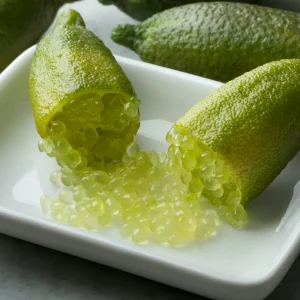
Australian Finger Lime Live Plant – Grafted – 3 Gallon Pot – 2-3 Feet Tall – Edible Citrus Tree
Sold 76 products
Original price was: $170.00.$127.50Current price is: $127.50.





Reviews
There are no reviews yet.