

Orange Spring Cactus Live Plant – Rhipsalidopsis Succulent – 4 Inch Pot – Indoor
Original price was: $143.80.$51.90Current price is: $51.90.
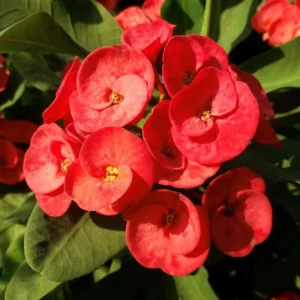
Introduce a splash of vibrant color with this stunning orange spring cactus plant. This beautiful Rhipsalidopsis succulent, shipped in a 4-inch nursery pot, offers spectacular orange floral displays typically in spring. It’s a low-maintenance indoor succulent plant, perfect for brightening any home.
-
USDA Hardiness Zone
unknown -
Soil Type
well-draining potting mix for cacti and succulents -
Sunlight Exposure
bright indirect light -
Expected Planting Period
year-round indoors

You can track your order HERE
Oct 13
Oct 18 - Oct 20
Oct 23 - Oct 27
Shipping and return policies: Our Alive & Thrive Guarantee covers issues with your plants within the first 30 days. Reach out to us. Our team will answer your questions and help you find the plants that are truly suitable for your environment, climate, and personal preferences.

Overview
Introduce a splash of vibrant color and unique charm to your indoor plant collection with the stunning orange spring cactus plant. This particular variety, a beautiful Rhipsalidopsis succulent, is celebrated for its spectacular floral displays that typically emerge in spring, hence its common name. Unlike many desert cacti, the spring cactus is an epiphytic plant, naturally found growing on trees in tropical rainforests, which gives it a distinct appearance and care requirements. Our live 4-inch potted plant arrives healthy and ready to thrive in your home, offering an exotic touch with its segmented, flattened stems and brilliant orange blossoms. Perfect for hanging baskets or bright shelves, the orange spring cactus plant is a delightful addition for both seasoned plant parents and those new to the world of succulents.
The botanical name, Rhipsalidopsis gaertneri (often reclassified as Hatiora gaertneri), signifies its close relation to the popular Christmas and Thanksgiving cacti. However, the spring cactus distinguishes itself with its unique bloom time and slightly different stem segments. This indoor succulent plant promises a captivating show, transforming your living space with its cheerful, star-shaped flowers. Its relatively compact size makes it versatile for various indoor settings, from windowsills to office desks, providing a tropical feel without demanding extensive space. Cultivating a Rhipsalidopsis succulent is a rewarding experience, as its resilience and stunning blooms bring joy year after year. Understanding proper spring cactus care ensures a long-lasting and beautiful display.
Key Benefits
The orange spring cactus plant offers numerous advantages, making it a highly desirable choice for indoor gardening. Its unique characteristics and aesthetic appeal contribute significantly to any home environment:
- Spectacular Seasonal Blooms: The most striking feature of this plant is its profusion of vibrant orange, star-shaped flowers that typically bloom in spring. These showy blossoms provide a stunning visual display, brightening up your home after the long winter months and creating a focal point in any room. This truly makes it an outstanding orange blooming cactus.
- Low Maintenance & Easy Care: As a Rhipsalidopsis succulent, this plant is remarkably forgiving and requires minimal attention once established. It’s an excellent choice for busy individuals or those new to plant care, as it tolerates occasional neglect better than many other houseplants. Its easy nature is a key part of good spring cactus care, making it an excellent indoor succulent plant option.
- Unique Growth Habit: Its segmented, flattened stems create an attractive, cascading effect, especially when grown in hanging baskets. This distinct growth pattern adds architectural interest and texture to your plant arrangements, setting it apart from more common succulents.
- Excellent Indoor Adaptability: Thriving in indoor conditions, this orange spring cactus plant is well-suited for various home environments. It prefers bright, indirect light and can adapt to typical household humidity levels, making it a versatile choice for different rooms.
- Long-Lived & Resilient: With proper care, an orange spring cactus plant can live for many years, becoming a cherished part of your indoor garden. Its robust nature ensures it can withstand minor fluctuations in care, providing enduring beauty.
- Air Purifying Qualities: Like many houseplants, the spring cactus contributes to a healthier indoor environment by helping to filter airborne toxins and improve air quality, albeit to a lesser extent than larger foliage plants.
- Compact & Versatile Size: The 4-inch pot size makes it perfect for windowsills, shelves, or as part of a succulent arrangement. Its manageable size ensures it won’t overwhelm smaller spaces but still provides significant visual impact.
Plant Care & Growing Tips
Caring for your orange spring cactus plant is relatively straightforward, especially when you understand its epiphytic nature. Provide bright, indirect light; direct harsh sunlight can scorch its delicate stems. An east or north-facing window is often ideal, or a spot a few feet away from a south or west-facing window. During the growing season (spring and summer), ensure it receives consistent, but not excessive, moisture. Allow the top inch or two of soil to dry out between waterings. In fall and winter, reduce watering significantly to encourage bud formation. This specific routine is crucial for successful spring cactus care.
The ideal soil for your Rhipsalidopsis succulent should be well-draining but also retain some moisture. A good quality potting mix formulated for cacti and succulents, with added perlite or orchid bark, works well. Aim for a slightly acidic to neutral pH. For optimal growth and blooming, fertilize sparingly during the active growing season (spring and summer) with a balanced liquid fertilizer diluted to half strength. Avoid fertilizing during its dormant period in fall and winter. This indoor succulent plant prefers temperatures between 60-75°F (15-24°C) and appreciates higher humidity than desert cacti, so occasional misting or placement near a humidifier can be beneficial, particularly in dry indoor environments. To encourage more blooms, ensure the plant experiences a cool, dry rest period in late winter (around 50-55°F or 10-13°C) for 6-8 weeks, with reduced watering. This specialized spring cactus care helps guarantee a spectacular floral display, creating a stunning orange blooming cactus.
Common issues include stem rot from overwatering, lack of blooms due to insufficient light or an improper rest period, and pest infestations like mealybugs or spider mites. Ensure good air circulation and inspect your plant regularly for any signs of distress. With proper Rhipsalidopsis succulent care, your plant will reward you with a spectacular display of orange flowers each year. Understanding how to provide optimal conditions will ensure your orange spring cactus plant thrives and continues to be a highlight of your home.
Size & Details
This orange spring cactus plant is shipped as a live, healthy specimen in a 4-inch nursery pot. At the time of arrival, its height typically ranges from 4 to 6 inches from the soil line, with a spread of 3 to 5 inches, depending on the individual plant’s growth habit. The plant is well-rooted and established, ready to be enjoyed in its current container or transplanted into a decorative pot of your choice. While the exact bloom time can vary based on growing conditions, you can generally expect the vibrant orange flowers to appear in spring, transforming your indoor succulent plant into a breathtaking display. This Rhipsalidopsis is a moderately fast grower and can develop into a larger, cascading specimen over several years with consistent spring cactus care, potentially reaching lengths of 12-18 inches.
Frequently Asked Questions
- Q: How big does this plant get? A: This orange spring cactus plant arrives in a 4-inch pot and typically measures 4-6 inches tall. With proper care, its segmented stems can cascade up to 12-18 inches over several years, creating a beautiful display.
- Q: Is this an indoor or outdoor plant? A: The Rhipsalidopsis succulent is primarily an indoor succulent plant in most climates. It can be moved outdoors to a shaded, protected area during warm summer months, but should be brought inside before temperatures drop below 50°F (10°C).
- Q: How much sunlight does it need? A: This orange spring cactus plant thrives in bright, indirect light. Avoid direct, harsh sunlight, especially during the hottest parts of the day, as it can scorch the stems. An east or north-facing window is often ideal for optimal spring cactus care.
- Q: Is this plant easy to care for? A: Yes, the orange spring cactus plant is considered relatively easy to care for, making it suitable for both beginners and experienced plant enthusiasts. Its low-maintenance nature and resilience contribute to its popularity, especially when following basic Rhipsalidopsis succulent care guidelines.
- Q: What condition will it arrive in? A: Your Rhipsalidopsis succulent will arrive as a healthy, live plant in its 4-inch nursery pot, carefully packaged to ensure its safe journey. It will be well-rooted and ready to thrive in its new home.
- Q: When is the best time for blooming? A: As a “spring cactus,” this plant typically blooms in the spring months. To encourage a profusion of flowers, ensure it receives a cool, dry rest period in late winter, which is crucial for bud formation and achieving a beautiful orange blooming cactus.
- Q: What kind of soil is best for a spring cactus? A: A well-draining potting mix is essential for this indoor succulent plant. A mix formulated for cacti and succulents, often amended with perlite or orchid bark, provides the ideal balance of drainage and moisture retention.
- Q: How often should I water my orange spring cactus? A: During the active growing season (spring and summer), water when the top 1-2 inches of soil feel dry to the touch. Reduce watering significantly in fall and winter to allow for a dormant period, which encourages better blooming.
- Q: Is this plant pet-safe? A: While generally considered non-toxic to pets, it’s always best to prevent pets from ingesting any houseplant material to avoid potential digestive upset.
- Q: Can I propagate my spring cactus? A: Yes, the orange spring cactus plant can be easily propagated from stem cuttings. Simply take a segment with at least two cladodes (flattened stem sections), let it callus for a few days, and then plant it in moist, well-draining soil.
Be the first to review “Orange Spring Cactus Live Plant – Rhipsalidopsis Succulent – 4 Inch Pot – Indoor”
People Also Viewed
Succulents
Totem Pole Cactus Live Plant – Spineless Lophocereus Schottii Monstrose – Drought Tolerant Succulent
Sold 98 products
Original price was: $183.80.$91.90Current price is: $91.90.

HousePlants
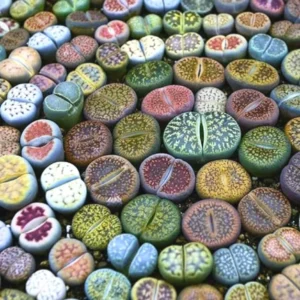
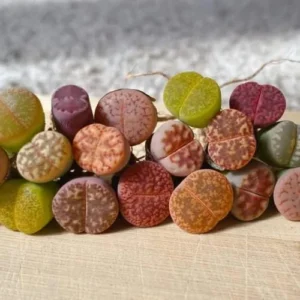
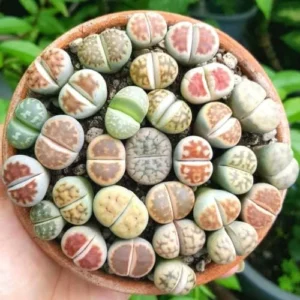
Lithops Live Plants Mix – 10 Large Colorful Living Stones Succulents for Indoor/Outdoor Growing
Sold 77 products
Original price was: $27.98.$13.99Current price is: $13.99.








Reviews
There are no reviews yet.