
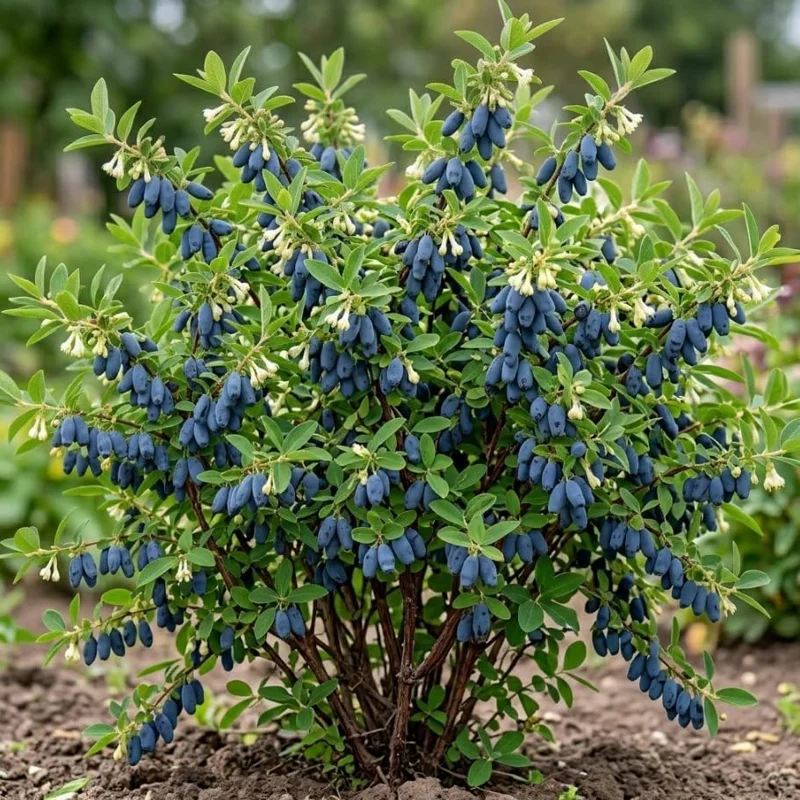
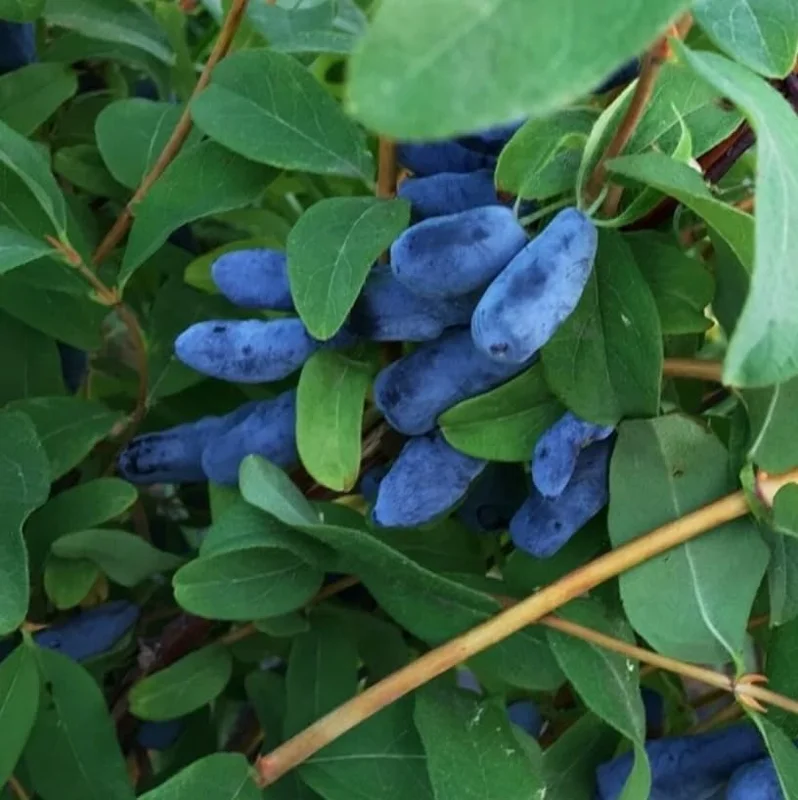
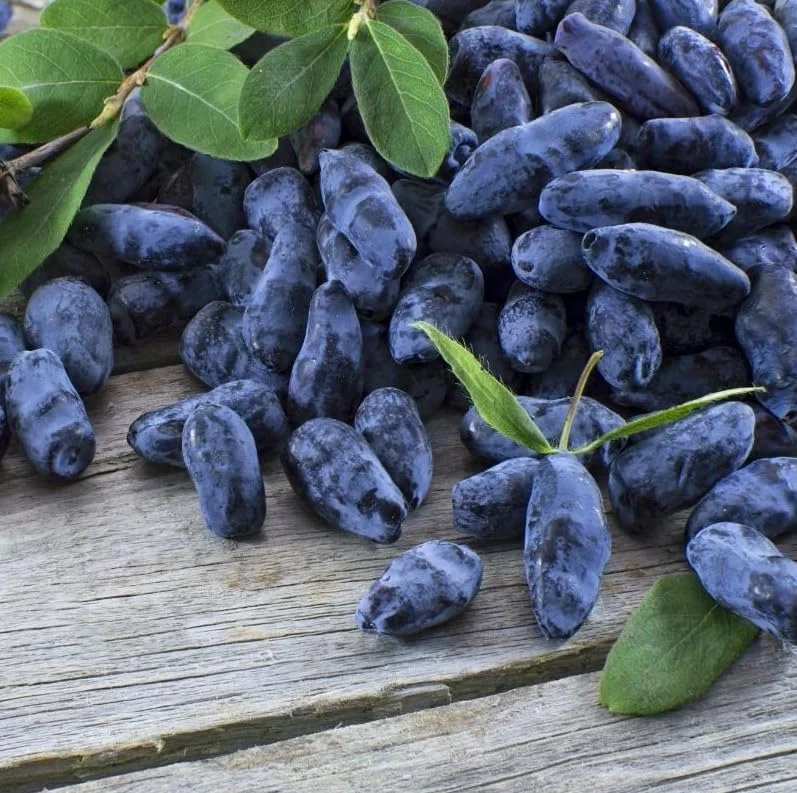
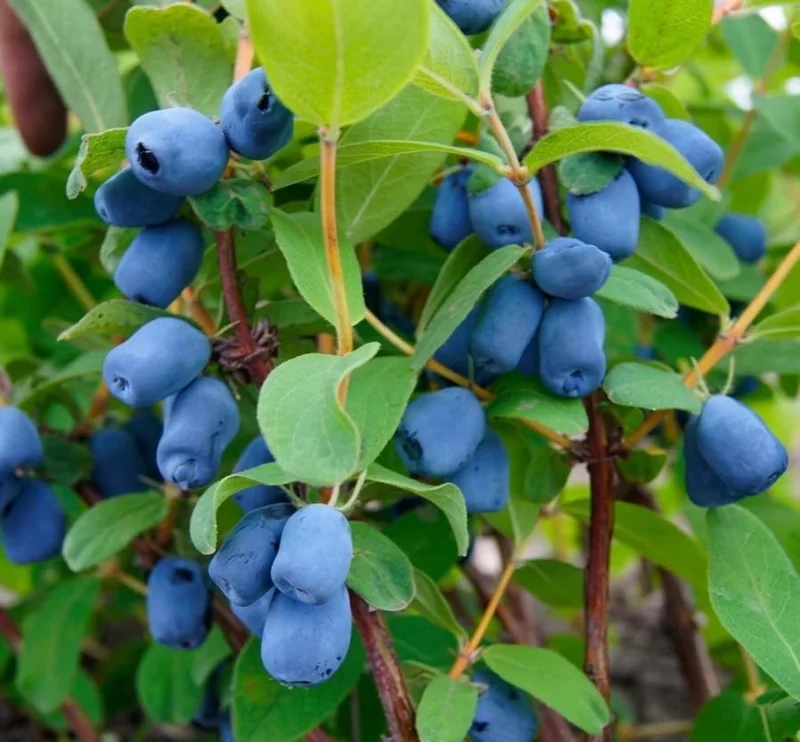
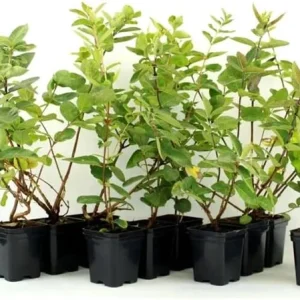
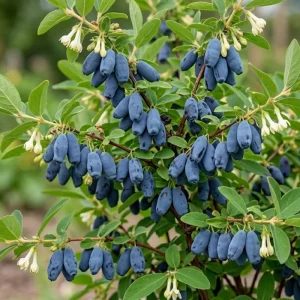
Haskap Berry Live Plant – Cold Hardy Blue Honeysuckle Bush 6-12″ Tall – USDA Zones 3-8
Original price was: $57.98.$28.99Current price is: $28.99.
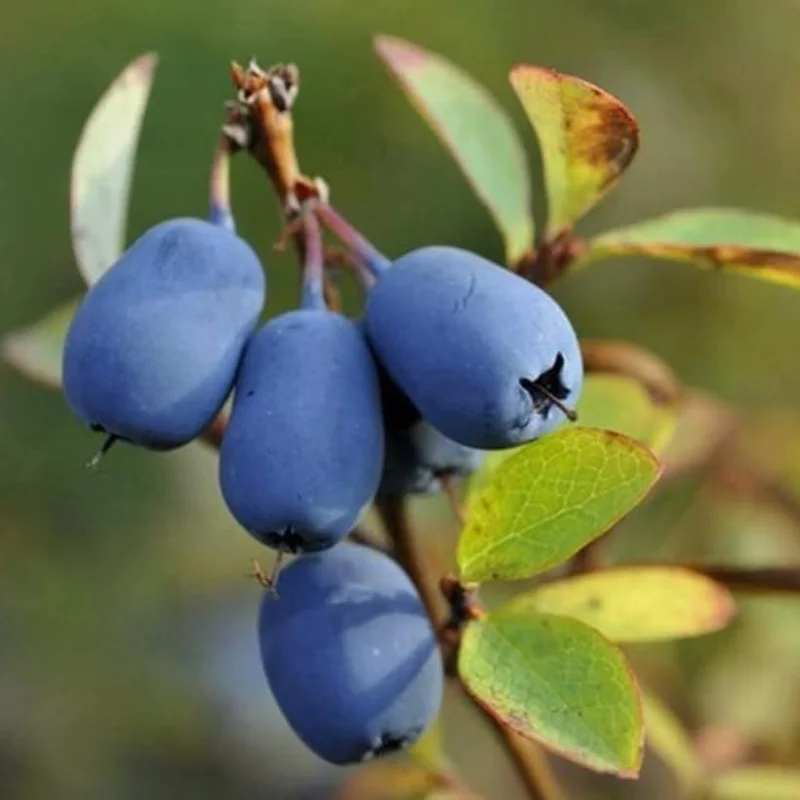
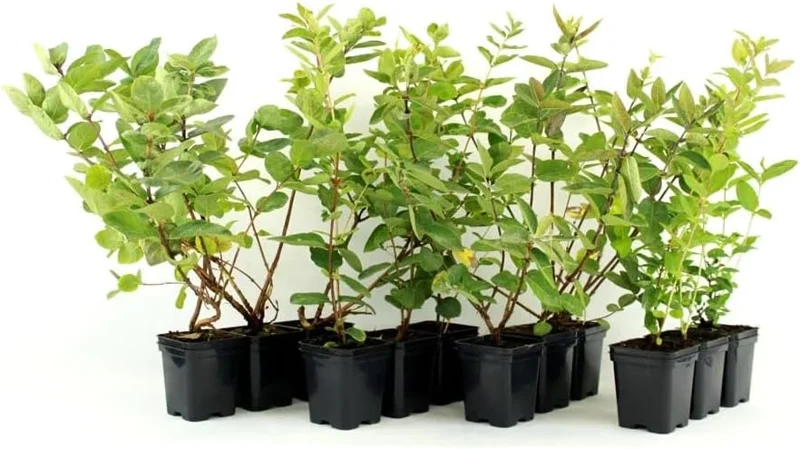
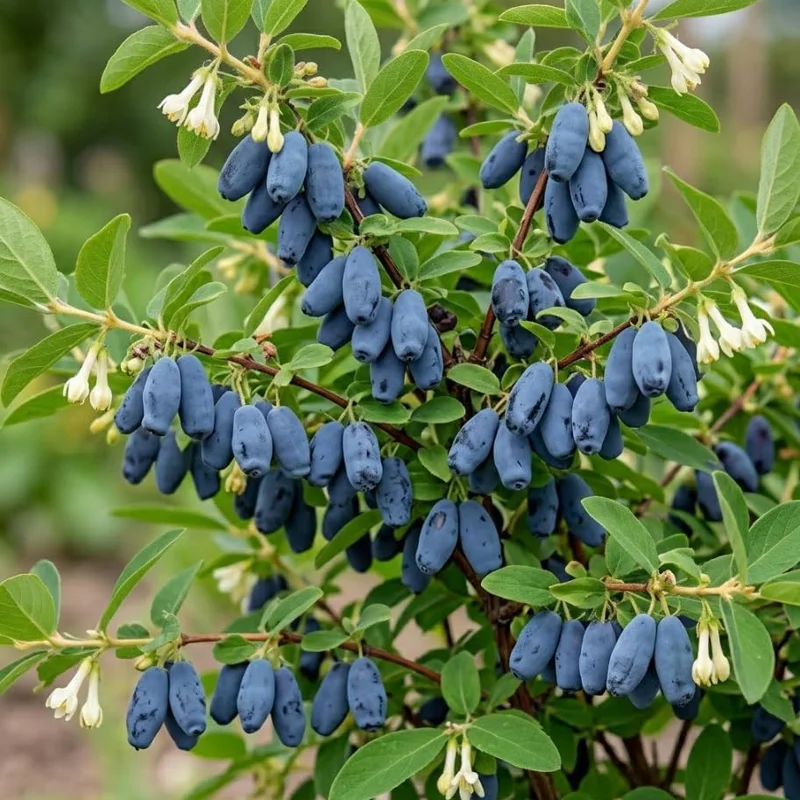
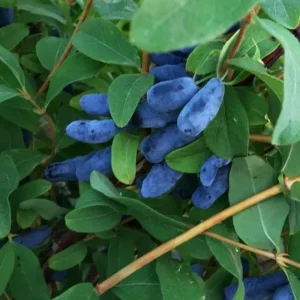
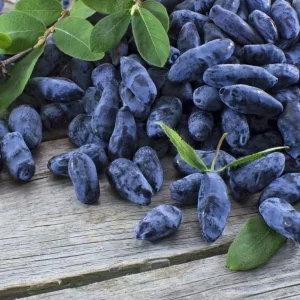
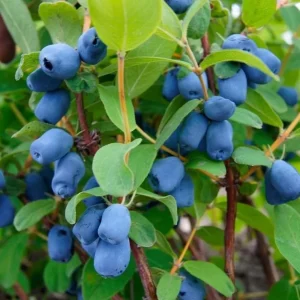
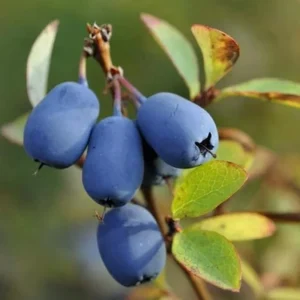
Bring the unique taste of the north to your garden with this haskap berry live plant. Also known as Blue Honeysuckle, this remarkable fruiting shrub yields delicious, elongated blue berries that taste like a cross between a blueberry and a raspberry. Shipped as a dormant seedling, 6-12 inches tall, it’s perfect for USDA Zones 3-8. Enjoy easy care and a bountiful harvest of superfood berries.
-
USDA Hardiness Zone
USDA Zones 3-8 -
Soil Type
Well-draining, slightly acidic to neutral (pH 5.0-7.0) -
Sunlight Exposure
Full sun to partial shade -
Expected Planting Period
Early spring or fall

You can track your order HERE
Sep 28
Oct 03 - Oct 05
Oct 08 - Oct 12
Shipping and return policies: Our Alive & Thrive Guarantee covers issues with your plants within the first 30 days. Reach out to us. Our team will answer your questions and help you find the plants that are truly suitable for your environment, climate, and personal preferences.

Overview
Introduce a unique and delicious fruit to your garden with this haskap berry live plant. Also known as Blue Honeysuckle or Honeyberry, this remarkable fruiting shrub is celebrated for its elongated blue berries, offering a delightful sweet-tart flavor reminiscent of a blueberry and raspberry blend. Our haskap berry live plant is a vigorous, dormant seedling, typically shipped 6-12 inches tall, ensuring it’s ready to establish itself in your landscape upon arrival. Renowned for its exceptional cold hardiness, this plant thrives across a wide range of climates, making it an excellent choice for gardeners in USDA Zones 3-8. It’s easy to grow haskap berries and highly productive, providing both ornamental beauty and a bountiful harvest of superfood berries, perfect for fresh eating, jams, pies, and healthy snacks. This resilient plant is an ideal addition to any edible landscape, offering early-season fruit often before strawberries. Discover the joy of growing your own nutrient-rich haskap berries with this robust and vigorous plant.
Key Benefits
The haskap berry live plant offers numerous advantages for the home gardener, combining ease of cultivation with a rewarding harvest of healthful fruit. Its unique characteristics make it a standout choice for diverse garden settings, allowing you to easily grow haskap berries and enjoy fresh, homegrown produce.
- Exceptional Cold Hardiness: This cold hardy berry bush is incredibly resilient, tolerating temperatures down to -40°F (-40°C). This makes it suitable for a vast array of northern climates where other berry plants might struggle, providing reliable fruit production even in harsh winters.
- Delicious & Nutritious Berries: Enjoy sweet-tart, elongated blue berries packed with antioxidants, vitamins, and minerals. Haskap berries are considered a superfood and are perfect for fresh eating, baking, preserves, juicing, or adding to smoothies.
- Early Fruiting Season: Haskap berries are among the first fruits to ripen in spring, often weeks before strawberries and blueberries. This provides an early harvest and effectively extends your berry season, giving you fresh fruit sooner.
- Easy to Grow & Low Maintenance: This blue honeysuckle bush is a robust and forgiving plant, requiring minimal care once established. It’s an excellent choice for beginners and busy gardeners looking for productive, hassle-free plants.
- Adaptable to Various Conditions: Thrives in a range of soil types, from clay to sandy, and can tolerate both full sun and partial shade. This flexibility in planting locations ensures successful growth in diverse garden environments.
- Ornamental Value: Beyond its delicious fruit, the haskap berry live plant offers attractive foliage and delicate early spring flowers, adding visual interest and beauty to your garden landscape throughout the seasons.
- Pest and Disease Resistant: Haskap plants are generally resistant to many common pests and diseases, reducing the need for chemical treatments and promoting organic gardening practices for a healthier garden.
Plant Care & Growing Tips
Caring for your haskap berry live plant is straightforward, ensuring a healthy and productive shrub for years to come. These plants are known for their resilience and adaptability, making them a great choice for various garden settings. Understanding their basic needs will help you achieve the best results with your blue honeysuckle bush and practice effective haskap plant care.
When planting your dormant haskap berry live plant, choose a location that receives full sun to partial shade. While full sun (at least 6-8 hours of direct sunlight) will promote the best fruit production, the plant can still perform well in partial shade, especially in hotter climates where some afternoon shade can be beneficial. Ensure the soil is well-draining, as haskaps do not like wet feet; prolonged standing water can lead to root rot. They are adaptable to a range of soil types, including clay soil, but prefer slightly acidic to neutral pH (5.0-7.0). Amend heavy clay soils with organic matter like compost to improve drainage and aeration before planting. Dig a hole twice as wide as the root ball and just as deep, then backfill with soil, ensuring the plant’s crown is level with the ground. Water thoroughly after planting to settle the soil around the roots.
Watering is crucial during the establishment phase and dry periods, especially when the plant is actively fruiting. Aim for consistently moist soil, but avoid overwatering. Once established, the cold hardy berry bush is relatively drought-tolerant but will benefit significantly from regular irrigation during extended dry spells to ensure optimal fruit development. Fertilize in early spring with a balanced slow-release fertilizer or an organic compost to provide essential nutrients for growth and fruit production. Pruning is generally minimal for the first few years, focusing on removing any dead, damaged, or crossing branches to maintain plant health and shape. After about 3-5 years, some renewal pruning can be done to encourage new growth and maintain an open structure, leading to better air circulation and fruit yield. Following this haskap plant care guide will help you enjoy bountiful harvests season after season.
Size & Details
This offering is for one dormant haskap berry live plant, shipped as a bare root seedling. The plant will arrive approximately 6-12 inches tall, depending on the season and its current growth stage, ready for immediate planting upon arrival. Haskap bushes are moderate growers and typically reach a mature height of about 4 feet with a similar spread, forming a dense, rounded shrub that fits well in most garden layouts. They can begin producing a small amount of fruit within 1-2 years after planting, with significant harvests usually starting in their third year.
The blue honeysuckle bush is a long-lived perennial, providing many years of delicious fruit and ornamental beauty. It is well-suited for various landscape uses, including edible hedges, mass plantings, or as a standalone specimen plant in a food forest or mixed border. Please note that haskap plants are not self-pollinating; for optimal fruit production and to successfully grow haskap berries, you will need to plant at least two different varieties. This ensures cross-pollination and a more abundant yield of berries from your cold hardy berry bush, guaranteeing a more fruitful harvest.
Frequently Asked Questions
- Q: How big does this haskap berry live plant get? A: This haskap berry live plant typically reaches a mature height of about 4 feet with a similar spread, forming a compact and productive shrub suitable for most garden spaces and providing an excellent yield of berries.
- Q: What condition will the plant arrive in? A: Your haskap berry live plant will be shipped as a dormant, bare root seedling, approximately 6-12 inches tall, without a pot. This is the ideal state for planting and establishment, allowing the roots to adapt quickly to their new environment.
- Q: Is this an indoor or outdoor plant? A: The haskap berry live plant is an outdoor fruiting shrub, specifically bred for its cold hardiness and ability to thrive in garden settings in USDA Zones 3-8, making it perfect for temperate climates.
- Q: How much sunlight does the blue honeysuckle bush need? A: For optimal fruit production, your blue honeysuckle bush requires full sun (6-8 hours of direct sunlight daily), but it can also tolerate partial shade, especially in hotter climates where some afternoon protection is beneficial.
- Q: Is this plant easy to care for? A: Yes, the cold hardy berry bush is known for being an easy-to-grow and low-maintenance fruiting shrub, making it suitable for gardeners of all experience levels to manage their haskap plant care with minimal effort.
- Q: How long until it produces fruit? A: Haskap plants can start producing a small amount of fruit in their first year, with more significant harvests typically beginning in the second to third year after planting, rewarding your patience with delicious berries.
- Q: Will it survive winter in my zone? A: Absolutely! This haskap berry live plant is extremely cold hardy and thrives in USDA Zones 3-8, easily surviving harsh winters and bouncing back each spring to produce fruit.
- Q: What kind of soil does it prefer? A: While adaptable to many soil types, the haskap prefers well-draining soil with a slightly acidic to neutral pH (5.0-7.0). Clay soil is acceptable if drainage is adequate, but avoid perpetually waterlogged conditions.
- Q: Do I need more than one haskap plant for fruit? A: Yes, haskap plants are not self-pollinating. For successful fruit production and to grow haskap berries, you will need to plant at least two different varieties of haskap berry live plant to ensure cross-pollination.
- Q: What is the best time to plant this haskap plant? A: The best time to plant dormant bare root haskap plants is in early spring, after the last hard frost, or in the fall before the ground freezes, allowing the plant to establish its root system.
Be the first to review “Haskap Berry Live Plant – Cold Hardy Blue Honeysuckle Bush 6-12″ Tall – USDA Zones 3-8”
People Also Viewed
Trees
Sold 55 products
Original price was: $43.20.$21.60Current price is: $21.60.
Shrubs
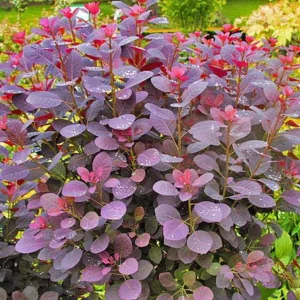
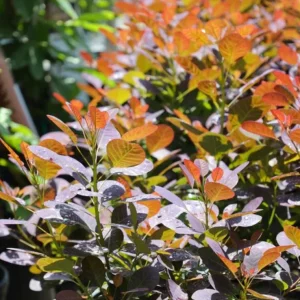
Purple Smoke Tree Live Plant – Cotinus coggygria – 12-18″ Tall Seedling – Quart Pot – Outdoor Shrub
Sold 50 products
Original price was: $45.98.$32.18Current price is: $32.18.






Reviews
There are no reviews yet.