
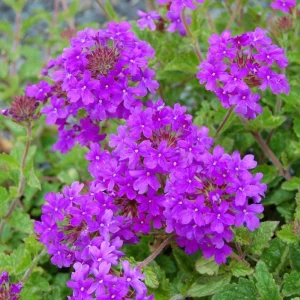
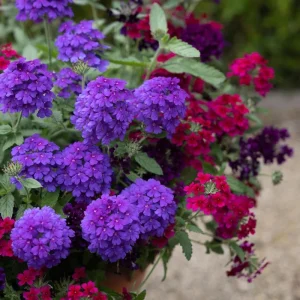
Purple Perennial Verbena Live Plant – Homestead Canadensis – 4 Inch Tall
Original price was: $19.78.$12.99Current price is: $12.99.
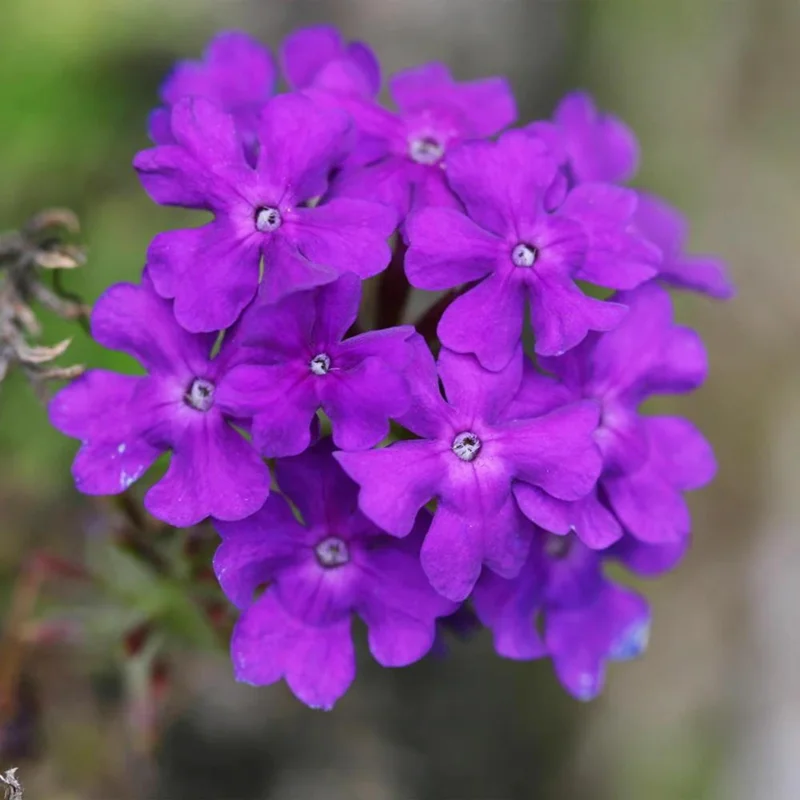
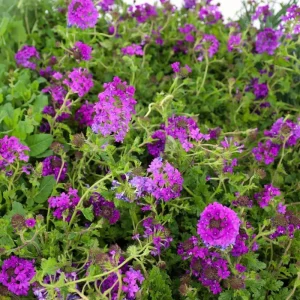
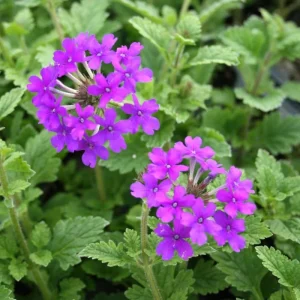
Enhance your garden with a stunning purple perennial verbena. This Homestead purple verbena live plant, approximately 4 inches tall, provides a continuous display of vibrant purple blooms from spring to frost. It’s a low-maintenance, drought-tolerant choice perfect for ground cover, borders, or containers.
-
USDA Hardiness Zone
7-10 -
Soil Type
Well-draining soil -
Sunlight Exposure
Full sun -
Expected Planting Period
Spring to early summer

You can track your order HERE
Oct 24
Oct 29 - Oct 31
Nov 03 - Nov 07
Shipping and return policies: Our Alive & Thrive Guarantee covers issues with your plants within the first 30 days. Reach out to us. Our team will answer your questions and help you find the plants that are truly suitable for your environment, climate, and personal preferences.

Overview
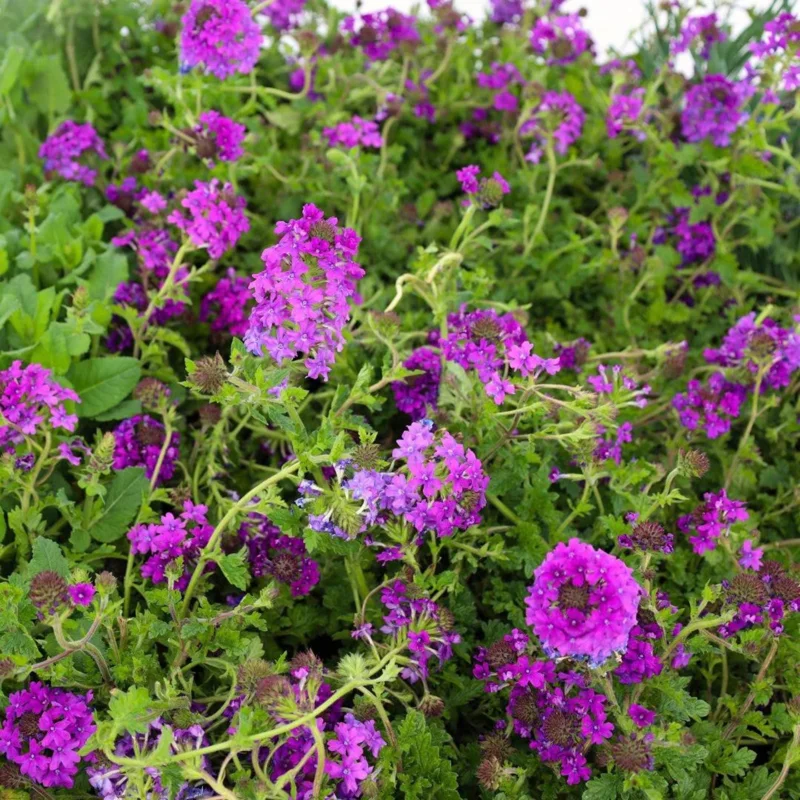
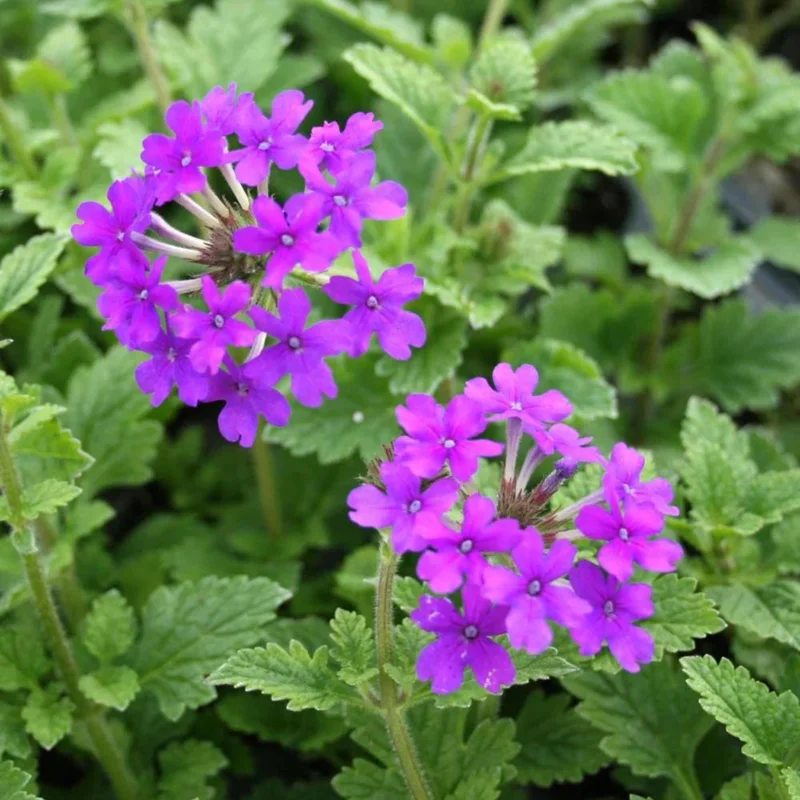
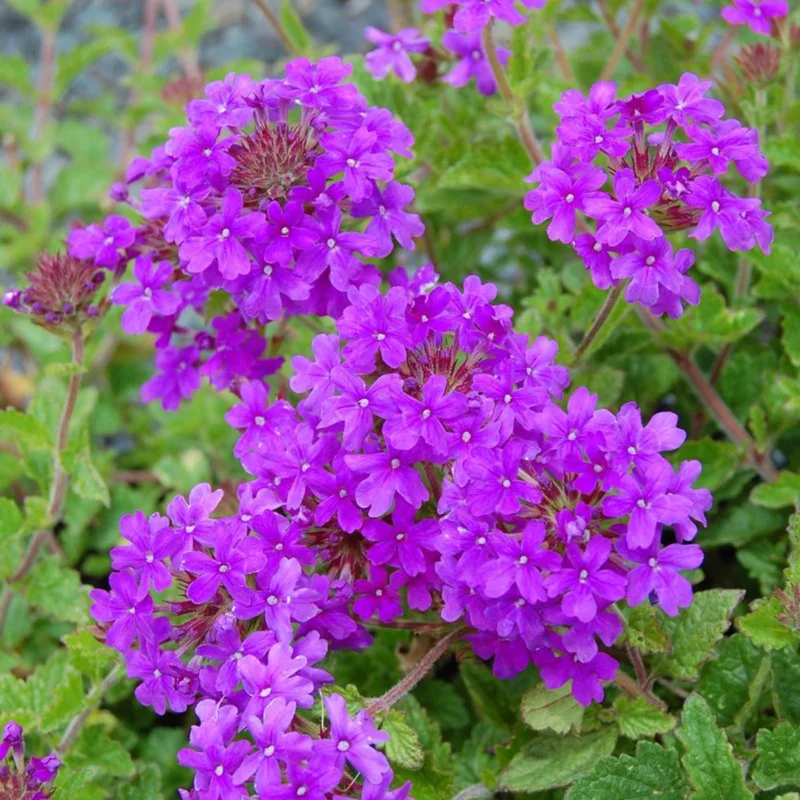
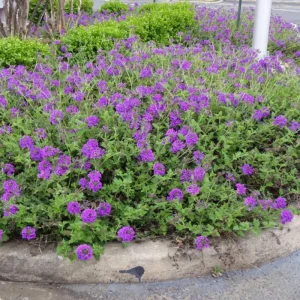
Introduce a splash of enduring color to your landscape with the beautiful purple perennial verbena. This vigorous and free-flowering plant, known botanically as Verbena canadensis ‘Homestead Purple’, is a true garden gem, offering a continuous display of rich purple blooms from late spring until the first hard frost. Originating from North America, this particular cultivar, often referred to as Homestead purple verbena, is celebrated for its exceptional heat tolerance, drought resistance, and robust growth habit. It forms a dense, sprawling mat of foliage adorned with clusters of vivid purple flowers, making it an ideal choice for ground cover, rock gardens, containers, or cascading over retaining walls. Unlike some annual verbenas, this perennial variety returns year after year, providing reliable beauty with minimal effort.
This offering is for one healthy verbena canadensis live plant, approximately 4 inches tall, ready to be transplanted into your garden. Its spreading nature quickly fills out spaces, creating a lush carpet of green and purple. Gardeners seeking vibrant, long-lasting color and easy care will find this plant to be an invaluable addition. Its adaptability to various conditions makes it a versatile choice for many garden styles.
Key Benefits
The purple perennial verbena offers numerous advantages for both novice and experienced gardeners, making it a popular and rewarding choice:
- Extended Bloom Season: Enjoy a nearly non-stop show of beautiful purple flowers from spring through fall, providing consistent color when many other plants have faded. This extended bloom period ensures your garden remains vibrant for months.
- Exceptional Drought Tolerance: Once established, this Homestead purple verbena is highly resistant to dry conditions, requiring less frequent watering than many other flowering plants. This makes it a sustainable choice for water-wise gardening.
- Low Maintenance: This plant is incredibly easy to care for, thriving with minimal intervention. It doesn’t require deadheading to continue blooming, simplifying your gardening tasks significantly.
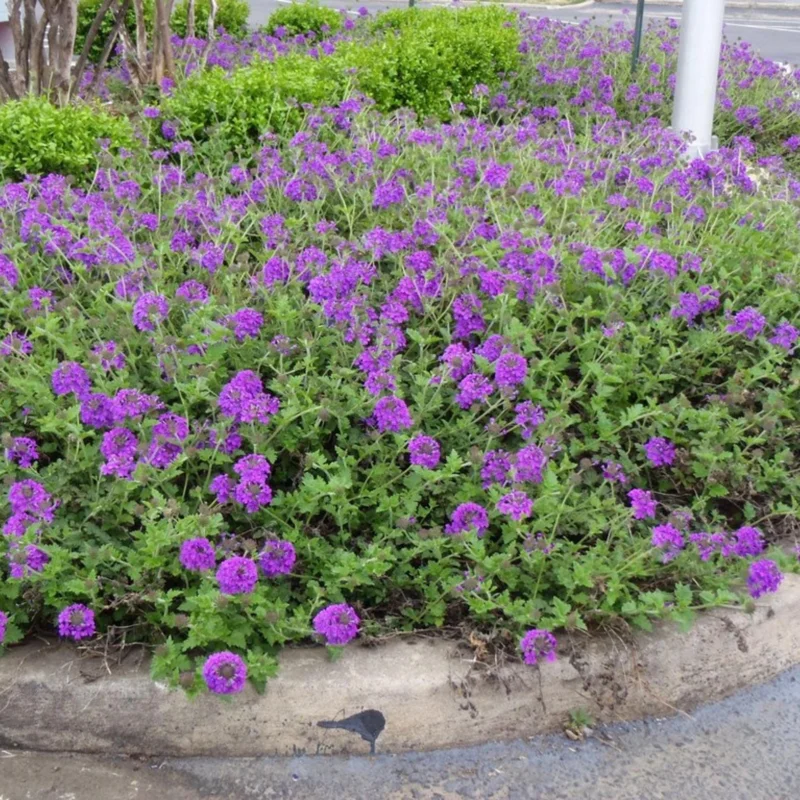
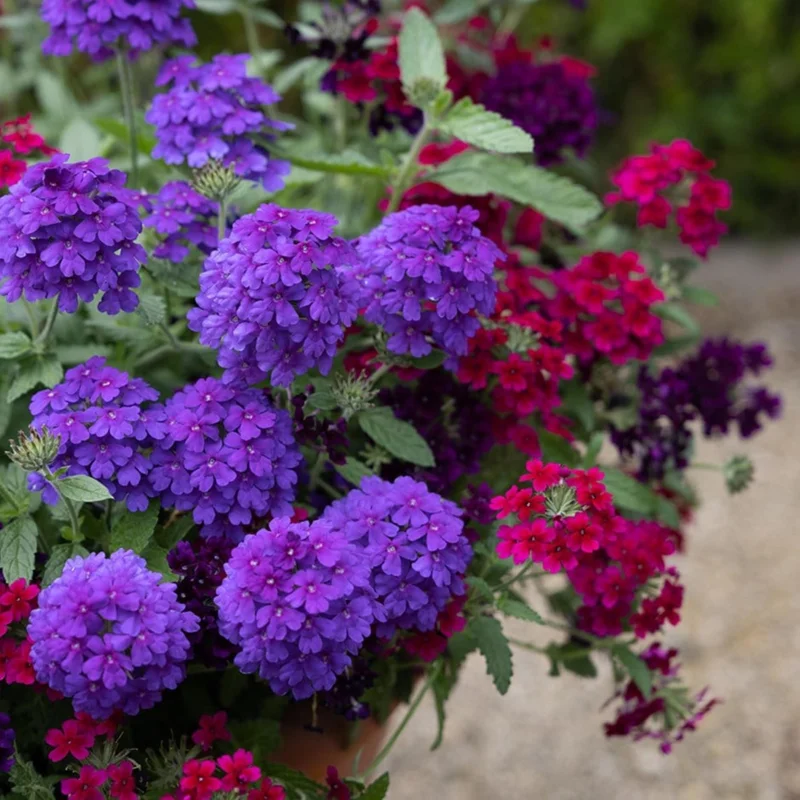
- Versatile Landscape Use: Its vigorous, spreading habit makes it an excellent ground cover, border plant, or a stunning addition to hanging baskets and containers. It can also cascade beautifully over walls, adding vertical interest. The low maintenance verbena adapts to many garden settings.
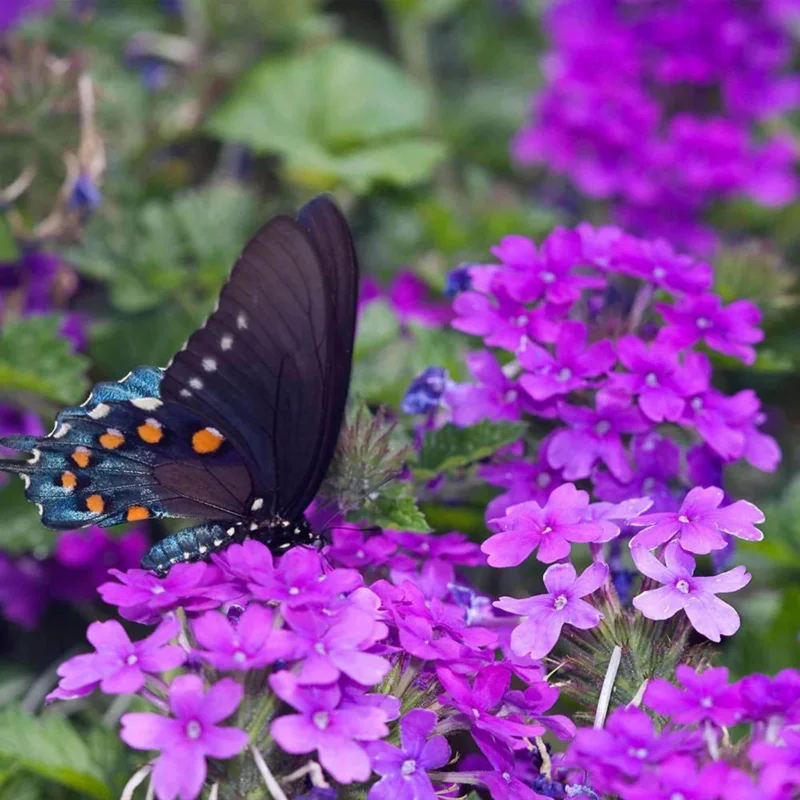
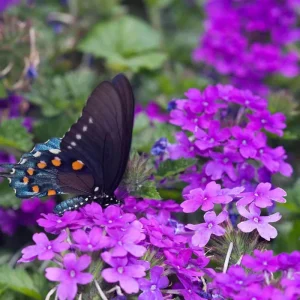
- Attracts Pollinators: The abundant purple blooms are a magnet for butterflies, bees, and other beneficial pollinators, helping to support local ecosystems and bring life to your garden.
- Deer Resistant: Generally, deer tend to leave purple perennial verbena alone, making it a good choice for gardens in areas where deer browsing is a concern.
- Heat Tolerant: This variety performs exceptionally well in hot summer climates, maintaining its vigor and bloom production even during intense heat waves, ensuring continuous displays of perennial purple flowers.
Plant Care & Growing Tips
Caring for your purple perennial verbena is straightforward, ensuring a bountiful display of color with minimal effort. This resilient plant thrives in conditions that might challenge other flowering varieties. For optimal growth and flowering, select a site that receives full sun, meaning at least six hours of direct sunlight per day. While it can tolerate some partial shade, especially in hotter climates, too much shade will reduce the number of blooms and may lead to leggy growth. The ideal temperature range for this plant is between 60-85°F (15-29°C), and it is hardy in USDA zones 7-10, though it can often be grown as an annual in colder zones or overwintered indoors in containers.
When it comes to watering, the Homestead purple verbena prefers consistently moist soil when first planted. Once established, it is remarkably drought-tolerant and prefers drier conditions. Water deeply but infrequently, allowing the top few inches of soil to dry out completely between waterings. Overwatering can lead to root rot, so ensure good drainage. For soil, a well-draining, average garden soil is perfectly suitable. It can tolerate a range of soil types, from sandy to clay, as long as drainage is adequate. Incorporating some organic matter into heavy clay soils can improve drainage and aeration, benefiting your verbena canadensis live plant.
Fertilization is not typically required for this vigorous grower, especially if planted in fertile soil. If your soil is poor or you notice a lack of vigor, a balanced, slow-release granular fertilizer applied in spring can encourage more blooms. Avoid excessive nitrogen, which can promote foliage growth at the expense of flowers. Pests and diseases are rarely an issue for this robust plant. Occasionally, powdery mildew can occur in humid conditions or if air circulation is poor; ensure adequate spacing between plants to prevent this. Deadheading, or removing spent flowers, is not necessary to encourage continuous blooming, as purple perennial verbena is self-cleaning, producing new flowers readily. However, a light trim or ‘shearing’ mid-season can rejuvenate the plant and promote a fresh flush of blooms, contributing to a vibrant display of perennial purple flowers.
Size & Details
You will receive one healthy purple perennial verbena live plant, approximately 4 inches tall from the top of the soil to the tip of the foliage. It is grown in a nursery pot, ensuring a well-established root system ready for transplanting. This particular variety, Verbena canadensis ‘Homestead Purple’, is known for its vigorous, low-growing, and spreading habit. It typically grows to a height of 6-12 inches (15-30 cm) with a spread of 2-3 feet (60-90 cm) in a single growing season, making it an excellent choice for quickly covering ground or filling containers. The plant will arrive with foliage and potentially some initial blooms, depending on the season, ready to continue its growth in your garden. Expect continuous blooming from late spring through fall, providing a long season of enjoyment. This low maintenance verbena quickly establishes itself and begins to flourish.
Frequently Asked Questions
- Q: How big does this plant get? A: This purple perennial verbena typically grows to a height of 6-12 inches and can spread 2-3 feet wide, forming a beautiful ground cover or cascading plant. Its vigorous growth habit allows it to quickly fill in spaces.
- Q: What size pot does it come in? A: The plant comes in a standard nursery pot, usually a 4-inch container, providing a healthy root ball for successful transplanting into your garden or a larger container.
- Q: Is this an indoor or outdoor plant? A: Homestead purple verbena is primarily an outdoor plant, thriving in full sun. While it can be brought indoors as an annual in colder climates, it performs best in an outdoor garden setting.
- Q: How much sunlight does it need? A: This plant requires full sun, meaning at least 6 hours of direct sunlight per day, to produce the most abundant blooms. It can tolerate some light afternoon shade in very hot regions.
- Q: Is this plant easy to care for? A: Yes, purple perennial verbena is renowned for being very easy to care for. It’s drought-tolerant, requires minimal fertilization, and doesn’t need deadheading, making it a great choice for beginners and busy gardeners.
- Q: What condition will it arrive in? A: Your verbena canadensis live plant will arrive as a healthy, actively growing plant with an established root system, carefully packaged to ensure safe transit. It may have some foliage and potentially a few early blooms.
- Q: Is it shipped in soil? A: Yes, the plant is shipped in its nursery pot with soil, ensuring its roots remain moist and protected during transit, ready for immediate planting upon arrival.
- Q: How long until it blooms? A: This perennial purple flowers variety typically blooms from late spring through fall. If planted in spring, you can expect blooms to appear shortly after establishment and continue throughout the growing season.
- Q: When is the best time to plant? A: The best time to plant purple perennial verbena is in spring after the danger of the last frost has passed, or in early fall in warmer climates, allowing it time to establish before winter.
- Q: Will it survive winter in my zone? A: This perennial is hardy in USDA Zones 7-10. In zones colder than 7, it is typically grown as an annual or can be overwintered indoors in a container in a bright location.
Be the first to review “Purple Perennial Verbena Live Plant – Homestead Canadensis – 4 Inch Tall”
People Also Viewed


Sold 65 products
Original price was: $91.98.$45.99Current price is: $45.99.
Sold 52 products
Original price was: $38.98.$22.98Current price is: $22.98.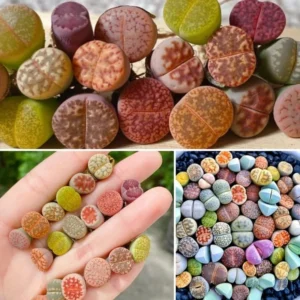
HousePlants
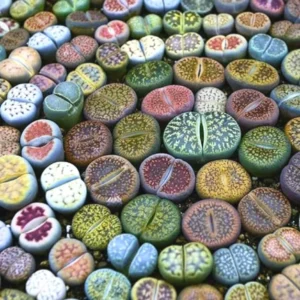
Lithops Live Plants Mix – 10 Large Colorful Living Stones Succulents for Indoor/Outdoor Growing
Sold 53 products
Original price was: $27.98.$13.99Current price is: $13.99.








Reviews
There are no reviews yet.