
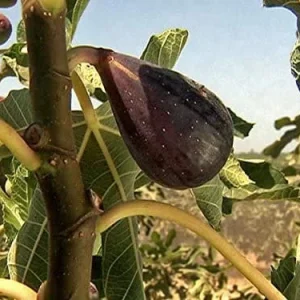
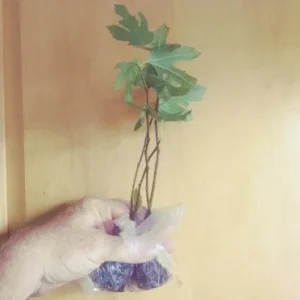
Black Mission Fig Tree Live Plant – Ficus Carica – 2-5 inches Tall – Fruit Tree
$31.98
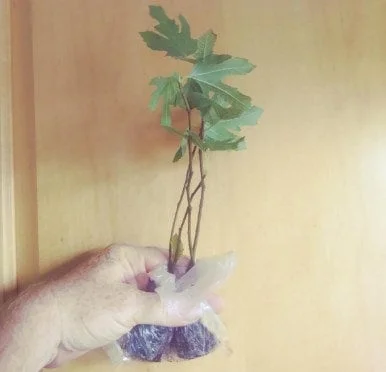
Bring home the delightful black mission fig tree, a self-fertile ficus carica live plant renowned for its sweet, dark-skinned fruit. This starter plant, typically 2-5 inches tall, is ideal for both in-ground planting in USDA Zones 7-10 or growing as a fig tree for containers. Enjoy bountiful harvests of delicious figs for fresh eating, drying, or preserves.
-
USDA Hardiness Zone
USDA Zones 7-10 -
Soil Type
Well-draining soil with pH 6.0-6.5 -
Sunlight Exposure
Full sun (6-8 hours direct sunlight daily) -
Expected Planting Period
Spring to early summer

You can track your order HERE
Oct 09
Oct 14 - Oct 16
Oct 19 - Oct 23
Shipping and return policies: Our Alive & Thrive Guarantee covers issues with your plants within the first 30 days. Reach out to us. Our team will answer your questions and help you find the plants that are truly suitable for your environment, climate, and personal preferences.

Overview
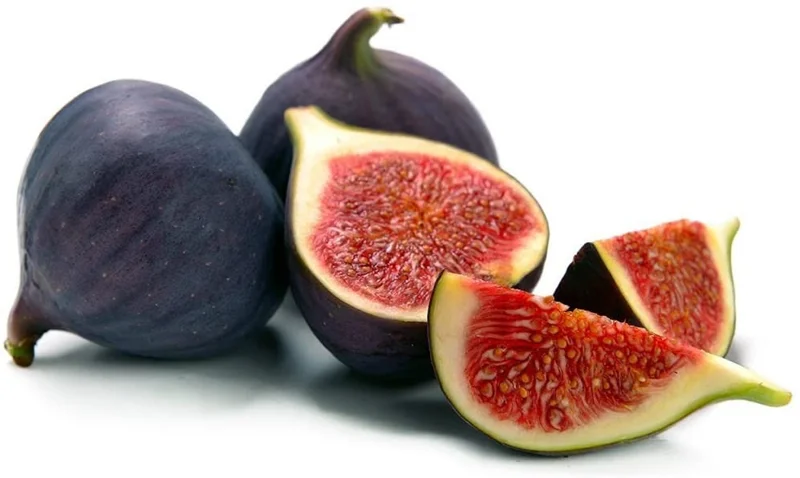
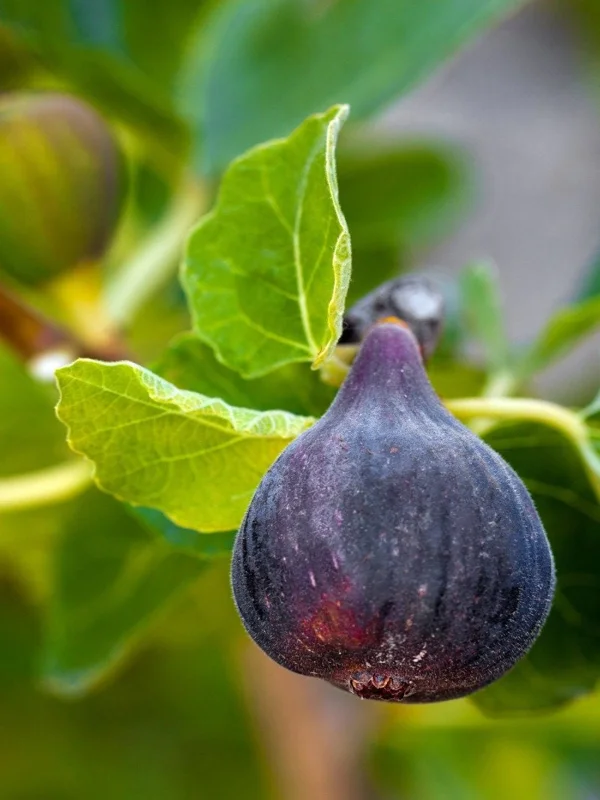
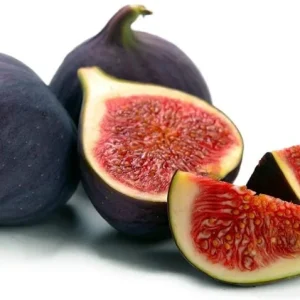
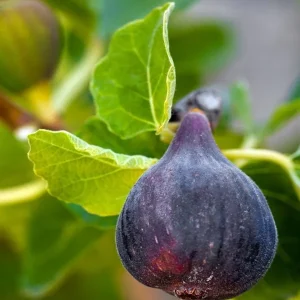
Bring the joy of home-grown fruit to your garden with the black mission fig tree. This classic, self-fertile ficus carica live plant is renowned for its delicious, sweet, and dark-skinned figs, which are black both inside and out. Originating from California, the ‘Black Mission’ fig is a highly sought-after variety due to its rich flavor and adaptability. These starter plants are typically 2-5 inches tall upon arrival, ready to establish and grow into productive fruit-bearing specimens. Ideal for both seasoned gardeners and enthusiastic beginners, the black mission fig tree thrives in suitable conditions, offering the unique satisfaction of harvesting your own succulent fruit. It’s an excellent choice for those looking to cultivate edible plants with a touch of Mediterranean charm. The ‘Black Mission’ fig is celebrated for its vigorous growth and ability to bear fruit at a young age, making it a rewarding addition to any edible landscape or fig tree for containers. Its resilience and dual-cropping potential in warmer regions further enhance its appeal. Whether you’re planning to enjoy the figs fresh off the tree, dry them for snacks, or preserve them, this black mission fig tree promises a bountiful harvest. Learn how to grow mission figs successfully with our detailed care guide.
Key Benefits
The black mission fig tree offers numerous advantages, making it a favorite among fruit tree enthusiasts. Its ease of care and delicious yield are just a few reasons to cultivate this remarkable plant.
- Prolific Fruit Production: This black mission fig tree is known for producing abundant, high-quality figs. In optimal conditions, it can even yield two distinct crops per year, providing a long season of fresh fruit.
- Exceptional Flavor: The ‘Black Mission’ fig boasts a rich, sweet flavor with a deep, jammy interior, making it superb for fresh eating, drying, or preserves.
- Self-Fertile: Unlike some fruit trees, the ficus carica live plant does not require a cross-pollinator, simplifying the growing process and ensuring fruit set even with a single tree.
- Container Friendly: Figs are well-suited for container gardening, especially the black mission fig tree, allowing even those with limited space to enjoy home-grown fruit. It can thrive as a fig tree for containers for several years before needing to be planted in the ground.
- Adaptable & Resilient: This variety is quite adaptable to various conditions and is known for its hardiness within its recommended USDA zones, making it a reliable choice for many gardeners.
- Ornamental Value: Beyond its fruit, the fig tree features attractive, lobed leaves and a unique growth habit, adding an aesthetic appeal to your garden or patio.
- Versatile Harvest: The figs can be enjoyed fresh, dried, or used in a variety of culinary applications, from desserts to savory dishes, offering culinary flexibility.
Plant Care & Growing Tips
To ensure your black mission fig tree thrives and produces abundant fruit, understanding its specific care requirements is essential. This ficus carica live plant prefers a warm climate and specific light and soil conditions.
Sunlight: Fig trees, including the ‘Black Mission’, require full sun to produce the best fruit. Aim for at least 6-8 hours of direct sunlight per day. In very hot climates, some afternoon shade can be beneficial to prevent scorching, but generally, more sun equals more fruit. If growing in a container, position it in the sunniest spot on your patio or balcony.
Watering: Consistent watering is crucial, especially during the fruiting season. Keep the soil consistently moist but not waterlogged. Water deeply when the top 1-2 inches of soil feel dry to the touch. Reduce watering in cooler months or when the tree is dormant. Proper drainage is key to prevent root rot, a common issue for fig trees.
Soil: Figs prefer well-draining soil with a pH between 6.0 and 6.5. A good quality potting mix enriched with compost works well for container-grown plants. For in-ground planting, amend heavy clay soils with organic matter to improve drainage. While adaptable, figs do not tolerate constantly wet feet. Providing the right soil will help your mission fig tree care routine.
Temperature & Hardiness: The black mission fig tree is hardy in USDA Zones 7-10. In colder zones (7-8), protection may be needed during winter, or it can be grown in containers and moved indoors. Figs can tolerate light frosts but prolonged freezing temperatures can damage the plant. They thrive in warm, long growing seasons, which allows for the potential of a second crop.
Fertilization: Fertilize your fig tree in early spring before new growth begins and again in mid-summer, especially if you want to grow mission figs for a second crop. Use a balanced fertilizer (e.g., 8-8-8 or 10-10-10) or one formulated for fruit trees. Avoid over-fertilizing, which can lead to excessive foliage growth at the expense of fruit production.
Pruning: Prune your fig tree in late winter or early spring while it is dormant. Remove any dead, damaged, or crossing branches. Pruning also helps maintain an open canopy for better air circulation and sunlight penetration, which promotes fruit development. For container plants, regular pruning can help manage size and shape.
Size & Details
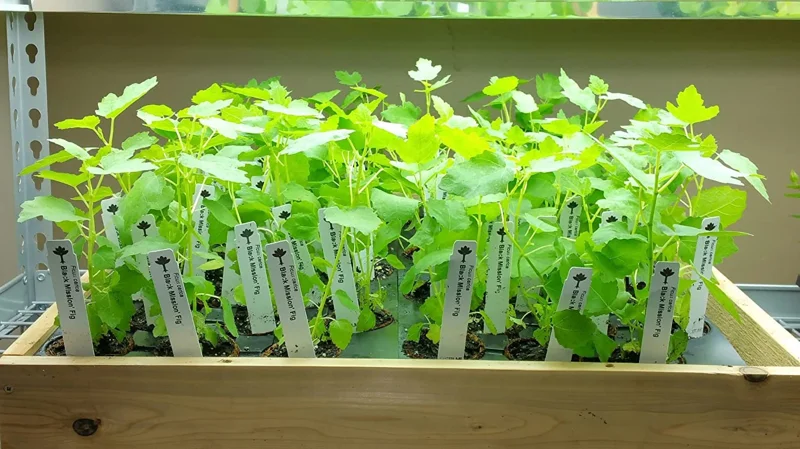
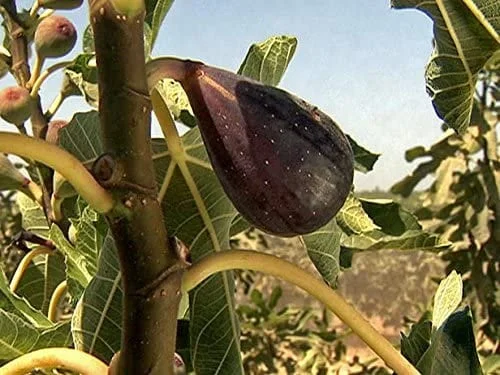
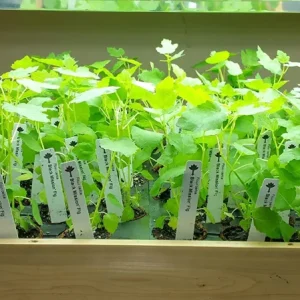
This offering includes 1 black mission fig tree starter plant, typically measuring 2-5 inches tall upon shipment. These young plants are shipped from Florida, ensuring they are accustomed to warmer conditions. While these are starter plants, the ‘Black Mission’ fig is known to bear fruit at a young age, often within 1-2 years of planting, under ideal growing conditions. The mature size of a ficus carica live plant can vary significantly based on whether it’s grown in a container or in the ground, and on pruning practices. In the ground, it can reach heights of 10-30 feet, while container-grown figs typically remain much smaller, often 6-10 feet tall, making them manageable for patios and smaller spaces. The ‘Black Mission’ fig is a vigorous grower and will establish itself well in its new environment. While it can grow as a fig tree for containers for several years, it may eventually need to be planted in the ground after 4-5 years if it outgrows its pot. The fruit typically ripens in June-July for the first crop, with a potential fall crop in regions with a sufficiently long and warm growing season. This black mission fig tree is an excellent choice for those seeking a rewarding and productive fruit tree.
Frequently Asked Questions
- Q: How big does this black mission fig tree get? A: As a starter plant, it will be 2-5 inches tall upon arrival. Mature size varies; in the ground, it can reach 10-30 feet, but when grown in a container, it typically stays much smaller, around 6-10 feet, depending on pruning. This makes it a great fig tree for containers.
- Q: Is this an indoor or outdoor plant? A: The black mission fig tree can be grown both indoors in containers (especially in colder climates) or outdoors in USDA Zones 7-10. For optimal fruit production, it prefers full sun outdoors during the growing season.
- Q: How much sunlight does it need? A: This ficus carica live plant requires at least 6-8 hours of direct sunlight daily to produce the best fruit. Choose the sunniest location available for your plant.
- Q: Is this plant easy to care for? A: Yes, ‘Black Mission’ fig trees are relatively easy to care for, especially for those in suitable climates. They are self-fertile and adapt well to container growing, making them a good option for beginners wanting to grow mission figs.
- Q: What condition will it arrive in? A: Your black mission fig tree will arrive as a healthy starter plant, 2-5 inches tall, ready for planting. It will be carefully packaged to ensure its safe journey.
- Q: How long until it produces fruit? A: ‘Black Mission’ fig trees are known to bear fruit at a young age. With proper care, you can expect your first figs within 1-2 years after planting.
- Q: Can I keep a mission fig tree in a pot permanently? A: Yes, you can successfully keep a fig tree for containers for many years. Regular pruning and eventual repotting into a larger container will be necessary as it grows. Understanding proper mission fig tree care will help ensure its longevity.
- Q: What is the best way to ensure a good harvest? A: Provide full sun, consistent watering, well-draining soil, and appropriate fertilization. Pruning for shape and air circulation also helps maximize your yield from this black mission fig tree.
- Q: Will it survive winter in my zone? A: The ‘Black Mission’ fig is hardy in USDA Zones 7-10. If you are in Zone 7 or colder, it is recommended to grow it in a container and bring it indoors or provide significant winter protection.
- Q: What are the best uses for the fruit from a black mission fig tree? A: The figs are delicious fresh, dried, or used in preserves. They are versatile for both sweet and savory dishes, making them a culinary delight.
Be the first to review “Black Mission Fig Tree Live Plant – Ficus Carica – 2-5 inches Tall – Fruit Tree”
People Also Viewed





Vegetable Seeds
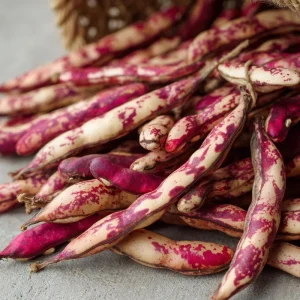
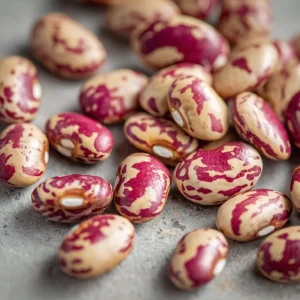
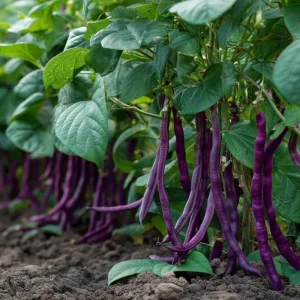
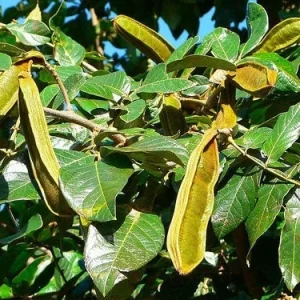
Cranberry Bean Seeds – 20 Count Heirloom Bush Beans for Garden
Sold 51 products
Original price was: $31.99.$11.99Current price is: $11.99.
Vegetable Seeds
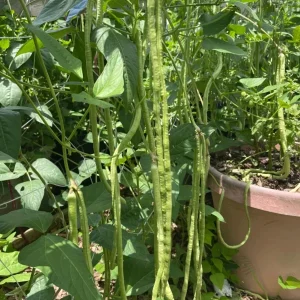
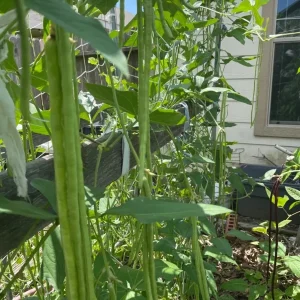
50 Dark Green Yard Long Bean Seeds – Heirloom Chinese Asparagus Vegetable Seeds Outdoor
Sold 60 products
Original price was: $15.92.$7.96Current price is: $7.96.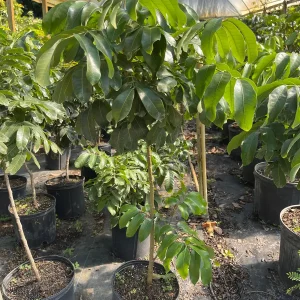





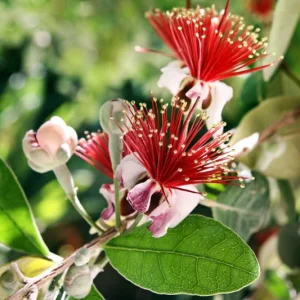
%201%20Foot%20Tall%20in%201%20Gallon%20Pot&url=https://gardennursery.net/product/pineapple-guava-live-plant-feijoa-sellowiana-1-foot-tall-in-1-gallon-pot/&media=https://img.gardennursery.net/2026/01/pineapple-guava-live-plant-feijoa-sellowiana-1-foo-3c0e04cd.webp)


Reviews
There are no reviews yet.