
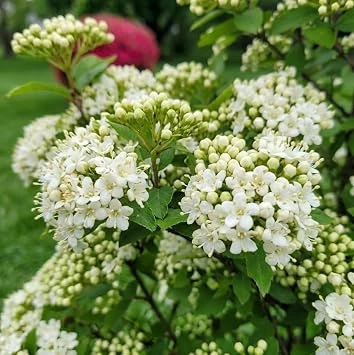
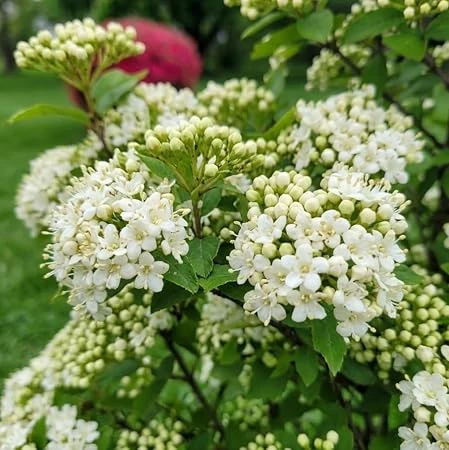
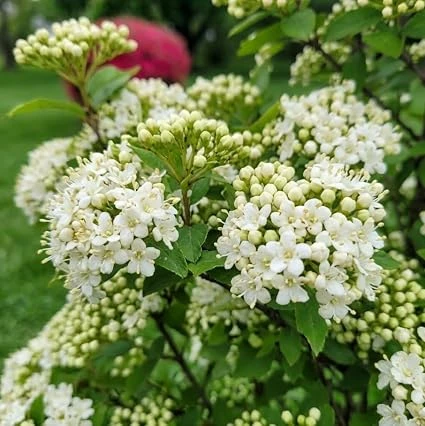
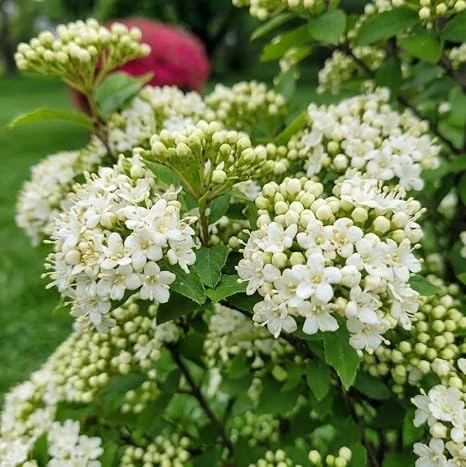
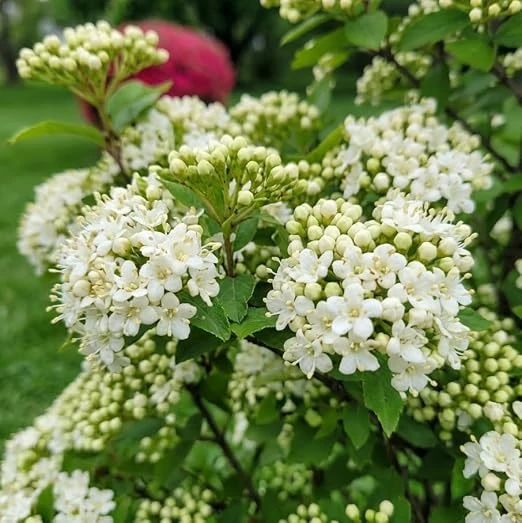
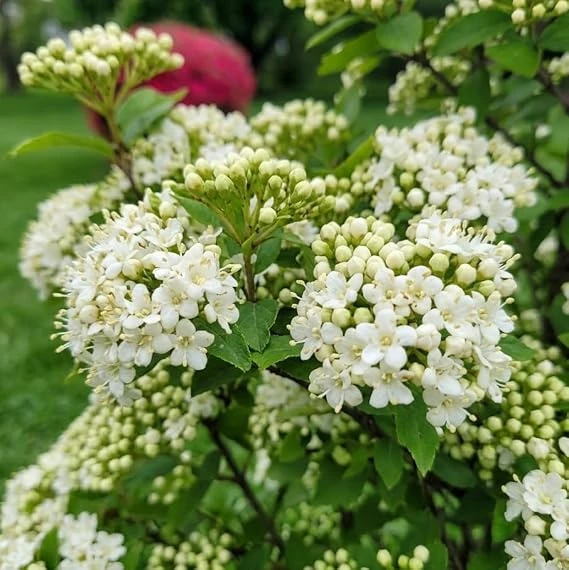
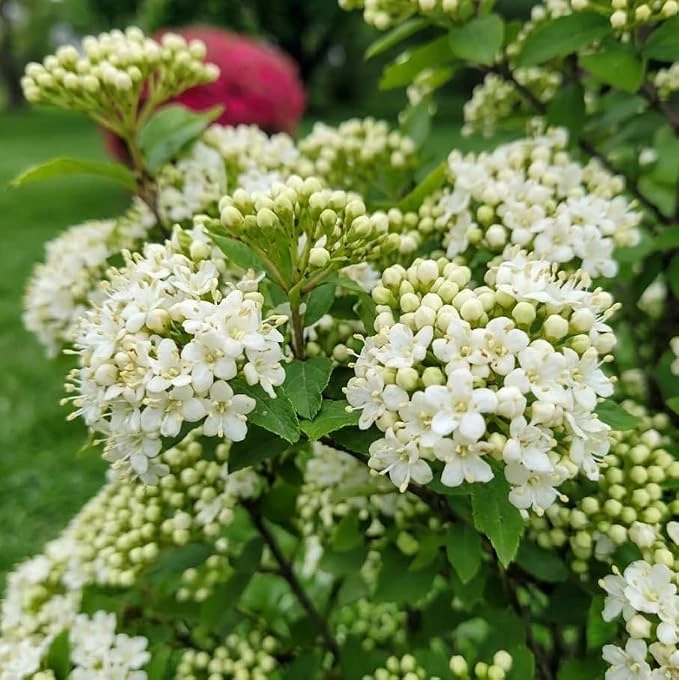
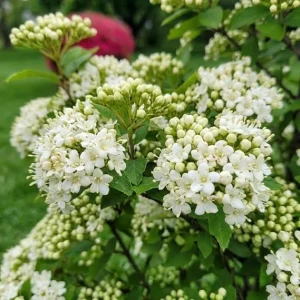
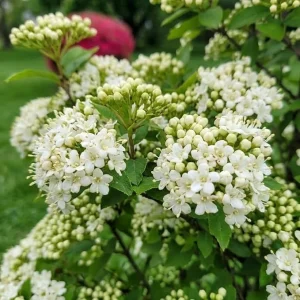
Black Haw Viburnum Live Plant 6-12 Inch Tall, Fragrant White Flowers, Outdoor Shrub in 4 Inch Pot
Original price was: $30.98.$15.49Current price is: $15.49.
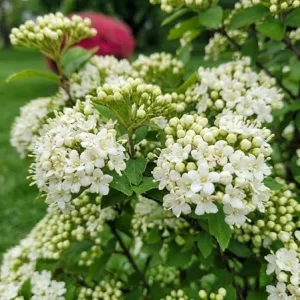
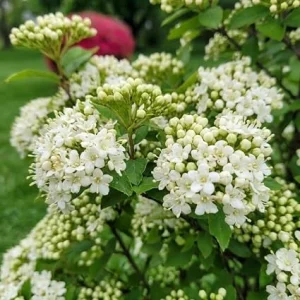
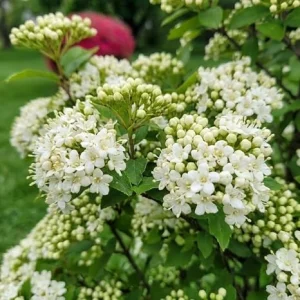
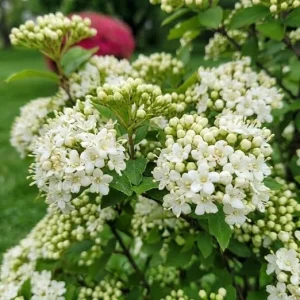
Bring natural beauty to your outdoor space with a black haw viburnum live plant. This versatile 6-12 inch tall shrub, delivered in a 4-inch pot, features abundant clusters of fragrant white flowers in spring and attractive fall color, making it an excellent choice for garden beds, borders, or as a native landscape shrub.
-
USDA Hardiness Zone
USDA Zones 3-9 -
Soil Type
Well-draining, adaptable to various types -
Sunlight Exposure
Full sun to partial shade -
Expected Planting Period
Spring to Fall

You can track your order HERE
Oct 30
Nov 04 - Nov 06
Nov 09 - Nov 13
Shipping and return policies: Our Alive & Thrive Guarantee covers issues with your plants within the first 30 days. Reach out to us. Our team will answer your questions and help you find the plants that are truly suitable for your environment, climate, and personal preferences.

Overview
Introduce a touch of native charm and seasonal interest to your garden with the black haw viburnum live plant. This resilient and adaptable shrub, scientifically known as Viburnum prunifolium, is a fantastic addition for gardeners seeking a plant that offers beauty across multiple seasons. Arriving as a healthy 6-12 inch tall specimen in a convenient 4-inch pot, it is perfectly sized for immediate planting and establishment in your outdoor landscape. The black haw viburnum live plant is celebrated for its abundant clusters of fragrant white flowers that burst forth in spring, creating a stunning visual and aromatic display. Beyond its beautiful blossoms, this native viburnum bush provides attractive foliage that transforms into shades of red and purple in the fall, followed by dark blue-black berries that are a favorite food source for birds.
The black haw viburnum live plant is a superb choice for a variety of garden applications, from naturalized areas and woodland gardens to formal borders and hedges. Its robust nature and ability to thrive in a range of conditions make it a low-maintenance option for both experienced and novice gardeners. Embrace the ecological benefits of planting a native species that supports local wildlife while enjoying its year-round appeal.
Key Benefits
The black haw viburnum live plant offers a multitude of benefits that make it an exceptional choice for any garden. Its versatility and seasonal interest ensure it remains a focal point in your landscape:
- Fragrant Spring Blooms: Enjoy abundant clusters of delicate, fragrant white flowers in spring, which not only add beauty but also attract pollinators like butterflies and bees to your garden. These blossoms are a true highlight of the season.
- Attractive Fall Foliage: As the seasons change, the glossy green leaves of the black haw viburnum live plant transform into stunning shades of red and purple, providing brilliant autumn color and extending the plant’s ornamental value well into the cooler months.
- Wildlife Attractor: Following the flowers, the shrub produces dark blue-black berries that are a vital food source for many bird species, enhancing biodiversity and bringing avian visitors to your garden.
- Native and Resilient: As a native viburnum bush, it is naturally adapted to local conditions, making it incredibly hardy, disease-resistant, and low-maintenance. It thrives with minimal intervention once established.
- Versatile Landscape Use: This adaptable shrub can be utilized in various ways, including as a specimen plant, a dense hedge, in mixed borders, or for naturalized plantings. Its upright, spreading habit adds structure and interest to any design.
- Drought Tolerant: Once established, the black haw viburnum live plant exhibits good drought tolerance, reducing the need for frequent watering and making it a sustainable choice for your landscape.
- Adaptable to Soil Types: It tolerates a wide range of soil conditions, from clay to sandy, as long as drainage is adequate, making it suitable for diverse garden environments.
Plant Care & Growing Tips
Caring for your black haw viburnum live plant is relatively straightforward, thanks to its native resilience. To ensure optimal growth and health, consider the following guidelines. This hardy landscape shrub prefers a location that receives full sun to partial shade. Full sun (at least 6 hours of direct sunlight daily) will encourage the most prolific flowering and best fall color, while partial shade (2-4 hours of direct sun, especially in the afternoon) is tolerated, particularly in hotter climates.
When it comes to watering, the black haw viburnum live plant prefers consistently moist soil, especially during its establishment phase. Once mature, it becomes quite drought tolerant, but regular watering during prolonged dry spells will help maintain its vigor and appearance. Ensure the soil is well-draining to prevent root rot. This viburnum shrub is adaptable to various soil types, including clay, loam, and sandy soils, but it thrives best in organically rich, well-drained conditions with a slightly acidic to neutral pH. For fertilization, a balanced slow-release granular fertilizer applied in early spring can support healthy growth and flowering. Avoid over-fertilizing, which can promote leafy growth at the expense of blooms.
The fragrant white viburnum is generally pest and disease resistant. Pruning is best done after flowering in late spring or early summer to maintain shape, remove dead or damaged branches, and encourage bushier growth. It is hardy in USDA zones 3-9, making it suitable for a wide range of climates. Protection from harsh winter winds may be beneficial in the colder parts of its hardiness range, especially for young plants. With proper care, your black haw viburnum live plant will provide years of beauty and ecological benefit to your garden.
Size & Details
This offering includes one healthy black haw viburnum live plant, which arrives ready for planting. Each plant is approximately 6-12 inches tall from the top of the soil, providing a substantial start for your garden. It is conveniently shipped in a 4-inch nursery pot, complete with its root ball and soil, minimizing transplant shock and making it easy to establish in your desired location. The native viburnum bush is a moderate grower, typically reaching a mature height of 10-15 feet and a similar spread, forming an upright, multi-stemmed shrub. It can also be trained into a small tree form with proper pruning.
Expect the first fragrant white flowers to appear in spring, usually within the first few years after planting, with more abundant blooms as the plant matures. The berries ripen in late summer to early fall, providing a seasonal treat for local wildlife. This landscape shrub is robust and will quickly establish itself, contributing to the beauty and ecology of your outdoor space for many years.
Frequently Asked Questions
- Q: How big does this black haw viburnum live plant get? A: This particular plant arrives 6-12 inches tall. When mature, the black haw viburnum live plant typically grows to a height of 10-15 feet with a similar spread, forming a dense, multi-stemmed shrub.
- Q: What size pot does it come in? A: The black haw viburnum live plant is shipped in a 4-inch nursery pot, providing a healthy root system ready for transplanting into your garden.
- Q: Is this an indoor or outdoor plant? A: The black haw viburnum live plant is an outdoor shrub, perfectly suited for garden beds, borders, and naturalized areas in various landscapes. It is not recommended for indoor cultivation.
- Q: How much sunlight does it need? A: This viburnum shrub thrives best in full sun to partial shade. For the most abundant flowers and vibrant fall color, aim for at least 6 hours of direct sunlight daily.
- Q: Is this plant easy to care for? A: Yes, the black haw viburnum live plant is considered low-maintenance once established. It’s a native species, making it naturally resilient to local conditions and generally disease and pest-free.
- Q: What condition will it arrive in? A: Your black haw viburnum live plant will arrive as a healthy, live shrub in its 4-inch pot, carefully packaged to ensure it reaches you in excellent condition, ready to be planted.
- Q: When is the best time to plant a black haw viburnum? A: The best time to plant your black haw viburnum live plant is in spring or fall, allowing it to establish its root system before extreme summer heat or winter cold.
- Q: Will it survive winter in my zone? A: The black haw viburnum live plant is hardy in USDA Zones 3-9, meaning it can tolerate a wide range of winter temperatures. Check your local hardiness zone to ensure it’s suitable for your area.
- Q: Does this plant have fragrant flowers? A: Yes, one of the most appealing features of this fragrant white viburnum is its abundant clusters of sweet-smelling white flowers that appear in spring.
- Q: What are the berries like on the black haw viburnum? A: After flowering, the plant produces attractive dark blue-black berries that mature in late summer to fall. These berries are an important food source for birds and contribute to the plant’s ornamental value.
Be the first to review “Black Haw Viburnum Live Plant 6-12 Inch Tall, Fragrant White Flowers, Outdoor Shrub in 4 Inch Pot”
People Also Viewed




Flower Plants
Red Shrimp Plant Live Starter Plants – 3 Pack, 4-6 Inches Tall – Beloperone guttata – Indoor/Outdoor
Sold 81 products
$35.98


HousePlants
Plectranthus forsteri ‘Marginatus’ Variegated Swedish Ivy Live Plant – Easy Care Houseplant
Sold 75 products
From $18.32

HousePlants
Variegated Scindapsus Pictus ‘Jade Satin’ Live Plant in Nursery Pot – Rare Indoor Houseplant
Sold 98 products
Original price was: $76.00.$38.00Current price is: $38.00.




Sold 75 products
Original price was: $52.50.$33.00Current price is: $33.00.





Reviews
There are no reviews yet.