
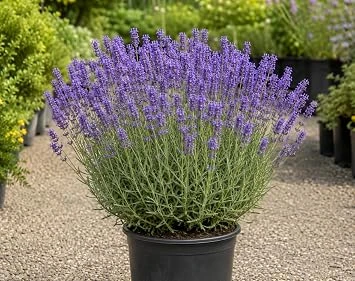
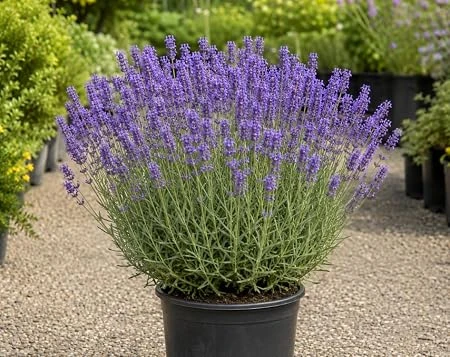
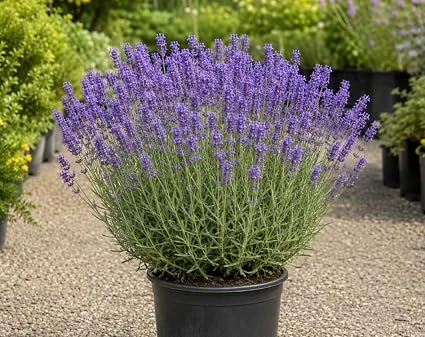
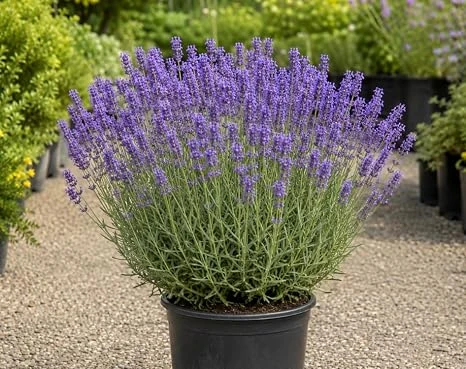
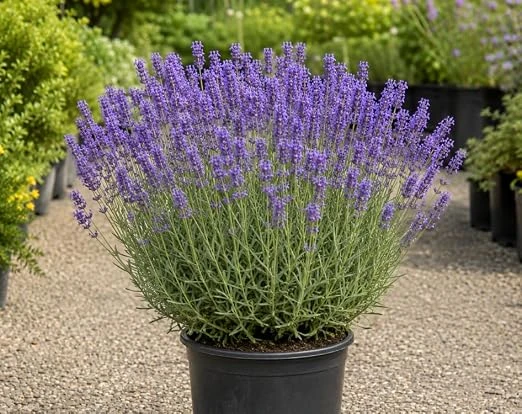
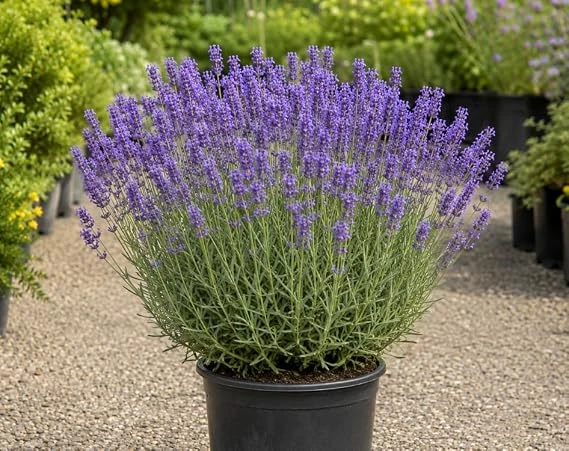
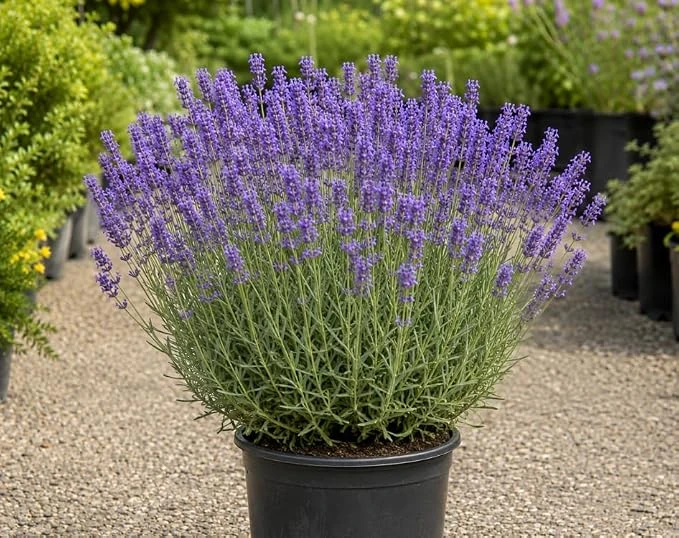
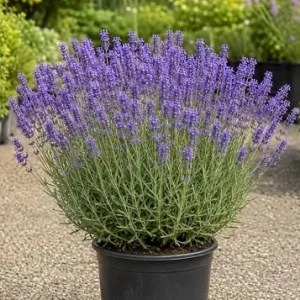
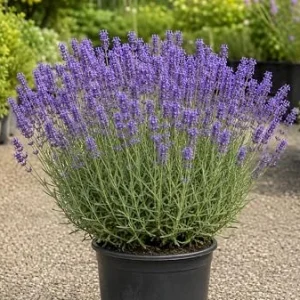
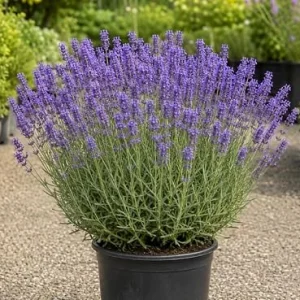
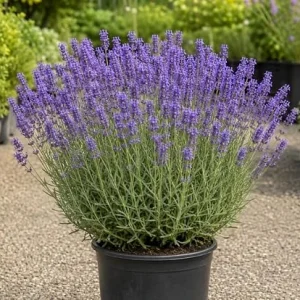
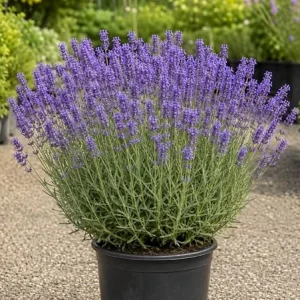
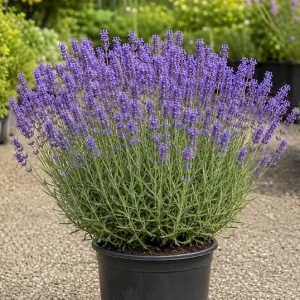
Lavender Live Plant, 1 Gallon Pot, Fragrant Purple Flowers, Outdoor Perennial
Original price was: $95.98.$47.99Current price is: $47.99.
Bring the beauty and fragrance of a live lavender plant to your outdoor space. This established 1-gallon perennial is ideal for gardens, patios, and containers, offering lovely purple blooms and attractive foliage.
-
USDA Hardiness Zone
USDA Zones 5-9 -
Soil Type
Well-draining, sandy or gravelly soil -
Sunlight Exposure
Full sun (6-8+ hours daily) -
Expected Planting Period
Spring to early summer

You can track your order HERE
Oct 30
Nov 04 - Nov 06
Nov 09 - Nov 13
Shipping and return policies: Our Alive & Thrive Guarantee covers issues with your plants within the first 30 days. Reach out to us. Our team will answer your questions and help you find the plants that are truly suitable for your environment, climate, and personal preferences.

Overview
Transform your garden or patio with a beautiful live lavender plant. This established perennial, provided in a 1-gallon pot, is ready to bring its iconic fragrance and charming purple flowers to your outdoor landscape. Known scientifically as Lavandula, lavender is celebrated for its aromatic qualities, vibrant blooms, and versatility in various garden settings. Whether you’re creating a fragrant border, enhancing a cottage garden, or simply adding a touch of Mediterranean charm to your patio, this live lavender plant offers a delightful experience. It’s a robust and relatively low-maintenance option for both novice and experienced gardeners looking to enjoy the beauty and benefits of this beloved herb.
Our live lavender plant arrives healthy and ready for planting, with fresh foliage that promises a season of growth and potential blooms. Lavender is renowned for attracting pollinators like bees and butterflies, making it a wonderful addition to any pollinator garden. Its silvery-green leaves provide an attractive backdrop even when not in bloom, ensuring year-round visual interest. Embrace the serene beauty and calming aroma that only a genuine live lavender plant can provide, creating a peaceful and inviting atmosphere in your outdoor sanctuary.
Key Benefits
A live lavender plant offers numerous advantages beyond its aesthetic appeal, contributing positively to your garden and well-being. From its delightful scent to its ecological contributions, here are some key benefits:
- Fragrant Blooms & Foliage: Lavender is famous for its distinct, soothing fragrance. The purple flowers and even the foliage release a calming aroma, perfect for creating a relaxing atmosphere in your garden or patio. This natural scent can also help deter some common garden pests.
- Attracts Pollinators: This plant is a magnet for bees, butterflies, and other beneficial pollinators, making it an excellent choice for supporting local ecosystems and enhancing the health of your garden. A thriving live lavender plant contributes to biodiversity.
- Versatile Garden Use: Ideal for a wide range of applications, including garden beds, borders, rock gardens, herb gardens, and especially patio containers. Its compact, bushy growth habit makes it suitable for various landscape designs and sizes, even for those interested in growing lavender outdoors in smaller spaces.
- Drought Tolerant: Once established, lavender plants are remarkably drought-tolerant, requiring less water than many other flowering perennials. This makes them a sustainable choice for gardeners in drier climates or those looking to conserve water.
- Low Maintenance: Generally easy to care for, lavender thrives with minimal intervention. It requires well-draining soil and full sun, and with proper initial planting, it will flourish with little fuss, making lavender plant care straightforward.
- Aesthetic Appeal: With its striking purple flowers and silvery-green foliage, lavender adds a touch of elegance and rustic charm to any garden. It’s a staple in cottage gardens and Mediterranean-inspired landscapes, enhancing visual interest throughout the growing season.
- Culinary & Medicinal Uses: Beyond its beauty, lavender has culinary applications (e.g., teas, desserts) and is used in aromatherapy for its calming properties. Having a perennial lavender plant readily available allows you to harvest fresh for these purposes.
Plant Care & Growing Tips
Caring for your live lavender plant is relatively simple, ensuring years of fragrant blooms and healthy growth. Lavender thrives in conditions that mimic its native Mediterranean habitat, primarily requiring ample sunlight and excellent drainage. For optimal growth and prolific flowering, plant your lavender in a location where it will receive at least 6-8 hours of direct sunlight per day. Full sun is crucial for developing strong stems and abundant, richly scented flowers. If planting in a container, ensure it’s placed in a sunny spot on your patio or balcony. This dedication to light is key to successful lavender plant care.
When it comes to watering, lavender prefers to be on the drier side. Water thoroughly after planting, and then allow the soil to dry out completely between waterings. Overwatering is a common cause of issues for lavender, leading to root rot. Well-draining soil is paramount; sandy or gravelly soil types are ideal. If your garden soil is heavy clay, amend it generously with organic matter and grit to improve drainage, or consider raised beds or containers. The ideal USDA hardiness zones for many lavender varieties range from 5 to 9, indicating their preference for temperate climates, making growing lavender outdoors feasible in many regions. Fertilization is generally not necessary for lavender, as it thrives in lean soils. If your soil is very poor, a light application of a balanced, slow-release fertilizer in spring can be beneficial, but avoid high-nitrogen fertilizers which can promote foliage growth at the expense of flowers.
Pruning is an essential aspect of maintaining a healthy and shapely perennial lavender. Lightly prune your plant after the first flush of flowers to encourage a second bloom and maintain a compact form. A more significant prune can be done in early spring, removing about one-third of the plant’s growth to promote new vigor and prevent woodiness. Watch out for common problems such as fungal diseases, which are often a result of poor air circulation or excessive humidity. Ensure good spacing between plants and avoid overhead watering to minimize these risks. With these straightforward care tips, your live lavender plant will flourish and provide beauty and fragrance for many seasons.
Size & Details
This live lavender plant is supplied in a robust 1-gallon nursery pot, ensuring it is well-established with a strong root system and fresh, healthy foliage. The plant height typically ranges from 6 to 12 inches upon arrival, depending on the natural growing season and maturity, with the potential to grow much larger once planted in your garden. Lavender generally reaches a mature size of 1 to 3 feet tall and wide, forming a compact, bushy mound. Its moderate growth rate means you will see noticeable development within the first growing season, with full maturity often achieved within 2-3 years.
This plant is shipped as a rooted, thriving specimen, ready for immediate transplanting into your chosen outdoor location or larger container. While flowering depends on the season and growing conditions, the plant is mature enough to produce its characteristic fragrant purple blooms. Expect to see flowers from late spring through summer, with potential for a second flush if pruned correctly. This perennial lavender is a long-term investment for your garden, providing beauty and aroma for many years with proper care.
Frequently Asked Questions
- Q: How big does this live lavender plant get? A: This lavender plant is shipped in a 1-gallon pot and typically arrives 6-12 inches tall. Once established in your garden, it can grow to a mature size of 1 to 3 feet tall and wide, forming a lovely bushy mound.
- Q: Is this an indoor or outdoor plant? A: This live lavender plant is primarily an outdoor perennial. It thrives in full sun and is best suited for garden beds, borders, and outdoor patio containers. While it can be brought indoors temporarily, it generally struggles without sufficient light.
- Q: How much sunlight does it need for optimal growing lavender outdoors? A: Lavender requires at least 6-8 hours of direct sunlight per day to flourish and produce abundant flowers. Plant it in the sunniest spot in your garden or on your patio for the best results.
- Q: Is this plant easy to care for? A: Yes, lavender is considered relatively easy to care for, especially once established. Its key requirements are full sun and well-draining soil. Minimal watering and occasional pruning are usually all that’s needed for excellent lavender plant care.
- Q: What condition will the plant arrive in? A: Your live lavender plant will arrive healthy and established in its 1-gallon nursery pot, with fresh foliage. While it may not be in bloom upon arrival, it is ready for planting and will produce flowers in its natural growing season.
- Q: When is the best time to plant this perennial lavender? A: The best time to plant lavender is in the spring after the last frost, or in early fall in warmer climates. This allows the plant time to establish its root system before extreme temperatures.
- Q: What type of soil does lavender prefer? A: Lavender thrives in well-draining, somewhat sandy or gravelly soil with a neutral to slightly alkaline pH. Avoid heavy clay soils that retain too much moisture, as this can lead to root rot.
- Q: Will this live lavender plant attract pollinators? A: Absolutely! Lavender is a fantastic plant for attracting bees, butterflies, and other beneficial pollinators to your garden, contributing to a healthy and vibrant ecosystem.
- Q: Can I use the lavender from this plant for culinary purposes? A: Yes, many lavender varieties are suitable for culinary use, such as making teas, infusions, or flavoring baked goods. Ensure you research the specific variety if you intend to consume it, but generally, garden lavenders are safe for this.
- Q: What USDA Hardiness Zones is this lavender suitable for? A: Most common lavender varieties are hardy in USDA Zones 5-9. This means it can tolerate winter temperatures down to -20°F in Zone 5 with proper care, making it a reliable perennial lavender for many regions.
Be the first to review “Lavender Live Plant, 1 Gallon Pot, Fragrant Purple Flowers, Outdoor Perennial”
People Also Viewed


Flower Plants
Sold 72 products
Original price was: $106.00.$53.00Current price is: $53.00.


HousePlants
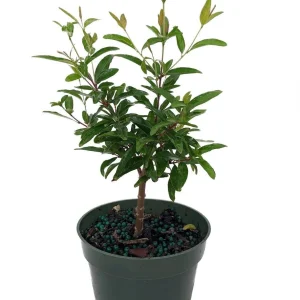
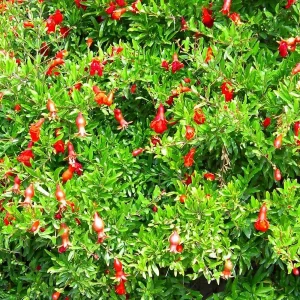
Dwarf Pomegranate Plant – Punica Granatum Nana Live Plant – 4 inch Pot – Indoor/Outdoor Edible Fruit
Sold 53 products
Original price was: $60.76.$30.38Current price is: $30.38.


Flower Plants
Sold 73 products
Original price was: $64.48.$32.24Current price is: $32.24.





Reviews
There are no reviews yet.