
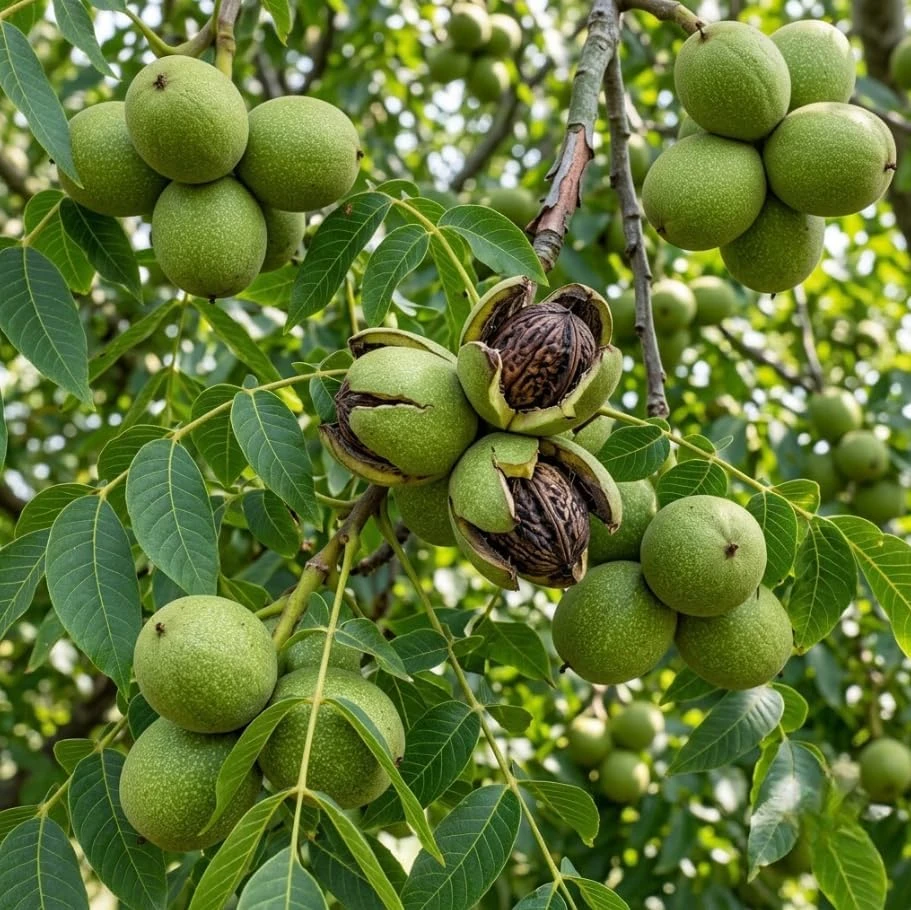
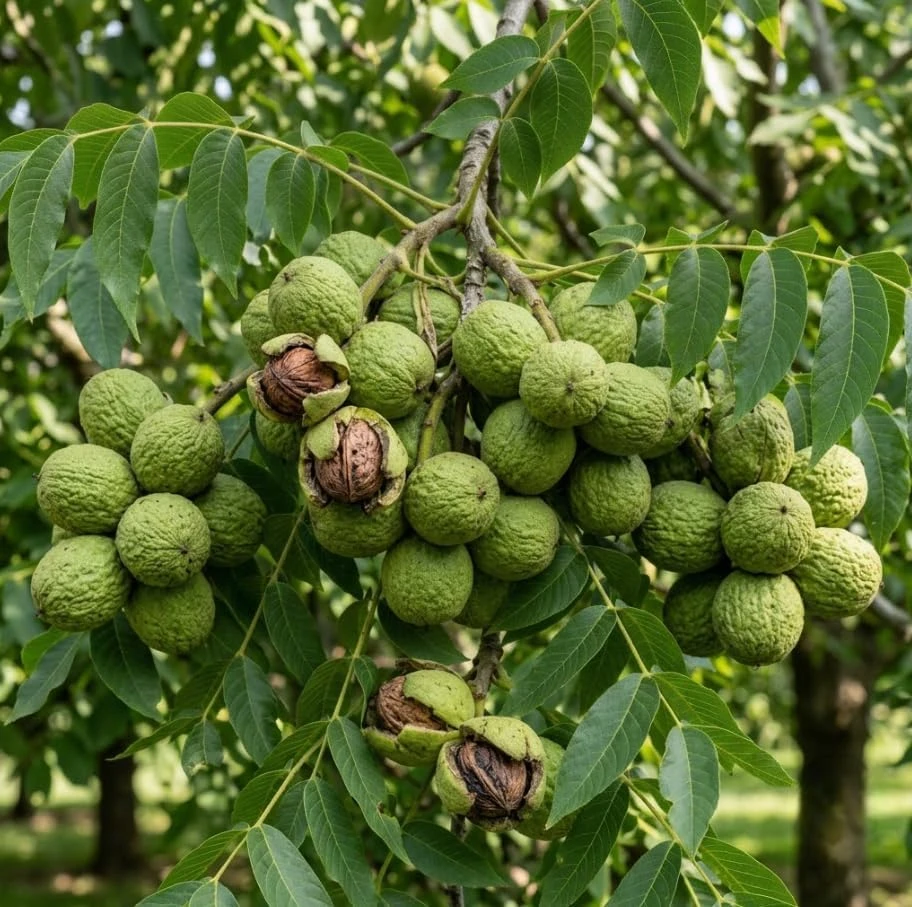
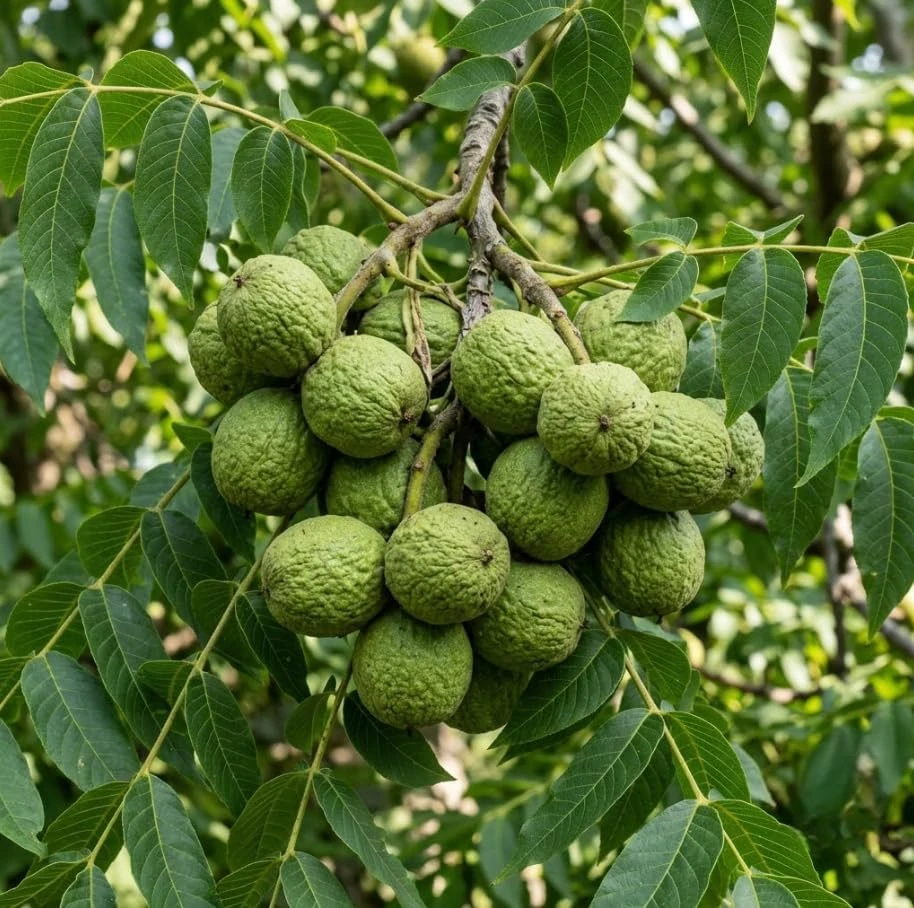
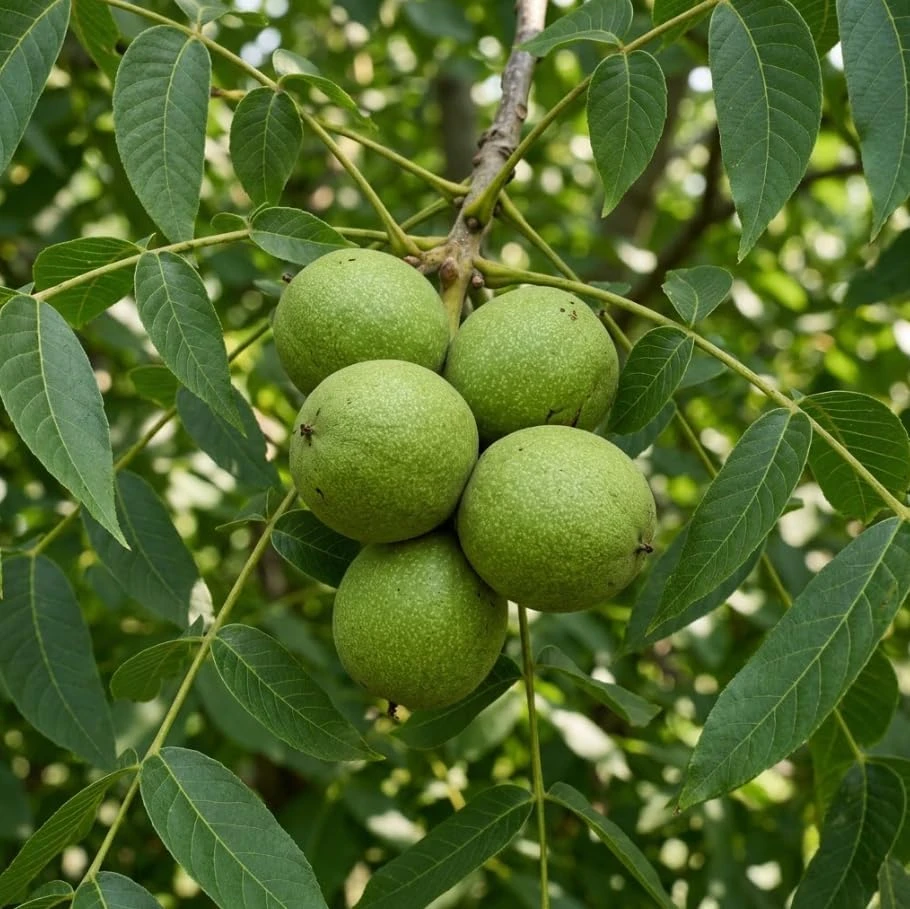
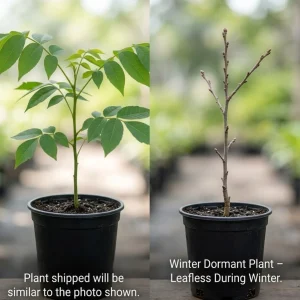
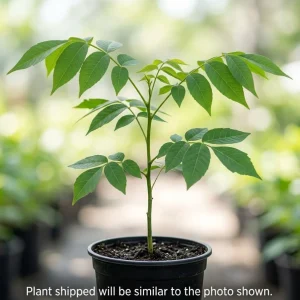
Black Walnut Tree Live Plant, 6-12″ Tall in 4″ Pot, Hardy Shade Tree
Original price was: $49.98.$24.99Current price is: $24.99.
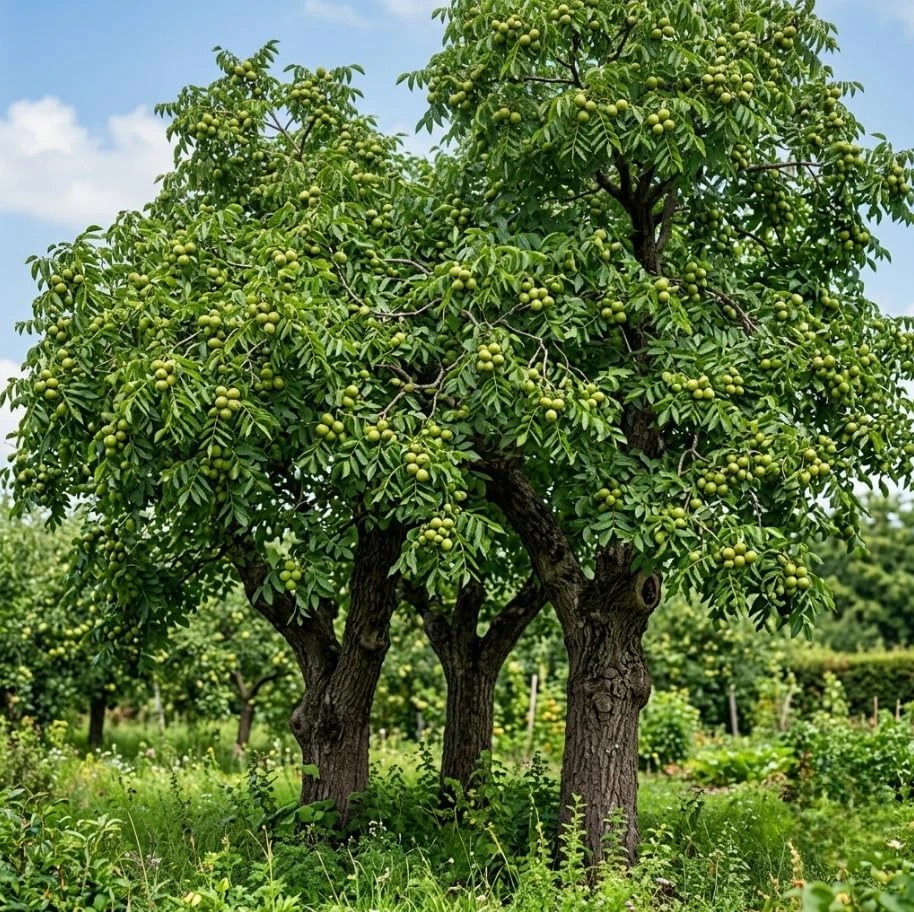
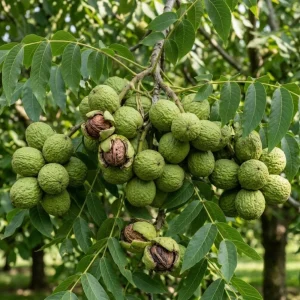
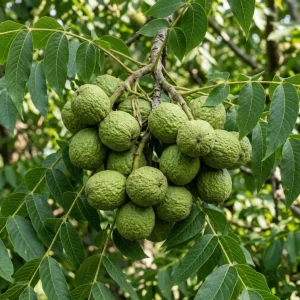
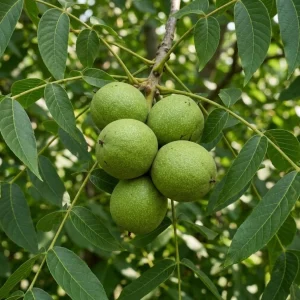
Bring home a black walnut tree live plant, a robust addition to any landscape. This american black walnut tree arrives 6-12 inches tall in a 4-inch pot, ready for transplanting. Enjoy its majestic shade and future sweet nut production.
-
USDA Hardiness Zone
USDA Zones 4-9 -
Soil Type
Deep, fertile, moist, well-draining soil -
Sunlight Exposure
Full sun -
Expected Planting Period
Spring to Fall

You can track your order HERE
Oct 30
Nov 04 - Nov 06
Nov 09 - Nov 13
Shipping and return policies: Our Alive & Thrive Guarantee covers issues with your plants within the first 30 days. Reach out to us. Our team will answer your questions and help you find the plants that are truly suitable for your environment, climate, and personal preferences.

Overview
Cultivate a magnificent landscape with your very own black walnut tree live plant. Known botanically as Juglans nigra, this remarkable deciduous tree is celebrated for its stately presence, providing ample shade, and its delicious, sweet nuts. Each young american black walnut tree arrives standing 6 to 12 inches tall, perfectly potted in a 4-inch container, making it ideal for easy transplanting into your garden or yard. This resilient species is a cornerstone of American forestry and a fantastic choice for those seeking a long-term investment in their property’s beauty and bounty. Whether you’re an experienced gardener or just starting, growing a juglans nigra live plant offers a rewarding experience, culminating in a mature tree that can be a source of food and comfort for generations.
The black walnut tree live plant is not just a source of edible nuts; it’s also a valuable timber tree and an ecological asset. Its deep taproot system helps stabilize soil, and its broad canopy creates a cool, inviting retreat during warm months. This hardy deciduous tree adapts well to various climates and soil conditions across the United States, showcasing its robust nature. Planting a shade tree with nuts like the black walnut contributes to local biodiversity and provides a habitat for wildlife, making your garden a more vibrant ecosystem.
Key Benefits
Adding a black walnut tree live plant to your property offers a multitude of advantages, enhancing both the aesthetic and practical aspects of your outdoor space:
- Abundant Nut Production: Enjoy a consistent harvest of sweet, flavorful black walnuts, perfect for baking, snacking, or sharing. A mature black walnut tree live plant can produce a significant yield of nuts annually, providing a sustainable food source.
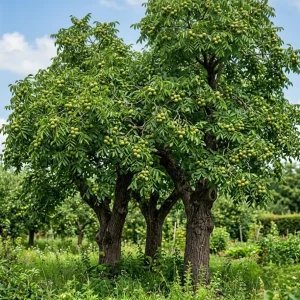
- Majestic Shade Provider: As it matures, this tree develops a broad, dense canopy, casting extensive shade. It’s ideal for creating cool, comfortable outdoor living areas, reducing energy costs, and protecting other plants from intense sun.
- Valuable Timber Resource: Beyond its nuts and shade, the black walnut is highly prized for its dark, strong, and beautiful timber. While a long-term benefit, a mature tree holds significant value for future generations.
- Ecological Contribution: The american black walnut tree supports local wildlife, providing food and shelter for squirrels, birds, and other creatures, enriching your garden’s biodiversity.
- Hardy and Adaptable: This resilient species thrives in a wide range of climates and soil types, making it a reliable choice for many regions. Its adaptability means less worry about specific growing conditions once established.
- Long-Lived Investment: A juglans nigra live plant is a long-term asset, growing into a magnificent tree that can stand for decades, increasing property value and providing benefits for a lifetime.
- Soil Improvement: The deep root system of this hardy deciduous tree helps to aerate and improve soil structure, benefiting the surrounding ecosystem.
Plant Care & Growing Tips
Caring for your young black walnut tree live plant is straightforward, ensuring it establishes a strong foundation for future growth. These trees prefer a location with full sun, meaning at least 6-8 hours of direct sunlight per day. While adaptable, they thrive best in deep, fertile, moist, and well-draining soil. Avoid heavy, waterlogged clay or very sandy soils. When planting, dig a hole twice as wide as the root ball and just as deep. Gently loosen the roots before placing the tree, ensuring the top of the root ball is level with the ground surface.
Watering is crucial, especially during the first few years after planting. Keep the soil consistently moist but not waterlogged. Deep watering once or twice a week is generally better than frequent shallow watering. Reduce watering frequency as the tree matures and its root system becomes more established. The black walnut tree live plant is generally hardy in USDA Zones 4-9. Fertilization is typically not required in the first year if planted in good soil; however, a balanced, slow-release fertilizer can be applied in subsequent springs. Pruning should be minimal, focusing on removing any dead, damaged, or crossing branches to maintain a strong central leader. Be aware that black walnuts produce juglone, a chemical that can inhibit the growth of certain sensitive plants nearby, so plan your garden layout accordingly.
Size & Details
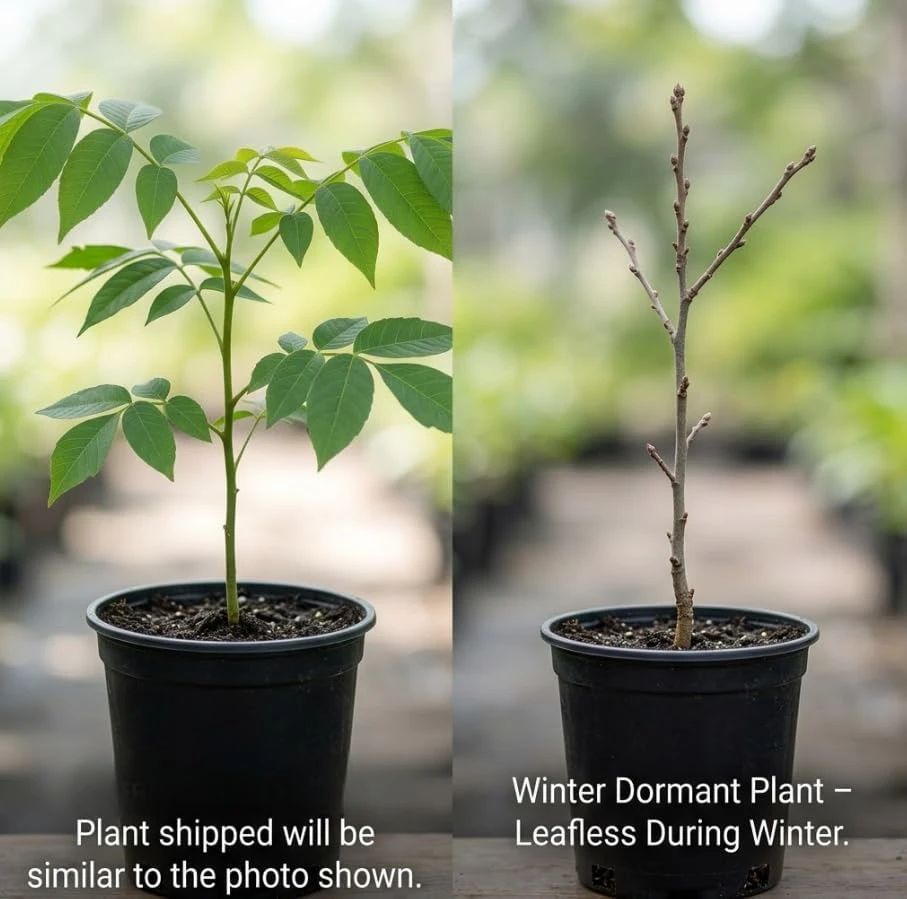
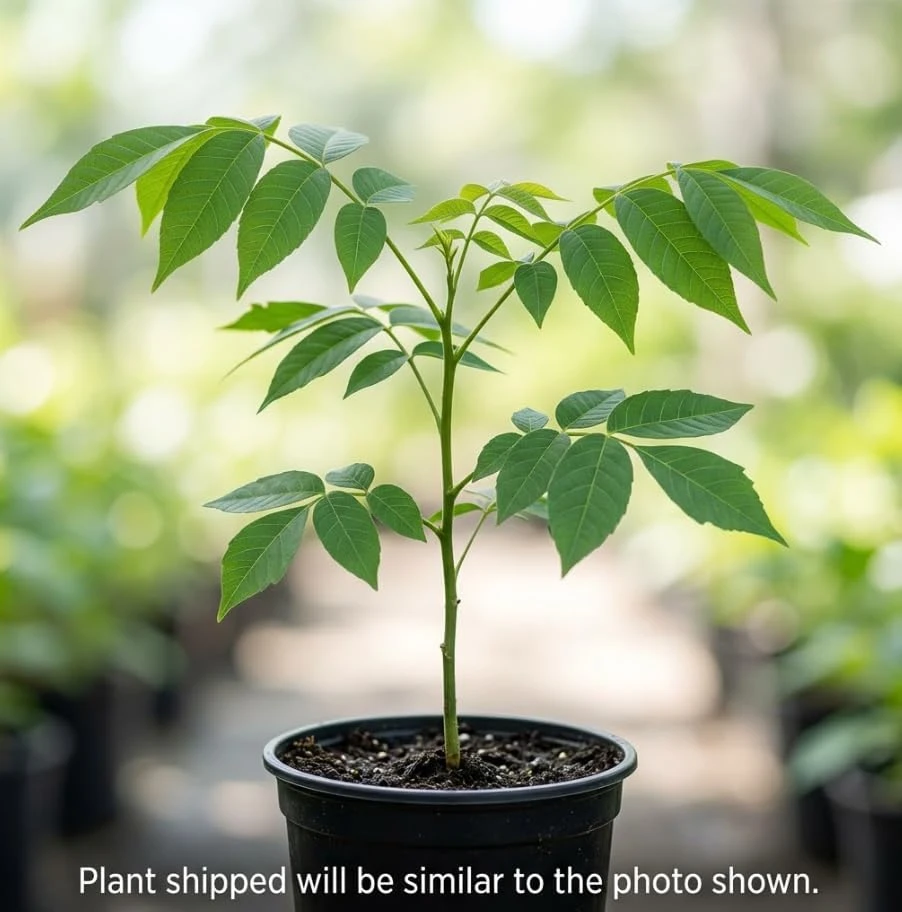
This offering is for one black walnut tree live plant, which arrives in a healthy, vibrant state. Each young tree measures approximately 6 to 12 inches in height, measured from the soil line to the top of the plant. It is securely rooted in a 4-inch nursery pot, providing ample space for its initial growth and ensuring a smooth transition to its permanent location. The plant is shipped with its roots and soil intact, minimizing transplant shock. The american black walnut tree is a fast-growing species, typically adding 1-2 feet of height per year once established. Expect this shade tree with nuts to reach a mature height of 50-75 feet with a spread of 50-60 feet, providing significant canopy coverage. Nut production typically begins when the tree is 10-15 years old, with peak production occurring between 30-70 years of age, making it a truly long-term asset for your landscape.
Frequently Asked Questions
- Q: How big does this plant get? A: This black walnut tree live plant is shipped 6-12 inches tall in a 4-inch pot. At maturity, it can reach heights of 50-75 feet with a spread of 50-60 feet, becoming a truly majestic shade tree.
- Q: Is this an indoor or outdoor plant? A: The black walnut tree live plant is an outdoor tree. It requires ample space to grow and thrives in garden and landscape settings, providing shade and nuts.
- Q: How much sunlight does it need? A: This hardy deciduous tree prefers full sun, meaning it needs at least 6-8 hours of direct sunlight per day to grow vigorously and produce nuts.
- Q: Is this plant easy to care for? A: Yes, once established, the american black walnut tree is relatively low-maintenance. Young trees require consistent watering and protection, but mature trees are very resilient and adaptable.
- Q: What condition will it arrive in? A: Your juglans nigra live plant will arrive as a healthy, actively growing young tree, securely potted in its 4-inch container with soil, ready for transplanting.
- Q: How long until it produces nuts? A: Black walnut tree live plants typically begin producing nuts when they are 10-15 years old, with production increasing significantly as the tree matures.
- Q: Will it survive winter in my zone? A: The black walnut tree live plant is very cold hardy and thrives in USDA Hardiness Zones 4-9, making it suitable for a wide range of climates across the United States.
- Q: Can other plants grow near a black walnut tree? A: Black walnuts produce juglone, a natural herbicide. Some plants are sensitive to juglone, so it’s important to research companion plants that are tolerant or plant sensitive species at a distance.
- Q: When is the best time to plant this tree? A: The ideal time to plant your black walnut tree live plant is in the spring or fall, allowing the tree to establish its root system before extreme summer heat or winter cold.
Be the first to review “Black Walnut Tree Live Plant, 6-12″ Tall in 4″ Pot, Hardy Shade Tree”
People Also Viewed
HousePlants
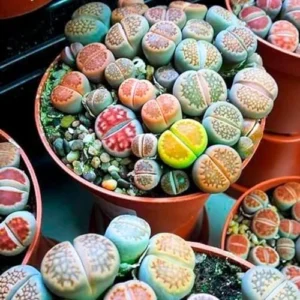
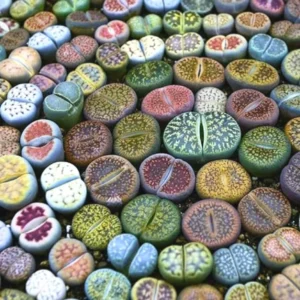
Lithops Live Plants Mix – 30 Colorful Succulents – Living Stones for Indoor/Outdoor Planting
Sold 78 products
Original price was: $65.98.$32.99Current price is: $32.99.



Sold 52 products
Original price was: $91.98.$45.99Current price is: $45.99.


Fruits
Florida Ember Strawberry Live Plants – Set of 2, 4-6” Tall – Fragaria x ananassa – Edible Fruit
Sold 85 products
Original price was: $39.18.$19.59Current price is: $19.59.











Reviews
There are no reviews yet.