
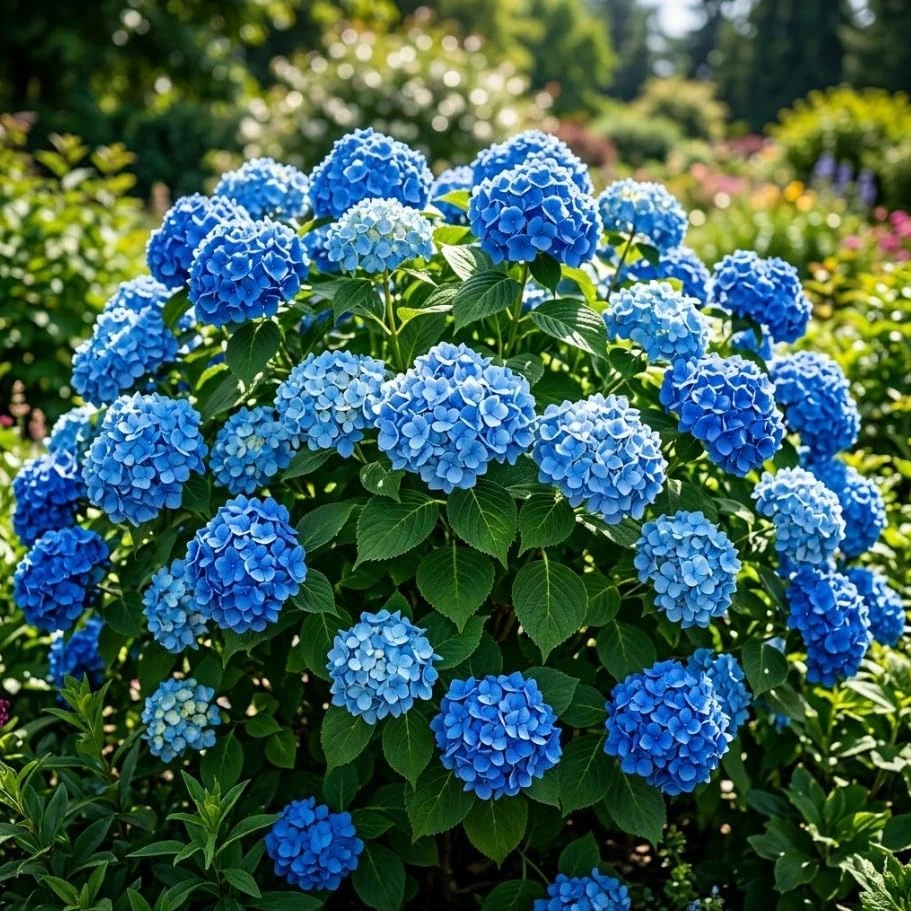
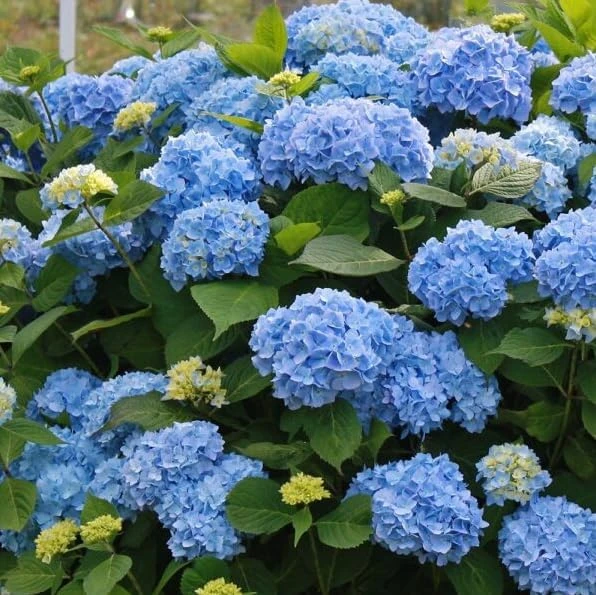
Blue Hydrangea Live Plant – Large Ball Flowers Shrub, 6-12″ Tall in 2.5″ Pot, Outdoor
Original price was: $29.98.$14.99Current price is: $14.99.
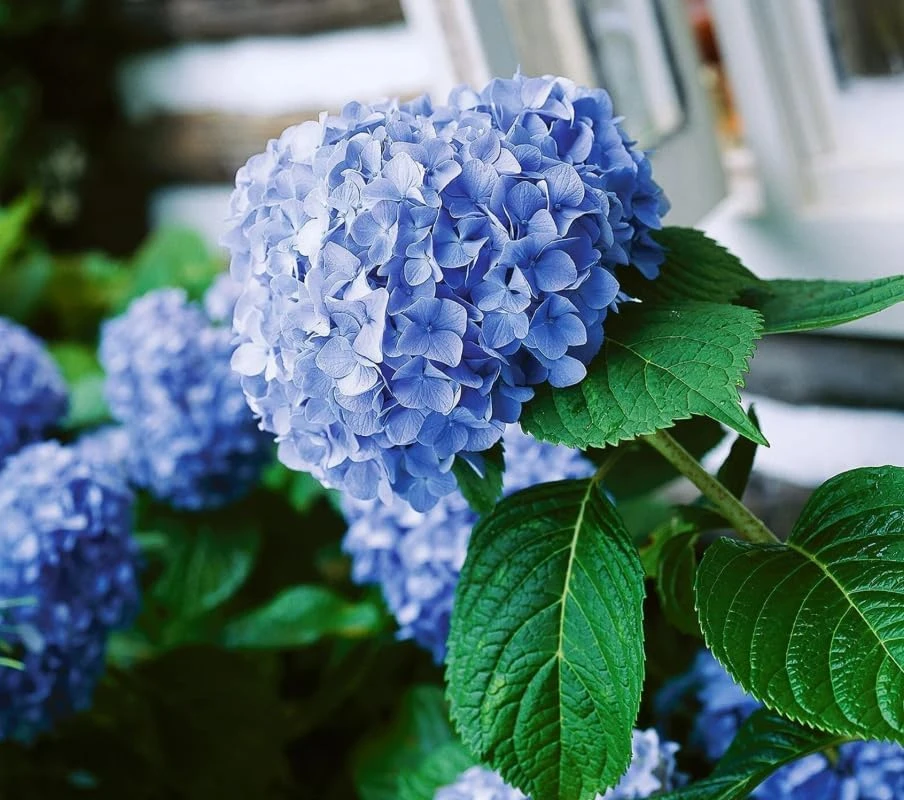
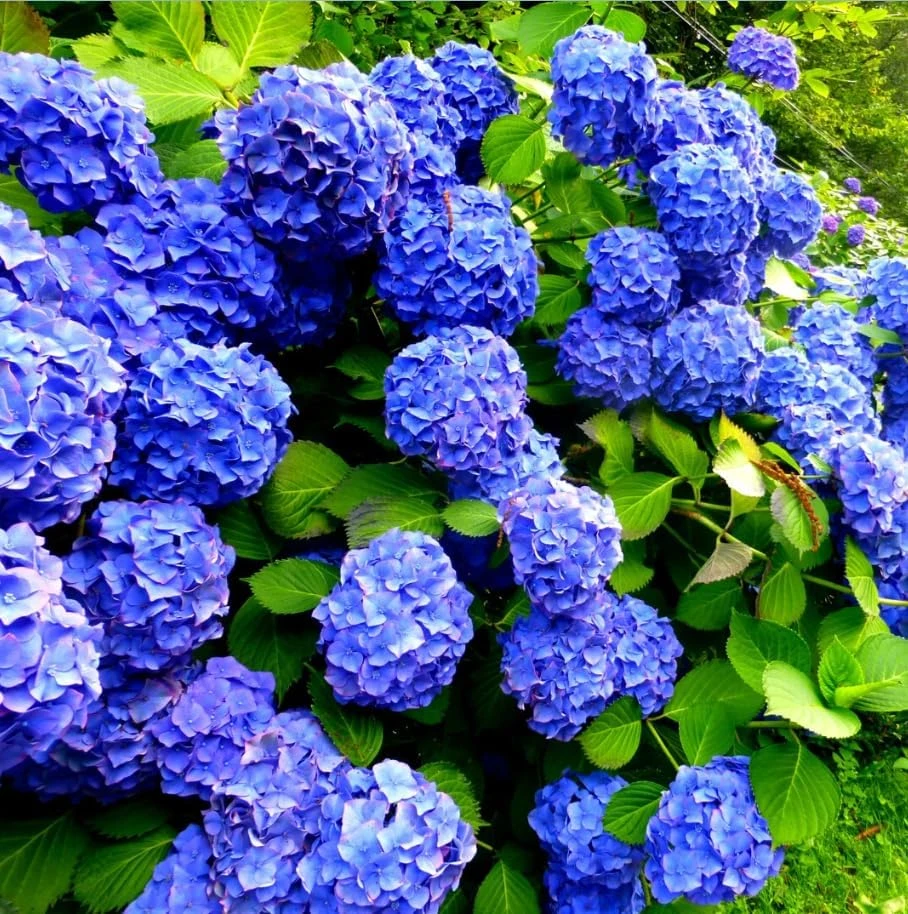
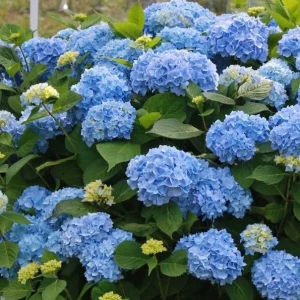
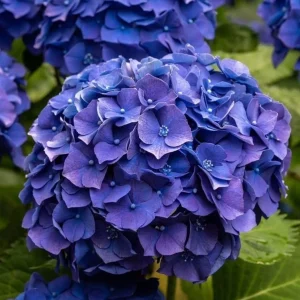
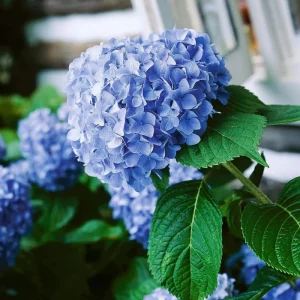
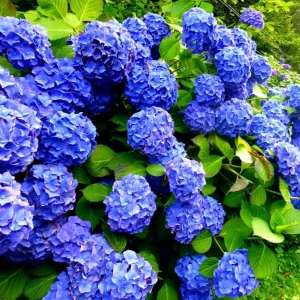
Add timeless beauty to your landscape with this blue hydrangea live plant. Featuring large, ball-shaped flower clusters, this hardy shrub arrives 6-12 inches tall in a 2.5-inch pot, ready to thrive outdoors in gardens, borders, or patio containers. Enjoy its changing blooms and fragrant presence.
-
USDA Hardiness Zone
USDA zones 5-9 -
Soil Type
Well-draining, rich, slightly acidic soil -
Sunlight Exposure
Partial shade to full sun -
Expected Planting Period
Spring to early summer

You can track your order HERE
Oct 30
Nov 04 - Nov 06
Nov 09 - Nov 13
Shipping and return policies: Our Alive & Thrive Guarantee covers issues with your plants within the first 30 days. Reach out to us. Our team will answer your questions and help you find the plants that are truly suitable for your environment, climate, and personal preferences.

Overview
Introduce a touch of classic elegance to your outdoor space with the stunning blue hydrangea live plant. This beautiful shrub is celebrated for its magnificent, large, ball-shaped flower clusters that can transform any garden or patio into a vibrant display. Each plant arrives as a well-established starter, approximately 6-12 inches tall and rooted in a 2.5-inch pot, ensuring it’s ready for planting and continued growth. Hydrangeas, known for their abundant blooms and lush foliage, are a favorite among gardeners for their ability to add dramatic visual interest. This particular variety promises fragrant, changing blooms that evolve throughout the season, offering continuous appeal and a dynamic focal point for your landscape design. Whether you’re an experienced gardener or just starting, growing a blue hydrangea live plant offers immense satisfaction.
The versatility of this blue hydrangea live plant makes it an excellent choice for various garden applications. It can serve as a striking accent plant, a beautiful addition to a garden border, or a charming container plant for patios and porches. Its robust nature and captivating flowers make it a highly desirable specimen. With proper care, this hydrangea shrub will flourish, rewarding you with its spectacular floral show year after year. The ease of care combined with its undeniable beauty ensures that this plant will be a cherished part of your garden for seasons to come. Discover the joy of cultivating a magnificent large ball hydrangea that brings color and fragrance to your home.
Key Benefits
Cultivating a blue hydrangea offers a multitude of benefits, from its aesthetic appeal to its adaptability in various garden settings. This plant is not just a visual delight but also a robust and rewarding addition to any landscape.
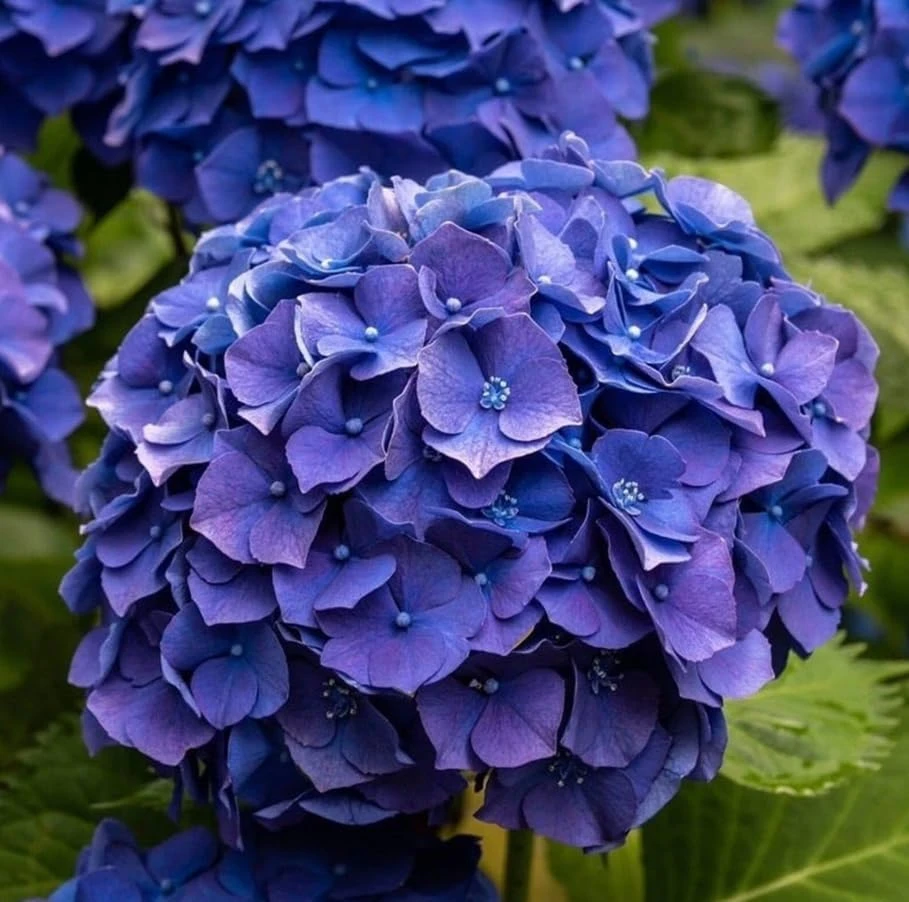
- Stunning Floral Display: Enjoy spectacular, large, ball-shaped flower clusters that provide a striking visual impact in any garden. The blooms offer a beautiful spectrum of color, often changing hues with soil pH.
- Fragrant Blooms: The flowers emit a subtle, pleasant fragrance, adding an extra sensory dimension to your outdoor living spaces and attracting beneficial pollinators.
- Versatile Landscaping: Perfect for diverse uses, this outdoor hydrangea shrub can be planted as a focal accent, integrated into garden borders, or grown in containers for flexible patio and porch decoration.
- Hardy and Resilient: Known for its hardiness, this hydrangea thrives in a range of conditions, making it a reliable choice for gardeners looking for a robust and long-lasting plant.
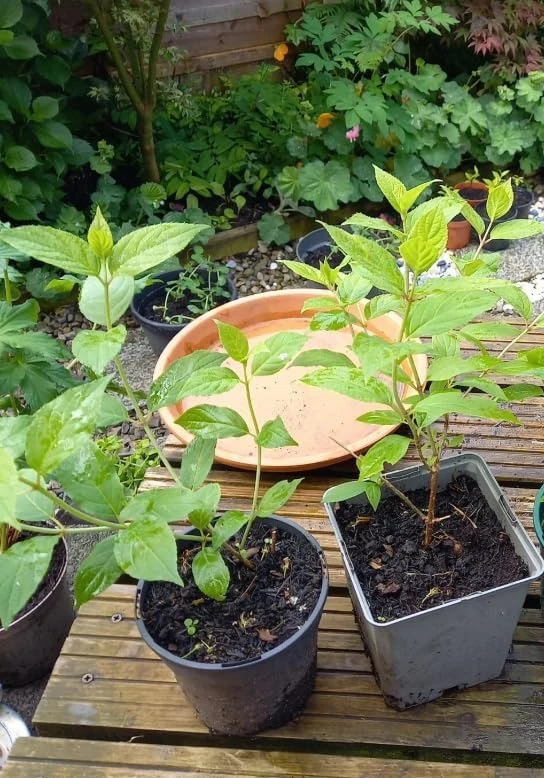
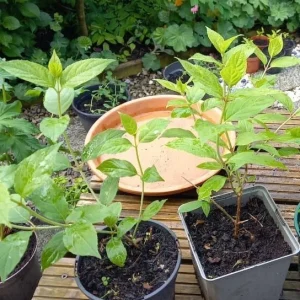
- Established Starter Plant: Arriving 6-12 inches tall in a 2.5-inch pot, it’s a well-rooted, healthy starter plant that is ready to be transplanted and flourish with proper care.
- Year-Round Interest: While most celebrated for its summer blooms, the lush foliage provides greenery through much of the growing season, contributing to continuous garden beauty.
- Attracts Pollinators: The vibrant flowers can attract butterflies and other beneficial insects to your garden, contributing to a healthy ecosystem.
Plant Care & Growing Tips
Proper care is essential for your blue hydrangea live plant to thrive and produce its magnificent blooms. Hydrangeas generally prefer a site with partial shade to full sun. In hotter climates, morning sun with afternoon shade is ideal to protect the delicate flowers from scorching. Aim for at least 4-6 hours of sunlight daily. Ensure the soil remains consistently moist, especially during dry spells and the blooming season, but avoid waterlogging. Regular watering is crucial for establishing young plants and maintaining mature ones. The plant will show signs of wilting if it’s thirsty.
This fragrant hydrangea plant prefers well-drained soil that is rich in organic matter. A slightly acidic to neutral soil pH (5.5-6.5) is generally best for blue hydrangeas, as soil acidity directly influences flower color. To encourage blue blooms, you can amend the soil with aluminum sulfate or other acidifying agents. Fertilize in early spring with a balanced slow-release fertilizer designed for flowering shrubs. Avoid over-fertilizing, which can lead to lush foliage but fewer flowers. Pruning is typically done after flowering to shape the plant and remove spent blooms, but be mindful of the specific hydrangea type, as some bloom on old wood and others on new wood. This variety generally blooms on old wood, so prune cautiously.
Protect your blue hydrangea care from harsh winter winds in colder zones by adding a layer of mulch around the base. While hardy, young plants can benefit from extra protection. Watch out for common pests like aphids or spider mites, and treat with insecticidal soap if necessary. Fungal diseases like powdery mildew can be prevented by ensuring good air circulation around the plant. With consistent care, your hydrangea will become a resilient and stunning feature in your garden, providing years of beautiful blooms and a delightful fragrance.
Size & Details
This offering includes one healthy blue hydrangea live plant, meticulously cultivated and ready for transplanting. Each plant arrives securely packaged in a 2.5-inch pot, providing a stable environment for its roots during transit. The plant stands approximately 6-12 inches tall from the base of the pot to the tip of its tallest stem, representing a well-established starter size suitable for immediate planting in your garden or a larger container. Hydrangeas are known for their moderate to fast growth rate, and with optimal conditions, this shrub can reach a mature height of 3-5 feet and a similar spread, forming a substantial and impressive bush over time. Expect the first significant blooms to appear within the first one to two growing seasons after planting, with increasingly abundant flowers as the plant matures. The changing blooms characteristic of this variety will add dynamic color to your landscape.
Frequently Asked Questions
- Q: How big does this plant get? A: This blue hydrangea live plant typically grows to a mature height and spread of 3-5 feet with proper care and growing conditions, forming a robust and attractive shrub.
- Q: What size pot does it come in? A: Each plant is shipped in a 2.5-inch nursery pot, ensuring its roots are well-contained and protected for successful transplanting into your garden or a larger decorative container.
- Q: Is this an indoor or outdoor plant? A: This is primarily an outdoor hydrangea shrub, ideal for garden beds, borders, and patio containers. While it can be briefly brought indoors for decorative purposes, it thrives outdoors with adequate sunlight and space.
- Q: How much sunlight does it need? A: This hydrangea prefers partial shade to full sun. In warmer climates, it benefits from morning sun and afternoon shade to protect its delicate blooms from intense heat. Aim for 4-6 hours of sun daily.
- Q: Is this plant easy to care for? A: Yes, with consistent watering and proper soil conditions, this blue hydrangea care is considered relatively easy, making it suitable for both beginner and experienced gardeners.
- Q: What condition will it arrive in? A: Your fragrant hydrangea plant will arrive as a healthy, live plant in a 2.5-inch pot, standing 6-12 inches tall, carefully packaged to ensure its safe journey and readiness for planting.
- Q: How long until it blooms? A: You can typically expect your hydrangea to begin producing its beautiful large ball flowers within one to two growing seasons after planting, with more abundant blooms in subsequent years as it matures.
- Q: When is the best time to plant? A: The best time to plant your hydrangea is in the spring or early fall, allowing the plant sufficient time to establish its root system before extreme summer heat or winter cold.
- Q: Will it survive winter in my zone? A: This hardy hydrangea is generally suitable for USDA zones 5-9. In colder zones, it may require winter protection, such as mulching around the base, to ensure survival.
- Q: How can I ensure blue blooms for my large ball hydrangea? A: To encourage blue blooms, ensure your soil is acidic (pH 5.5-6.5). You can amend the soil with aluminum sulfate or other acidifying agents, as soil pH directly influences the flower color.
Be the first to review “Blue Hydrangea Live Plant – Large Ball Flowers Shrub, 6-12″ Tall in 2.5″ Pot, Outdoor”
People Also Viewed








HousePlants
2 Green Swedish Ivy Live Plants, Plectranthus Verticillatus Trailing Houseplant, 4 Inch Pot
Sold 83 products
Original price was: $35.99.$20.99Current price is: $20.99.





HousePlants
Dracaena Magenta Braid Live Plant – Braided Dracaena Marginata – 6 Inch Pot – Indoor Houseplant
Sold 55 products
Original price was: $77.96.$38.98Current price is: $38.98.



Reviews
There are no reviews yet.