
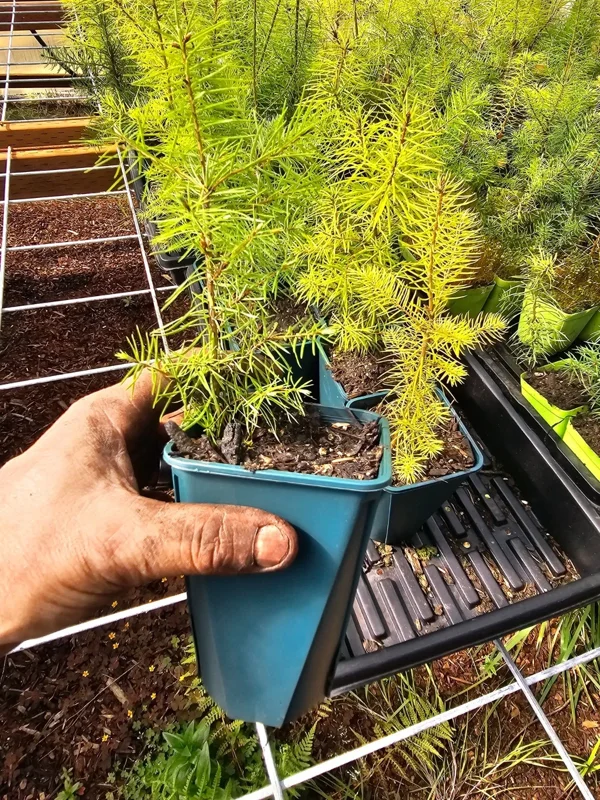
Douglas Fir Live Tree Plant – Conifer Evergreen – 6 inch Pot – Outdoor
Original price was: $52.50.$33.00Current price is: $33.00.
Cultivate a majestic landscape with this Douglas Fir live tree plant, growing robustly in a 6-inch pot. Ideal for outdoor planting, this conifer evergreen adds year-round beauty and a classic forest aesthetic to any garden or property. Enjoy its distinctive needles and strong, conical form.
-
USDA Hardiness Zone
USDA Zones 4-6 -
Soil Type
Well-draining, slightly acidic to neutral soil -
Sunlight Exposure
Full sun -
Expected Planting Period
Spring to early fall

You can track your order HERE
Sep 25
Sep 30 - Oct 02
Oct 05 - Oct 09
Shipping and return policies: Our Alive & Thrive Guarantee covers issues with your plants within the first 30 days. Reach out to us. Our team will answer your questions and help you find the plants that are truly suitable for your environment, climate, and personal preferences.

Overview
Introduce the timeless elegance of a Douglas Fir live tree plant to your outdoor space. This young Douglas Fir, scientifically known as Pseudotsuga menziesii, arrives as a vibrant specimen growing in a 6-inch pot, ready to be transplanted and thrive. Known for its distinctive soft, green needles and classic conical shape, the Douglas Fir is a beloved conifer evergreen that brings a touch of natural grandeur to any landscape. Whether you’re looking to create a windbreak, enhance your garden’s aesthetic, or cultivate a future Christmas tree, this tree offers remarkable growth and resilience. The Douglas Fir live tree plant is a fantastic choice for those seeking a durable and beautiful addition to their garden, promising years of verdant appeal and natural charm.
The Douglas Fir is not a true fir (genus Abies) but belongs to its own genus, Pseudotsuga. It is one of the most important timber trees in North America and is also widely planted for ornamental purposes due to its elegant form and adaptability. As a robust conifer evergreen tree, it maintains its foliage throughout the year, providing continuous beauty and structure even in the coldest months. This makes it an excellent focal point or a foundational element in a diverse garden design. Investing in a young Douglas Fir allows you to watch it mature into a magnificent, towering specimen.
Key Benefits
Adding a Douglas Fir live tree plant to your garden offers numerous advantages, from aesthetic appeal to ecological benefits. Its resilient nature and striking appearance make it a valuable asset for various landscape designs.
- Year-Round Greenery: As a conifer evergreen, the Douglas Fir maintains its vibrant green needles throughout all seasons, providing continuous color and life to your landscape, even in winter. This ensures your garden always looks lush and inviting.
- Stunning Visual Appeal: With its classic conical shape and soft, dense foliage, the Douglas Fir is a visually appealing tree that can serve as a majestic focal point or a beautiful backdrop in any garden setting. Its stately presence enhances curb appeal.
- Excellent for Privacy & Windbreaks: When planted in rows, these trees form dense screens that are highly effective as natural windbreaks and privacy hedges. The thick foliage helps to reduce noise and create a secluded outdoor environment, making it a practical outdoor evergreen plant.
- Wildlife Habitat: Mature Douglas Firs provide shelter and nesting sites for various birds and small animals, contributing to local biodiversity. Their cones also offer a food source for squirrels and other wildlife, enriching your garden’s ecosystem.
- Low Maintenance Once Established: While young trees require consistent care, established Douglas Firs are remarkably hardy and low-maintenance. They are drought-tolerant and disease-resistant, making them a sustainable choice for gardeners of all experience levels, simplifying your Douglas Fir tree care.
- Versatile Landscaping Use: From specimen trees to forest regeneration projects, the Douglas Fir is incredibly versatile. It can be used in large gardens, parks, or even as a living Christmas tree that can be planted after the holidays.
- Air Purification: Like all trees, the Douglas Fir contributes to air purification by absorbing carbon dioxide and releasing oxygen, helping to improve air quality around your home.
Plant Care & Growing Tips
Proper Douglas Fir tree care is crucial for its healthy establishment and vigorous growth. While these trees are generally hardy, providing the right conditions from the start will ensure your young tree thrives into maturity. Douglas Firs thrive in full sun, meaning they need at least 6-8 hours of direct sunlight per day. Choose a planting location that receives ample light, away from structures or other trees that might cast too much shade. They can tolerate some partial shade, especially in hotter climates, but full sun promotes the best growth and density. Ensure good air circulation around the tree to prevent fungal issues.
When it comes to watering, young Douglas Firs require consistent moisture, particularly during dry spells in their first few years. Water deeply once or twice a week, allowing the top few inches of soil to dry out slightly between waterings. Avoid overwatering, which can lead to root rot. Once established, these trees are quite drought-tolerant and may only need supplemental watering during extended periods of extreme dryness. The ideal soil for growing Douglas Fir is well-draining, slightly acidic to neutral (pH 5.0-7.0), and rich in organic matter. Loamy or sandy-loam soils are preferred. If your soil is heavy clay, amend it with compost or sand to improve drainage. Good drainage is paramount to prevent waterlogged roots.
Douglas Firs are cold-hardy and generally thrive in USDA Hardiness Zones 4-6, but some varieties can extend to Zone 7 or 8. They prefer cool, moist climates and can tolerate temperatures well below freezing. Fertilization is not always necessary for healthy trees in good soil, but a balanced, slow-release evergreen fertilizer can be applied in early spring to encourage growth, especially for young or struggling trees. Follow product instructions carefully to avoid over-fertilization. Common problems include needle cast diseases and various pests like aphids or bark beetles. Maintaining good cultural practices, such as proper watering and air circulation, can help prevent most issues. Promptly address any signs of disease or pest infestation with appropriate organic or chemical treatments as needed to ensure your conifer evergreen tree remains healthy.
Size & Details
This Douglas Fir live tree plant is currently growing in a 6-inch nursery pot, making it a manageable size for transport and initial planting. At this stage, the tree typically stands about 12-18 inches tall, with a compact width, allowing for easy handling. It ships as a healthy, rooted plant, carefully packaged to ensure its safe arrival. The growth rate of a Douglas Fir is considered moderate to fast, often adding 1-2 feet of height per year under optimal conditions. With proper care, this young tree will quickly establish itself and begin its journey towards becoming a magnificent, towering specimen.
Expected to reach impressive heights of 40-80 feet or more at maturity, with a spread of 15-25 feet, this tree requires ample space to grow into its full potential. It maintains its classic conical shape from a young age, developing a strong central leader and dense branching. While it will take many years to reach its full mature size, the initial growth is relatively quick, providing a rewarding experience for those interested in growing Douglas Fir from a smaller plant. It is delivered as a live, healthy plant in its nursery container, ready for immediate transplanting into your garden.
Frequently Asked Questions
- Q: How big does this Douglas Fir plant get? A: This Douglas Fir live tree plant is currently in a 6-inch pot, typically 12-18 inches tall. At maturity, Douglas Firs can reach impressive heights of 40-80 feet or more with a spread of 15-25 feet, so ensure it has ample space to grow.
- Q: Is this an indoor or outdoor plant? A: The Douglas Fir is primarily an outdoor evergreen plant. It requires full sun and thrives in temperate climates, making it unsuitable for long-term indoor cultivation.
- Q: How much sunlight does it need? A: Douglas Fir trees prefer full sun, meaning at least 6-8 hours of direct sunlight per day. While they can tolerate some partial shade, full sun promotes the best growth and needle density.
- Q: Is this plant easy to care for? A: While young trees require consistent watering and care during establishment, mature Douglas Firs are relatively low-maintenance, hardy, and drought-tolerant. They are a good choice for those looking for a resilient conifer evergreen tree.
- Q: What condition will it arrive in? A: Your Douglas Fir live tree plant will arrive as a healthy, rooted plant in its 6-inch nursery pot, carefully packaged to protect it during transit and ensure it reaches you in excellent condition, ready for planting.
- Q: When is the best time to plant a Douglas Fir? A: The best time for planting a Douglas Fir is in the spring or early fall, allowing the roots to establish before the extremes of summer heat or winter cold. This helps reduce transplant shock and ensures successful growing Douglas Fir.
- Q: What kind of soil does it need? A: Douglas Firs prefer well-draining, slightly acidic to neutral soil that is rich in organic matter. Amending heavy clay soils with compost can improve drainage and provide a better growing environment.
- Q: Will it survive winter in my zone? A: Douglas Firs are very cold-hardy and typically thrive in USDA Hardiness Zones 4-6, with some varieties extending to Zone 7 or 8. They are well-adapted to cold winters and maintain their foliage year-round.
- Q: How often should I water my young Douglas Fir? A: Young Douglas Firs need consistent moisture. Water deeply once or twice a week, allowing the top few inches of soil to dry out between waterings. Reduce frequency as the tree matures and becomes established.
- Q: Can I use this for a living Christmas tree? A: Yes, a young Douglas Fir live tree plant makes an excellent living Christmas tree. After the holidays, it can be planted outdoors to continue growing and provide year-round beauty to your landscape.
Be the first to review “Douglas Fir Live Tree Plant – Conifer Evergreen – 6 inch Pot – Outdoor”
People Also Viewed
HousePlants
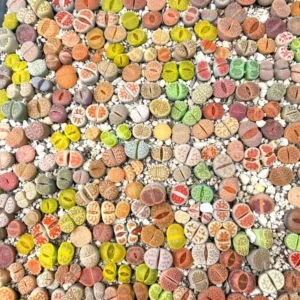
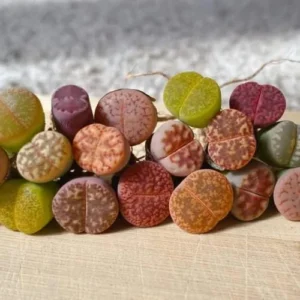
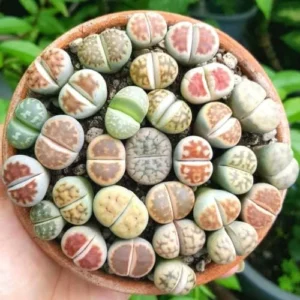
Lithops Live Plants Mix – 30 Colorful Succulents – Living Stones for Indoor/Outdoor Planting
Sold 70 products
Original price was: $65.98.$32.99Current price is: $32.99.
Sold 96 products
Original price was: $33.90.$18.90Current price is: $18.90.
Flower Seeds
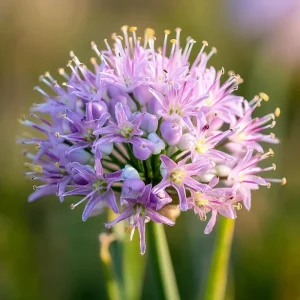
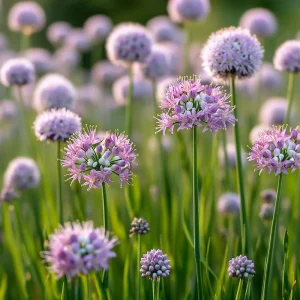
Allium stellatum Prairie Onion Seeds – 100 Count, Lavender-Purple Blooms, Pollinator Friendly
Sold 97 products
Original price was: $32.99.$12.99Current price is: $12.99.
HousePlants
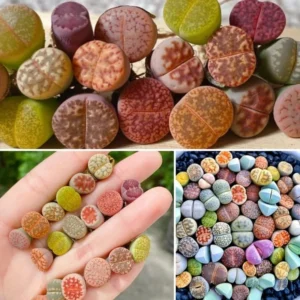
Lithops Live Plants Mix – 10 Large Colorful Living Stones Succulents for Indoor/Outdoor Growing
Sold 75 products
Original price was: $27.98.$13.99Current price is: $13.99.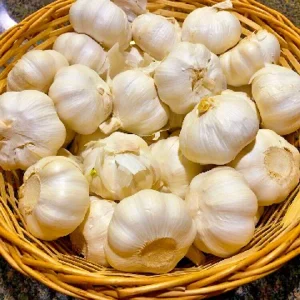
Vegetables
German Red Hardneck Garlic Bulbs – Organic Heirloom for Planting & Cooking – 1/2 lb to 10 lbs
Sold 78 products
From $23.28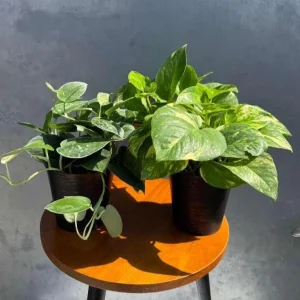
HousePlants
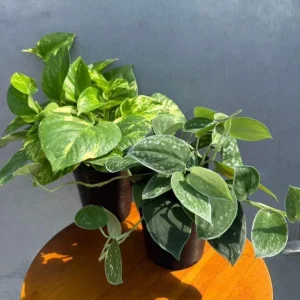
Set of 2 Pothos Live Plants – Golden & Silver Pothos in 4 inch Pots, Indoor Variegated Houseplants
Sold 77 products
Original price was: $79.92.$39.96Current price is: $39.96.





Reviews
There are no reviews yet.