
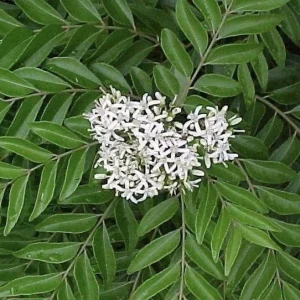
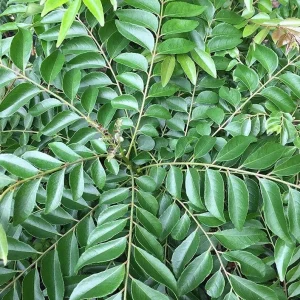
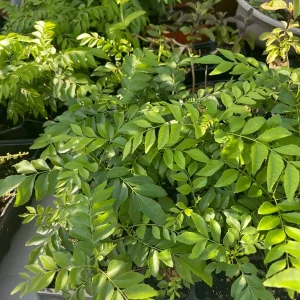
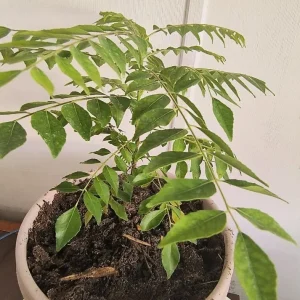
Curry Leaf Live Plant – 5-9 inches Tall in 4 inch Pot – Culinary Herb
Original price was: $31.99.$28.99Current price is: $28.99.
Bring the authentic taste of Indian cuisine to your kitchen with a vibrant curry leaf live plant. This aromatic herb is 5-9 inches tall and comes in a convenient 4-inch pot, ready to thrive indoors or outdoors in warm climates. Known for its distinct flavor and fragrance, it’s a must-have for any culinary enthusiast.
-
USDA Hardiness Zone
USDA zones 9–11 -
Soil Type
Well-draining potting mix -
Sunlight Exposure
Full sun to partial shade -
Expected Planting Period
Year-round indoors, spring to early summer outdoors

You can track your order HERE
Sep 16
Sep 21 - Sep 23
Sep 26 - Sep 30
Shipping and return policies: Our Alive & Thrive Guarantee covers issues with your plants within the first 30 days. Reach out to us. Our team will answer your questions and help you find the plants that are truly suitable for your environment, climate, and personal preferences.

Overview
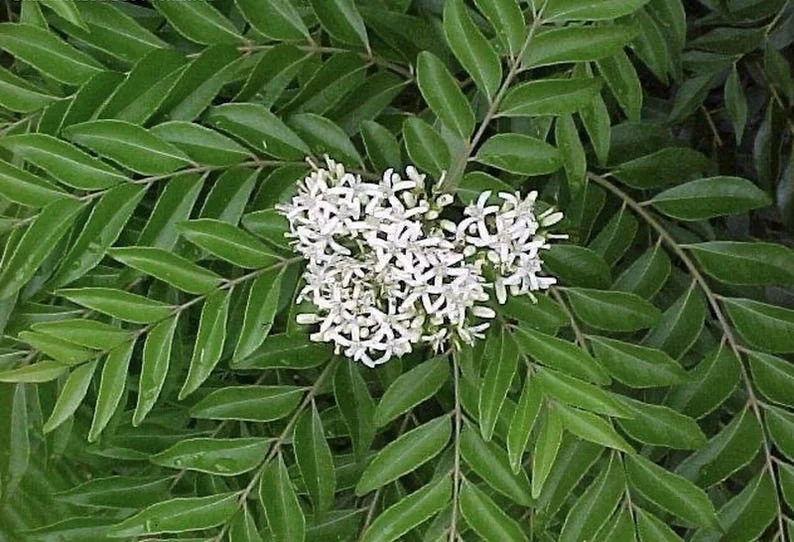
Discover the joy of growing your own fresh herbs with this beautiful curry leaf live plant. Revered for its distinctive aromatic leaves, the curry leaf plant (Murraya koenigii), also known as karivepaku plant, is a staple in South Asian cooking. This particular specimen stands proudly at 5-9 inches tall, nestled in a 4-inch nursery pot, making it an ideal size for immediate enjoyment or transplanting. Unlike common curry powder, which is a spice blend, true curry leaves offer a unique, pungent, and slightly nutty flavor that is irreplaceable in authentic dishes. This live plant not only provides a continuous supply of fresh leaves but also adds a lush, green, and fragrant element to your home or garden. Whether you’re an experienced chef or a budding gardener, cultivating a curry leaf live plant is a rewarding experience that promises fresh, vibrant flavors right at your fingertips.
Key Benefits
Owning a curry leaf live plant offers a multitude of benefits, from enhancing your culinary creations to enriching your living space. This versatile herb is more than just a kitchen ingredient; it’s a living, breathing addition that brings both aesthetic and practical advantages.
- Authentic Culinary Flavor: Enjoy the unparalleled, fresh, and slightly pungent flavor that only fresh curry leaves can provide. Elevate your curries, stir-fries, and traditional dishes with leaves picked directly from your own curry leaf live plant, ensuring the highest quality and potency.
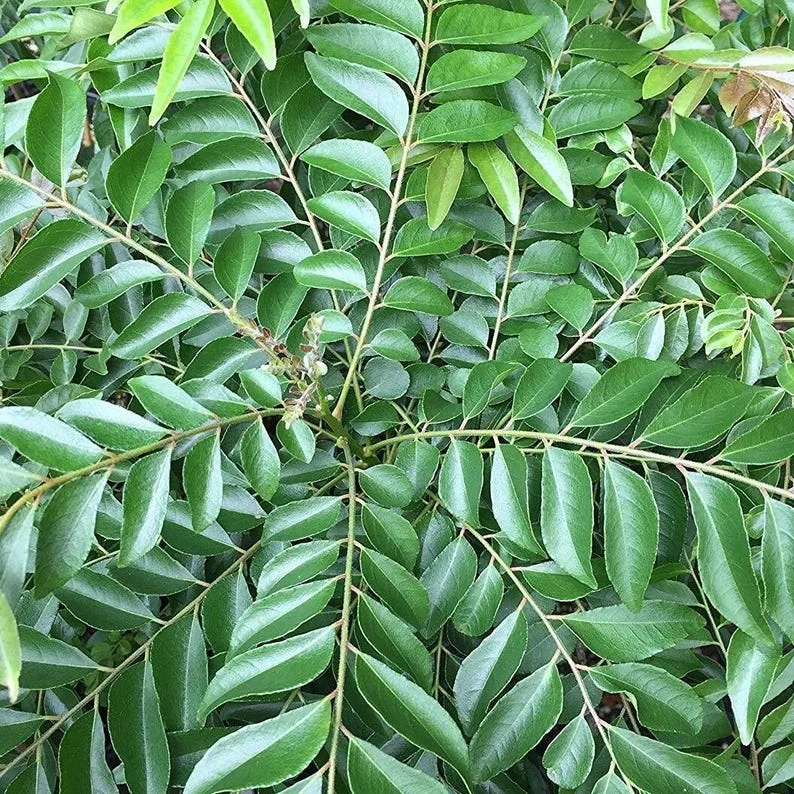
- Aromatic & Decorative: The glossy, dark green foliage of the murraya koenigii plant is not only beautiful but also emits a subtle, pleasant aroma, making it a wonderful decorative plant for windowsills, patios, or garden beds. It adds a touch of exotic greenery to any setting.
- Health & Wellness: Curry leaves are rich in antioxidants and are traditionally used in Ayurvedic medicine for their various health properties. Growing your own ensures a pesticide-free source of these beneficial leaves.
- Easy to Grow: This plant is relatively low-maintenance, thriving in warm climates and well-draining soil. With proper care, even beginner gardeners can successfully grow a flourishing curry leaf live plant, providing a continuous harvest.
- Continuous Supply: Forget about searching for fresh curry leaves at specialty stores. With your own plant, you’ll have a constant, convenient supply of fresh leaves whenever inspiration strikes in the kitchen.
- Educational Experience: Growing herbs from scratch can be a fun and educational experience for families, teaching about plant life cycles and sustainable living.
- Adaptable Growth: The curry tree indoor can be grown in containers, allowing you to bring it indoors during colder months, making it suitable for a wider range of climates.
Plant Care & Growing Tips
Caring for your curry leaf live plant is straightforward, especially if you provide it with the right conditions. This tropical to subtropical plant thrives in warm, humid environments, but can adapt to various settings with a little attention. For optimal growth, ensure it receives plenty of sunlight. A minimum of 6-8 hours of direct sunlight per day is ideal, making a south-facing window or a sunny outdoor spot perfect. If growing indoors, consider supplementing with a grow light during shorter winter days to encourage lush foliage. The curry leaf plant care routine primarily revolves around light, water, and soil.
When it comes to watering, the key is consistency without overwatering. Allow the top inch or two of the soil to dry out between waterings. Stick your finger into the soil; if it feels dry, it’s time to water thoroughly until water drains from the bottom of the pot. Avoid letting the plant sit in standing water, as this can lead to root rot. Well-draining soil is crucial; a good quality potting mix amended with perlite or sand will provide the necessary drainage. Fertilize your curry leaf live plant every 4-6 weeks during the growing season (spring and summer) with a balanced liquid fertilizer. Reduce fertilization in fall and winter. The plant prefers temperatures above 50°F (10°C) and can be sensitive to frost. If you live in a colder climate, bring your curry tree indoor when temperatures drop. Common problems include yellowing leaves (often due to overwatering or nutrient deficiency) and pests like spider mites, which can usually be managed with neem oil or insecticidal soap.
Size & Details
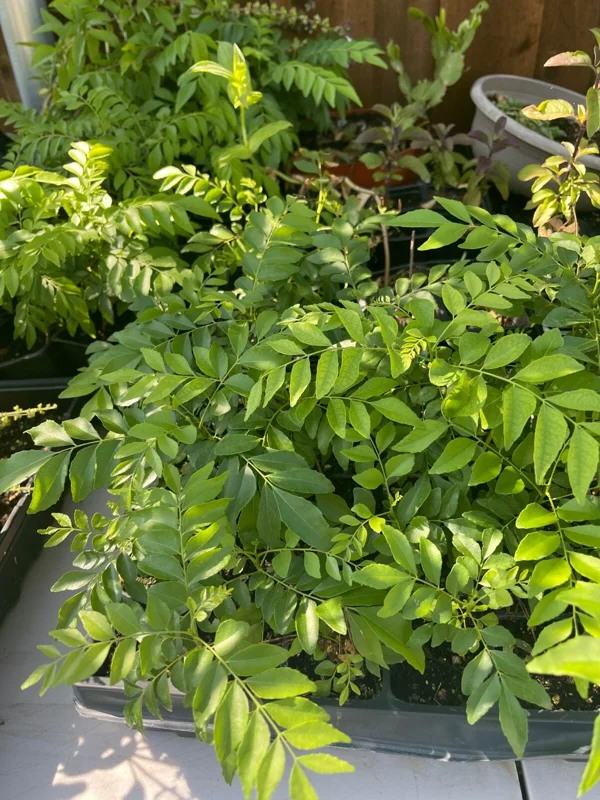
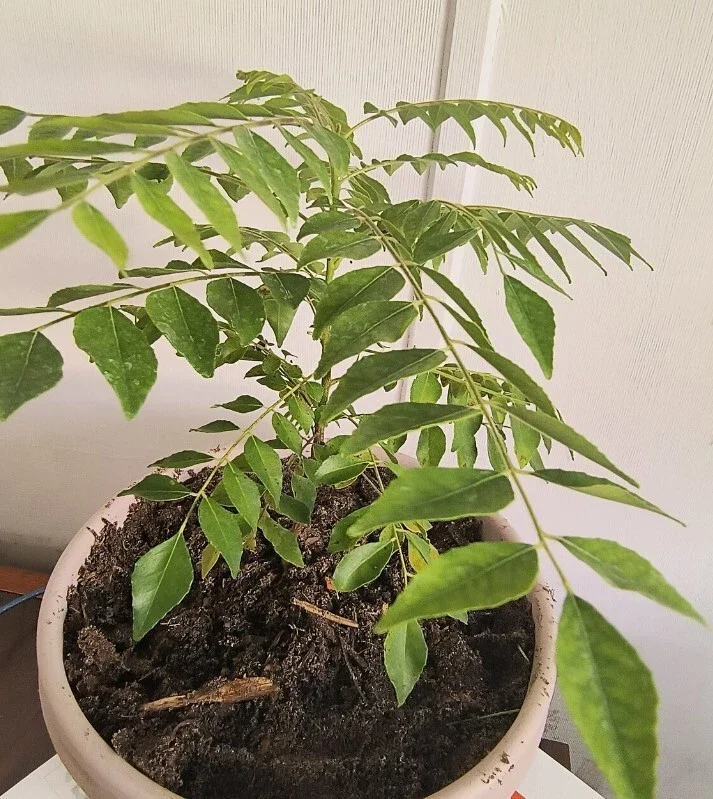
This offering is for one vigorous curry leaf live plant, measuring approximately 5 to 9 inches in height from the soil line to the tip of the tallest leaf. It comes pre-potted in a standard 4-inch nursery container, providing a healthy root system and a solid foundation for continued growth. The plant is ready for immediate enjoyment or can be transplanted into a larger pot upon arrival, allowing its roots more space to expand. Curry leaf plants have a moderate growth rate and can eventually reach heights of 6-15 feet in ideal outdoor conditions, though they remain much smaller and more manageable when grown in containers indoors. Expect your plant to continue growing and producing fresh leaves throughout the warm seasons, ready for your culinary adventures. This karivepaku plant is shipped carefully to ensure it arrives in excellent condition, ready to flourish in its new home.
Frequently Asked Questions
- Q: How big does this plant get? A: This curry leaf live plant is currently 5-9 inches tall. When grown in a container, it can typically reach 2-5 feet in height, while in ideal outdoor conditions, it can become a small tree of 6-15 feet. Regular pruning can help maintain a desired size.
- Q: What size pot does it come in? A: The plant is shipped in a 4-inch nursery pot, providing a healthy start for your new herb. You can keep it in this pot for a while or transplant it to a slightly larger container upon arrival.
- Q: Is this an indoor or outdoor plant? A: The curry leaf live plant can thrive both indoors and outdoors. It prefers warm climates (USDA Zones 9-11) and can be grown outdoors year-round in these regions. In colder climates, it should be brought indoors during winter months, making it an excellent curry tree indoor option.
- Q: How much sunlight does it need? A: Curry leaf plants love sunlight. They require at least 6-8 hours of direct sun per day for optimal growth. Indoors, place it near a bright, south-facing window or use a grow light.
- Q: Is this plant easy to care for? A: Yes, curry leaf plant care is considered relatively easy. It’s a hardy plant that mainly needs consistent sunlight, well-draining soil, and proper watering. It’s a great choice for both novice and experienced gardeners.
- Q: What condition will it arrive in? A: Your curry leaf live plant will be carefully packaged to ensure it arrives healthy and vibrant, ready to be placed in your home or garden. We take great care in shipping live plants.
- Q: Can I use curry leaf in cooking? A: Absolutely! Fresh curry leaves are essential for authentic South Indian, Sri Lankan, and other Asian cuisines. They add a unique, aromatic flavor to curries, dals, chutneys, and stir-fries.
- Q: Is it pet-safe? A: While curry leaves are widely consumed by humans, it’s always best to consult with a veterinarian regarding specific plants and pet safety. Generally, large quantities of any plant material can cause digestive upset in pets.
- Q: When is the best time to plant? A: If you’re transplanting your karivepaku plant, spring or early summer is generally the best time when temperatures are consistently warm. However, potted plants can be maintained indoors year-round.
- Q: Will it survive winter in my zone? A: If you are in USDA Zones 9-11, your murraya koenigii can likely survive outdoors year-round. In colder zones (below Zone 9), it must be protected from frost and brought indoors during winter.
Be the first to review “Curry Leaf Live Plant – 5-9 inches Tall in 4 inch Pot – Culinary Herb”
People Also Viewed
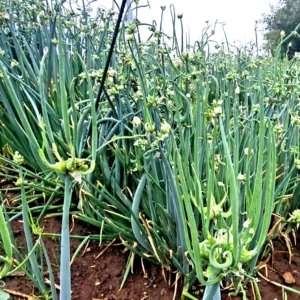
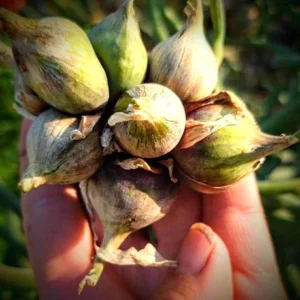
Vegetables
Egyptian Walking Onions – 5 Large Organic Bulbs – Multiplier Tree Onion – Perennial Heirloom
Sold 80 products
Original price was: $59.96.$29.98Current price is: $29.98.
Sold 80 products
Original price was: $427.96.$213.98Current price is: $213.98.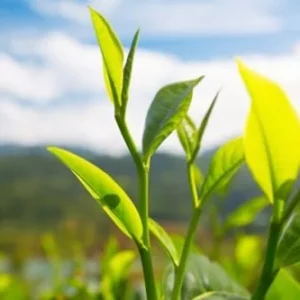
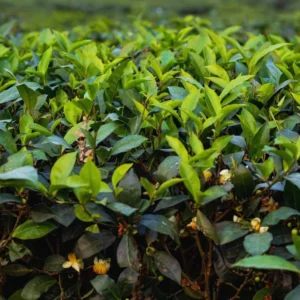
Sold 89 products
Original price was: $39.98.$19.99Current price is: $19.99.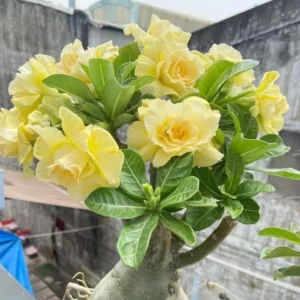
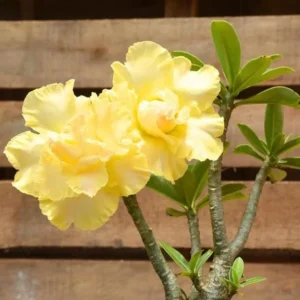
Sold 62 products
Original price was: $120.72.$40.24Current price is: $40.24.
Sold 50 products
Original price was: $79.96.$39.98Current price is: $39.98.
Sold 61 products
Original price was: $72.99.$65.96Current price is: $65.96.

Sold 89 products
Original price was: $22.76.$11.38Current price is: $11.38.
Sold 62 products
Original price was: $62.98.$31.49Current price is: $31.49.
Sold 79 products
From $18.99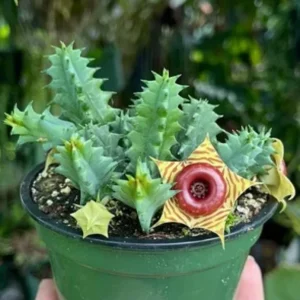
Succulents
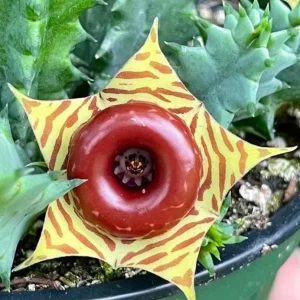
Huernia zebrina Lifesaver Cactus – 2″ Potted Starfish Succulent Live Plant – Unique Flowering Indoor
Sold 78 products
Original price was: $37.48.$18.74Current price is: $18.74.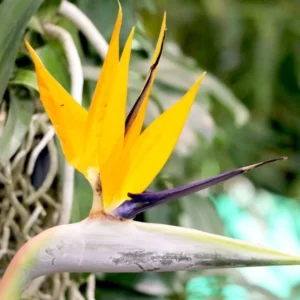
Flower Plants
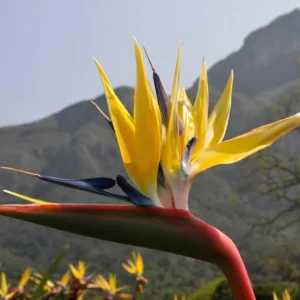
Yellow Bird of Paradise Plant Live Houseplant 5-10 Inches Tropical Strelitzia Reginae Bush
Sold 79 products
Original price was: $19.92.$9.96Current price is: $9.96.
Sold 100 products
Original price was: $59.88.$29.94Current price is: $29.94.
Sold 98 products
Original price was: $77.08.$38.54Current price is: $38.54.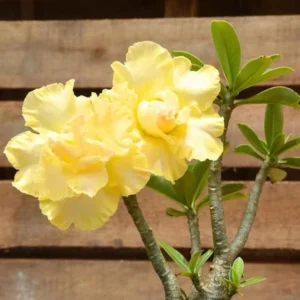
Sold 83 products
Original price was: $77.97.$25.99Current price is: $25.99.
Sold 53 products
Original price was: $125.96.$62.98Current price is: $62.98.
Sold 96 products
Original price was: $247.96.$123.98Current price is: $123.98.
Sold 95 products
Original price was: $65.86.$59.36Current price is: $59.36.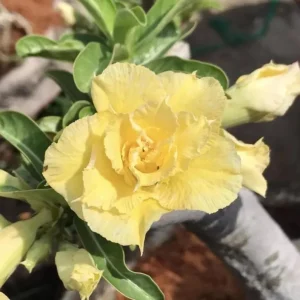
Succulents
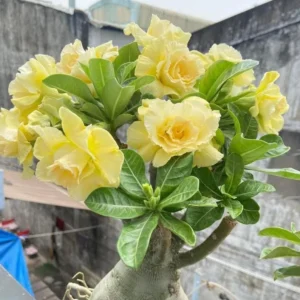
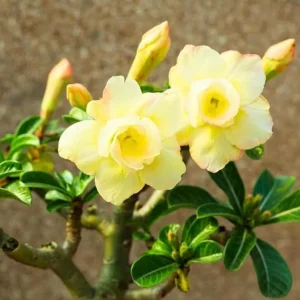
Double Yellow Desert Rose Live Plant – Adenium Obesum Starter – 6-8″ Tall – Yellow Flowers
Sold 51 products
Original price was: $47.98.$23.99Current price is: $23.99.




%20Live%20Plant%20–%202-3%20Feet%20Tall%20–%20Shipped%20in%203%20Gallon%20Pot&url=https://gardennursery.net/product/mickey-mouse-plant-ochna-serrulata-live-plant-2-3-feet-tall-shipped-in-3-gallon-pot/&media=https://img.gardennursery.net/2026/01/mickey-mouse-plant-ochna-serrulata-live-plant-2-3-0da5d8a0.webp)


Reviews
There are no reviews yet.