
Rhubarb Victoria Live Plant – 4 Inch Pot, Perennial Vegetable for Gardens
Original price was: $33.00.$24.98Current price is: $24.98.
Bring homegrown flavor to your garden with the rhubarb victoria live plant. This vigorous perennial vegetable plant, known for its delicious tart stalks, arrives in a 4-inch nursery pot ready for planting. Enjoy abundant harvests for pies, crumbles, and sauces.
-
USDA Hardiness Zone
USDA Zones 3-8 -
Soil Type
Rich, well-draining soil with organic matter -
Sunlight Exposure
Full sun (6-8 hours daily) -
Expected Planting Period
Early spring to late fall

You can track your order HERE
Nov 07
Nov 12 - Nov 14
Nov 17 - Nov 21
Shipping and return policies: Our Alive & Thrive Guarantee covers issues with your plants within the first 30 days. Reach out to us. Our team will answer your questions and help you find the plants that are truly suitable for your environment, climate, and personal preferences.

Overview
Bring the joy of homegrown produce to your garden with the rhubarb victoria live plant. This vigorous perennial vegetable, scientifically known as Rheum rhabarbarum ‘Victoria’, is a classic choice for gardeners seeking a reliable and productive crop. Arriving in a 4-inch nursery pot, this young plant is ready to be transplanted into your garden, offering the promise of delicious, tart stalks for years to come. The ‘Victoria’ variety is particularly prized for its robust growth, large yields, and excellent flavor, making it a favorite for pies, crumbles, sauces, and preserves. Imagine harvesting your own fresh rhubarb, knowing exactly where it came from and how it was grown.
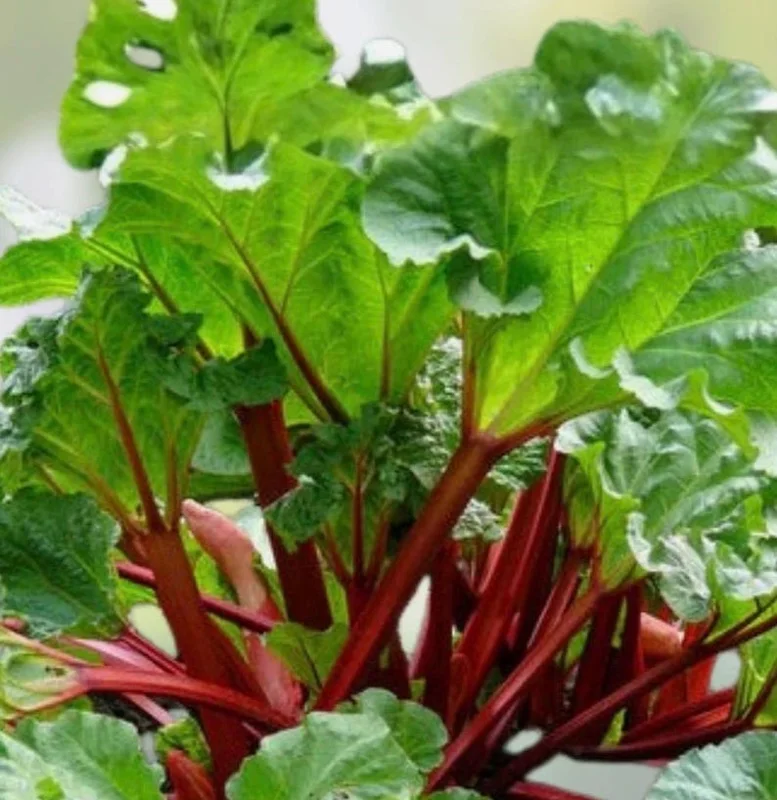
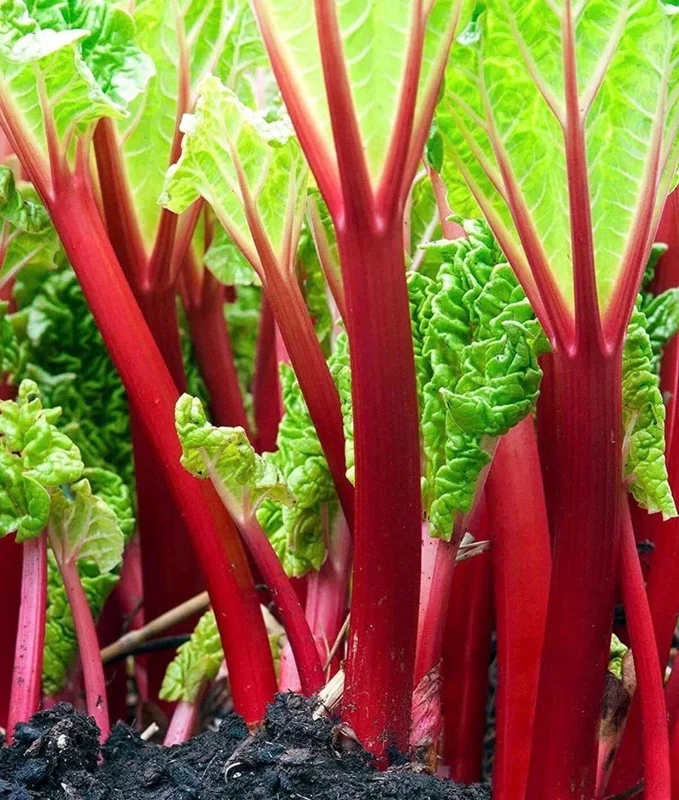
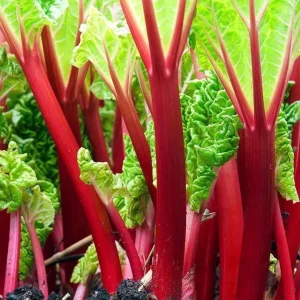
The rhubarb victoria live plant is a true garden staple, known for its striking large leaves and thick, edible petioles (stalks). While the leaves are toxic and should never be consumed, the vibrant red and green stalks are a culinary delight. This plant thrives in temperate climates, establishing itself quickly and returning year after year with minimal fuss. Whether you’re an experienced gardener or just starting out, growing rhubarb is a rewarding experience that adds both beauty and bounty to your outdoor space. It’s an investment in future meals and a testament to sustainable living.
Key Benefits
The rhubarb victoria live plant offers numerous advantages for any home gardener, extending beyond just its delicious flavor. Cultivating this plant provides both practical and aesthetic benefits that enhance your outdoor living:
- Culinary Versatility: The primary benefit of the rhubarb victoria live plant is its delicious and versatile stalks. Perfect for sweet and savory dishes, rhubarb can be transformed into pies, tarts, jams, sauces, and even savory glazes. Its unique tartness adds a delightful zing to any recipe, making it a garden essential for food enthusiasts.
- Hardy Perennial Growth: Once established, this victoria rhubarb plant will return year after year, providing a consistent harvest without the need for annual replanting. It’s a low-maintenance crop that offers long-term value and enjoyment, thriving in various conditions and becoming more robust with age.
- Striking Garden Presence: With its large, architectural leaves and often reddish stalks, Rheum rhabarbarum adds a dramatic visual element to garden beds. It can serve as an attractive backdrop for smaller plants or as a standalone feature, contributing to the overall beauty and structure of your landscape.
- Easy to Grow: Rhubarb is known for its resilience and ease of cultivation. It tolerates a range of soil types and can withstand colder temperatures, making it suitable for many climates. Even beginner gardeners can achieve success with this forgiving perennial.
- Sustainable & Organic Potential: Growing your own perennial vegetable plant allows you to control the growing conditions, ensuring a fresh, chemical-free harvest. It promotes sustainable gardening practices and reduces reliance on store-bought produce, offering a healthier option for your family.
Plant Care & Growing Tips
Caring for your rhubarb victoria live plant is straightforward, ensuring a bountiful harvest for many years. Rhubarb is a robust plant, but providing optimal conditions will maximize its growth and productivity. It thrives in full sun, meaning at least 6-8 hours of direct sunlight per day. While it can tolerate partial shade, too little sun will result in smaller stalks and reduced vigor. Choose a location in your garden that receives ample sunlight throughout the day, away from competing tree roots.
When it comes to soil, growing rhubarb prefers rich, well-draining soil with a slightly acidic to neutral pH (6.0-6.8). Amend your planting site with plenty of organic matter, such as compost or well-rotted manure, to improve fertility and drainage. Good drainage is crucial, as rhubarb does not like wet feet. Water regularly, especially during dry spells and in the first year of establishment, aiming for consistently moist but not waterlogged soil. Once established, rhubarb is fairly drought-tolerant but will produce better with consistent moisture. Fertilize in early spring with a balanced organic fertilizer or a side dressing of compost to support vigorous growth. Remove any flower stalks as they appear, as flowering can divert energy from stalk production.
This perennial vegetable plant is cold-hardy and generally thrives in USDA Zones 3-8. It requires a period of cold dormancy to produce well. In colder zones, apply a thick layer of mulch around the crown in late fall to protect it from harsh winter temperatures. Pests and diseases are generally not a major issue for victoria rhubarb plant, but keep an eye out for slugs, snails, and rhubarb curculio. Good garden hygiene and proper spacing can help prevent most problems. Remember, the leaves are toxic, so always harvest only the stalks and dispose of the leaves safely, away from pets and children.
Size & Details
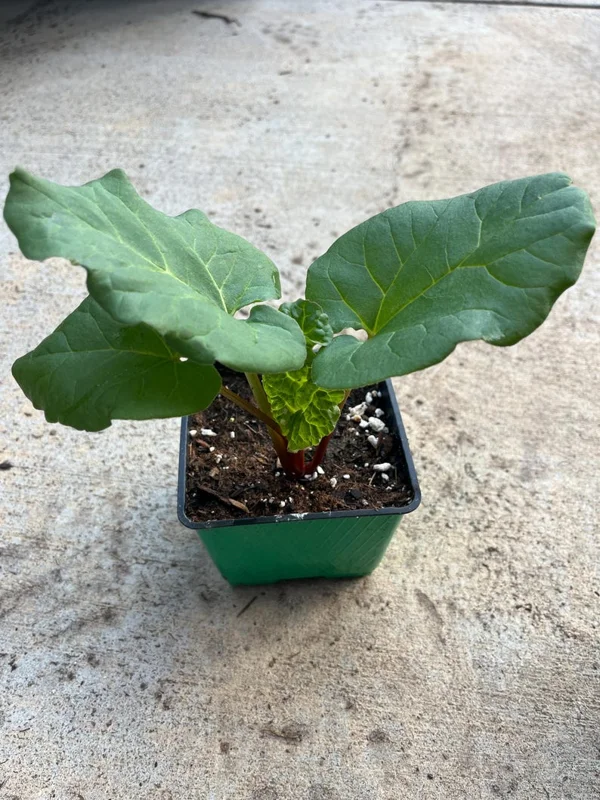
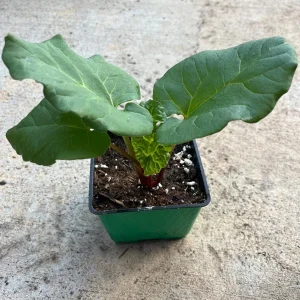
This offering is for one healthy rhubarb victoria live plant, shipped in a 4-inch nursery pot. The plant will arrive with established roots and several young leaves, ready for transplanting into your garden or a larger container. At maturity, a ‘Victoria’ rhubarb plant can reach an impressive size, typically growing 2-3 feet tall and spreading 3-4 feet wide, with some specimens growing even larger under ideal conditions. The thick, succulent stalks can grow up to 2 feet long, offering a substantial harvest.
The victoria rhubarb plant exhibits a moderate to fast growth rate once established, with the first harvest usually possible in the second year after planting. For best results, allow the plant to establish fully in its first year, refraining from harvesting. By the second year, you can begin harvesting lightly, and by the third year, the plant will be in full production, providing abundant stalks from spring through early summer. This long-lived perennial vegetable plant can remain productive for 10-15 years or more with proper care, making it a valuable addition to any home garden.
Frequently Asked Questions
- Q: How big does this plant get? A: A mature rhubarb victoria live plant typically grows 2-3 feet tall and spreads 3-4 feet wide. Its large leaves and robust stalks create a significant presence in the garden once fully established.
- Q: Is this an indoor or outdoor plant? A: Rhubarb is primarily an outdoor plant. It requires a cold dormancy period to thrive and produce well, making it unsuitable for long-term indoor cultivation. It is a hardy perennial for garden beds.
- Q: How much sunlight does it need? A: For optimal growth and production, the victoria rhubarb plant needs full sun, which means at least 6-8 hours of direct sunlight per day. It can tolerate partial shade, but yields may be reduced.
- Q: Is this plant easy to care for? A: Yes, rhubarb is considered an easy-to-care-for perennial. Once established, it requires minimal maintenance beyond regular watering during dry spells and annual fertilization. It’s a great choice for beginners.
- Q: What condition will it arrive in? A: Your rhubarb victoria live plant will arrive as a healthy, rooted plant in a 4-inch nursery pot, carefully packaged to ensure its safe journey. It will be ready for immediate planting upon arrival.
- Q: When is the best time to plant this perennial vegetable plant? A: The best time to plant rhubarb is in early spring as soon as the soil can be worked. It can also be planted in late fall in milder climates, allowing roots to establish before winter.
- Q: Can I eat the leaves of the rhubarb plant? A: No, the leaves of the rheum rhabarbarum plant are toxic due to high levels of oxalic acid and should never be consumed. Only the stalks are edible.
- Q: How long until I can harvest rhubarb? A: It’s best to wait until the second year after planting to begin a light harvest. By the third year, your rhubarb plant should be fully established and ready for a more substantial harvest.
- Q: What’s the minimum temperature this plant can tolerate? A: The ‘Victoria’ rhubarb is very cold-hardy, typically thriving in USDA Zones 3-8. It can tolerate winter temperatures well below freezing, requiring a cold period for proper dormancy.
- Q: What kind of soil is best for growing rhubarb? A: Rhubarb prefers rich, well-draining soil with plenty of organic matter. A slightly acidic to neutral pH (6.0-6.8) is ideal for this perennial vegetable plant.










Reviews
There are no reviews yet.