
Kabocha Squash Live Plant – Japanese Pumpkin Winter Squash, 4″ Pot, Outdoor
Original price was: $33.00.$24.98Current price is: $24.98.
Bring the taste of autumn to your garden with a healthy kabocha squash live plant. This popular japanese pumpkin plant is cherished for its exceptional sweet, nutty flavor and creamy texture. Shipped in a 4-inch pot, it’s ready for transplanting to provide a fresh, homegrown supply of this versatile winter squash plant. Ideal for gardeners seeking a rewarding and delicious crop.
-
USDA Hardiness Zone
USDA zones 3-10 (as annual) -
Soil Type
Rich, well-draining soil with organic matter -
Sunlight Exposure
Full sun (6-8 hours direct light) -
Expected Planting Period
Late spring to early summer

You can track your order HERE
Nov 07
Nov 12 - Nov 14
Nov 17 - Nov 21
Shipping and return policies: Our Alive & Thrive Guarantee covers issues with your plants within the first 30 days. Reach out to us. Our team will answer your questions and help you find the plants that are truly suitable for your environment, climate, and personal preferences.

Overview
Bring the taste of autumn to your garden with a healthy kabocha squash live plant. This popular Japanese winter squash, often referred to as ‘Japanese pumpkin’, is cherished for its exceptional flavor and versatility in the kitchen. Unlike many other squash varieties, Kabocha boasts a rich, sweet, and slightly nutty taste with a creamy, dense texture that makes it a culinary delight. Our kabocha squash live plant is carefully nurtured and shipped in a 4-inch pot, ready to be transplanted into your garden or a larger container. Growing kabocha squash at home ensures a fresh supply of this nutritious and delicious vegetable, perfect for adding a gourmet touch to your meals. Whether you’re an experienced gardener or just starting out, this resilient plant offers a rewarding growing experience and abundant harvest.
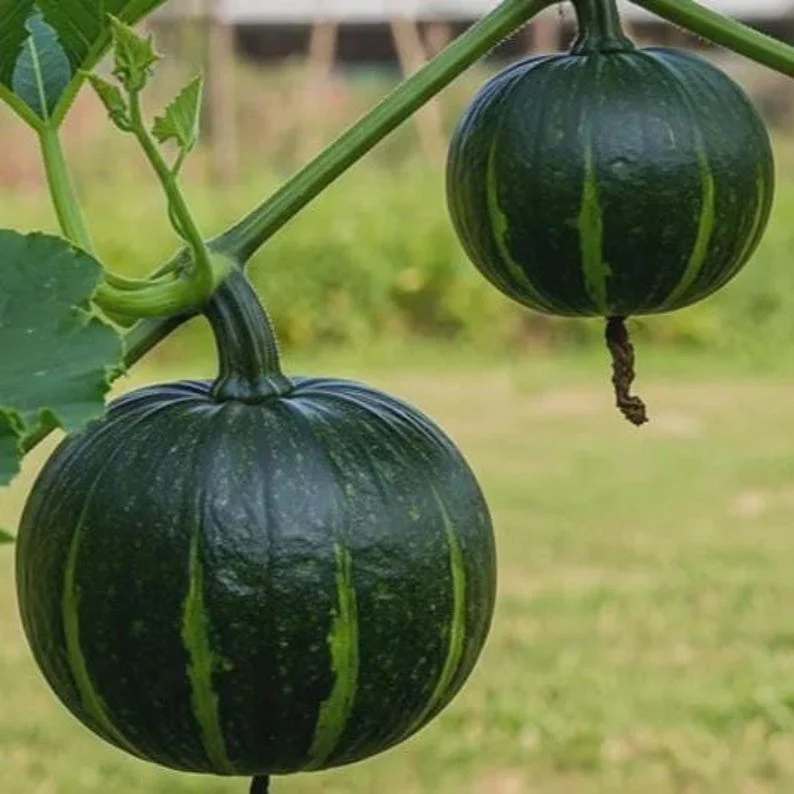
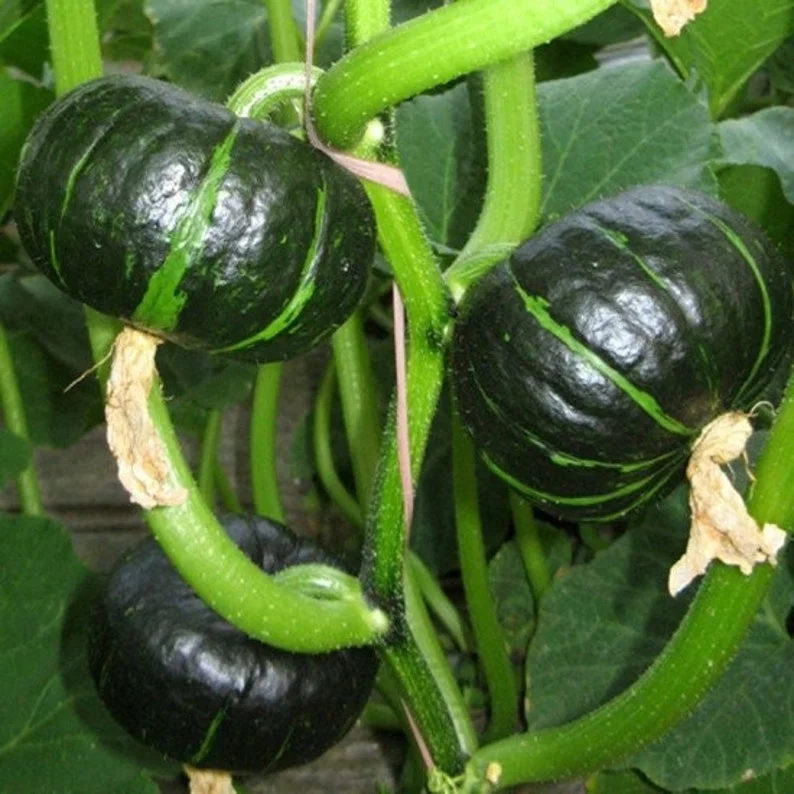
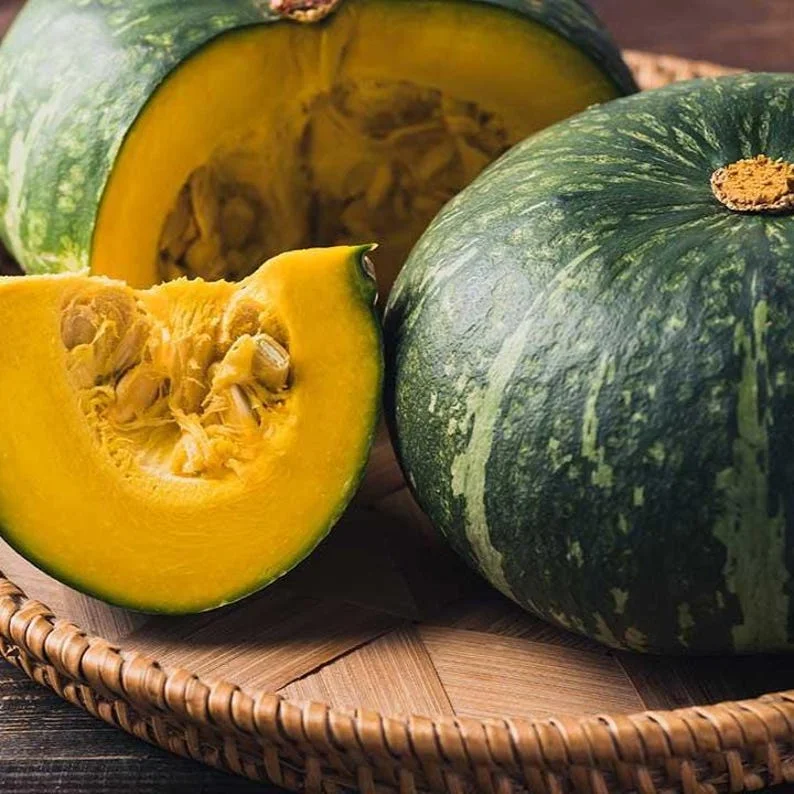
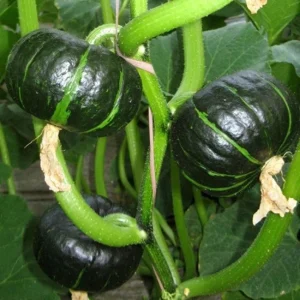
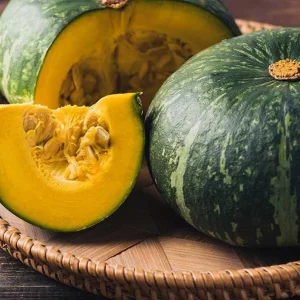
The botanical name for Kabocha Squash is Cucurbita maxima ‘Kabocha Group’, also known as cucurbita maxima kabocha. It’s a vining plant that produces medium-sized, dark green, often mottled fruits with a flattened, round shape. The skin is edible when cooked, though many prefer to remove it. The vibrant orange flesh is packed with vitamins A and C, and its natural sweetness makes it a fantastic substitute for sweet potatoes or butternut squash in various recipes. Don’t miss the opportunity to add this exceptional japanese pumpkin plant to your home garden.
Key Benefits
Growing your own kabocha squash live plant offers a multitude of benefits, from culinary enjoyment to garden satisfaction. This plant is not only productive but also provides a unique flavor profile that sets it apart from other winter squashes, making it a valuable addition to any vegetable patch.
- Exceptional Flavor & Texture: Kabocha squash live plant is celebrated for its sweet, nutty, and earthy flavor, often compared to a cross between a pumpkin and a sweet potato. Its dense, creamy, and flaky texture makes it ideal for a wide range of dishes, from roasting to pureeing for soups and desserts.
- Nutrient-Rich Harvest: These squashes are packed with essential vitamins and minerals, including high levels of Vitamin A, Vitamin C, iron, and fiber. Enjoy a healthy addition to your diet straight from your garden with your own winter squash plant.
- Versatile Culinary Use: The sweet flesh of Kabocha squash lends itself to countless recipes. Use it in curries, tempura, roasted as a side dish, pureed for pies, soups, or even baked goods. The possibilities are endless with this versatile vegetable.
- Homegrown Freshness: Experience the unparalleled taste of freshly picked produce. Growing your own ensures you have organic, chemical-free squash at its peak ripeness, right at your fingertips.
- Rewarding Gardening Experience: Watching the vines grow and the fruits develop is incredibly satisfying. The winter squash plant is relatively easy to cultivate, making it a great choice for gardeners looking for a productive and rewarding crop.
- Long Storage Life: Once harvested, Kabocha squash can be stored for several months in a cool, dry place, allowing you to enjoy your bounty well into the winter. This makes it an excellent choice for food preservation and meal planning.
- Unique Aesthetic: The distinctive dark green, often mottled fruits add an interesting visual element to your garden before harvest.
Plant Care & Growing Tips
Caring for your kabocha squash live plant is straightforward, and with the right conditions, you’ll be rewarded with a bountiful harvest. Kabocha squash thrives in warm weather and requires plenty of space to spread its vining growth. It’s an excellent choice for those interested in growing kabocha squash successfully, even for beginners.
Sunlight Requirements: Kabocha squash needs full sun, meaning at least 6-8 hours of direct sunlight per day. Choose a location in your garden that receives ample sun exposure throughout the day. In regions with extremely hot summers, some afternoon shade can be beneficial to prevent scorching, but generally, more sun equals more fruit production.
Watering Schedule & Soil Moisture: Consistent watering is crucial, especially during flowering and fruit development. Water deeply once or twice a week, ensuring the soil is moist but not waterlogged. Aim to keep the soil consistently damp, but allow the top inch or two to dry out slightly between waterings to prevent root rot. Avoid overhead watering to reduce the risk of powdery mildew on the leaves; instead, water at the base of the plant.
Soil Type & Drainage: This cucurbita maxima kabocha plant prefers rich, well-draining soil with a pH between 6.0 and 7.0. Amend heavy clay soils with compost or other organic matter to improve drainage and fertility. A raised bed or mounded planting area can also help ensure good drainage and warm the soil faster in spring, which is beneficial for the kabocha squash care.
Temperature Range & USDA Hardiness Zone: Kabocha squash is a warm-season crop and is sensitive to frost. It thrives in temperatures between 65-85°F (18-29°C). Plant outdoors after all danger of frost has passed and soil temperatures have warmed sufficiently, typically when nighttime temperatures consistently stay above 50°F (10°C). It is generally grown as an annual in most USDA zones, but can thrive in USDA zones 3-10 during its growing season.
Fertilization Schedule: Start with fertile soil. Once the plant begins to flower and set fruit, a balanced organic fertilizer or one slightly higher in phosphorus and potassium can encourage better production. Fertilize every 3-4 weeks according to product instructions. Avoid excessive nitrogen, which can promote leafy growth at the expense of fruit.
Common Problems & Solutions: Watch out for common squash pests like squash bugs and vine borers. Hand-picking pests, using row covers in early stages, and companion planting can help. Powdery mildew can be an issue in humid conditions; ensure good air circulation and consider organic fungicides if necessary. Proper spacing and watering at the base of the plant can minimize fungal problems.
Size & Details
Your kabocha squash live plant will arrive as a healthy, actively growing specimen in a 4-inch nursery pot, perfectly sized for safe transit and ready for immediate transplanting. These vining plants are vigorous growers, typically producing vines that can spread 8 to 15 feet long, so ensure you provide ample space or a sturdy trellis for vertical growth to save space and improve air circulation. The fruits themselves are generally round and flattened, weighing between 2 to 4 pounds each, with a diameter of 6 to 8 inches. The dark green skin may feature subtle mottling, and the interior flesh is a vibrant orange, characteristic of the japanese pumpkin plant.
Once planted in optimal conditions, the plant will establish quickly. Expect the first harvest of Kabocha squash approximately 80 to 100 days after transplanting, depending on growing conditions and variety. Each plant can produce several fruits, providing a generous yield for your culinary needs. The best time to harvest is when the skin is hard, the stem is dry, and the color is deep green. For optimal flavor and texture, cure harvested squashes in the sun for about a week before storing, allowing their natural sweetness to intensify.
Frequently Asked Questions
- Q: How big does this plant get and what size pot does it come in? A: Your kabocha squash live plant will arrive in a 4-inch nursery pot. Once planted, it’s a vining plant that can spread 8-15 feet. The squash fruits typically grow to 2-4 pounds each, making it a substantial harvest from this winter squash plant.
- Q: Is this an indoor or outdoor plant? How much sunlight does it need? A: Kabocha squash is primarily an outdoor plant, grown as an annual. It requires full sun, meaning at least 6-8 hours of direct sunlight daily, to produce fruit effectively. It thrives in open, sunny garden spaces.
- Q: Is this plant easy to care for? Is it good for beginners? A: Yes, growing kabocha squash is relatively easy for beginners. It needs consistent watering, full sun, and rich soil. With basic care and attention to its vining habit, it’s a very rewarding plant to grow.
- Q: What condition will it arrive in? Is it shipped in soil? A: Your kabocha squash live plant will arrive as a healthy, actively growing plant, securely rooted in its 4-inch nursery pot with soil, carefully packaged to ensure safe transit and immediate readiness for planting.
- Q: Can I use Kabocha squash in cooking? Is it pet-safe? A: Absolutely! Kabocha squash is highly prized for its sweet, nutty flavor in various culinary dishes. The squash itself is generally considered safe for pets in moderation, but always consult with a vet regarding specific dietary concerns.
- Q: How long until it produces fruit? When is the best time to plant? A: You can expect to harvest your first Kabocha squash approximately 80-100 days after transplanting. The best time to plant outdoors is after all danger of frost has passed and soil temperatures are consistently warm, typically late spring to early summer.
- Q: Will it survive winter in my zone? What’s the minimum temperature? A: Kabocha squash is a warm-season annual and will not survive frost. It thrives in temperatures between 65-85°F (18-29°C) and will die back with the first hard frost. It is generally grown as an annual in most USDA zones.
- Q: What kind of soil is best for this winter squash plant? A: The winter squash plant prefers rich, well-draining soil with plenty of organic matter. A pH between 6.0 and 7.0 is ideal for optimal growth and fruit production, providing the best environment for your cucurbita maxima kabocha.
- Q: Do I need to prune my japanese pumpkin plant? A: While not strictly necessary, some gardeners prune back excessive vine growth to focus the plant’s energy on fruit development, especially if space is limited. This can also improve air circulation around the fruits and foliage.
- Q: What are some common uses for this japanese pumpkin plant? A: The sweet and creamy flesh of Kabocha squash is excellent for roasting, steaming, making soups, curries, tempura, and even desserts like pies or custards. It’s a very versatile ingredient for healthy and delicious meals.











Reviews
There are no reviews yet.