
Wonderful Pomegranate Live Plant – Punica granatum – Edible Fruit, Deciduous, 6.5 in Tall
$14.98
Cultivate your own flavorful harvest with this wonderful pomegranate live plant. This actively growing punica granatum care is a deciduous fruit tree, ideal for outdoor planting. Enjoy abundant, sweet, and juicy pomegranates known for their rich flavor and health benefits.
-
USDA Hardiness Zone
USDA Zones 7-11 -
Soil Type
Well-draining soil (Clay, Loam, Peat, Silt) -
Sunlight Exposure
Full Sun -
Expected Planting Period
Spring to early summer

You can track your order HERE
Oct 17
Oct 22 - Oct 24
Oct 27 - Oct 31
Shipping and return policies: Our Alive & Thrive Guarantee covers issues with your plants within the first 30 days. Reach out to us. Our team will answer your questions and help you find the plants that are truly suitable for your environment, climate, and personal preferences.

Overview
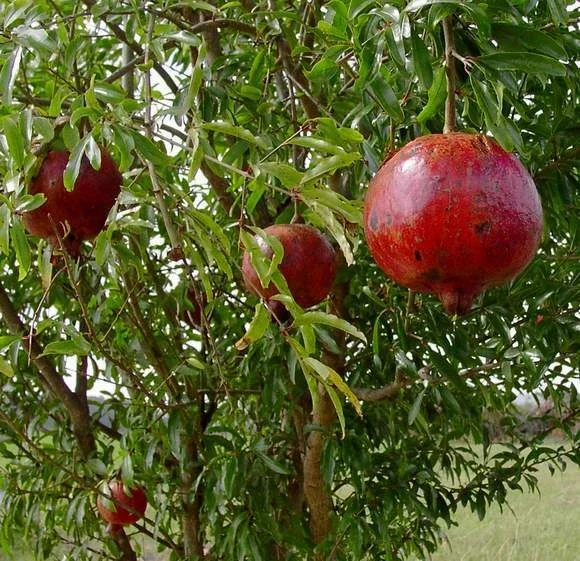
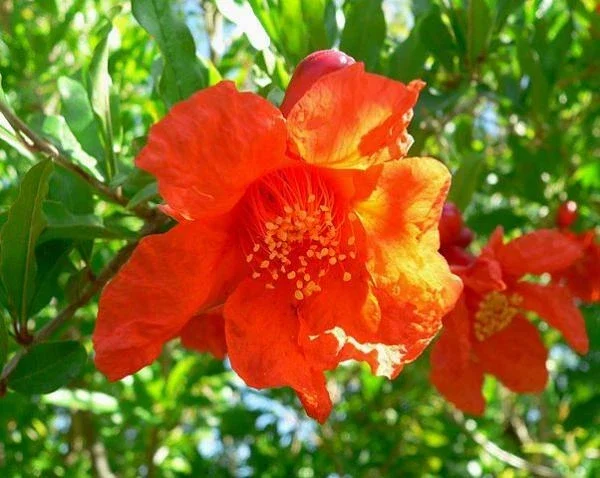
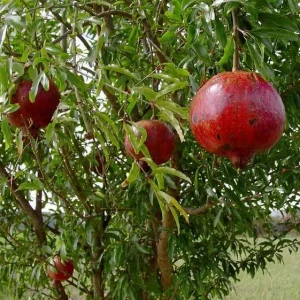
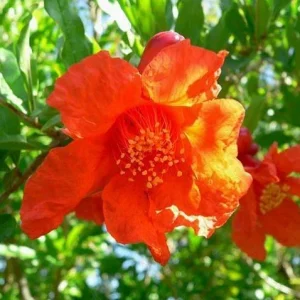
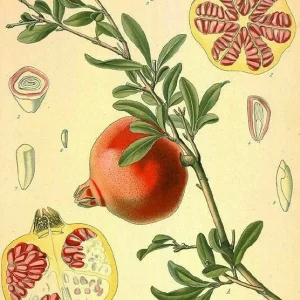
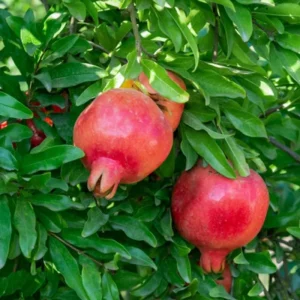
Bring the exotic beauty and delicious fruit of the wonderful pomegranate live plant into your garden. This actively growing specimen of Punica granatum, commonly known as the Pomegranate, is celebrated for its vibrant red-orange blossoms and its large, juicy fruits. The ‘Wonderful’ variety is particularly renowned for producing some of the largest and most flavorful pomegranates, making it a favorite among home gardeners and commercial growers alike. This deciduous plant will thrive outdoors, adding ornamental value with its attractive foliage and stunning fruit, while also providing a bountiful harvest. Whether you’re looking to add a unique fruit tree to your landscape or simply enjoy fresh, homegrown pomegranates, this wonderful pomegranate live plant offers an exciting and rewarding gardening experience.
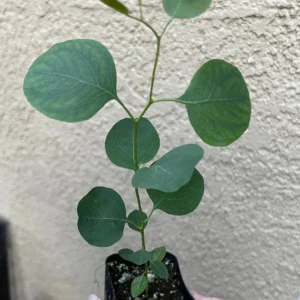
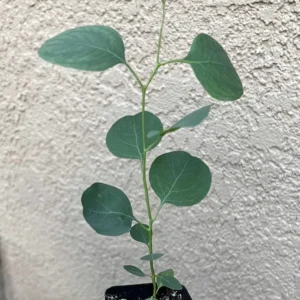
Pomegranates are not only beautiful but also resilient, adapting to various climates and soil conditions once established. Imagine plucking your own ruby-red fruits, bursting with sweet-tart juice, directly from your backyard. This particular plant is a young seedling, approximately 6.5 inches tall, ready to be planted and nurtured into a mature, fruit-bearing tree. With proper punica granatum care, you can look forward to many years of delicious harvests and an eye-catching addition to your outdoor space.
Key Benefits
The wonderful pomegranate live plant offers a multitude of benefits for any gardener, combining aesthetic appeal with practical yields. Here are some compelling reasons to cultivate this remarkable fruit tree:
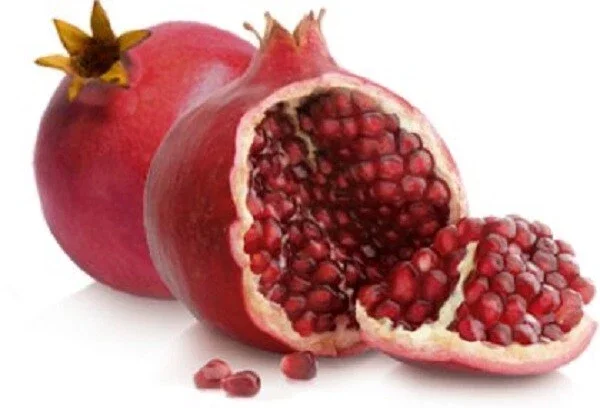
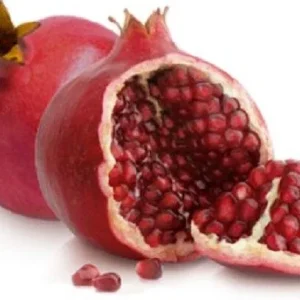
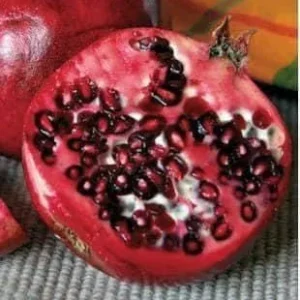
- Delicious Edible Fruit: The ‘Wonderful’ variety is celebrated for its large, deep red pomegranates filled with sweet, tangy, and juicy arils, perfect for eating fresh, juicing, or culinary creations. Growing your own ensures the freshest taste and highest quality.
- Ornamental Value: Beyond its fruit, the pomegranate boasts attractive glossy green foliage and striking orange-red flowers that bloom in spring and summer, adding a splash of color to your landscape.
- Health Benefits: Pomegranates are packed with antioxidants, vitamins, and minerals, making them a healthy addition to your diet. Enjoying this edible fruit tree provides a direct source of these nutritious benefits.
- Drought-Tolerant: Once established, pomegranate plants are remarkably drought-tolerant, making them a low-maintenance choice for many climates and reducing water consumption in your garden.
- Deer-Resistant: A significant advantage for many gardeners, this plant is naturally deer-resistant plant, meaning you won’t have to worry as much about browsing damage from deer.
- Versatile Growth: Can be grown as a large shrub or trained into a small tree, offering flexibility in landscape design. It’s an excellent choice if you want to grow your own pomegranate.
- Long Lifespan: Pomegranate trees are long-lived, providing decades of fruit and beauty with proper care. This makes it a valuable long-term investment for your garden.
Plant Care & Growing Tips
Ensuring the health and productivity of your wonderful pomegranate live plant is straightforward with the right care. Pomegranates are relatively hardy and forgiving, making them suitable for gardeners of varying experience levels. For optimal growth and fruit production, understanding their specific needs is crucial. This edible fruit tree thrives in conditions that mimic its native Mediterranean climate.
Sunlight Requirements: Pomegranates are sun-loving plants and require at least 6-8 hours of full sun daily for best fruit production. While they can tolerate some partial shade, too little sun will result in fewer flowers and smaller, less flavorful fruit. Position your plant in the brightest spot in your garden. For successful punica granatum care, ample sunlight is non-negotiable.
Watering Schedule: When establishing your young wonderful pomegranate live plant, consistent watering is key. Water deeply 2-3 times a week, ensuring the soil remains moist but not waterlogged. Once mature and established, pomegranates become quite drought-tolerant, requiring less frequent watering. However, regular watering during dry spells and especially when fruits are developing will lead to larger, juicier pomegranates. Avoid overhead watering to prevent fungal issues.
Soil Type and Drainage: Pomegranates are adaptable to a wide range of soil types, from sandy to clay, but they prefer well-draining soil with a neutral to slightly acidic pH (6.0-7.0). Good drainage is essential to prevent root rot. If your soil is heavy clay, amend it with organic matter like compost or perlite to improve drainage. A well-prepared soil bed is fundamental to successfully grow your own pomegranate.
Temperature and USDA Hardiness Zones: The ‘Wonderful’ pomegranate is cold hardy, typically thriving in USDA Zones 7-11. It can tolerate temperatures down to about 10-15°F (-12 to -9°C) once dormant. In colder zones, it can be grown in containers and brought indoors during winter, or treated as an annual. In hotter climates, some afternoon shade can be beneficial to prevent scorching, though full sun is generally preferred.
Fertilization: Fertilize your wonderful pomegranate live plant in early spring before new growth begins and again in mid-summer. Use a balanced fertilizer (e.g., 8-8-8 or 10-10-10) or one formulated for fruit trees. Follow package instructions for application rates. Avoid over-fertilizing, which can lead to excessive foliage growth at the expense of fruit production.
Pruning: Prune in late winter or early spring while the plant is dormant. Remove any dead, damaged, or crossing branches. Pomegranates can be grown as multi-stemmed shrubs or trained into single-trunk trees. Pruning helps maintain shape, improves air circulation, and encourages fruit production on new wood. Regular pruning is an important aspect of punica granatum care.
Common Problems: Pomegranates are generally robust, but watch out for common pests like aphids and whiteflies, which can be treated with insecticidal soap. Fungal diseases like powdery mildew can occur in humid conditions; ensure good air circulation and avoid overhead watering. Proper cultural practices are the best defense against most issues for this deer-resistant plant.
Size & Details
This wonderful pomegranate live plant is currently an actively growing seedling, standing approximately 6.5 inches tall from the base of the soil. It is shipped as a live plant, typically in a small nursery pot, ready for transplanting into a larger container or directly into your garden. As a young plant, it possesses a medium growth rate, allowing it to establish itself well within the first year. Over time, this edible fruit tree can mature into a small tree or a large shrub, reaching heights of 10-20 feet with a similar spread, depending on pruning and growing conditions. The foliage is deciduous, meaning it will shed its leaves in the fall and regrow them in the spring, signaling its readiness for another season of growth and fruit production. Expect your first fruits within 2-3 years, with peak production occurring as the plant matures. This plant is a single specimen, providing a great start to grow your own pomegranate collection or a standalone feature.
Frequently Asked Questions
- Q: How big does this wonderful pomegranate live plant get? A: This ‘Wonderful’ pomegranate plant is currently about 6.5 inches tall. When mature, it can reach heights of 10-20 feet and spread similarly, depending on whether it’s grown as a shrub or a tree and how it’s pruned.
- Q: Is this an indoor or outdoor plant? A: The wonderful pomegranate live plant is primarily an outdoor plant, thriving in full sun. In colder climates (below USDA Zone 7), it can be grown in a large container and moved indoors during winter.
- Q: How much sunlight does a pomegranate plant need? A: For optimal growth and fruit production, this edible fruit tree requires at least 6-8 hours of direct sunlight per day. More sun generally leads to more and better-quality fruit.
- Q: Is this plant easy to care for? A: Yes, pomegranates are relatively easy to care for once established. They are drought-tolerant and adaptable to various soil types, making punica granatum care manageable for most gardeners.
- Q: What condition will the plant arrive in? A: Your wonderful pomegranate live plant will arrive as an actively growing seedling, carefully packaged to ensure its health during transit. It will be ready for immediate planting upon arrival.
- Q: How long until it produces fruit? A: You can typically expect your ‘Wonderful’ pomegranate plant to start producing fruit within 2-3 years after planting, with increasing yields as the plant matures. Patience is key to successfully grow your own pomegranate.
- Q: Is the pomegranate plant a deer-resistant plant? A: Yes, pomegranates are known for being quite deer-resistant, which is a great benefit for gardens in areas with deer populations.
- Q: What is the best soil type for this plant? A: Pomegranates prefer well-draining soil with a neutral to slightly acidic pH. They can tolerate a range of soil types, including clay, loam, peat, and silt, as long as drainage is adequate.
- Q: What is the recommended watering schedule? A: While establishing, water deeply 2-3 times per week. Once mature, water less frequently, but ensure consistent moisture during fruit development, especially in dry periods.
- Q: Can I grow this plant in a container? A: Yes, the wonderful pomegranate live plant can be successfully grown in a large container, especially beneficial for those in colder climates who need to bring the plant indoors for winter protection.
Be the first to review “Wonderful Pomegranate Live Plant – Punica granatum – Edible Fruit, Deciduous, 6.5 in Tall”
People Also Viewed

Sold 96 products
Original price was: $32.00.$25.60Current price is: $25.60.






%203-4%20Ft%20Tall,%207%20Gal%20Pot&url=https://gardennursery.net/product/pineapple-guava-live-plant-feijoa-sellowiana-3-4-ft-tall-7-gal-pot/&media=https://img.gardennursery.net/2026/01/pineapple-guava-live-plant-feijoa-sellowiana-3-4-f-511683d6.webp)


Reviews
There are no reviews yet.