
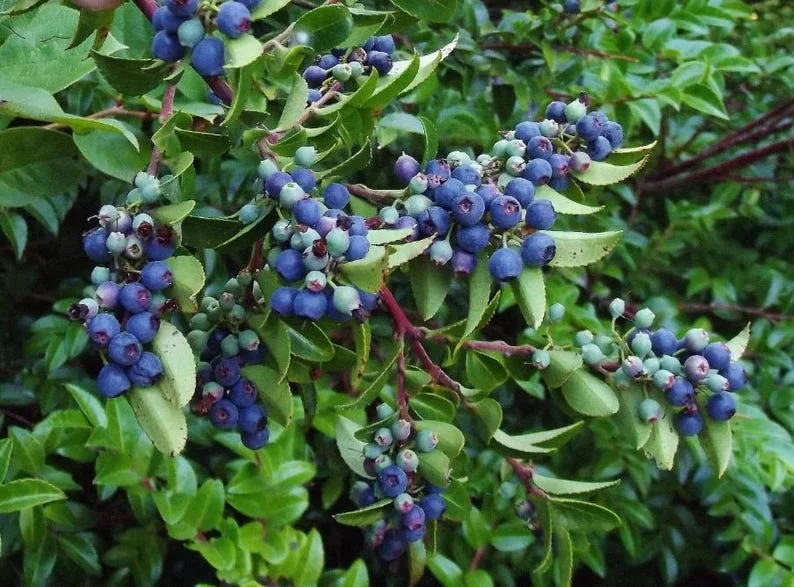
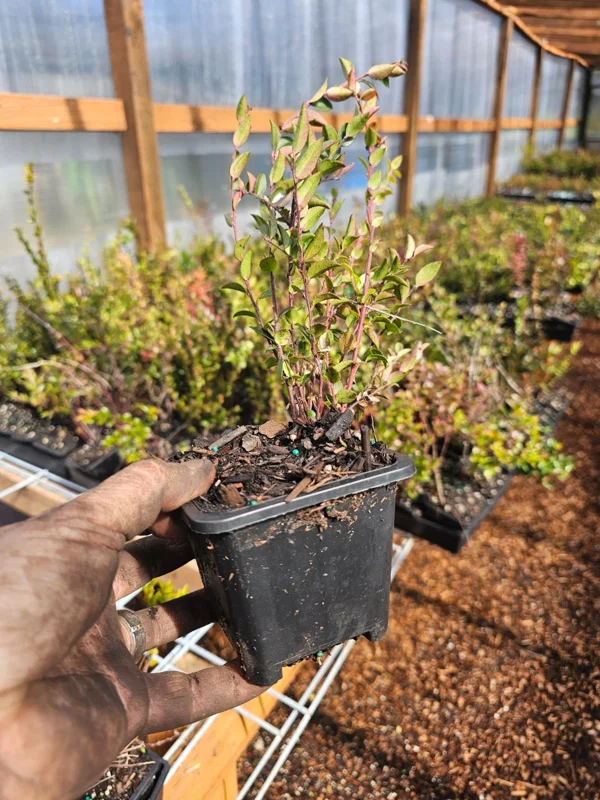
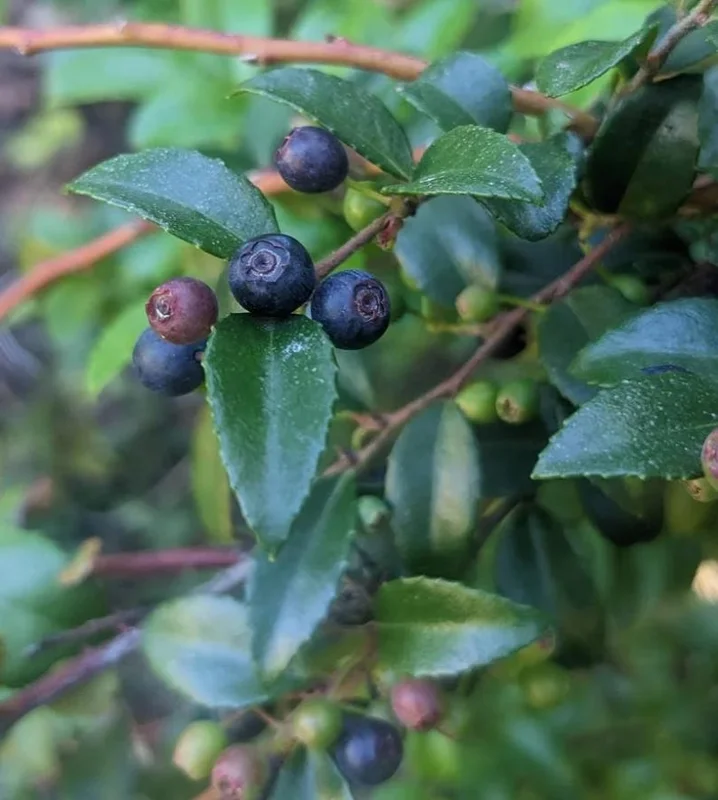
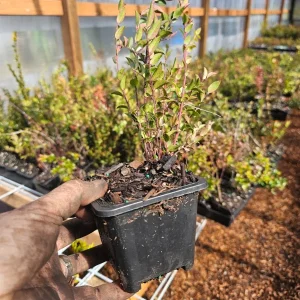
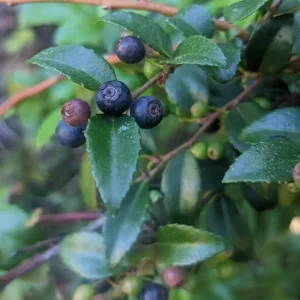
Wild Huckleberry Live Plant, 5 inch Pot, Edible Fruit Shrub, Outdoor
Original price was: $68.20.$49.99Current price is: $49.99.
Bring the taste of the wild to your garden with this wild huckleberry live plant. Arriving in a 5in pot, this healthy shrub is ready for planting and will produce delicious, dark berries. Ideal for edible landscapes and woodland gardens.
-
USDA Hardiness Zone
USDA zones 4-8 -
Soil Type
Acidic, well-draining soil -
Sunlight Exposure
Full sun to partial shade -
Expected Planting Period
Spring to early fall

You can track your order HERE
Sep 25
Sep 30 - Oct 02
Oct 05 - Oct 09
Shipping and return policies: Our Alive & Thrive Guarantee covers issues with your plants within the first 30 days. Reach out to us. Our team will answer your questions and help you find the plants that are truly suitable for your environment, climate, and personal preferences.

Overview
Discover the joy of growing your own delicious berries with this vibrant wild huckleberry live plant. Revered for its sweet, tangy fruit and attractive foliage, the wild huckleberry is a fantastic addition to any garden or edible landscape. These native shrubs are known for their resilience and ability to thrive in various conditions, making them a rewarding choice for both novice and experienced gardeners. Our wild huckleberry live plant arrives in a healthy 5in pot, ensuring it’s well-established and ready for transplanting into your chosen spot. Enjoy the beauty of its delicate flowers in spring, followed by a bountiful harvest of nutrient-rich berries in late summer. Perfect for snacking, baking, or making jams, fresh huckleberries are a culinary delight that evoke the taste of the wilderness. This particular variety offers a robust growth habit and is well-suited for outdoor cultivation, providing both ornamental value and a source of delicious fruit.
Key Benefits
Cultivating a wild huckleberry live plant offers a multitude of benefits, from the aesthetic appeal of its foliage to the delectable harvest of its berries. This resilient shrub is an excellent choice for those looking to enhance their garden’s biodiversity and enjoy fresh, homegrown produce.
- Delicious Edible Fruit: The primary benefit is the production of sweet, flavorful huckleberries. These small, dark berries are perfect for fresh eating, pies, jams, and desserts, offering a unique taste profile distinct from blueberries. Enjoy the satisfaction of harvesting your own organic fruit right from your backyard.
- Attractive Landscape Addition: Beyond its fruit, the wild huckleberry live plant provides ornamental value. Its small, glossy green leaves turn brilliant shades of red and orange in the fall, adding seasonal color to your garden. Delicate bell-shaped flowers in spring also contribute to its aesthetic appeal.
- Supports Local Wildlife: Huckleberry plants are a valuable food source for various wildlife, including birds and small mammals. By planting huckleberries, you contribute to the local ecosystem, providing sustenance and habitat for native fauna.
- Low Maintenance & Hardy: Once established, huckleberry shrubs are relatively low-maintenance. They are known for their hardiness and ability to tolerate a range of conditions, making them a robust choice for many gardeners. Proper huckleberry shrub care ensures a long-lasting and productive plant.
- Native Plant Appeal: As a native plant, the wild huckleberry is well-adapted to local climates and soils, often requiring less intervention than non-native species. This makes it an environmentally friendly choice for sustainable gardening practices, promoting a natural and balanced ecosystem.
- Versatile Use: Whether you’re creating an edible forest garden, a naturalized landscape, or simply adding a fruiting shrub to your perennial beds, this wild huckleberry live plant is highly versatile. It can be integrated into various garden designs.
- Health Benefits: Huckleberries are packed with antioxidants, vitamins, and minerals, making them a healthy addition to your diet. Growing your own ensures you have access to fresh, pesticide-free berries with maximum nutritional value, contributing to your overall well-being.
Plant Care & Growing Tips
Proper huckleberry shrub care is essential for a thriving plant and a bountiful harvest. While generally hardy, understanding their specific needs will ensure your wild huckleberry live plant flourishes. Huckleberries prefer acidic, well-draining soil, similar to their wild counterparts. Incorporate plenty of organic matter like peat moss or compost into the planting hole to improve soil structure and acidity. A soil pH between 4.5 and 5.5 is ideal for optimal growth and fruit production. If your soil is alkaline, consider amending it regularly or growing in raised beds with an acidic soil mix.
Sunlight is crucial for growing huckleberries. They thrive in full sun to partial shade, meaning they need at least 6 hours of direct sunlight per day for the best fruit yield. In hotter climates, some afternoon shade can prevent leaf scorch. Water regularly, especially during dry spells and while the plant is establishing. The soil should remain consistently moist but never waterlogged. Deep watering encourages a strong root system. Fertilize sparingly with an acid-loving plant fertilizer in early spring, following package directions. Avoid over-fertilizing, as this can harm the plant. Pruning is generally minimal; remove any dead, damaged, or crossing branches in late winter or early spring to encourage air circulation and new growth. Protect young plants from pests and diseases by monitoring regularly and addressing issues promptly with organic solutions if possible. This careful approach to huckleberry shrub care will ensure a healthy and productive plant for years to come.
Size & Details
This offering includes a robust wild huckleberry live plant, meticulously grown and delivered in a 5in pot. At the time of shipment, the plant typically stands between 6 to 12 inches tall, depending on its growth stage and cultivar, providing a well-established root system ready for transplanting. Huckleberries are slow to moderate growers, eventually reaching a mature height of 2 to 6 feet tall and wide, forming a beautiful, dense shrub. The exact size will depend on the specific variety and growing conditions, with some becoming more upright and others having a bushier habit. Expect your plant to begin producing a significant harvest within 2-3 years, with increasing yields as it matures. It ships as a healthy, actively growing plant, carefully packaged to ensure its safe arrival at your doorstep, ready to be planted in your garden or a larger container. This established plant provides a head start on growing huckleberries, allowing you to enjoy fresh fruit sooner.
Frequently Asked Questions
- Q: How big does this wild huckleberry live plant get? A: A: At maturity, a wild huckleberry live plant typically grows to be between 2 to 6 feet tall and wide, depending on the specific variety and growing conditions. It is a slow to moderate grower, gradually filling out your garden space.
- Q: What size pot does it come in? A: This wild huckleberry live plant is provided in a 5in pot, which means it has a well-developed root system and is ready for transplanting into a larger container or directly into your garden bed.
- Q: Is this an indoor or outdoor plant? A: The wild huckleberry live plant is an outdoor shrub. It requires specific outdoor conditions to thrive and produce fruit, including adequate sunlight and chilling hours. It is not suitable as a permanent indoor houseplant.
- Q: How much sunlight does it need? A: For optimal fruit production and healthy growth, growing huckleberries requires full sun to partial shade. This means at least 6 hours of direct sunlight daily, with some protection from intense afternoon sun in very hot climates.
- Q: Is this plant easy to care for? Is it good for beginners? A: Huckleberry plants are relatively easy to care for once established, making them a good choice for beginners who can provide the right acidic soil and sunlight conditions. Following basic huckleberry shrub care guidelines will lead to success.
- Q: What condition will it arrive in? A: Your wild huckleberry live plant will arrive as a healthy, actively growing specimen in its 5in pot, carefully packaged to minimize stress during transit. We ensure it’s ready for immediate planting upon arrival.
- Q: How long until it blooms and produces fruit? A: While your plant may bloom in its first year, significant fruit production usually begins within 2-3 years after planting, with yields increasing as the shrub matures. The berries typically ripen in late summer.
- Q: What’s the best time to plant a wild huckleberry live plant? A: The best time to plant your huckleberry shrub is in spring or early fall. This allows the plant to establish its root system before extreme summer heat or winter cold sets in.
- Q: What’s the minimum temperature this plant can tolerate? A: Wild huckleberries are generally hardy and can tolerate cold temperatures, often down to USDA Zone 4 or 5, depending on the specific species. They require a certain period of cold dormancy to produce fruit.
- Q: Can I use the huckleberries for cooking and baking? A: Absolutely! The huckleberries produced by this plant are delicious and perfect for a wide range of culinary uses, including pies, muffins, jams, jellies, and fresh eating. This is a key reason for growing huckleberries.
Be the first to review “Wild Huckleberry Live Plant, 5 inch Pot, Edible Fruit Shrub, Outdoor”
People Also Viewed
Flower Plants
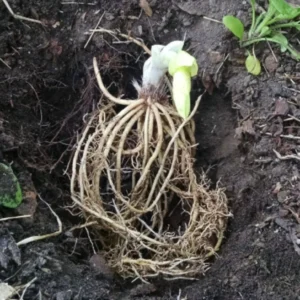
Plumeria Cuttings Variety Pack – 2 Unrooted Cuttings 12-16″ – Fragrant Tropical Flowers
Sold 85 products
Original price was: $49.97.$25.98Current price is: $25.98.

HousePlants
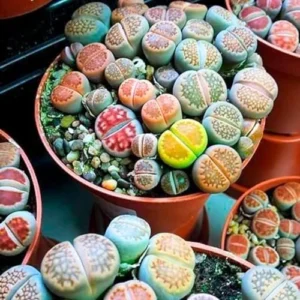
Lithops Live Plants Mix – 30 Colorful Succulents – Living Stones for Indoor/Outdoor Planting
Sold 92 products
Original price was: $65.98.$32.99Current price is: $32.99.


HousePlants
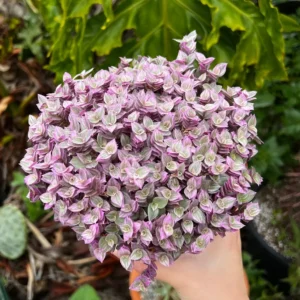
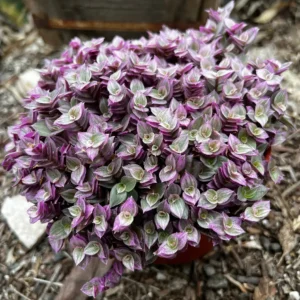
Callisia Repens Pink Lady Live Plant – Creeping Inch Plant – 2, 4, 6 inch pot – Indoor/Outdoor
Sold 56 products
From $9.78
Flower Plants
Mix Pansy Flower Plants 3-6 Inches – Live Perennial for Garden & Containers, Multicolor
Sold 75 products
Original price was: $35.98.$17.99Current price is: $17.99.




Reviews
There are no reviews yet.