
Chokecherry Live Plant – 5in Pot, 8in Tall – Edible Berries, Outdoor
Original price was: $31.00.$23.99Current price is: $23.99.
Cultivate your own chokecherry live plant! This resilient shrub or small tree offers beautiful spring blossoms, abundant edible berries for jams and jellies, and striking fall color. Ideal for wildlife gardens and naturalized landscapes, arriving at 8 inches tall in a 5-inch pot.
-
USDA Hardiness Zone
USDA Zones 2-8 -
Soil Type
Well-draining soil, adaptable to clay, sandy, or loamy -
Sunlight Exposure
Full sun to partial shade -
Expected Planting Period
Spring or Fall

You can track your order HERE
Oct 10
Oct 15 - Oct 17
Oct 20 - Oct 24
Shipping and return policies: Our Alive & Thrive Guarantee covers issues with your plants within the first 30 days. Reach out to us. Our team will answer your questions and help you find the plants that are truly suitable for your environment, climate, and personal preferences.

Overview
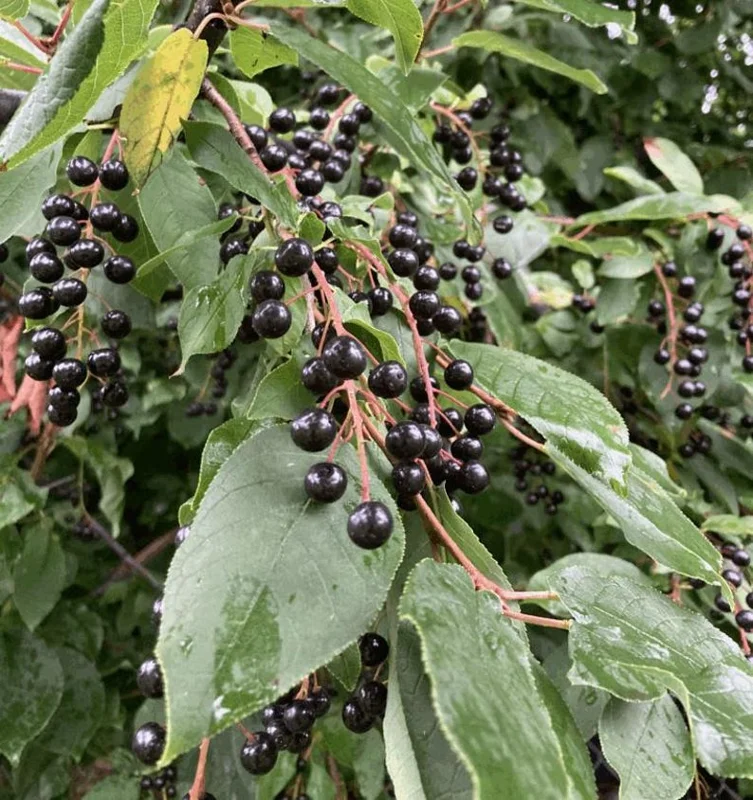
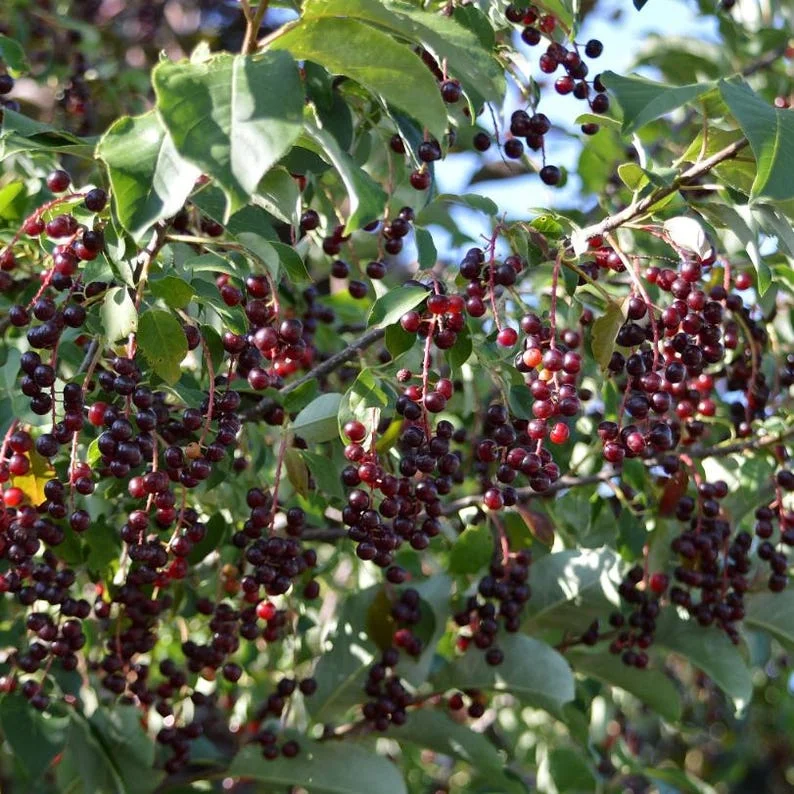
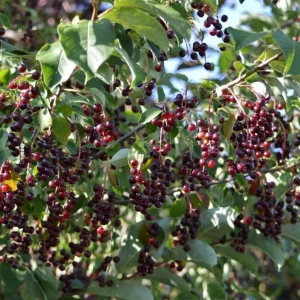
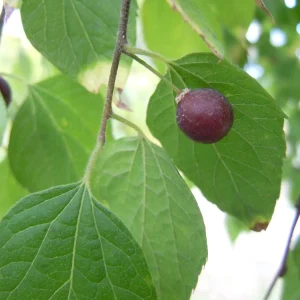
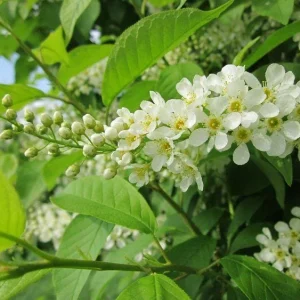
Bring the beauty and bounty of nature to your garden with our chokecherry live plant. This remarkable plant, scientifically known as Prunus virginiana, is a highly versatile and hardy addition to almost any landscape. Often grown as a large shrub or small tree, the chokecherry live plant is renowned for its attractive white flowers in spring, which mature into clusters of dark red to purple berries by late summer. These berries, while tart when fresh, are prized for making delicious jams, jellies, syrups, and wines. Beyond its culinary uses, the chokecherry is a valuable native plant, providing essential food and shelter for local wildlife, including birds and pollinators. This offering is for a healthy young plant, measuring approximately 8 inches tall and supplied in a 5-inch nursery pot, ready to thrive in your outdoor space.
The chokecherry live plant is an excellent choice for gardeners looking for a low-maintenance, resilient, and aesthetically pleasing specimen. Its adaptability to various soil types and climates makes it a popular option for naturalized areas, hedges, or as a standalone ornamental tree. With its vibrant seasonal changes, from delicate spring blooms to lush green summer foliage, and finally to brilliant red and orange hues in autumn, the chokecherry ensures year-round visual interest. Planting a chokecherry live plant not only enhances your property’s appeal but also contributes positively to the local ecosystem.
Key Benefits
The chokecherry live plant offers a multitude of advantages for both the gardener and the environment. Its robust nature and diverse utility make it a standout choice for many landscape designs:
- Edible Berries: Produces abundant, tart berries perfect for making delicious jams, jellies, pies, and syrups. These fruits are a traditional food source and offer a unique flavor profile for culinary enthusiasts.
- Wildlife Attraction: The flowers provide nectar for pollinators like bees and butterflies, while the berries are a vital food source for numerous bird species and small mammals, enriching your garden’s biodiversity.
- Seasonal Interest: Enjoy beautiful white flower clusters in spring, lush green foliage in summer, and stunning red to orange fall colors, providing continuous visual appeal throughout the growing season.
- Hardy and Adaptable: Extremely tough and tolerant of a wide range of soil conditions and climates, making it suitable for many regions and easy to grow for beginners. This resilience ensures a successful and thriving plant.
- Erosion Control: Its strong root system helps stabilize soil, making it an excellent choice for preventing erosion on slopes or along banks. Planting a chokecherry live plant can be a practical solution for challenging areas.
- Low Maintenance: Once established, chokecherries require minimal care, thriving with little intervention. This makes them ideal for busy gardeners or those looking for a natural, self-sufficient landscape element.
- Native Plant Benefits: As a native species, it is well-adapted to local conditions and supports local ecosystems, contributing to ecological balance and requiring fewer resources. Consider adding a chokecherry live plant for these benefits.
Plant Care & Growing Tips
Caring for your chokecherry live plant is relatively straightforward, thanks to its inherent hardiness. These plants thrive in a variety of conditions, but providing optimal care will ensure vigorous growth and abundant fruit production. They prefer full sun to partial shade, meaning at least 6 hours of direct sunlight per day for best flowering and fruiting, though they can tolerate some afternoon shade in hotter climates. When considering chokecherry care, ensure the planting site has good air circulation to prevent fungal issues.
Regarding soil, chokecherries are not particular but perform best in well-draining soil. They can tolerate clay, sandy, or loamy conditions, but avoid constantly waterlogged areas. Once established, they are quite drought-tolerant, but regular watering during dry spells, especially in their first year, will help them settle in. Fertilization is generally not necessary in rich soils, but if your soil is poor, a balanced, slow-release fertilizer in early spring can be beneficial. Pruning can be done in late winter or early spring to remove dead or diseased branches, shape the plant, or encourage new growth. Understanding these aspects of chokecherry care will lead to a thriving plant.
The chokecherry live plant is remarkably resilient to pests and diseases, though occasional issues like cherry leaf spot or tent caterpillars might occur. Good cultural practices, such as proper spacing and sanitation, can minimize these problems. The plant is cold-hardy, typically thriving in USDA Zones 2-8. If you’re growing chokecherry for its berries, remember that birds love them too, so you might need to net the plant as the fruits ripen to secure your harvest. These native plants offer a rewarding gardening experience.
Size & Details
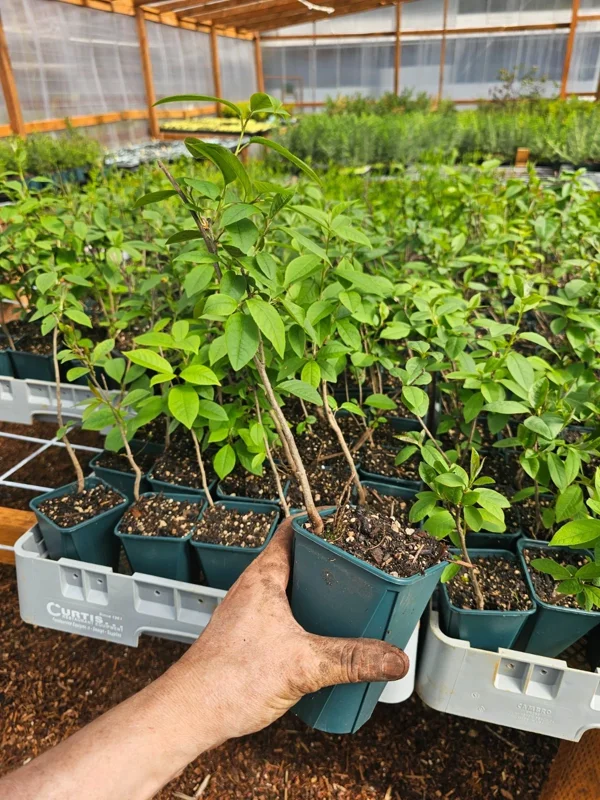
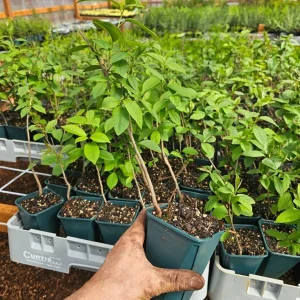
This offering is for one healthy chokecherry live plant, which stands approximately 8 inches tall from the top of the soil. It is carefully grown and shipped in a 5-inch nursery pot, providing a robust root system ready for transplanting. While young, this plant has excellent potential for growth, eventually reaching a mature height of 10-25 feet and a spread of 10-20 feet, depending on whether it’s allowed to grow as a multi-stemmed shrub or trained into a small tree. The growth rate is moderate, adding about 13-24 inches per year under ideal conditions.
The chokecherry live plant will typically start producing flowers and berries within 3-5 years of planting, with fruit production increasing as the plant matures. It ships as a potted plant, ensuring minimal transplant shock and providing a strong start in your garden. The leaves are oval, finely toothed, and emerge green, turning to a striking red-orange in the fall. This plant is a fantastic choice for those interested in native plants for landscaping, offering both aesthetic appeal and ecological benefits.
Frequently Asked Questions
- Q: How big does this plant get? A: This chokecherry live plant is approximately 8 inches tall when shipped in a 5-inch pot. At maturity, it can reach heights of 10-25 feet and spreads of 10-20 feet, depending on growing conditions and pruning.
- Q: Is this an indoor or outdoor plant? A: The chokecherry live plant is an outdoor plant, best suited for gardens and landscapes where it can receive adequate sunlight and space to grow. It is not suitable for indoor cultivation.
- Q: How much sunlight does it need? A: Chokecherries thrive in full sun to partial shade, ideally needing at least 6 hours of direct sunlight per day for optimal growth and fruit production. More sun generally leads to more berries.
- Q: Is this plant easy to care for? A: Yes, chokecherry care is considered relatively easy. Once established, they are very hardy and require minimal maintenance, making them suitable for beginner gardeners.
- Q: What condition will it arrive in? A: Your chokecherry live plant will arrive as a healthy, actively growing plant in its 5-inch nursery pot, carefully packaged to ensure safe transit.
- Q: Can I eat the berries directly? A: While the berries are edible, they are quite tart when fresh. They are best used for cooking, jams, jellies, and other processed foods where their unique flavor can be enhanced with sugar.
- Q: When is the best time to plant a chokecherry? A: The best time to plant your chokecherry live plant is in spring or fall when temperatures are moderate. This allows the plant to establish its root system before extreme heat or cold.
- Q: Will it survive winter in my zone? A: Chokecherries are very cold-hardy and typically thrive in USDA Plant Hardiness Zones 2 through 8, making them suitable for a wide range of climates across the US.
- Q: What are the benefits of growing chokecherry? A: Beyond its edible berries, growing chokecherry provides beautiful spring flowers, vibrant fall foliage, attracts wildlife, helps with erosion control, and is a robust, low-maintenance native plant.
- Q: Is this a good choice for native plants for landscaping? A: Absolutely, chokecherry is an excellent choice for native plants for landscaping. It supports local ecosystems, is well-adapted to regional conditions, and requires less water and intervention than many non-native species.
Be the first to review “Chokecherry Live Plant – 5in Pot, 8in Tall – Edible Berries, Outdoor”
People Also Viewed
Fruits
Sold 77 products
From $83.80
Sold 52 products
From $71.00







%20Bare-root%20Plant%20–%20Deciduous%20Wetland%20Fern&url=https://gardennursery.net/product/royal-fern-osmunda-regalis-bare-root-plant-deciduous-wetland-fern/&media=https://img.gardennursery.net/2026/01/royal-fern-osmunda-regalis-bare-root-plant-deciduo.webp)


%20Live%20Plant%20–%204%20inch%20Pot%20–%20Outdoor%20Shrub&url=https://gardennursery.net/product/strawberry-bush-euonymus-americana-live-plant-4-inch-pot-outdoor-shrub/&media=https://img.gardennursery.net/2026/01/strawberry-bush-euonymus-americana-live-plant-4-in.webp)
Reviews
There are no reviews yet.