
Set 25 Walking Onion Bulblets – Egyptian Tree Onion Bulbs – Hardy Perennial Plants
Original price was: $57.98.$28.99Current price is: $28.99.
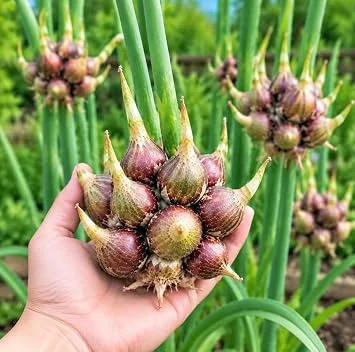
Cultivate a unique and self-sustaining harvest with walking onion bulblets. This set of 25 bulblets, also known as Egyptian walking onions or tree onions, offers a fascinating perennial onion variety that requires minimal effort. Enjoy a continuous supply of mild, fresh onion flavor as these hardy plants ‘walk’ across your garden, replanting themselves year after year.
-
USDA Hardiness Zone
USDA Zones 3-9 -
Soil Type
Well-draining soil -
Sunlight Exposure
Full sun to partial shade -
Expected Planting Period
Early spring or fall

You can track your order HERE
Oct 30
Nov 04 - Nov 06
Nov 09 - Nov 13
Shipping and return policies: Our Alive & Thrive Guarantee covers issues with your plants within the first 30 days. Reach out to us. Our team will answer your questions and help you find the plants that are truly suitable for your environment, climate, and personal preferences.

Overview
Discover the effortless joy of growing your own walking onion bulblets. This set of 25 bulblets provides an excellent start to cultivating a unique and highly productive perennial in your garden. Also known as Egyptian walking onions or tree onions, these fascinating plants (Allium × proliferum) are a hybrid onion that practically tend themselves. Unlike traditional onions that produce flowers, walking onions develop small bulblets, called topsets, at the top of their stalks. These topsets eventually grow heavy, causing the stalks to bend towards the ground where the bulblets take root and establish new plants, creating the illusion that they are ‘walking’ across your garden over time. Ideal for gardeners seeking a low-maintenance yet rewarding crop, walking onion bulblets are a reliable addition to any edible landscape.
These hardy perennials return year after year, providing a consistent and fresh supply of mild onion greens and small bulbs. Perfect for beginners and experienced gardeners alike, egyptian walking onions are known for their resilience and ability to thrive in a wide range of climates. Plant these walking onion bulbs once, and enjoy their unique growth habit and culinary versatility for many seasons to come.
Key Benefits
Choosing to plant walking onion bulblets offers a multitude of advantages for both the novice and seasoned gardener. Their unique growth habit and robust nature make them a standout choice among edible plants.
- Self-Propagating & Low Maintenance: The most remarkable feature of walking onion bulblets is their ability to self-propagate. The topsets bend and root themselves, reducing the need for replanting and making them incredibly easy to care for. Once established, these plants require minimal intervention, thriving with little fuss.
- Continuous Harvest: Enjoy a steady supply of fresh onion greens throughout the growing season, and small bulbs for culinary use. Unlike annual onions, these perennials provide a reliable harvest year after year without needing to be replanted from seed or new bulbs.
- Hardy & Resilient: Egyptian walking onions are exceptionally cold-hardy and adaptable to various soil conditions and climates. They can withstand harsh winters and bounce back vigorously each spring, making them a dependable choice for many USDA zones.
- Unique Garden Interest: The ‘walking’ habit of these onions adds a captivating and dynamic element to your garden. Watching the stalks bend and new plants emerge is a delightful experience that sparks conversation and curiosity.
- Culinary Versatility: Both the green tops and the small bulblets of tree onions are edible. The greens offer a mild onion flavor, perfect for salads, stir-fries, and garnishes, while the bulblets can be used like shallots or small onions in cooking.
- Pest & Disease Resistant: Generally, walking onion bulblets are quite resistant to common garden pests and diseases, contributing to their low-maintenance appeal and ensuring a healthier crop.
- Space-Saving Growth: While they do ‘walk’, their spreading is gradual and manageable, making them suitable for various garden sizes. They can even be grown in containers, though their walking habit will be limited.
Plant Care & Growing Tips
Caring for your walking onion bulblets is remarkably straightforward, making them an excellent choice for gardeners of all skill levels. They are known for their resilience and ability to thrive with minimal intervention. For optimal growth, plant your walking onion bulbs in a location that receives full sun, meaning at least 6-8 hours of direct sunlight per day. While they can tolerate partial shade, abundant sunlight will encourage stronger growth and more prolific bulblet production. When planting, ensure the soil is well-draining. Walking onions are not particular about soil type and can grow in a wide range of conditions, but they do not like consistently wet feet, which can lead to rot. Amend heavy clay soils with compost or sand to improve drainage.
Watering should be consistent, especially during dry spells, but allow the soil to dry out slightly between waterings. Once established, these plants are quite drought-tolerant. Fertilization is generally not heavily required for perennial onions; a yearly application of balanced organic fertilizer or compost in spring is usually sufficient to support their growth. They are hardy in a wide range of USDA zones, typically thriving in zones 3-9, and will return year after year. Protect them from extreme winter conditions in the coldest zones with a layer of mulch. Common problems are rare, but watch for onion thrips or rust, though egyptian walking onions are generally quite robust against these issues.
Plant the bulblets about 1-2 inches deep and 6-12 inches apart. They will quickly establish roots and begin to grow. The green tops can be harvested as needed, and the bulblets can be picked from the stalks or dug up from the ground once they have rooted. Enjoy the continuous supply of fresh onions from your healthy walking onion bulblets.
Size & Details
This offering includes a set of 25 walking onion bulblets, ready for planting. These bulblets are naturally small, typically ranging from a pea to marble size, and will arrive much smaller than traditional planting bulbs. Their size is perfect for quick establishment and vigorous growth. Once planted, walking onion plants can grow to be 18-36 inches tall, forming clumps that gradually expand as new bulblets root. The growth rate is moderate, with greens appearing relatively quickly after planting and topsets developing throughout the growing season, usually from late spring through summer. Expect the plants to start producing harvestable greens within a few weeks of planting, and topsets will appear in their first year. These perennial onions will return each spring, providing a continuous harvest for many years.
The bulblets are shipped dormant and ready to be planted directly into your garden or containers. They establish quickly and are known for their robust nature. While the initial bulblets are small, they are packed with vitality, ensuring a successful start to your walking onion patch. The mature plants will form attractive clumps of green foliage, topped with their distinctive aerial bulblets, adding both beauty and utility to your outdoor space.
Frequently Asked Questions
- Q: How big do these walking onion bulblets get? A: The bulblets themselves are naturally small, typically pea to marble-sized when shipped. The mature plants can grow to be 18-36 inches tall, forming clumps that spread gradually over time as new bulblets root.
- Q: Is this an indoor or outdoor plant? A: Walking onion bulblets are primarily grown outdoors as a hardy perennial. While you could start them indoors, their ‘walking’ habit and need for full sun make them best suited for garden beds, raised beds, or large outdoor containers.
- Q: How much sunlight does it need? A: For the best growth and bulblet production, walking onions require full sun, meaning at least 6-8 hours of direct sunlight per day. They can tolerate partial shade, but growth may be less vigorous.
- Q: Is this plant easy to care for? A: Yes, walking onions are incredibly easy to care for and are considered a low-maintenance plant. They are self-propagating and quite resilient, making them ideal for beginner gardeners or those looking for a fuss-free crop.
- Q: What condition will the bulblets arrive in? A: The walking onion bulblets will arrive dormant and ready for planting. They are naturally small and may vary slightly in size, but they are healthy and prepared to establish quickly in your garden.
- Q: Can I use walking onion bulblets in cooking? A: Absolutely! Both the green tops and the small bulblets are edible. The greens have a mild onion flavor, similar to chives or green onions, and the bulblets can be used like shallots or small onions in various culinary dishes.
- Q: When is the best time to plant walking onion bulbs? A: The best time to plant walking onion bulblets is in early spring or fall. Planting in these seasons allows them to establish roots before extreme temperatures set in, leading to stronger growth.
- Q: Will these survive winter in my zone? A: Walking onions are very cold-hardy, typically thriving in USDA zones 3-9. They are perennial and will return each spring, even after cold winters, often without needing extra protection.
- Q: How long until it produces harvestable greens? A: You can typically begin harvesting the green tops from your walking onion bulblets within a few weeks of planting, once they have established and grown a few inches tall. The topsets will appear later in the season.
- Q: What is the ideal soil for egyptian walking onions? A: While adaptable, walking onions prefer well-draining soil. They are not particular about soil type, but avoiding heavy, waterlogged conditions is crucial for their health. Amending with compost can improve most soil types.
Be the first to review “Set 25 Walking Onion Bulblets – Egyptian Tree Onion Bulbs – Hardy Perennial Plants”
People Also Viewed




Succulents
Set of 2 White Desert Rose Live Plants, 4-6″ Tall – Adenium obesum – Indoor/Outdoor Succulent
Sold 94 products
Original price was: $125.96.$62.98Current price is: $62.98.




HousePlants
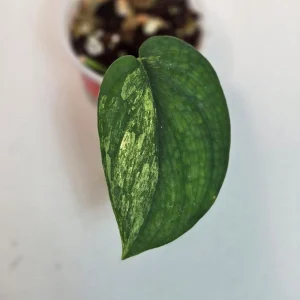
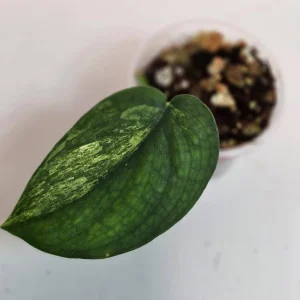
Variegated Scindapsus Pictus ‘Jade Satin’ Live Plant in Nursery Pot – Rare Indoor Houseplant
Sold 84 products
Original price was: $76.00.$38.00Current price is: $38.00.









Reviews
There are no reviews yet.