
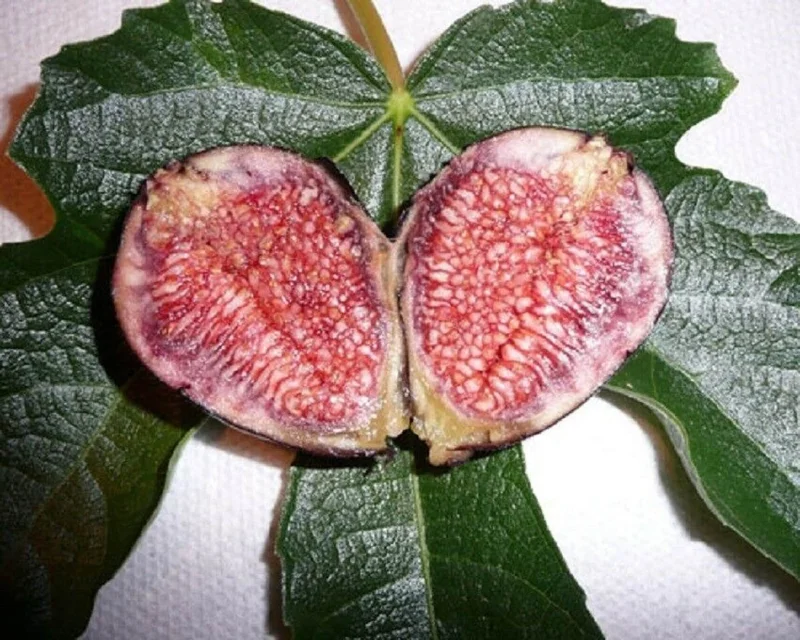
Violette de Bordeaux Fig Tree Live Plant – Ficus Carica, 5-7 Inch Starter
Original price was: $37.90.$22.90Current price is: $22.90.
Cultivate delicious, homegrown figs with this Violette de Bordeaux fig tree starter plant. Standing 5-7 inches tall, this Ficus Carica live plant is known for its intensely sweet, dark purple fruits and prolific bearing. Ideal for container gardening or in-ground planting, it’s a versatile choice for those interested in growing fig trees in USDA Zones 6-10.
-
USDA Hardiness Zone
USDA Zones 6-10 -
Soil Type
Well-drained soil (pH 6.0-7.0) -
Sunlight Exposure
Full sun (6-8 hours direct light) -
Expected Planting Period
Spring to early fall

You can track your order HERE
Sep 28
Oct 03 - Oct 05
Oct 08 - Oct 12
Shipping and return policies: Our Alive & Thrive Guarantee covers issues with your plants within the first 30 days. Reach out to us. Our team will answer your questions and help you find the plants that are truly suitable for your environment, climate, and personal preferences.

Overview
Cultivate your own gourmet figs with the exquisite Violette de Bordeaux fig tree. This highly prized Ficus Carica live plant is celebrated for its intensely sweet and rich-flavored fruit, making it a favorite among home gardeners and culinary enthusiasts. Originating from France, this starter plant, typically 5-7 inches tall, provides a robust foundation for establishing your own bountiful fig harvest. The ‘Violette de Bordeaux’ is a compact, vigorous deciduous shrub that thrives in various growing conditions, including container planting on patios or directly in the garden. Its attractive lobed foliage and prolific fruit production ensure both aesthetic appeal and delicious yields. This remarkable variety often produces two crops per year – an early breba crop and a larger main crop – promising a generous supply of small to medium-sized, dark purple figs with a deep red, jammy interior. Whether you’re an experienced gardener or just beginning your journey, growing fig trees like the ‘Violette de Bordeaux’ offers a profoundly rewarding experience, delivering fresh, homegrown fruit directly to your table.
Key Benefits
Adding a Violette de Bordeaux fig tree to your garden or patio offers numerous advantages, from its charming Mediterranean aesthetic to its delectable produce. This robust and relatively easy-to-grow plant is designed to thrive and provide years of enjoyment and delicious harvests, making growing fig trees a truly satisfying endeavor.
- Exceptional Fruit Quality: Enjoy small to medium-sized figs with a rich, dark purple skin and a deep red, sweet, and jammy interior. The flavor profile is often described as complex, featuring delightful berry undertones, making this Ficus Carica live plant a culinary delight.
- Prolific Bearing: This variety is renowned for its ability to produce two crops per year under ideal conditions, offering an early breba crop on old wood and a larger main crop in late summer or fall, thereby maximizing your harvest potential.
- Winter Hardy: Suitable for USDA Zones 6-10, this hardy fig varieties demonstrates good cold tolerance, making it a reliable choice for many temperate climates and ensuring successful overwintering with proper care.
- Versatile Growing: The naturally compact nature of the ‘Violette de Bordeaux’ makes it an excellent choice for container gardening on patios, balconies, or smaller garden spaces, as well as traditional in-ground planting.
- Ornamental Value: Beyond its delicious fruit, the fig tree itself offers significant ornamental appeal with its attractive, deeply lobed leaves, adding a touch of Mediterranean charm and lush greenery to any landscape.
- Easy to Grow: Once established, edible fig plant care for this variety is relatively low-maintenance, making it a great choice for both novice and experienced gardeners seeking a rewarding fruit-bearing plant.
- Fresh, Healthy Produce: Cultivate your own organic figs, ensuring a supply of fresh, chemical-free fruit for snacking, baking, preserves, or various culinary creations, contributing to a healthy and sustainable lifestyle.
Plant Care & Growing Tips
Successful edible fig plant care for your Violette de Bordeaux fig tree involves understanding its basic needs for sunlight, soil, water, and protection. This starter plant arrives well-rooted, giving it a strong head start in its new home. Figs thrive in full sun, requiring at least 6-8 hours of direct sunlight per day for optimal fruit production and overall plant health. Choose a location in your garden that receives ample sun throughout the day, or a sunny spot on your patio if you are growing in a container.
Well-drained soil is paramount for fig trees. They prefer a slightly acidic to neutral pH (6.0-7.0). If planting in the ground, it’s beneficial to amend heavy clay soils with organic matter like compost to significantly improve drainage. For container growing, use a high-quality potting mix specifically formulated for fruit trees or a general-purpose blend, always ensuring the pot has adequate drainage holes. While established fig trees exhibit some drought tolerance, consistent moisture is crucial, especially during the critical fruit development stages. Water deeply when the top inch or two of soil feels dry to the touch, but always avoid waterlogging, which can lead to root rot. During periods of active growth and fruiting, you may need to increase watering frequency. Fertilize sparingly, typically once in early spring with a balanced slow-release fertilizer, or opt for a fertilizer slightly higher in potassium if your primary goal is maximizing fruit production. Pruning should be carried out in late winter or early spring while the tree is dormant. Focus on removing any dead, diseased, or crossing branches and shaping the tree to improve air circulation and light penetration, which are vital for healthy growth and fruit set. These practices are key for effective edible fig plant care.
Protect your ‘Violette de Bordeaux’ fig tree from harsh winter conditions, particularly if you are in the colder end of its USDA Zone 6 range. This makes it one of the more hardy fig varieties available. Container-grown plants can be moved indoors to an unheated garage or shed, or wrapped with burlap and insulation for protection. In-ground trees can benefit from a heavy layer of mulch around the base and potentially wrapping for extra protection. Regular inspection for pests and diseases, though generally rare for this robust variety, will help maintain the long-term health and vitality of your Ficus Carica live plant.
Size & Details
This Violette de Bordeaux fig tree is supplied as a healthy, well-rooted starter plant, typically measuring approximately 5-7 inches in height. It arrives ready for planting in a 2.5 x 3.5 inch pot, providing a strong and established root system for successful establishment in its new environment. This compact fig variety usually grows to a mature height of 3-5 feet when maintained with regular pruning, making it an excellent choice for smaller gardens or container cultivation. Its moderate growth rate allows for careful shaping and management according to your space and aesthetic preferences. Expect this fig tree to begin producing its first delicious fruits within 1-2 years of planting, with increasing yields as the plant matures and establishes itself further. The ‘Violette de Bordeaux’ is notably known for its ability to produce two crops per year in favorable conditions: an early breba crop on old wood, followed by a main crop on new growth later in the season. This plant is a fantastic addition for those interested in growing fig trees and enjoying fresh, homegrown fruit.
Frequently Asked Questions
- Q: How big does this plant get? A: The Violette de Bordeaux fig tree typically grows to a mature height of 3-5 feet with proper pruning. It can be kept smaller in containers or allowed to reach its full potential in the ground, making it a versatile deciduous fruit shrub.
- Q: What size pot does it come in? A: This starter plant is shipped as a well-rooted plant in a 2.5 x 3.5 inch pot, providing a healthy foundation for its growth.
- Q: Is this an indoor or outdoor plant? A: The Violette de Bordeaux fig tree is primarily an outdoor plant, hardy in USDA Zones 6-10. However, in colder climates, it can be successfully grown in containers and brought indoors during winter for protection, making it a versatile Ficus Carica live plant.
- Q: How much sunlight does it need? A: This fig tree thrives in full sun, requiring at least 6-8 hours of direct sunlight per day for optimal growth and fruit production. Plenty of sun is key for good edible fig plant care.
- Q: Is this plant easy to care for? A: Yes, ‘Violette de Bordeaux’ fig trees are relatively easy to care for once established. They require consistent watering, well-draining soil, and full sun, making them suitable for gardeners of various skill levels interested in growing fig trees.
- Q: What condition will it arrive in? A: Your Violette de Bordeaux fig tree starter plant will arrive as a healthy, well-rooted plant in its pot, carefully packaged to ensure its safe journey and immediate readiness for planting.
- Q: Can I eat the fruit directly from the tree? A: Absolutely! The figs produced by the ‘Violette de Bordeaux’ are known for their delicious, sweet flavor and are perfect for fresh eating, baking, preserves, or drying.
- Q: How long until it produces fruit? A: With good care, your Ficus Carica live plant can start producing fruit within 1-2 years of planting, with yields increasing significantly as the plant matures.
- Q: When is the best time to plant? A: The best time to plant your fig starter plant is in spring after the last frost, or in early fall. This allows the plant ample time to establish its roots before extreme temperatures.
- Q: Will it survive winter in my zone? A: This variety is winter hardy in USDA Zones 6-10. In Zone 6, some winter protection may be beneficial, especially for young plants, to ensure successful overwintering of your hardy fig varieties.
Be the first to review “Violette de Bordeaux Fig Tree Live Plant – Ficus Carica, 5-7 Inch Starter”
People Also Viewed
Fruits
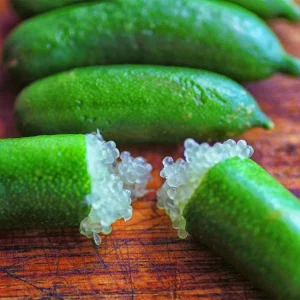
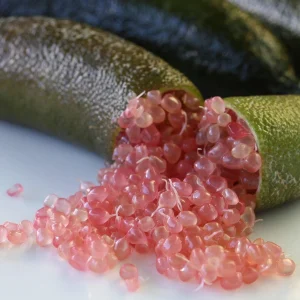
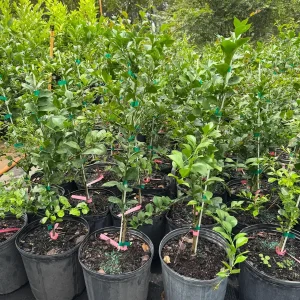
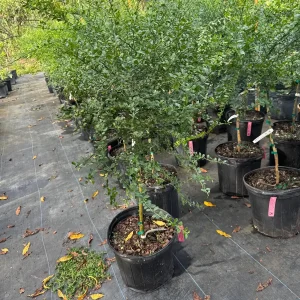
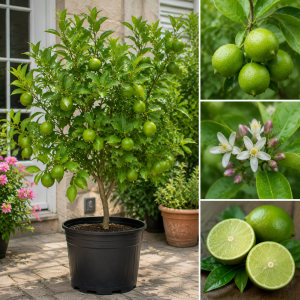
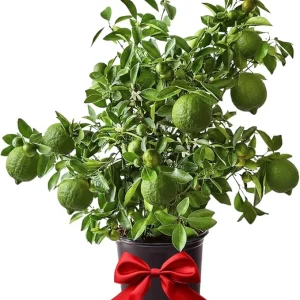
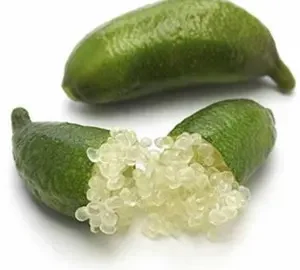
Australian Finger Lime Live Plant – Grafted – 3 Gallon Pot – 2-3 Feet Tall – Edible Citrus Tree
Sold 95 products
Original price was: $170.00.$127.50Current price is: $127.50.










Reviews
There are no reviews yet.