
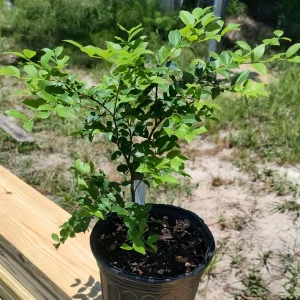
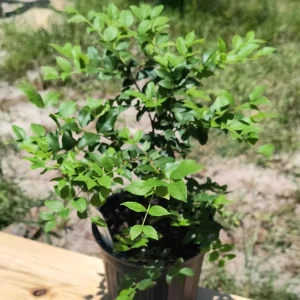
Sabara Jaboticaba Live Plant – 10-12 inch Fruit Tree in 1 Gallon Pot
Original price was: $113.99.$98.99Current price is: $98.99.
Bring the exotic taste of Brazil to your garden with this Sabara Jaboticaba live plant. This 10-12 inch fruit tree, shipped in a 1 gallon pot, is ready to grow and produce unique, delicious fruit directly on its trunk. Ideal for warm climates, it’s a fascinating and rewarding addition to any fruit enthusiast’s collection.
-
USDA Hardiness Zone
USDA zones 9-11 (outdoors), can be grown indoors in cooler zones -
Soil Type
Well-draining, slightly acidic soil (pH 5.5-6.5) -
Sunlight Exposure
Full sun to partial shade -
Expected Planting Period
Year-round indoors; Spring to early summer outdoors in suitable climates

You can track your order HERE
Sep 20
Sep 25 - Sep 27
Sep 30 - Oct 04
Shipping and return policies: Our Alive & Thrive Guarantee covers issues with your plants within the first 30 days. Reach out to us. Our team will answer your questions and help you find the plants that are truly suitable for your environment, climate, and personal preferences.

Overview
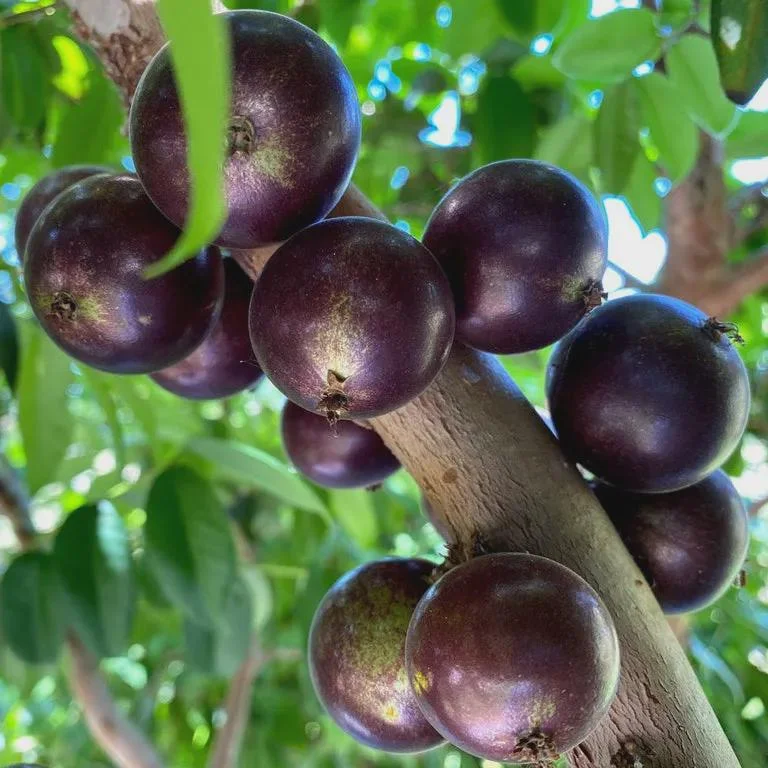
Discover the unique beauty and delicious bounty of the Sabara Jaboticaba live plant. This remarkable fruit tree, scientifically known as Myrciaria cauliflora or Plinia cauliflora, is often called the Brazilian Grape tree due to its distinctive fruit. Unlike most fruit trees, the Jaboticaba produces its grape-like berries directly on the trunk and main branches, a fascinating phenomenon known as cauliflory. Our 10-12 inch plant, shipped in a 1 gallon pot, is a thriving specimen ready to establish itself in your garden or a large container. The Jaboticaba fruit tree is highly prized for its sweet, juicy, and slightly acidic fruit, perfect for eating fresh, making jams, jellies, wines, or liqueurs. This particular Sabara variety is known for its prolific fruiting and excellent flavor, making it a highly sought-after addition for fruit enthusiasts and collectors alike. It’s an evergreen, slow-growing tree that can bring a touch of the tropics to your landscape.
Cultivating a Sabara Jaboticaba live plant offers a truly unique gardening experience. Originating from Brazil, this plant adapts well to a variety of growing conditions, provided it receives adequate warmth and moisture. As it matures, it develops a dense, attractive canopy, offering both ornamental value and a continuous supply of delicious fruit. The unique growth habit of the Myrciaria cauliflora plant makes it a conversation starter and a focal point in any garden setting. Whether you’re an experienced gardener looking for an exotic challenge or a novice eager to try something new, this Jaboticaba offers a rewarding journey into tropical fruit cultivation.
Key Benefits
Adding a Sabara Jaboticaba live plant to your collection comes with numerous advantages, from its unique fruiting habit to its delicious produce. This remarkable plant offers both aesthetic appeal and culinary rewards.
- Exotic Fruit Production: Enjoy the unique experience of harvesting sweet, grape-like fruit directly from the trunk and branches of your Jaboticaba fruit tree. The dark purple, almost black berries are juicy and flavorful, perfect for fresh eating or culinary creations.
- Ornamental Appeal: With its attractive evergreen foliage and distinctive cauliflorous fruiting, the Jaboticaba makes an excellent ornamental tree. Its dense canopy provides shade, and the sight of fruit clustered along its bark is truly captivating.
- Versatile Culinary Uses: The fruit of the Sabara Jaboticaba live plant is incredibly versatile. It can be eaten fresh, made into delicious jams, jellies, wines, or even used in desserts, offering a unique flavor profile.
- Long-Lived and Productive: Jaboticaba trees are known for their longevity and can produce fruit for many decades once established. With proper care, your tree will provide a consistent harvest year after year.
- Adaptable to Containers: While it can grow into a sizable tree in the ground, the Myrciaria cauliflora plant also thrives in large containers, making it suitable for patios, balconies, or regions with cooler climates where it can be moved indoors during winter.
- Low Maintenance Once Established: After its initial establishment period, the Jaboticaba is a relatively low-maintenance fruit tree, requiring consistent watering and occasional fertilization to ensure robust growth and fruit production.
- Unique Educational Value: The unusual growth habit of the Brazilian Grape tree makes it a fascinating plant for children and adults alike, offering a unique educational opportunity about plant biology and exotic fruits.
Plant Care & Growing Tips
Caring for your Sabara Jaboticaba live plant involves understanding its tropical origins to provide the best environment for growth and fruit production. Jaboticabas prefer a warm, humid climate and can tolerate a range of light conditions, though full sun to partial shade is ideal for optimal fruiting. In extremely hot climates, some afternoon shade can prevent leaf scorch. If growing indoors or in a container, place it near a window where it receives at least 6 hours of bright, indirect light daily. This tree is sensitive to cold, so protect it from frost; it thrives in USDA zones 9-11 outdoors, and can be grown indoors in cooler regions.
Watering is crucial for a healthy Jaboticaba fruit tree. They prefer consistently moist soil but not waterlogged conditions. Water deeply when the top inch of soil feels dry to the touch, especially during dry spells and when the plant is actively producing fruit. Good drainage is essential to prevent root rot. Use a well-draining, slightly acidic soil mix with a pH between 5.5 and 6.5. A mix formulated for acid-loving plants or a general potting mix amended with compost and perlite works well. Fertilize your Myrciaria cauliflora plant with a balanced, slow-release fertilizer or an organic fruit tree fertilizer every 2-3 months during the growing season. Pruning is generally minimal, focused on removing dead or crossing branches and shaping the tree for aesthetic purposes or to manage size. Watch out for common pests like aphids or scale, and treat with horticultural oil or insecticidal soap if necessary. Understanding how to grow Jaboticaba successfully means replicating its native conditions as closely as possible.
Size & Details
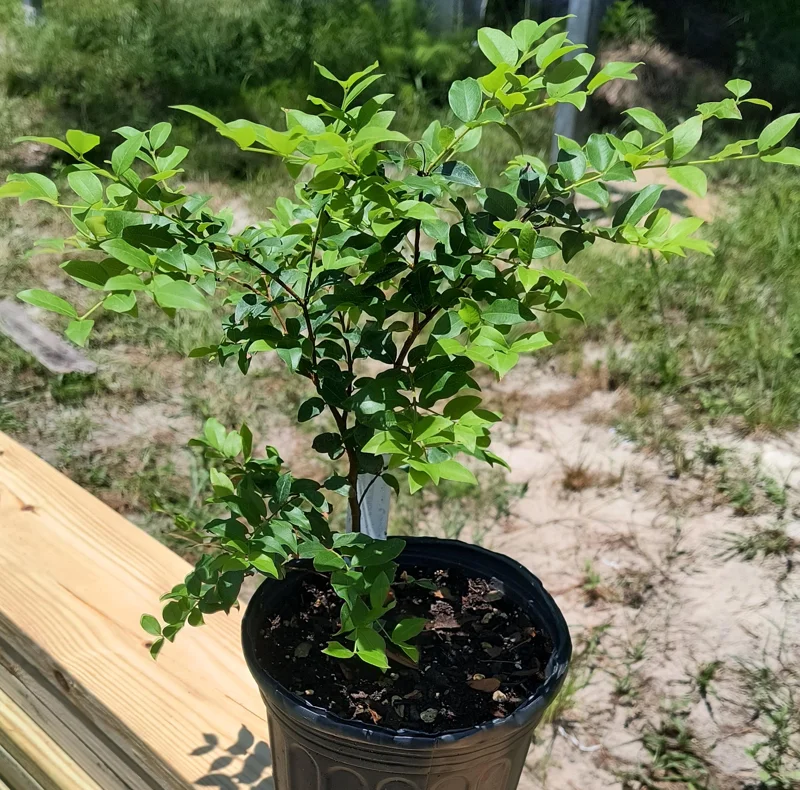
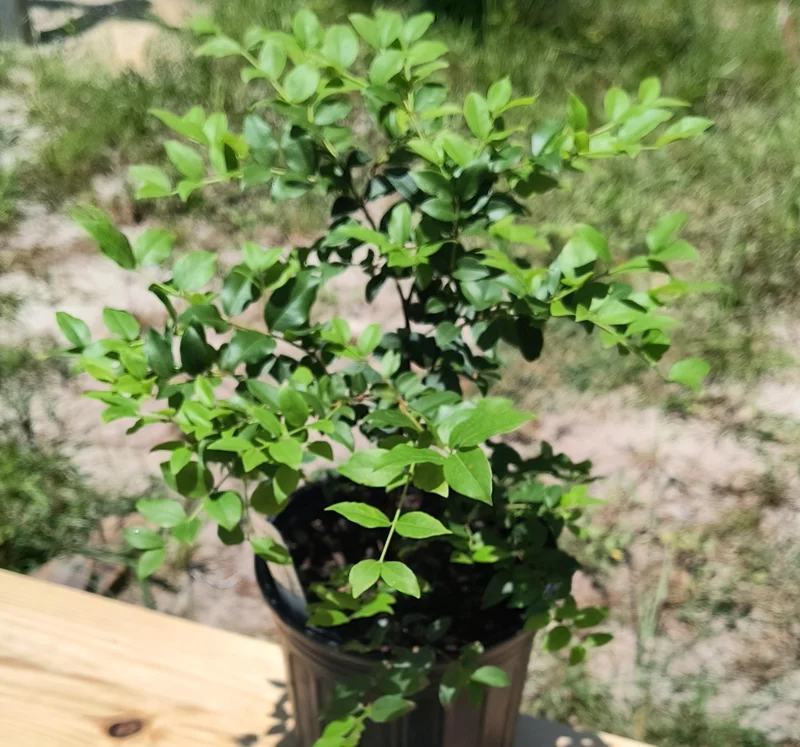
This offering is for one Sabara Jaboticaba live plant, measuring approximately 10-12 inches in height from the soil line. It is shipped actively growing in a 1 gallon nursery pot, ensuring a healthy root system and minimal transplant shock. Jaboticaba trees are slow-growing, especially in their early years, but with proper care, they can eventually reach heights of 10-20 feet in the ground, though they can be kept smaller through pruning or container cultivation. Fruiting typically begins when the tree is several years old, often when it reaches about 3-5 feet in height, though this can vary. The fruit ripens in cycles throughout the year, with peak production often occurring in spring and fall. The unique characteristic of the Brazilian Grape tree is that it fruits multiple times a year, providing a continuous harvest in ideal conditions.
The plant will arrive carefully packaged to ensure its safety during transit. Upon arrival, it’s recommended to acclimate the plant to its new environment gradually before transplanting. While the 1 gallon pot provides sufficient space for initial growth, you will eventually need to transplant your Sabara Jaboticaba live plant into a larger container or directly into the ground to allow for its mature development. Expect a moderate growth rate, with the tree slowly but steadily increasing in size and vigor, eventually leading to a rewarding production of its delicious fruit.
Frequently Asked Questions
- Q: How big does this Sabara Jaboticaba live plant get? A: In the ground, a mature Jaboticaba tree can reach 10-20 feet tall and wide. When grown in a container, its size can be managed through pruning, typically staying between 5-10 feet, making it suitable for patios or indoors.
- Q: What size pot does it come in? A: This Jaboticaba fruit tree is shipped in a 1 gallon nursery pot, providing a good start for its root system. You will need to transplant it into a larger container or the ground as it grows.
- Q: Is this an indoor or outdoor plant? A: The Jaboticaba is primarily an outdoor plant in USDA zones 9-11. In cooler climates, it can be grown as a container plant and brought indoors during cold weather, making it adaptable to various settings.
- Q: How much sunlight does the Myrciaria cauliflora plant need? A: It prefers full sun to partial shade. In very hot climates, partial afternoon shade can protect it from intense heat. Aim for at least 6 hours of sunlight daily for best fruiting.
- Q: Is this plant easy to care for? A: Once established, Jaboticabas are relatively low-maintenance. They require consistent watering and protection from frost. Understanding how to grow Jaboticaba successfully involves providing suitable soil and light conditions.
- Q: What condition will it arrive in? A: Your Sabara Jaboticaba live plant will arrive carefully packed and actively growing, ready for planting. We ensure it’s healthy and well-protected during transit.
- Q: How long until it blooms and fruits? A: Jaboticaba trees typically begin fruiting when they are several years old, often between 3-5 feet tall. The Sabara variety is known for being a relatively early and prolific bearer compared to other types.
- Q: What’s the best soil for a Brazilian Grape tree? A: They prefer well-draining, slightly acidic soil with a pH between 5.5 and 6.5. A good quality potting mix amended with compost and perlite works well for container growing.
- Q: Can I eat the fruit directly from the tree? A: Yes, the fruit of the Sabara Jaboticaba live plant is delicious when eaten fresh directly from the tree. It’s sweet, juicy, and has a unique flavor profile.
- Q: Is the Jaboticaba fruit tree drought-tolerant? A: While established trees can tolerate short periods of dryness, they prefer consistent moisture. Prolonged drought can stress the plant and reduce fruit production.
Be the first to review “Sabara Jaboticaba Live Plant – 10-12 inch Fruit Tree in 1 Gallon Pot”
People Also Viewed
Sold 80 products
Original price was: $35.90.$20.90Current price is: $20.90.
Sold 99 products
Original price was: $24.00.$12.00Current price is: $12.00.
Sold 99 products
From $43.96
Sold 80 products
From $25.99
Sold 63 products
Original price was: $97.60.$48.80Current price is: $48.80.
Sold 96 products
Original price was: $32.99.$12.99Current price is: $12.99.
Sold 51 products
$25.98
Sold 55 products
Original price was: $14.76.$7.38Current price is: $7.38.
Sold 89 products
Original price was: $61.20.$30.60Current price is: $30.60.
Sold 68 products
Original price was: $147.16.$73.58Current price is: $73.58.
Sold 64 products
Original price was: $154.36.$77.18Current price is: $77.18.
Sold 51 products
Original price was: $48.00.$38.40Current price is: $38.40.
Sold 54 products
From $25.43
Sold 96 products
Original price was: $60.76.$30.38Current price is: $30.38.
Sold 56 products
Original price was: $31.99.$11.99Current price is: $11.99.
Sold 64 products
Original price was: $103.60.$51.80Current price is: $51.80.
Sold 66 products
Original price was: $31.99.$11.99Current price is: $11.99.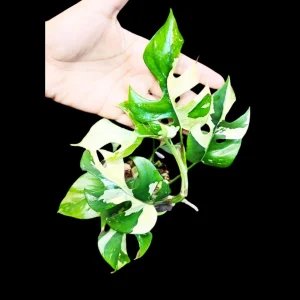
HousePlants
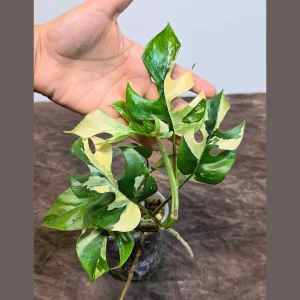
Variegated Rhaphidophora Tetrasperma Albo Live Plant – Mini Monstera – Exact Collector Plant
Sold 69 products
Original price was: $480.00.$240.00Current price is: $240.00.




%20–%20Edible%20&%20Ornamental%20Plant&url=https://gardennursery.net/product/black-turmeric-rhizomes-curcuma-caesia-edible-ornamental-plant/&media=https://img.gardennursery.net/2026/01/black-turmeric-rhizomes-curcuma-caesia-edible-orna-1-860x1024.webp)


%20–%20100%20Seeds%20for%20Dried%20Flowers&url=https://gardennursery.net/product/winged-everlasting-seeds-ammobium-alatum-100-seeds-for-dried-flowers/&media=https://img.gardennursery.net/2026/04/winged-everlasting-seeds-ammobium-alatum-100-seeds-013d6d4d.webp)


%20–%202%20Trees,%204%20inch%20Container,%206-12%20inch%20Tall&url=https://gardennursery.net/product/redbud-tree-live-plant-eastern-redbud-cercis-canadensis-2-trees-4-inch-container-6-12-inch-tall/&media=https://img.gardennursery.net/2026/01/redbud-tree-live-plant-eastern-redbud-cercis-canad-768x1024.webp)


&url=https://gardennursery.net/product/oregon-sugar-pod-ii-snow-pea-seeds-heirloom-non-gmo-1-lb-approx-2000-seeds/&media=https://img.gardennursery.net/2026/09/oregon-sugar-pod-ii-snow-pea-seeds-heirloom-non-gm-fbca8338.webp)


Reviews
There are no reviews yet.