
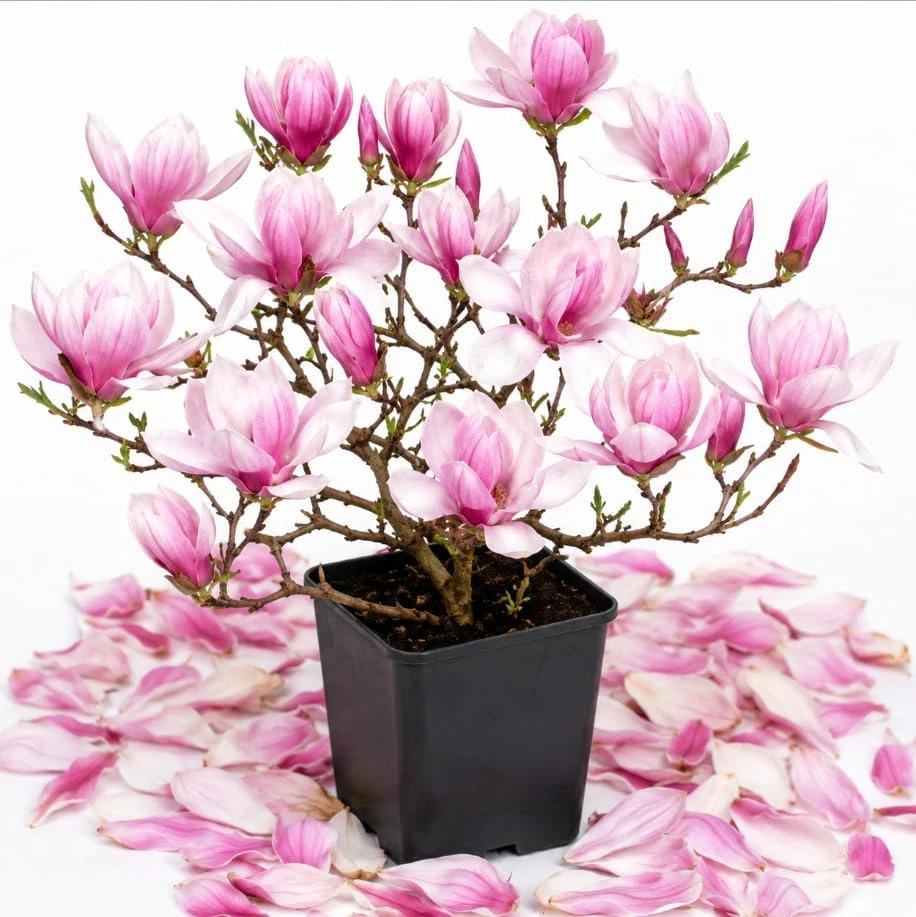
Saucer Magnolia Tree Live Plant – Pink White Flowers, 6-12″ Tall, 2.5″ Pot
Original price was: $31.98.$15.99Current price is: $15.99.
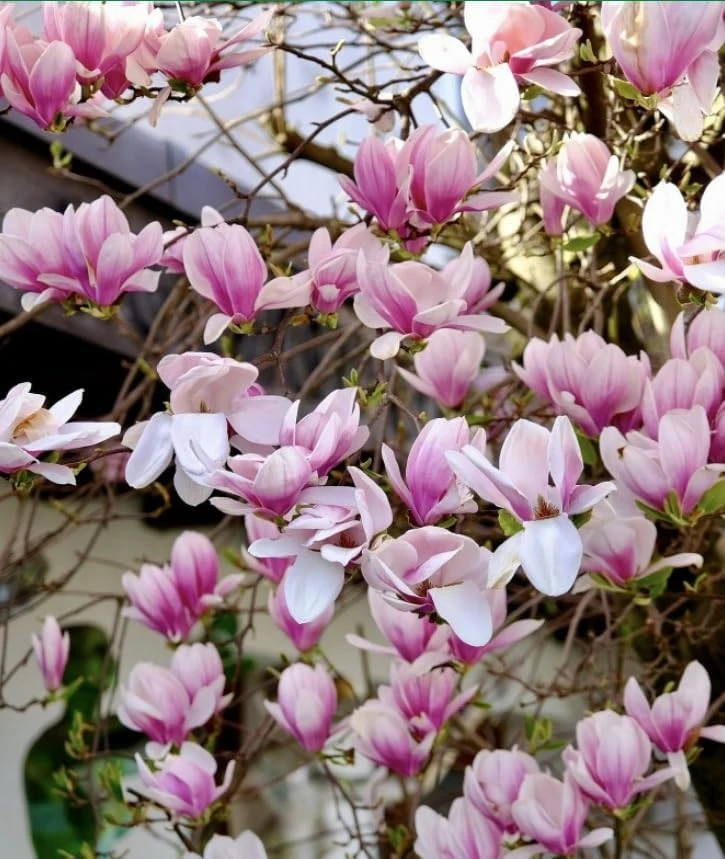
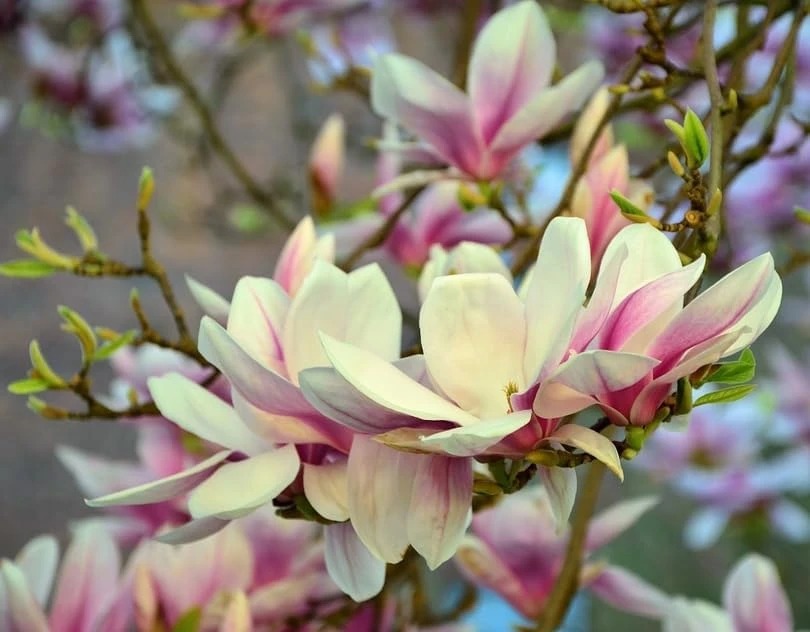
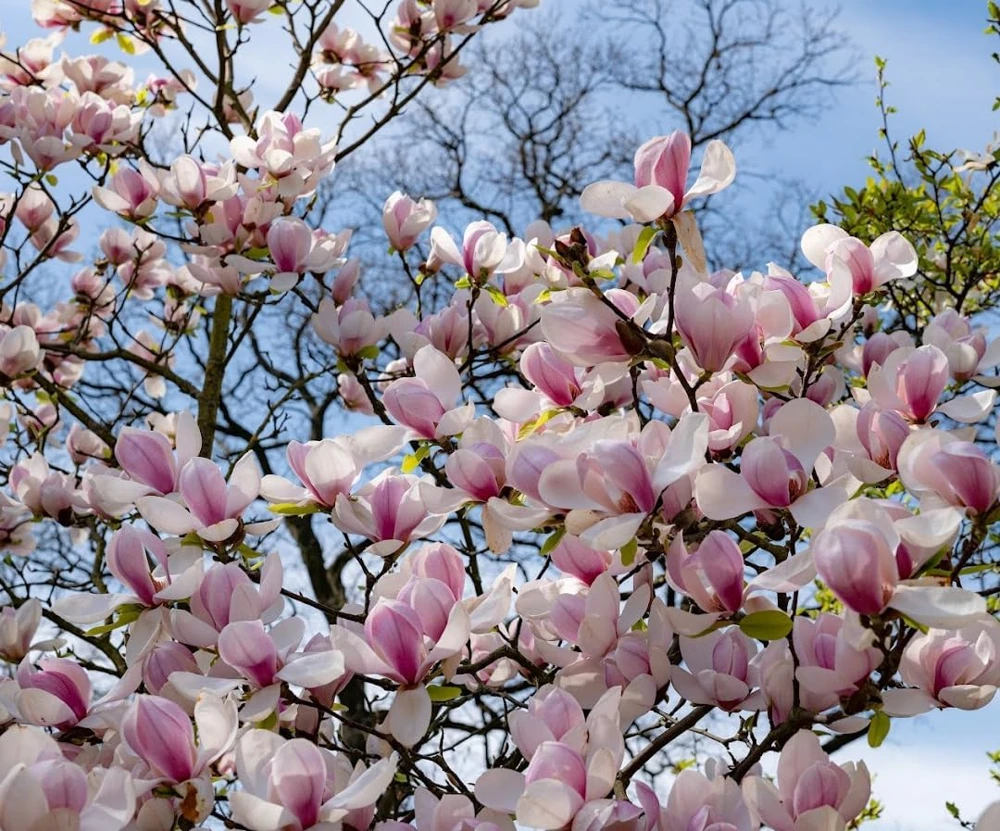
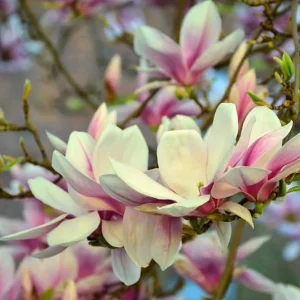
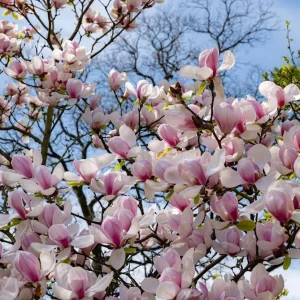
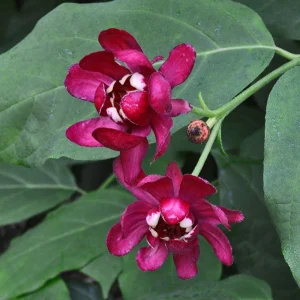
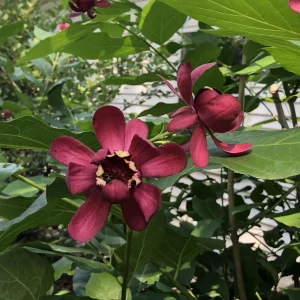
Bring elegant beauty to your garden with a saucer magnolia tree. This live plant, known for its breathtaking pink and white blooms, arrives 6-12 inches tall in a 2.5-inch pot, ready to thrive as a stunning focal point in your outdoor space. Enjoy the fragrant flowers of this sweet magnolia shrub.
-
USDA Hardiness Zone
USDA Zones 4-9 -
Soil Type
Well-draining, slightly acidic to neutral soil -
Sunlight Exposure
Full sun to partial shade -
Expected Planting Period
Spring to early fall

You can track your order HERE
Oct 30
Nov 04 - Nov 06
Nov 09 - Nov 13
Shipping and return policies: Our Alive & Thrive Guarantee covers issues with your plants within the first 30 days. Reach out to us. Our team will answer your questions and help you find the plants that are truly suitable for your environment, climate, and personal preferences.

Overview
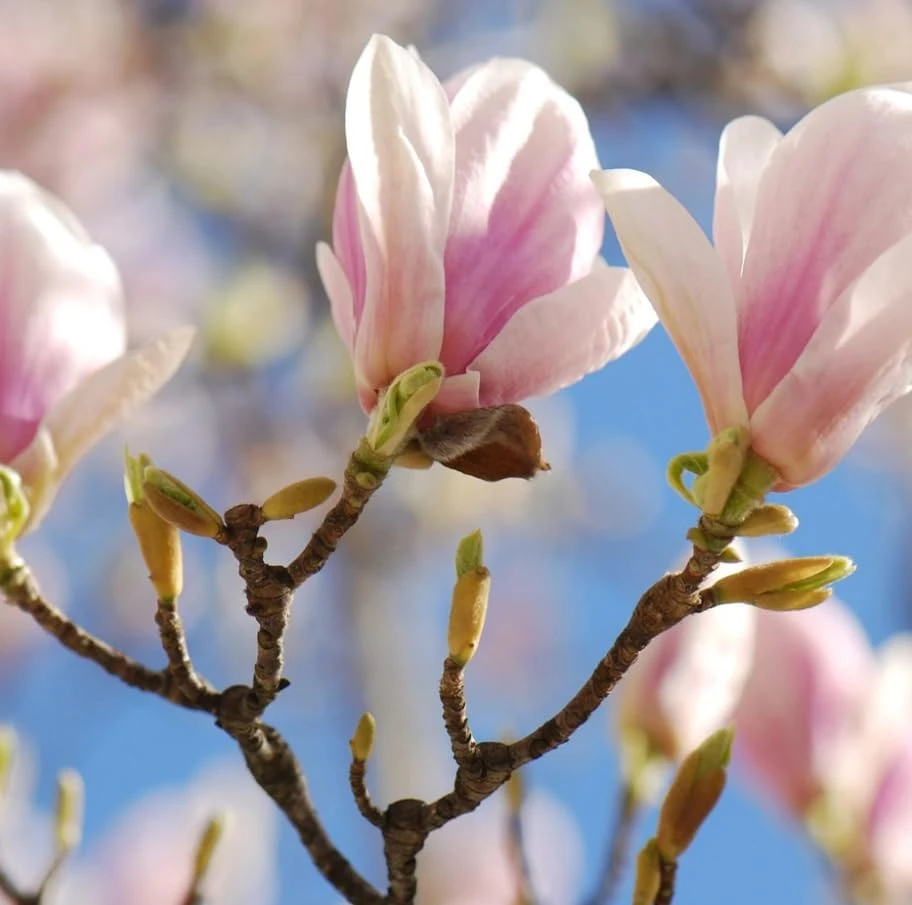
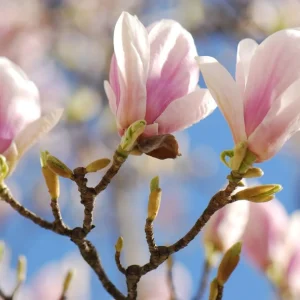
Introduce timeless elegance to your landscape with the magnificent saucer magnolia tree. Celebrated for its breathtaking pink and white blooms, this deciduous magnolia is a true showstopper. Arriving as a healthy young live plant, typically 6-12 inches tall in a 2.5-inch pot, it is ready for transplanting into your garden or a larger container. The Saucer Magnolia, scientifically known as Magnolia x soulangeana, is a popular hybrid known for its early spring flowers, often appearing before the leaves emerge. Its dramatic, cup-shaped blossoms provide a vibrant splash of color, making it an exquisite addition to any garden design. Whether you’re looking to create a striking specimen tree or a beautiful flowering shrub, this pink magnolia plant offers versatile beauty and a delightful fragrance.
The saucer magnolia tree is a symbol of natural grandeur, transforming outdoor spaces with its impressive floral display. It’s a fantastic choice for gardeners seeking a plant that delivers significant visual impact with relatively straightforward care. As a young starter plant, it will flower after becoming established with proper care and during the appropriate growing season, promising years of spectacular spring color.
Key Benefits
The saucer magnolia tree offers a multitude of benefits, making it a highly desirable choice for any garden or landscape. Its stunning visual appeal and fragrant blooms are just the beginning of what this remarkable plant brings to your outdoor environment. This particular sweet magnolia shrub is known for its robust growth and adaptability.
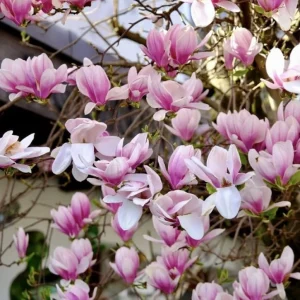
- Spectacular Spring Blooms: Enjoy an early and dramatic display of large, fragrant pink and white flowers that often appear before the leaves, creating a stunning visual impact in late winter or early spring. These showy blooms are a true highlight of the season.
- Versatile Growth Habit: This plant can be grown as a multi-stemmed shrub or trained into a single-trunked tree, offering flexibility in landscape design to suit various garden sizes and styles. It’s a truly adaptable deciduous magnolia.
- Fragrant Flowers: The beautiful pink and white blossoms emit a delightful, sweet fragrance that can perfume your garden, enhancing the sensory experience of your outdoor space.
- Low Maintenance Once Established: While young plants require consistent care, established saucer magnolia trees are relatively low maintenance, making them a rewarding addition for both novice and experienced gardeners.
- Excellent Landscape Focal Point: With its striking blooms and elegant form, the Saucer Magnolia serves as an outstanding focal point, drawing attention and adding significant aesthetic value to lawns, garden beds, or entryways.
- Attracts Pollinators: The early spring flowers provide a valuable nectar source for early emerging pollinators, contributing to the biodiversity of your garden ecosystem.
- Long-Term Beauty: A well-cared-for pink magnolia plant can live for many decades, providing enduring beauty and enjoyment for generations.
Plant Care & Growing Tips
Caring for your saucer magnolia tree properly will ensure it thrives and produces its stunning pink and white blooms for years to come. This sweet magnolia shrub prefers a site with full sun to partial shade. Full sun (at least 6 hours of direct sunlight per day) will generally result in the most abundant flowering, but some afternoon shade can be beneficial in hotter climates to protect the delicate flowers and foliage from scorching. It’s important to choose a location that offers protection from strong winds, which can damage the large, fragile blooms.
When it comes to watering, consistent moisture is key, especially during the first year of establishment. Water deeply and regularly, ensuring the soil remains evenly moist but not waterlogged. Good drainage is crucial, as magnolias do not tolerate wet feet. Amend heavy clay soils with organic matter to improve drainage. A slightly acidic to neutral soil pH (6.0-7.0) is ideal. Fertilize in early spring with a balanced, slow-release granular fertilizer formulated for trees and shrubs, following package instructions. Avoid fertilizing too late in the season, which can promote new growth susceptible to winter damage. The saucer magnolia tree is generally hardy in USDA Zones 4-9, requiring winter protection in the colder end of its range when young.
Pruning is typically done after flowering to shape the plant, remove dead or damaged branches, and maintain desired size. Avoid heavy pruning, as it can reduce the following year’s blooms. Common problems include magnolia scale and powdery mildew, which can be managed with appropriate horticultural oils or fungicides. Ensure good air circulation and avoid overhead watering to minimize fungal issues. This deciduous magnolia will reward proper care with a spectacular display each spring.
Size & Details
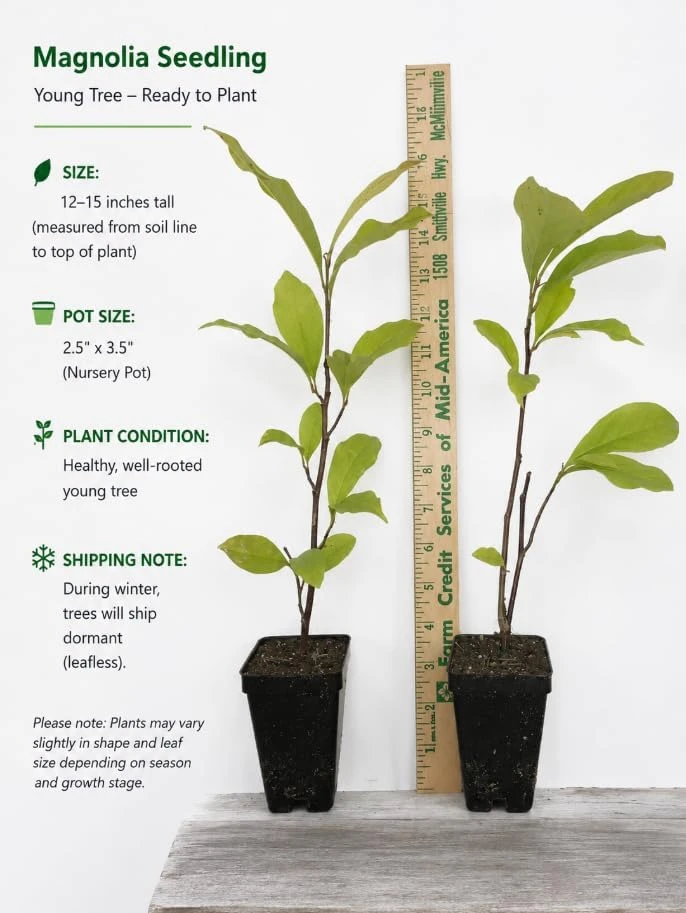
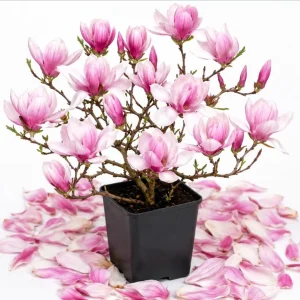
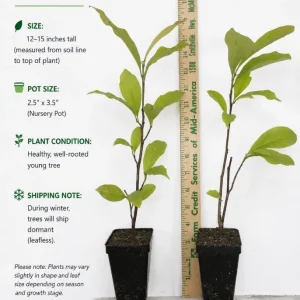
This offering is for a live saucer magnolia tree, a vibrant addition to any garden. Each plant arrives as a young starter, typically standing 6-12 inches tall from the top of the soil, securely rooted in a 2.5-inch nursery pot. This size is ideal for transplanting, allowing the plant to quickly establish itself in its new environment, whether that be a garden bed or a larger container. The pink magnolia plant is shipped without blooms, as it is a young, developing specimen. Flowering will commence once the plant has become established and reaches maturity, typically within a few years, during its appropriate growing season.
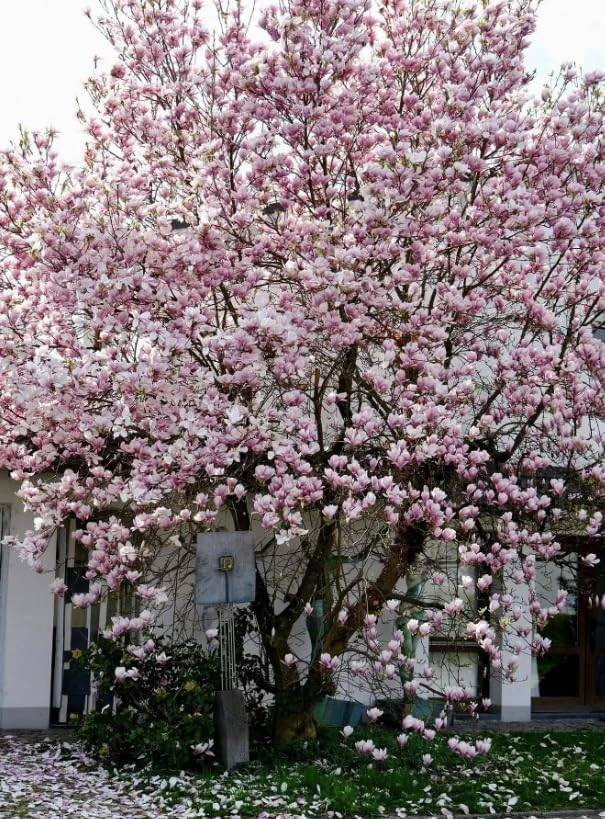
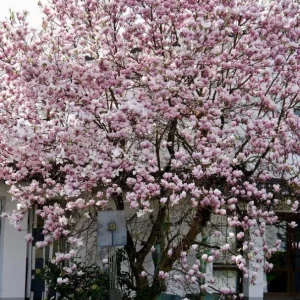
The saucer magnolia tree exhibits a moderate growth rate, eventually reaching a mature height of 20-30 feet with a similar spread when grown as a tree, or a more compact size when maintained as a shrub. Its robust root system and vigorous nature ensure it will develop into a resilient and beautiful feature in your landscape. Prepare for a magnificent display of color and fragrance as this sweet magnolia shrub matures.
Frequently Asked Questions
- Q: How big does this saucer magnolia tree get? A: When mature, a saucer magnolia tree can reach 20-30 feet tall and wide if grown as a tree. It can be kept smaller through pruning if you prefer a shrub form.
- Q: What size pot does the plant come in? A: This pink magnolia plant arrives in a 2.5-inch nursery pot, standing approximately 6-12 inches tall, ready for immediate transplanting.
- Q: Is this an indoor or outdoor plant? A: The saucer magnolia tree is an outdoor plant, best suited for planting in gardens, landscapes, or large outdoor containers where it can receive adequate sunlight and space to grow.
- Q: How much sunlight does it need? A: This sweet magnolia shrub thrives in full sun (at least 6 hours of direct sunlight daily) to partial shade. Full sun promotes the best flowering, but some afternoon shade is beneficial in hot climates.
- Q: Is this plant easy to care for? A: Once established, the saucer magnolia tree is relatively low maintenance. Young plants require consistent watering and proper site selection to ensure healthy growth. It’s a rewarding plant for gardeners of all experience levels.
- Q: What condition will it arrive in? A: Your deciduous magnolia will arrive as a healthy, young, live plant, carefully packaged to ensure its safe journey. It will be actively growing and ready for planting.
- Q: How long until it blooms? A: As a young starter plant, the saucer magnolia tree will typically begin flowering within a few years after becoming established in your garden, during its natural blooming season (late winter to early spring).
- Q: When is the best time to plant a saucer magnolia tree? A: The best time to plant a saucer magnolia tree is in the spring or early fall, allowing the plant sufficient time to establish its root system before extreme weather conditions.
- Q: Will it survive winter in my zone? A: The saucer magnolia tree is hardy in USDA Zones 4-9. If you are in a colder zone (like 4 or 5), consider providing winter protection for young plants.
- Q: What’s the minimum temperature this plant can tolerate? A: Established saucer magnolia trees can tolerate winter temperatures down to approximately -20°F (-29°C) in Zone 4, but young plants are more vulnerable and may need protection below 0°F (-18°C).
















Reviews
There are no reviews yet.