
Saucer Magnolia Shrub Tree Live Plant, 6-12″ Tall, Pink Fragrant Blooms, Outdoor
Original price was: $30.98.$15.49Current price is: $15.49.
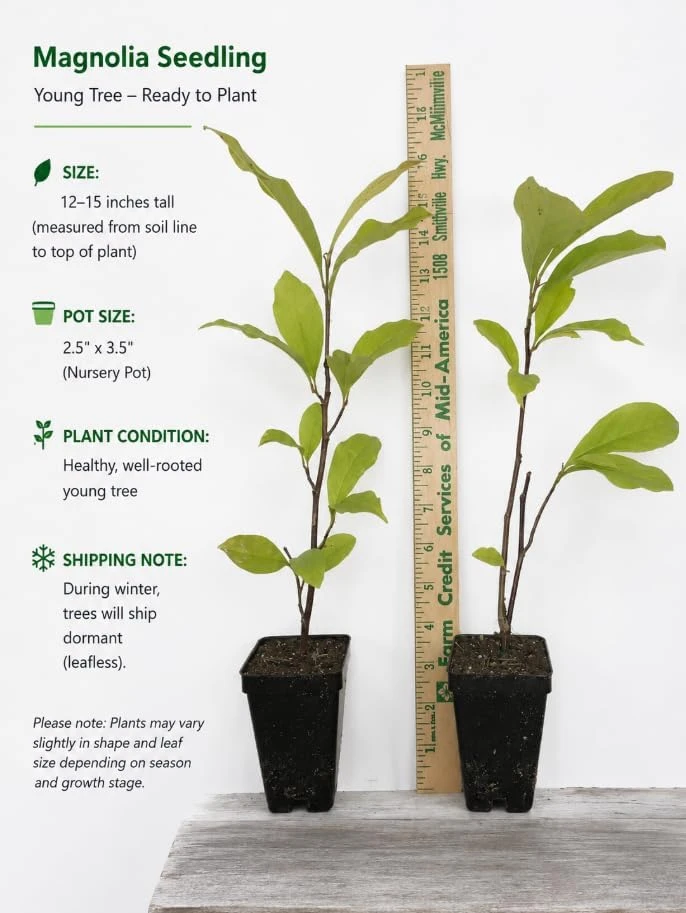
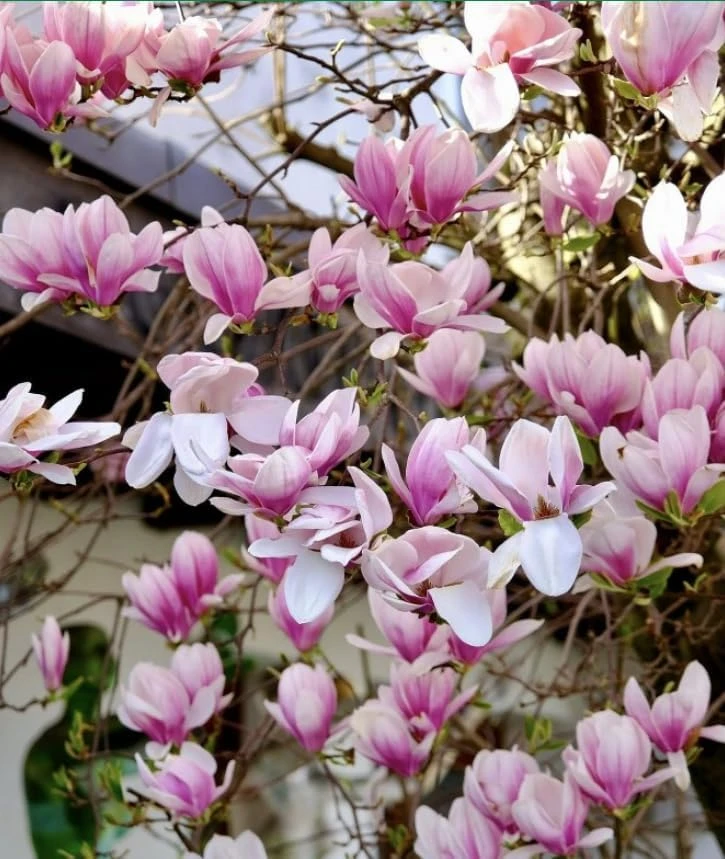
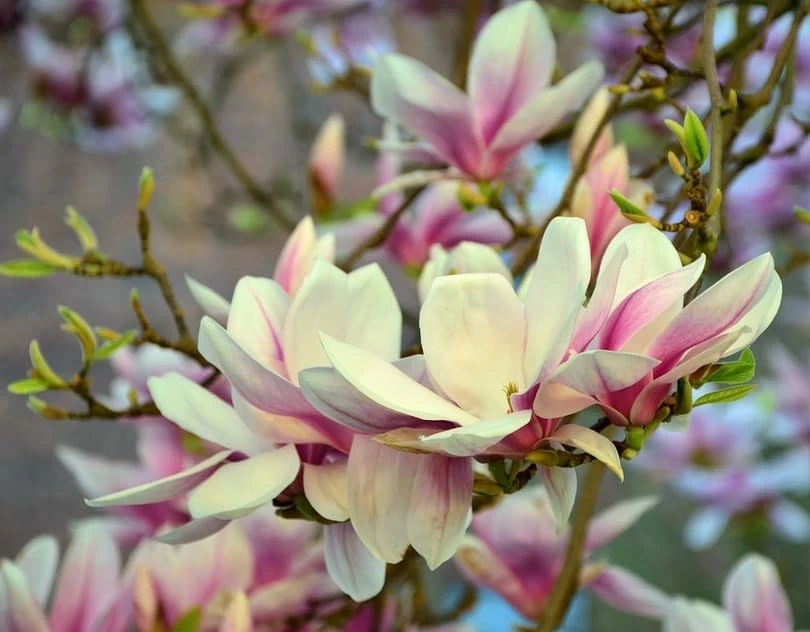
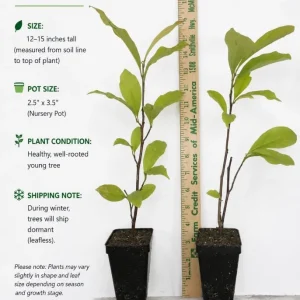
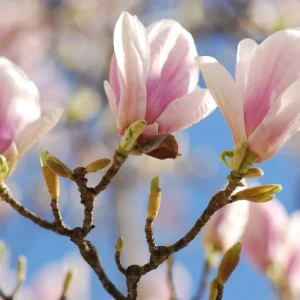
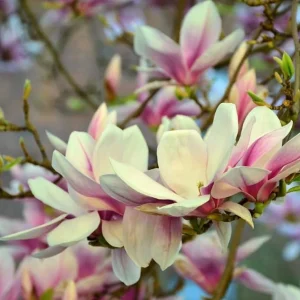
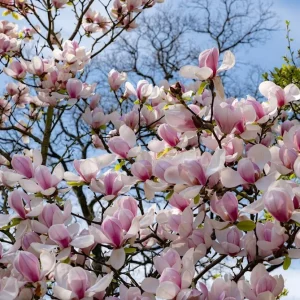
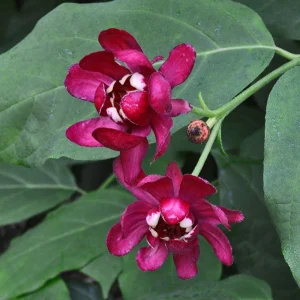
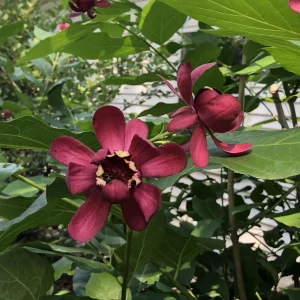
Bring elegant beauty to your landscape with a saucer magnolia shrub tree. This live plant arrives 6-12 inches tall in a 2.5-inch pot, ready to grow into a stunning focal point. Enjoy its large, fragrant light pink and white blooms, perfect for any outdoor setting.
-
USDA Hardiness Zone
USDA zones 4-9 -
Soil Type
Well-draining, slightly acidic soil -
Sunlight Exposure
Full sun to partial shade -
Expected Planting Period
Early spring to fall

You can track your order HERE
Oct 30
Nov 04 - Nov 06
Nov 09 - Nov 13
Shipping and return policies: Our Alive & Thrive Guarantee covers issues with your plants within the first 30 days. Reach out to us. Our team will answer your questions and help you find the plants that are truly suitable for your environment, climate, and personal preferences.

Overview
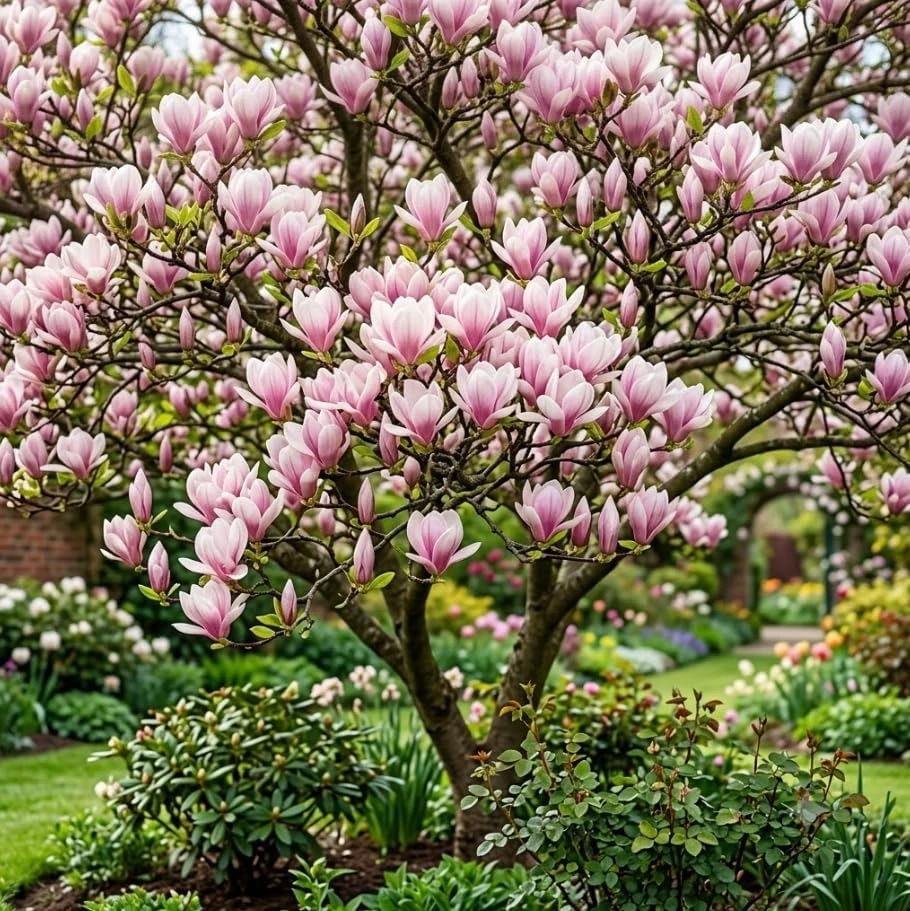
Introduce timeless elegance to your garden with the exquisite saucer magnolia shrub tree. Celebrated for its breathtaking pink and white blooms, this deciduous magnolia plant is a true showstopper. Arriving as a young starter plant, typically 6-12 inches tall in a 2.5-inch container, it’s ready to establish and transform your outdoor space. The saucer magnolia shrub tree (Magnolia x soulangeana) is a versatile specimen, known for its early spring flowering and sweet, delicate fragrance. It’s an ideal choice for gardeners seeking a stunning ornamental tree or a substantial flowering shrub.
This particular magnolia plant outdoor variety is highly adaptable and can be trained to grow as a multi-stemmed shrub or a single-trunked tree, offering flexibility in landscape design. Its distinctive cup-shaped flowers, often appearing before the leaves emerge, provide a dramatic display of color in late winter to early spring. The vigorous growth habit and relatively easy care make the saucer magnolia shrub tree a popular and rewarding addition to any garden or yard.
Key Benefits
The saucer magnolia shrub tree offers numerous advantages for the discerning gardener, enhancing outdoor spaces with its vibrant beauty and delightful aroma. Its unique characteristics make it a prized plant for various landscape applications.
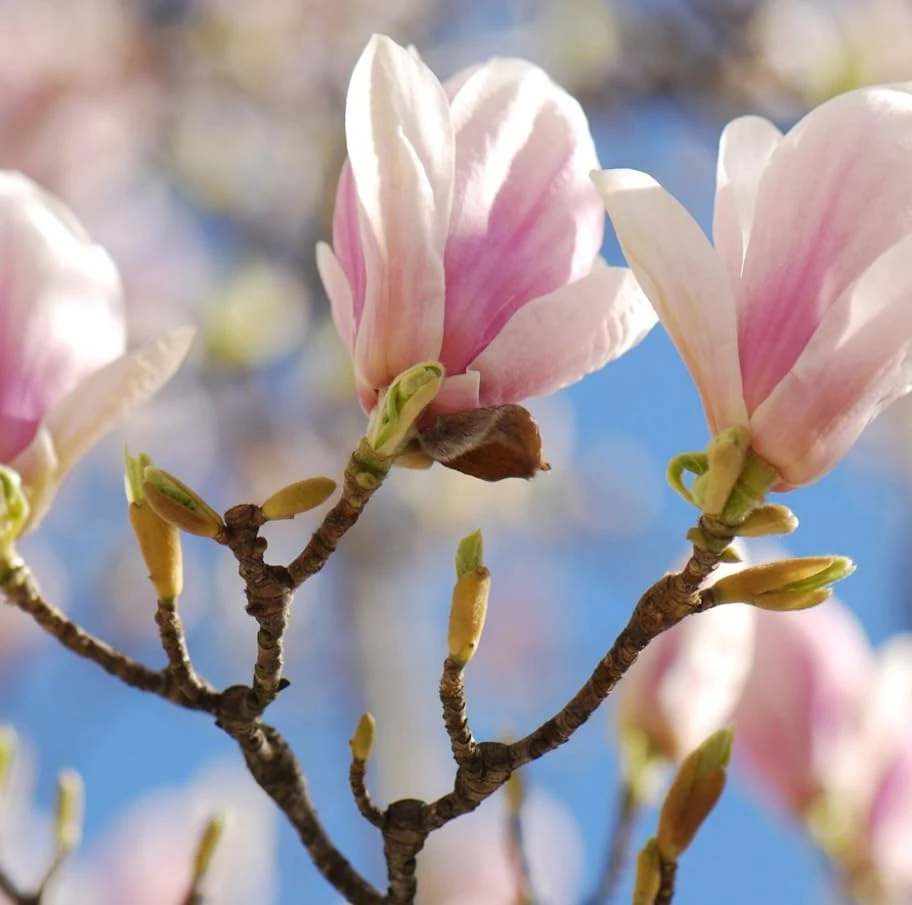
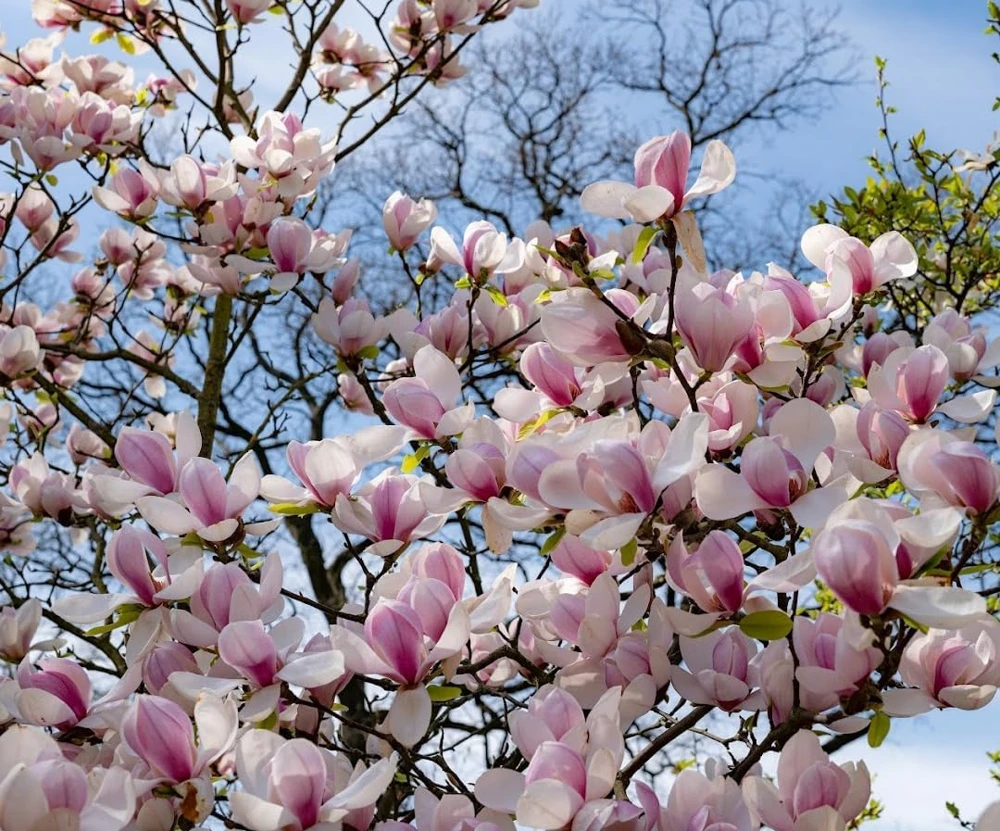
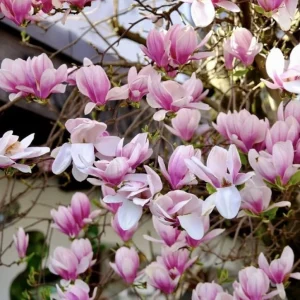
- Spectacular Spring Blooms: Enjoy an early and vibrant display of large, fragrant light pink and white flowers that burst forth in late winter to early spring, often before other plants begin to leaf out. These showy blooms are a true sign of spring’s arrival.
- Fragrant Beauty: The exquisite flowers of this fragrant magnolia tree release a subtle, sweet perfume, adding an aromatic dimension to your garden that is particularly enjoyable during its peak bloom period.
- Versatile Growth Habit: This plant can be cultivated as a striking, multi-stemmed shrub or pruned to form a elegant, single-trunked tree, allowing you to tailor its form to fit your landscape design needs.
- Deciduous Charm: As a deciduous plant, it offers seasonal interest, with its dramatic bare branches in winter giving way to stunning blooms, followed by lush green foliage in summer and often attractive yellow-bronze fall color. This makes it an excellent choice for a deciduous magnolia.
- Low Maintenance: Once established, the saucer magnolia shrub tree is relatively easy to care for, requiring minimal attention to thrive and produce its spectacular annual show.
- Garden Focal Point: With its impressive size and showy blooms, this pink magnolia blooms specimen naturally becomes a captivating focal point in any garden, drawing the eye and adding architectural interest.
- Attracts Pollinators: While not a primary pollinator magnet, the early blooms can provide a valuable nectar source for early emerging bees and other beneficial insects.
Plant Care & Growing Tips
Caring for your saucer magnolia shrub tree ensures it grows into a healthy, prolific bloomer. This resilient plant, when given the right conditions, will reward you with years of beautiful floral displays. Proper planting and ongoing care are crucial for its success in your garden.
For optimal growth, plant your magnolia plant outdoor in a location that receives full sun to partial shade. Full sun (at least 6 hours of direct sunlight per day) will generally result in the most abundant flowering, while partial shade, especially in hotter climates, can help protect the delicate blooms from scorching. The soil should be well-draining, rich in organic matter, and slightly acidic (pH 5.5-6.5). Avoid heavy clay soils that retain too much moisture, as magnolias dislike wet feet. When planting, dig a hole twice as wide as the root ball and just as deep. Gently loosen the roots before placing the plant in the hole, ensuring the top of the root ball is level with the surrounding soil. Backfill with a mixture of native soil and compost, then water thoroughly.
Water your saucer magnolia shrub tree regularly, especially during its first growing season, to help it establish a strong root system. Aim for consistently moist, but not waterlogged, soil. Once established, it is moderately drought-tolerant but will benefit from supplemental watering during prolonged dry periods. Apply a layer of organic mulch around the base of the plant to help retain soil moisture, regulate soil temperature, and suppress weeds. Fertilize in early spring with a balanced, slow-release fertilizer formulated for acid-loving plants. Pruning is generally minimal; remove any dead, damaged, or crossing branches after flowering. Avoid heavy pruning, as this can reduce the number of blooms in the following year. This deciduous magnolia is hardy in USDA zones 4-9.
Size & Details
This offering is for a live saucer magnolia shrub tree, arriving as a young starter plant. Each plant typically stands 6-12 inches tall from the top of the soil and is potted in a standard 2.5-inch nursery container, providing a healthy root system ready for transplanting. While the raw data indicated 5-14″ tall, the description specified 6-12″ tall, so we will use the more precise range. These plants are shipped without blooms, as they are young and require time to establish in their new environment before flowering. With proper care and during the appropriate growing season, you can anticipate your fragrant magnolia tree to produce its first stunning flowers within a few years of planting.
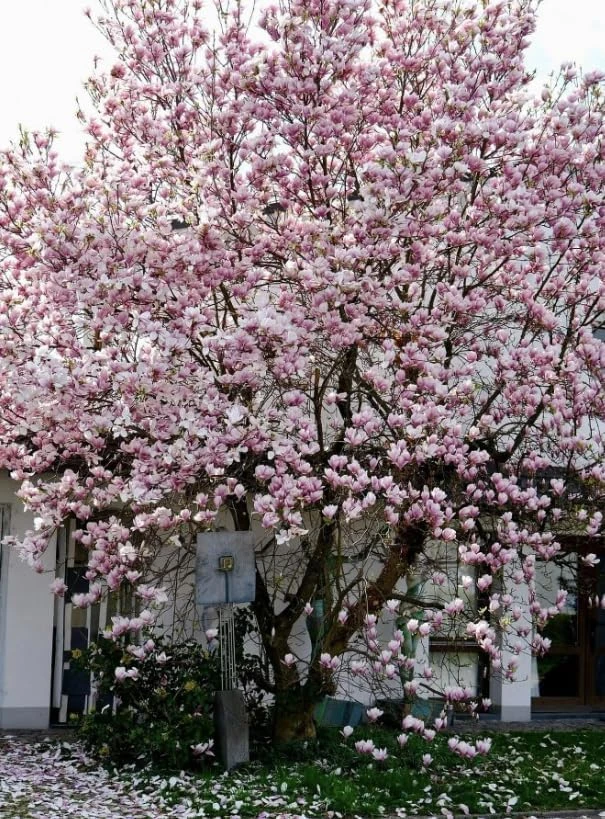
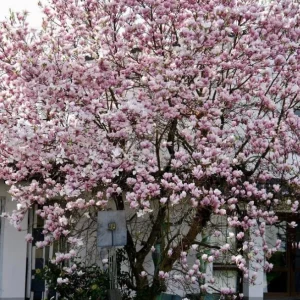
The mature size of a saucer magnolia shrub tree can vary depending on growing conditions and pruning, but it generally reaches a height of 15-20 feet with a similar spread when grown as a multi-stemmed shrub or small tree. Its growth rate is moderate, allowing it to develop into a significant landscape feature over time. This plant is perfectly suited for outdoor cultivation, thriving in garden beds or larger containers.
Frequently Asked Questions
- Q: How big does this saucer magnolia shrub tree get? A: This saucer magnolia shrub tree typically grows to a mature height of 15-20 feet with a similar spread, depending on whether it’s grown as a shrub or a small tree and the local growing conditions.
- Q: What size pot does it come in? A: The live plant arrives potted in a 2.5-inch nursery container, standing approximately 6-12 inches tall, ready for you to transplant into your garden or a larger pot.
- Q: Is this an indoor or outdoor plant? A: The saucer magnolia shrub tree is an outdoor plant, best suited for garden beds, landscapes, or large outdoor containers where it can receive adequate sunlight and space to grow.
- Q: How much sunlight does it need? A: This magnolia plant outdoor thrives in full sun to partial shade, meaning it prefers at least 6 hours of direct sunlight daily for the best flowering, though some afternoon shade is beneficial in hot climates.
- Q: Is this plant easy to care for? A: Yes, once established, the saucer magnolia shrub tree is relatively low-maintenance. It requires regular watering during its first year, but mature plants are quite resilient.
- Q: What condition will it arrive in? A: Your fragrant magnolia tree will arrive as a healthy, young starter plant in a pot, with established roots. It will not have blooms upon arrival, as it is a young plant.
- Q: How long until it blooms? A: As a young starter plant, it will typically begin to flower after becoming established, usually within 2-3 years, with proper care and during the appropriate growing season.
- Q: When is the best time to plant a pink magnolia blooms plant? A: The best time to plant your saucer magnolia shrub tree is in early spring or fall, allowing it to establish its root system before the extreme temperatures of summer or winter.
- Q: Will it survive winter in my zone? A: This deciduous magnolia is hardy in USDA Zones 4-9, meaning it can tolerate winter temperatures within these zones. It’s important to know your local hardiness zone for successful outdoor planting.
- Q: What type of soil does it prefer? A: It prefers well-draining, organically rich, and slightly acidic soil. Avoid heavy clay soils that can lead to root rot.















Reviews
There are no reviews yet.