
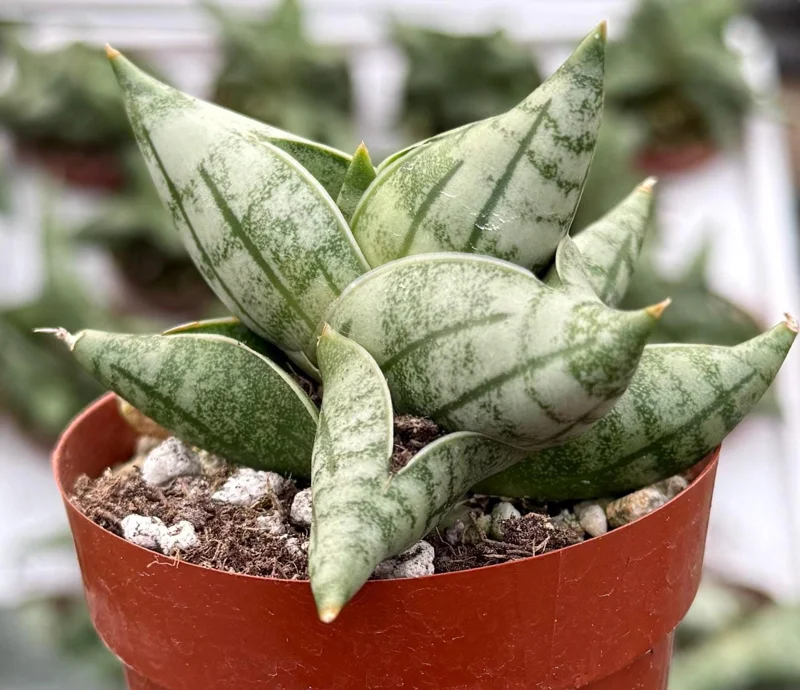
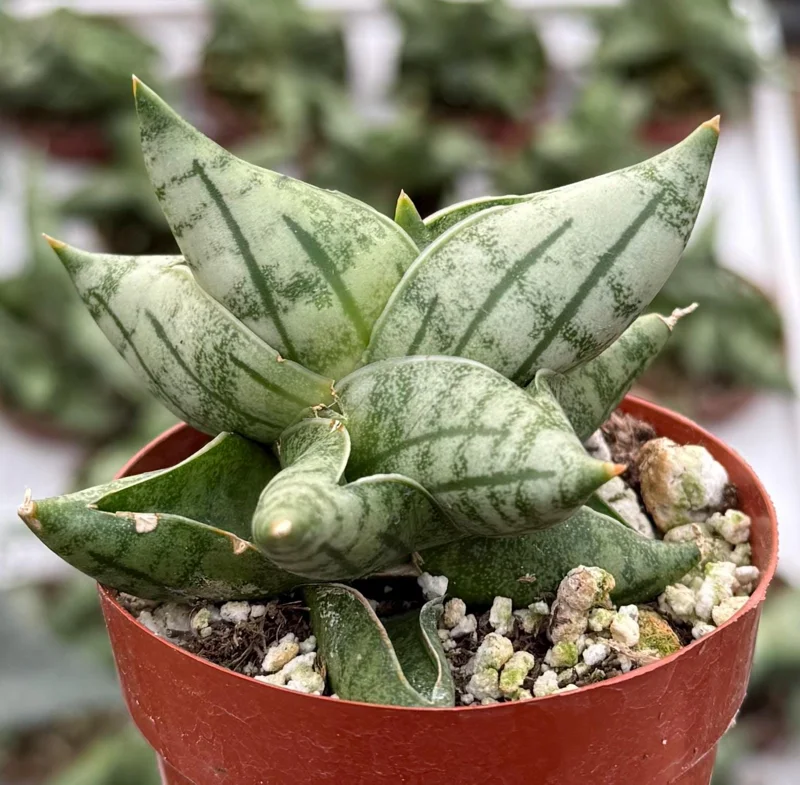
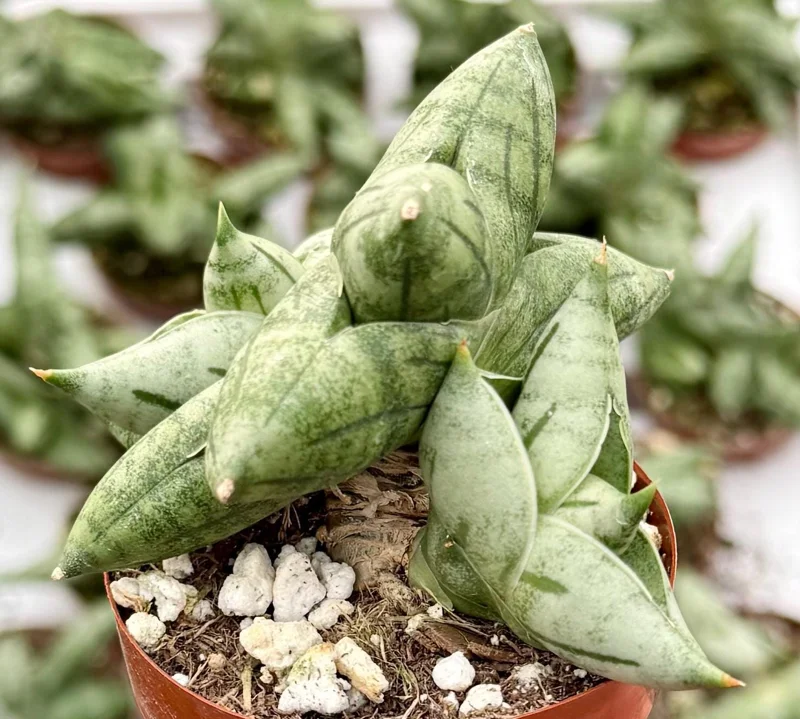
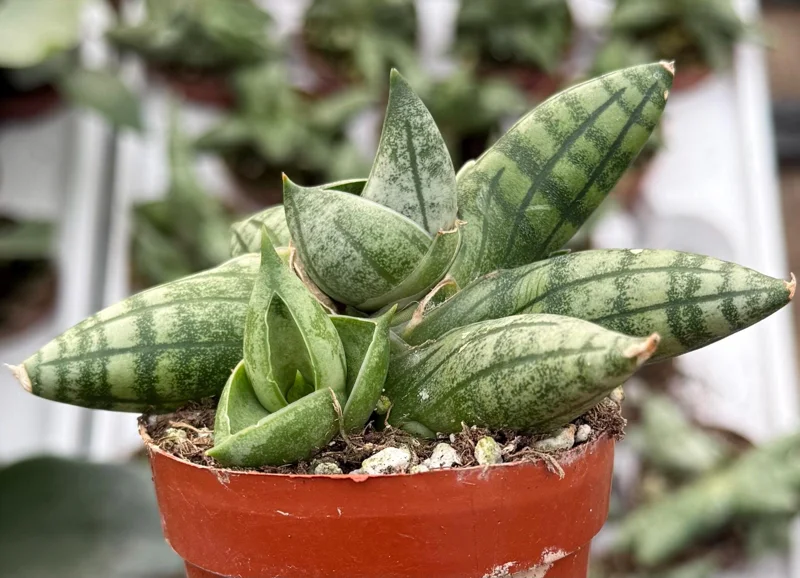
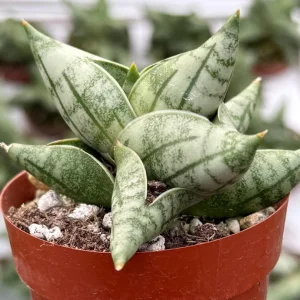
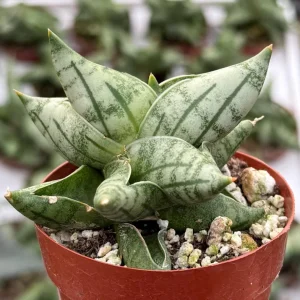
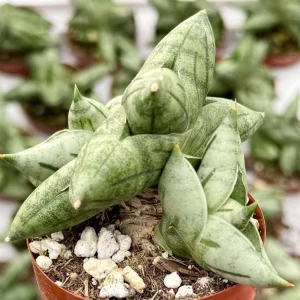
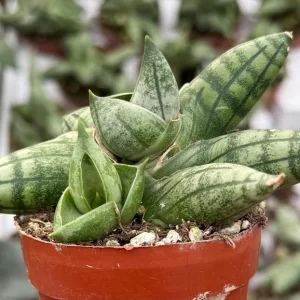
Sansevieria Bonji Live Plant – Rare Snake Plant, 2.5 inch Pot, Indoor
Original price was: $30.78.$21.54Current price is: $21.54.
Bring home a unique and resilient Sansevieria Bonji live plant. This rare snake plant, known for its distinctive cylindrical foliage, is an ideal choice for adding natural elegance to any indoor setting. Perfect for beginners, it thrives with minimal care and offers excellent air-purifying qualities.
-
USDA Hardiness Zone
USDA zones 9-11 (when kept outdoors) -
Soil Type
Well-draining potting mix (cactus/succulent blend recommended) -
Sunlight Exposure
Bright indirect light to low light -
Expected Planting Period
Year-round indoors

You can track your order HERE
Sep 21
Sep 26 - Sep 28
Oct 01 - Oct 05
Shipping and return policies: Our Alive & Thrive Guarantee covers issues with your plants within the first 30 days. Reach out to us. Our team will answer your questions and help you find the plants that are truly suitable for your environment, climate, and personal preferences.

Overview
Introduce a touch of exotic beauty and effortless elegance to your home or office with the Sansevieria Bonji live plant. This captivating variety of snake plant, now botanically classified under the genus Dracaena, is a true collector’s item for plant enthusiasts. The Sansevieria Bonji stands out with its uniquely structured foliage, which is often thick, cylindrical, or slightly flattened, presenting a striking green hue adorned with subtle patterns or striations. Its compact rosette form makes it an ideal choice for smaller spaces, desks, shelves, or as an accent in larger arrangements. Renowned for its exceptional resilience and adaptability, this rare snake plant thrives in a wide spectrum of lighting conditions, ranging from bright indirect light to surprisingly low light environments. It’s a perfect specimen for those seeking a distinctive yet low-maintenance houseplant.
The Sansevieria Bonji is not just visually appealing; it’s also incredibly easy to care for, making it a fantastic option for both novice and experienced plant parents. Its ability to store water efficiently in its leaves means it requires minimal watering, forgiving occasional neglect. Beyond its aesthetic charm, this plant is celebrated for its impressive air-purifying properties, actively working to remove toxins from your indoor environment. As a robust and long-lived plant, the indoor Sansevieria Bonji will continue to enhance your living space for years to come, offering both beauty and health benefits.
Key Benefits
The Sansevieria Bonji live plant offers a multitude of advantages, making it a highly desirable addition to any indoor plant collection. From its striking appearance to its practical benefits, this plant is designed to impress and simplify your plant care routine.
- Unique Aesthetic Appeal: Features distinctive, often cylindrical or flattened foliage with subtle patterns, providing a modern and sculptural look that enhances contemporary and traditional decor alike.
- Exceptional Air Purification: Known for its ability to filter indoor air, removing common toxins like formaldehyde, benzene, and trichloroethylene, contributing to a healthier living environment. This makes it an excellent air purifying plant.
- Remarkably Low Maintenance: One of the easiest houseplants to care for, requiring infrequent watering and tolerating a wide range of conditions, perfect for busy individuals or those new to plant ownership.
- Adaptable to Various Light Conditions: Thrives in bright indirect light but can also tolerate low light, offering flexibility in placement within your home or office. This resilience makes it a great low light plant.
- Drought Tolerant: Stores water in its thick leaves, allowing it to withstand periods of dryness, which means less worry about consistent watering.
- Compact Growth Habit: Its rosette form and moderate size make it ideal for small spaces, desks, shelves, or windowsills without overcrowding.
- Long-Lived and Durable: A resilient and robust plant that, with basic care, can flourish and provide beauty for many years.
Plant Care & Growing Tips
Caring for your Sansevieria Bonji live plant is straightforward, ensuring it remains a vibrant and healthy addition to your indoor space. This resilient plant is known for its tolerance and adaptability, making it perfect for those who desire lush greenery without demanding extensive attention. When it comes to sunlight, the Sansevieria Bonji prefers bright, indirect light but is remarkably forgiving and can adapt to lower light conditions. Avoid direct, harsh afternoon sun, which can scorch its leaves. A spot near an east or north-facing window is often ideal, providing ample light without intensity.
Watering is perhaps the most critical aspect of care for this indoor Sansevieria. As a succulent-like plant, it is highly susceptible to root rot if overwatered. Allow the soil to dry out completely between waterings, typically every 2-4 weeks, depending on light and humidity. In winter, reduce watering even further. When you do water, do so thoroughly until water drains from the bottom of the pot. The ideal soil for a Sansevieria Bonji is a well-draining potting mix, such as a cactus or succulent blend, which prevents waterlogging. Ensure its pot has drainage holes. This plant thrives in average room temperatures between 65-80°F (18-27°C) and can tolerate typical indoor humidity levels, making it a truly versatile low light plant.
Fertilization is rarely needed; a diluted balanced liquid fertilizer can be applied once or twice during the growing season (spring and summer) if desired, but it’s not essential for its survival. Repotting is only necessary when the plant becomes root-bound, usually every 2-3 years. Choose a pot only slightly larger than the current one. Common problems are usually related to overwatering, leading to soft, mushy leaves. If this occurs, reduce watering frequency and ensure good drainage. Pests are uncommon, but occasionally mealybugs or spider mites may appear; treat with insecticidal soap if needed. Providing these simple care requirements will ensure your Sansevieria Bonji live plant continues to thrive and beautify your home.
Size & Details
This Sansevieria Bonji live plant is provided in a convenient 2.5-inch nursery pot, perfectly sized for immediate placement on a desk, shelf, or as part of a larger plant arrangement. At this stage, the plant typically stands approximately 4-6 inches tall, showcasing its distinctive cylindrical or flattened foliage in a compact rosette form. Sansevieria Bonji is known for its slow to moderate growth rate, eventually reaching a mature height of approximately 12-18 inches indoors, with a similar spread, making it an excellent choice for consistent, manageable greenery. It ships as a healthy, established plant, rooted in its nursery container, ready to acclimate to its new environment. With proper care, this resilient plant will gradually mature, continuing to develop its unique foliage and air-purifying qualities, serving as a long-lasting decorative element in your home.
Frequently Asked Questions
- Q: How big does this Sansevieria Bonji get? A: This Sansevieria Bonji live plant typically grows to a mature height of 12-18 inches indoors, with a similar spread. Its compact rosette form makes it suitable for various spaces.
- Q: What size pot does it come in? A: Your Sansevieria Bonji will arrive in a 2.5-inch nursery pot, which is a great size for a starter plant. You can repot it into a slightly larger decorative pot upon arrival or allow it to grow for a while before repotting.
- Q: Is this an indoor or outdoor plant? A: The Sansevieria Bonji is primarily grown as an indoor plant due to its preference for stable temperatures and its sensitivity to cold. It thrives as an indoor Sansevieria, though it can be placed outdoors in warm, shaded areas during summer months in appropriate climates.
- Q: How much sunlight does it need? A: This plant prefers bright, indirect light but is highly adaptable and can tolerate low light conditions, making it an excellent low light plant. Avoid direct, harsh sunlight which can damage its leaves.
- Q: Is this plant easy to care for? A: Yes, the Sansevieria Bonji is considered one of the easiest plants to care for, perfect for beginners. It requires minimal watering and tolerates a range of light conditions, making it very forgiving.
- Q: What condition will it arrive in? A: Your Sansevieria Bonji live plant will arrive as a healthy, established plant, rooted in its nursery pot, carefully packaged to ensure its safe journey to your home.
- Q: Is it pet-safe? A: Sansevieria plants are generally considered mildly toxic if ingested by pets, potentially causing oral irritation or digestive upset. It’s best to keep this rare snake plant out of reach of curious pets.
- Q: How often should I water my Sansevieria Bonji? A: Water sparingly. Allow the soil to dry out completely between waterings, typically every 2-4 weeks, depending on your home’s light and humidity levels. Overwatering is the most common cause of issues.
- Q: Does this plant help purify the air? A: Yes, the Sansevieria Bonji is an excellent air purifying plant. It is known to remove toxins such as formaldehyde and benzene from indoor air, contributing to a healthier environment.
- Q: When is the best time to repot this plant? A: Repotting is generally only needed when the plant becomes root-bound, which usually occurs every 2-3 years. Spring is the ideal time to repot if necessary.
Be the first to review “Sansevieria Bonji Live Plant – Rare Snake Plant, 2.5 inch Pot, Indoor”
People Also Viewed
Sold 84 products
Original price was: $43.98.$21.99Current price is: $21.99.
Sold 62 products
Original price was: $49.98.$24.99Current price is: $24.99.
Sold 91 products
Original price was: $49.38.$24.69Current price is: $24.69.
Sold 59 products
Original price was: $25.56.$12.78Current price is: $12.78.
Sold 51 products
Original price was: $131.96.$65.98Current price is: $65.98.
Sold 76 products
Original price was: $49.98.$24.99Current price is: $24.99.
HousePlants
Sold 70 products
Original price was: $158.10.$94.86Current price is: $94.86.
Sold 80 products
Original price was: $90.34.$54.20Current price is: $54.20.
Sold 71 products
$219.89
Sold 88 products
Original price was: $43.99.$23.99Current price is: $23.99.
Sold 55 products
Original price was: $69.90.$41.94Current price is: $41.94.
Sold 60 products
Original price was: $49.98.$24.99Current price is: $24.99.
Sold 65 products
Original price was: $27.96.$13.98Current price is: $13.98.
Sold 75 products
Original price was: $28.58.$20.00Current price is: $20.00.
Sold 85 products
Original price was: $33.90.$18.90Current price is: $18.90.
Sold 55 products
Original price was: $39.98.$19.99Current price is: $19.99.
Sold 72 products
Original price was: $175.96.$87.98Current price is: $87.98.
Sold 58 products
Original price was: $28.76.$14.38Current price is: $14.38.





%20PRIMO%20Pepper%20Seeds%20–%20World’s%20Hottest%20Chili%20Seeds&url=https://gardennursery.net/product/1000-trinidad-7-pod-7-pot-primo-pepper-seeds-worlds-hottest-chili-seeds/&media=https://img.gardennursery.net/2026/09/1000-trinidad-7-pod-7-pot-primo-pepper-seeds-world-69781359.webp)


Reviews
There are no reviews yet.