
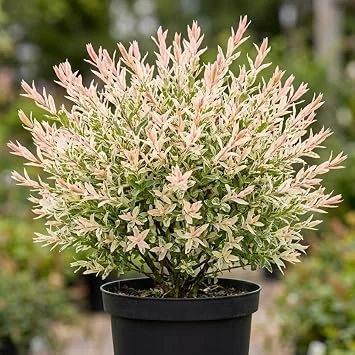
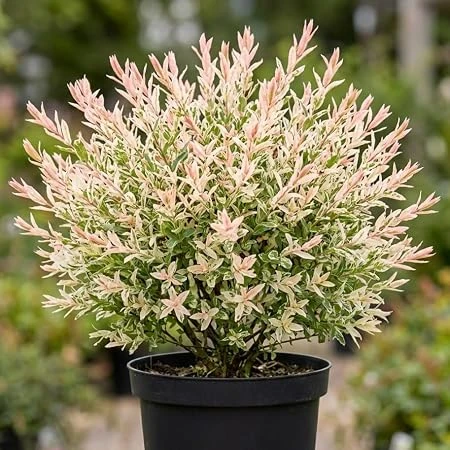
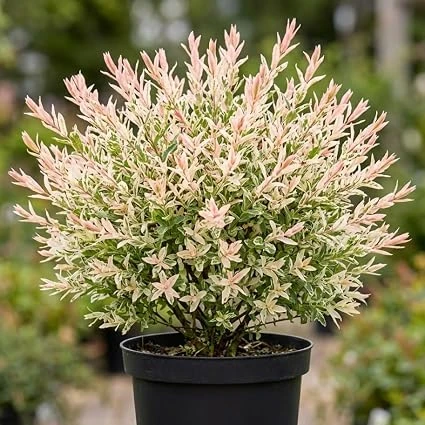
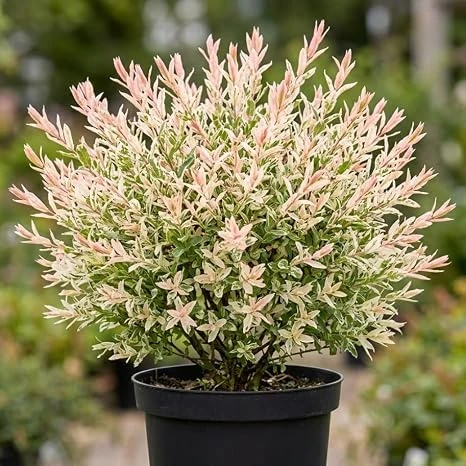
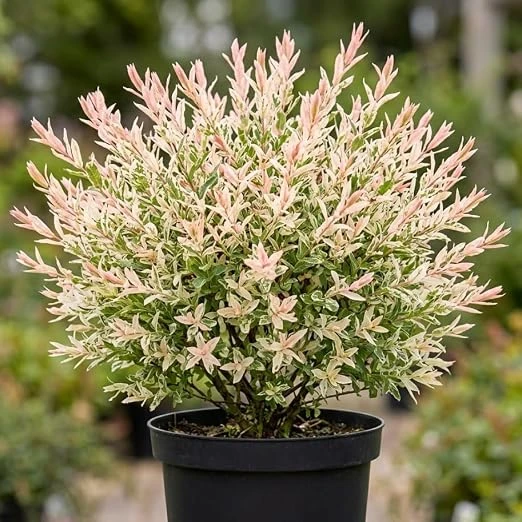
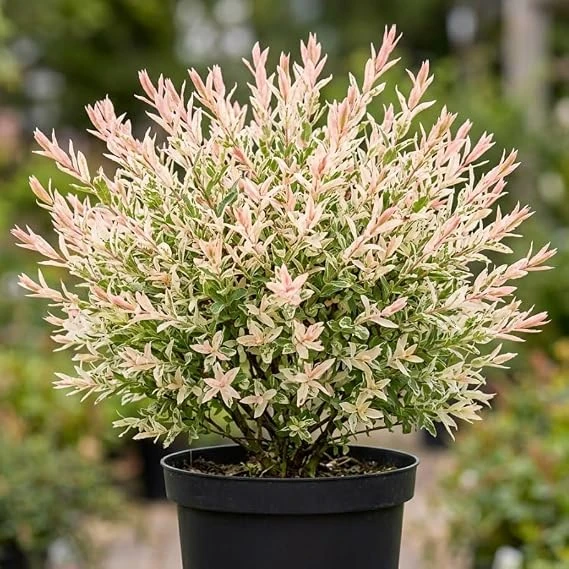
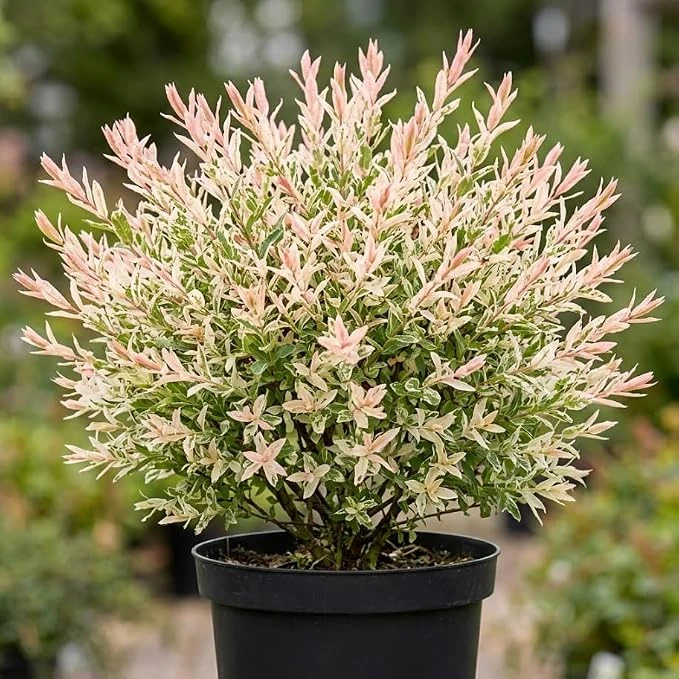
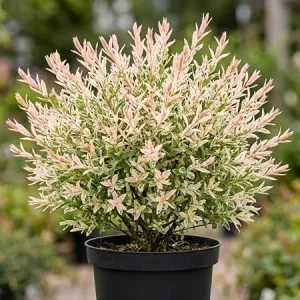
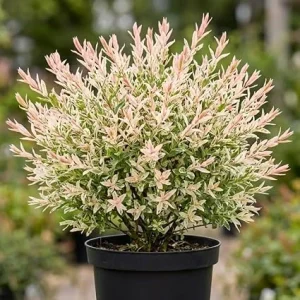
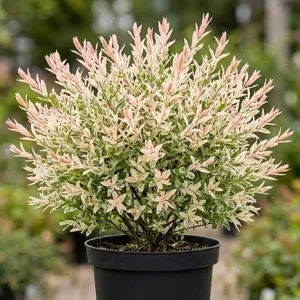
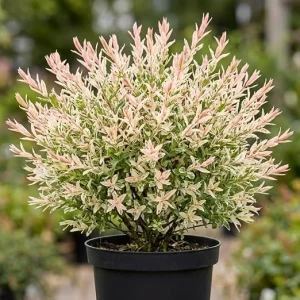
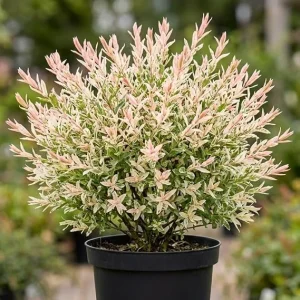
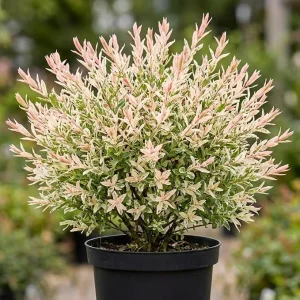
Dappled Willow Tree – Variegated Tricolor Live Shrub Plant – 6-12 Inches Tall in Qt Pot – Outdoor
Original price was: $65.98.$32.99Current price is: $32.99.
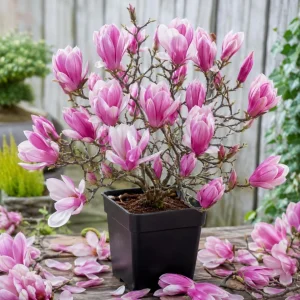
Add vibrant, multi-season color to your garden with this beautiful dappled willow tree. This variegated willow plant features stunning pink, white, and green foliage, making it a perfect ornamental shrub for landscapes or container plantings. Arrives as a 6-12 inch tall live plant in a quart pot, ready for outdoor growth.
-
USDA Hardiness Zone
USDA zones 4-9 -
Soil Type
Well-draining, moist soil rich in organic matter -
Sunlight Exposure
Full sun to partial shade -
Expected Planting Period
Spring to early fall

You can track your order HERE
Nov 03
Nov 08 - Nov 10
Nov 13 - Nov 17
Shipping and return policies: Our Alive & Thrive Guarantee covers issues with your plants within the first 30 days. Reach out to us. Our team will answer your questions and help you find the plants that are truly suitable for your environment, climate, and personal preferences.

Overview
Introduce breathtaking color and unique texture to your outdoor space with the exquisite dappled willow tree. This live shrub plant, scientifically known as Salix integra ‘Hakuro-nishiki’, is celebrated for its stunning variegated foliage that transitions through shades of pink, white, and green throughout the growing season. Arriving as a healthy, approximately 6–12 inches tall live plant in a convenient quart pot, it is perfectly prepared for transplanting into your garden bed, landscape, or a decorative container. The dappled willow tree is a deciduous shrub that provides a dynamic visual display, from its fresh spring growth to its elegant fall dormancy, ensuring your garden remains captivating.
The Dappled Willow, also commonly referred to as the variegated willow plant or tricolor willow shrub, is an easy-to-grow and versatile addition to any garden. Its delicate, multi-hued leaves create a soft, airy feel, making it an excellent choice for borders, accent plantings, or even as a small hedge. Beyond its visual appeal, this hardy shrub is known for its resilience and ability to thrive in a variety of conditions, bringing long-lasting beauty with minimal fuss. Embrace the charm of this distinctive willow and watch your garden come alive with its unique coloration.
Key Benefits
The dappled willow tree offers numerous advantages for any gardener looking to enhance their outdoor environment. Its striking appearance and adaptable nature make it a highly desirable plant. Here are some of the key benefits:
- Stunning Variegated Foliage: Enjoy a continuous display of color with leaves that emerge pink, mature to white and green, and maintain interest throughout the spring and summer. This natural artistic palette makes the dappled willow tree a standout feature.
- Multi-Season Appeal: Beyond its vibrant foliage, the Dappled Willow offers interest across multiple seasons, from its delicate spring growth to its graceful winter dormancy, providing year-round structure and beauty.
- Versatile Landscape Use: Ideal for a wide range of applications, including specimen planting, borders, hedges, foundation plantings, or even in large decorative containers. Its moderate size makes it suitable for various garden designs.
- Low Maintenance & Hardy: This variegated willow plant is remarkably easy to care for, requiring minimal attention once established. It is a robust shrub that tolerates different soil conditions and is generally pest and disease resistant.
- Attracts Pollinators: While primarily grown for its foliage, the Dappled Willow can produce subtle catkins in early spring, offering an early food source for beneficial pollinators in your garden.
- Fast Growing: Experience relatively quick growth, allowing you to establish a beautiful, full shrub in a shorter amount of time compared to slower-growing varieties.
- Adaptable to Sun Exposure: Thrives in a range of light conditions from full sun to partial shade, offering flexibility in planting locations within your landscape.
Plant Care & Growing Tips
Caring for your dappled willow tree is straightforward, making it an excellent choice for both novice and experienced gardeners. To ensure your tricolor willow shrub thrives, pay attention to its specific needs regarding sunlight, watering, soil, and pruning.
Sunlight Requirements
The Dappled Willow performs best in full sun to partial shade. Full sun (at least 6 hours of direct sunlight daily) will encourage the most vibrant pink and white variegation in the leaves. In hotter climates, a location with partial shade, especially during the intense afternoon sun, can help prevent leaf scorch and maintain leaf color. Ensure it receives adequate light to fully develop its characteristic variegated patterns.
Watering & Soil Preferences
This variegated willow plant prefers consistently moist, well-drained soil. While established plants can tolerate some short periods of dryness, regular watering is crucial, especially during dry spells and in its first year of growth. Water deeply to encourage strong root development, allowing the top inch or two of soil to dry out slightly between waterings. Avoid waterlogging, as this can lead to root rot. A layer of mulch around the base of the plant can help retain soil moisture and regulate soil temperature. For optimal growth, ensure the soil is rich in organic matter.
Temperature & Hardiness
The Dappled Willow is a hardy shrub, typically thriving in USDA zones 4-9. It is quite tolerant of cold temperatures, entering dormancy in winter and losing its leaves, which is a normal part of its growth cycle. Fresh, colorful foliage will return in spring. In extreme cold, some winter protection may be beneficial for very young plants. It also tolerates a range of summer temperatures, provided it receives adequate moisture. Understanding dappled willow care for your specific climate is key to its success.
Fertilization & Pruning
Fertilize your Dappled Willow in early spring with a balanced, slow-release granular fertilizer to support vigorous growth. Follow the product instructions for application rates. Pruning is essential for maintaining the shrub’s shape and promoting the best foliage color. The most vibrant colors appear on new growth. Prune in late winter or early spring before new growth begins, or after the first flush of leaves in spring. You can cut back about one-third of the previous year’s growth to encourage a bushy habit and fresh, colorful shoots. Regular pruning helps keep your dappled willow tree looking its best.
Size & Details
This offering includes one healthy dappled willow tree, a live plant approximately 6–12 inches tall, growing vigorously in a quart (qt) sized nursery pot. It arrives ready for immediate transplanting and continued growth in your garden. The Dappled Willow is a fast-growing deciduous shrub that, with proper care, can reach a mature height of 4-6 feet and a spread of 5-7 feet, though it can be kept smaller with regular pruning. Its relatively quick growth rate means you won’t have to wait long to enjoy its full beauty. The plant’s compact nature makes it suitable for various garden sizes and styles, from small urban gardens to larger landscape designs. Expect your new variegated willow plant to establish quickly and begin showcasing its unique foliage in its first growing season.
Frequently Asked Questions
- Q: How big does this plant get? A: The dappled willow tree typically grows to a mature height of 4-6 feet and a spread of 5-7 feet. Its size can be managed effectively with regular pruning, allowing it to fit into various garden spaces.
- Q: What size pot does it come in? A: This Dappled Willow plant is shipped in a quart (qt) sized nursery pot, providing a healthy root system ready for transplanting into your garden or a larger container.
- Q: Is this an indoor or outdoor plant? A: The Dappled Willow is primarily an outdoor plant, best suited for garden beds, landscapes, or large outdoor containers. It is a hardy shrub that thrives in a range of outdoor climates.
- Q: How much sunlight does it need? A: For the best foliage color and overall health, your dappled willow tree requires full sun to partial shade. Full sun exposure will intensify the pink and white variegation.
- Q: Is this plant easy to care for? A: Yes, the Dappled Willow is considered a low-maintenance and easy-to-care-for shrub, making it suitable for gardeners of all experience levels. Consistent watering and annual pruning are its main requirements.
- Q: What condition will it arrive in? A: Your variegated willow plant will arrive as a healthy, live specimen, approximately 6–12 inches tall, securely packaged in its quart pot with soil, ready for transplanting.
- Q: When is the best time to plant? A: The best time to plant your Dappled Willow is in the spring or early fall, allowing the plant sufficient time to establish its root system before extreme summer heat or winter cold.
- Q: Will it survive winter in my zone? A: The Dappled Willow is hardy in USDA zones 4-9. It will naturally enter dormancy and lose its leaves in colder months, returning with fresh growth in spring.
- Q: What is the ideal soil type for this tricolor willow shrub? A: This shrub prefers consistently moist, well-drained soil that is rich in organic matter. Avoid heavy clay soils that retain too much water.
- Q: How often should I prune my dappled willow tree? A: Pruning in late winter or early spring, or after the first flush of spring growth, is recommended to encourage vibrant new foliage and maintain its desired shape and size.
Be the first to review “Dappled Willow Tree – Variegated Tricolor Live Shrub Plant – 6-12 Inches Tall in Qt Pot – Outdoor”
People Also Viewed
Herbs
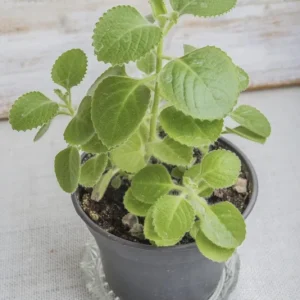
Cuban Oregano Live Plant – 4-6″ Tall Starter Herb – Spanish Thyme, Indian Borage – Indoor/Outdoor
Sold 74 products
From $25.98








Vegetables
Aji Chinchi Amarillo Peruvian Hot Pepper Live Plants – 3 Pack, 75+ Days Old, Yellow, Outdoor
Sold 94 products
$40.00
Shrubs
Dappled Willow Tree – Variegated Tricolor Live Shrub Plant – 6-12 Inches Tall in Qt Pot – Outdoor
Sold 53 products
Original price was: $65.98.$32.99Current price is: $32.99.

Trees
Cryptomeria Japonica Black Dragon Live Plant – 6-12″ Tall – Quart Pot – Outdoor Evergreen Conifer
Sold 98 products
Original price was: $43.98.$30.78Current price is: $30.78.
Sold 52 products
Original price was: $52.99.$39.99Current price is: $39.99.







Reviews
There are no reviews yet.