
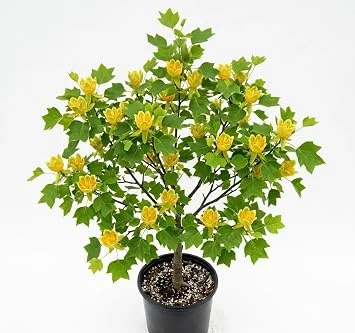
Tulip Poplar Tree Live Plant 8-12 Inch Tall – Yellow Blooming Deciduous Tree
Original price was: $46.98.$23.49Current price is: $23.49.
Bring elegance to your landscape with a tulip poplar tree live plant. This beautiful deciduous tree, shipped 8-12 inches tall in a quart pot, is known for its distinctive yellow, tulip-shaped flowers and rapid growth. Perfect for creating shade or as a striking specimen tree, it offers vibrant fall foliage and thrives in USDA Zones 4-9.
-
USDA Hardiness Zone
USDA Zones 4-9 -
Soil Type
Well-draining, moist soil -
Sunlight Exposure
Full sun -
Expected Planting Period
Spring to Fall

You can track your order HERE
Oct 31
Nov 05 - Nov 07
Nov 10 - Nov 14
Shipping and return policies: Our Alive & Thrive Guarantee covers issues with your plants within the first 30 days. Reach out to us. Our team will answer your questions and help you find the plants that are truly suitable for your environment, climate, and personal preferences.

Overview
Introduce a majestic presence to your garden with this vibrant tulip poplar tree live plant. Also known as Tulip Tree or Liriodendron tulipifera, this beautiful deciduous tree is celebrated for its rapid growth and stunning, unique blooms. Arriving as a healthy seedling approximately 8-12 inches tall in a quart pot, it’s ready to establish deep roots and transform your outdoor space. The Tulip Poplar is a beloved North American native, prized for its distinctive yellow-green, tulip-shaped flowers with orange accents that emerge in late spring or early summer. Its large, lobed leaves provide dense shade throughout the warmer months, turning a brilliant golden yellow in the fall, offering year-round visual interest. This resilient tree is an excellent choice for adding vertical interest, shade, and a touch of natural beauty to any landscape.
The tulip poplar tree live plant is not only a visual delight but also a vital part of many ecosystems, attracting pollinators like bees and hummingbirds. Its tall, straight trunk and broad canopy make it an ideal specimen tree or a valuable addition to a native planting scheme. Easy to care for once established, it’s suitable for a wide range of climates and soil conditions, promising years of enjoyment and ecological benefits.
Key Benefits
Adding a tulip poplar tree live plant to your property offers numerous advantages, enhancing both aesthetics and environmental health. Its unique characteristics make it a standout choice for gardeners looking for both beauty and resilience.
- Stunning Floral Display: Enjoy the breathtaking sight of unique yellow-green flowers with orange bases that resemble tulips, blooming profusely in spring. These blooms are a rare and beautiful feature in the tree kingdom, providing a captivating focal point.
- Rapid Growth & Shade: Known for its impressive growth rate, this tree quickly develops into a large, stately specimen, providing ample shade during hot summer months. It’s an excellent choice for establishing a mature landscape relatively quickly.
- Vibrant Fall Foliage: Experience a spectacular autumn show as the tree’s distinctive leaves transform into a brilliant golden yellow, adding a warm and inviting glow to your garden before winter. This makes it a multi-seasonal attraction.
- Attracts Pollinators: The nectar-rich flowers are a magnet for bees, hummingbirds, and other beneficial pollinators, contributing to the biodiversity and health of your local ecosystem. It’s a great choice for a wildlife-friendly garden.
- Low Maintenance & Adaptable: Once established, the Tulip Poplar is remarkably hardy and requires minimal care. It adapts to a wide range of soil types and is suitable for USDA Zones 4-9, making it a versatile choice for many regions.
- Architectural Presence: With its tall, straight trunk and symmetrical canopy, this tree creates a strong vertical element in the landscape, perfect as a specimen tree or integrated into larger plantings for structure and height.
- Native Landscape Value: As a native species, the Tulip Poplar supports local wildlife and contributes to the ecological balance of its environment, making it a responsible and sustainable planting choice.
Plant Care & Growing Tips
Caring for your tulip poplar tree live plant is relatively straightforward, especially once it has established itself. These trees are known for their resilience, but providing optimal conditions in the initial years will ensure robust growth and a healthy, long-lived specimen. For successful establishment, choose a planting site that receives full sun, meaning at least 6 hours of direct sunlight per day. While the tree can tolerate partial shade, full sun promotes the best flowering and strongest growth. Ensure the soil is well-drained and moist. Tulip Poplars prefer rich, slightly acidic to neutral soil, but they are adaptable to various soil types, including clay, loam, and sand, as long as drainage is adequate. Avoid overly wet or compacted soils, as these can lead to root problems.
When planting, dig a hole that is twice as wide as the root ball and just as deep. Carefully remove the tulip poplar tree live plant from its quart pot, gently loosen any circling roots, and place it in the hole so that the top of the root ball is level with the surrounding soil. Backfill with soil, tamping gently to remove air pockets, and water thoroughly. Consistent watering is crucial during the first year to help the tree establish its root system. Water deeply 1-2 times per week, especially during dry periods, ensuring the soil remains consistently moist but not waterlogged. Once established, the tree becomes more drought-tolerant, though supplemental watering during extended dry spells will be beneficial. Fertilization is generally not needed for established trees in good soil, but young trees can benefit from a balanced, slow-release fertilizer in spring if growth appears slow. Protect young trees from deer browsing if deer are prevalent in your area. This fast growing shade tree is generally pest and disease resistant, making it a low-maintenance addition to your garden.
Size & Details
This offering includes one healthy tulip poplar tree live plant, which arrives approximately 8–12 inches tall, carefully grown and shipped in a quart-sized container. This size is ideal for easy transplanting and allows the young tree to quickly establish itself in your garden. The Liriodendron tulipifera is known for its impressive mature size, typically reaching heights of 70-90 feet, though some specimens can grow even taller, up to 150 feet. Its spread can be between 30-50 feet, forming a broad, rounded crown that provides excellent shade. The tree exhibits a fast growth rate, often adding 1-2 feet or more per year under ideal conditions, making it a rewarding choice for those seeking a quick-to-mature landscape element. Expect the first yellow blooms to appear once the tree reaches a certain level of maturity, usually within 10-15 years, though this can vary. It is shipped as a potted seedling, ensuring the root system is protected and ready for successful planting upon arrival.
Frequently Asked Questions
- Q: How big does this tulip poplar tree get? A: A tulip poplar tree live plant can grow quite large, typically reaching heights of 70-90 feet with a spread of 30-50 feet at maturity. Some very old specimens can exceed 100 feet in height, making it a truly majestic shade tree.
- Q: Is this an indoor or outdoor plant? A: The Tulip Poplar Tree (Liriodendron tulipifera) is a large deciduous tree and is strictly an outdoor plant. It requires significant space to grow and thrives in garden and landscape settings.
- Q: How much sunlight does a tulip poplar tree need? A: This yellow blooming tree thrives in full sun, meaning it needs at least 6 hours of direct sunlight per day for optimal growth and flowering. It can tolerate partial shade, but performance may be reduced.
- Q: Is this plant easy to care for? A: Yes, once established, the Tulip Poplar is considered a low-maintenance tree. It’s adaptable to various conditions and generally resistant to pests and diseases, making tulip poplar tree care relatively simple for gardeners.
- Q: What condition will the tulip poplar tree arrive in? A: Your tulip poplar tree live plant will arrive as a healthy seedling, approximately 8-12 inches tall, potted securely in a quart-sized container with its root system intact and protected for safe transport.
- Q: How long until it blooms? A: Tulip Poplar Trees typically begin to bloom once they reach a certain maturity, usually around 10-15 years after planting. The unique yellow-green, tulip-shaped flowers are a beautiful sight to behold.
- Q: Will it survive winter in my zone? A: The Tulip Poplar is a very hardy tree, suitable for USDA Hardiness Zones 4-9. It is well-adapted to cold winters within this range and will enter dormancy, losing its leaves before regrowing them in spring.
- Q: What’s the best time to plant a fast growing shade tree like this? A: The ideal time to plant a Tulip Poplar Tree is in the spring or fall when temperatures are moderate. This allows the tree to establish its root system before the stress of summer heat or winter cold.
- Q: Is this tree suitable for attracting wildlife? A: Absolutely! The flowers of the Liriodendron tulipifera are a great source of nectar for bees and hummingbirds, and the tree provides shelter and nesting sites for various bird species, making it an excellent choice for supporting local wildlife.
- Q: What kind of soil does this tree prefer? A: This fast growing shade tree prefers moist, well-drained, slightly acidic to neutral soil. While adaptable to various soil types, good drainage is key to preventing root issues.
Be the first to review “Tulip Poplar Tree Live Plant 8-12 Inch Tall – Yellow Blooming Deciduous Tree”
People Also Viewed







Trees
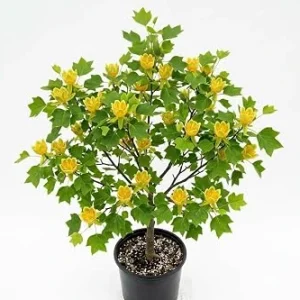
Tulip Poplar Tree Live Plant – 8-12 inch Tall, Yellow Blooming Deciduous Tree in Quart Pot, Outdoor
Sold 96 products
Original price was: $46.98.$23.49Current price is: $23.49.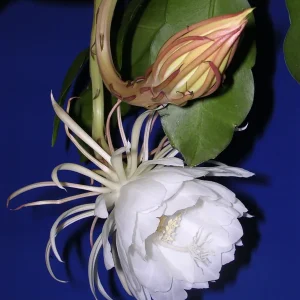


Succulents
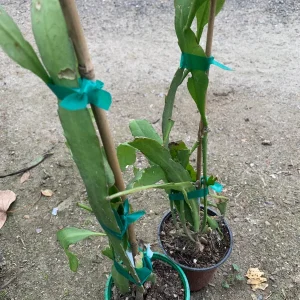
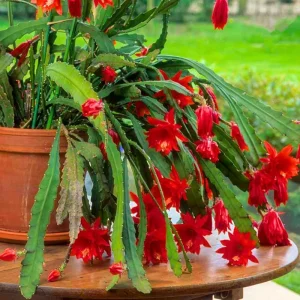
5 Magenta Thanksgiving Cactus Cuttings Schlumbergera Zygocactus Ready to Plant Indoor/Outdoor
Sold 94 products
$37.48


HousePlants
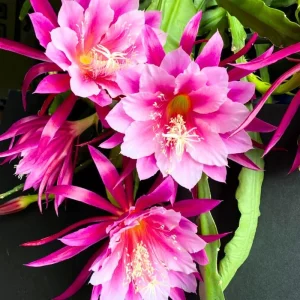
Night Blooming Cereus Live Plant – Queen of the Night Cactus, 4 Inch Pot, Indoor/Outdoor
Sold 64 products
Original price was: $36.99.$21.99Current price is: $21.99.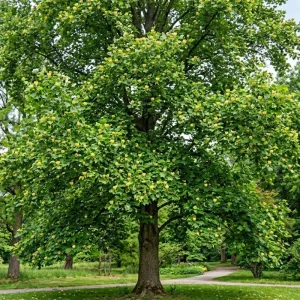






Reviews
There are no reviews yet.