
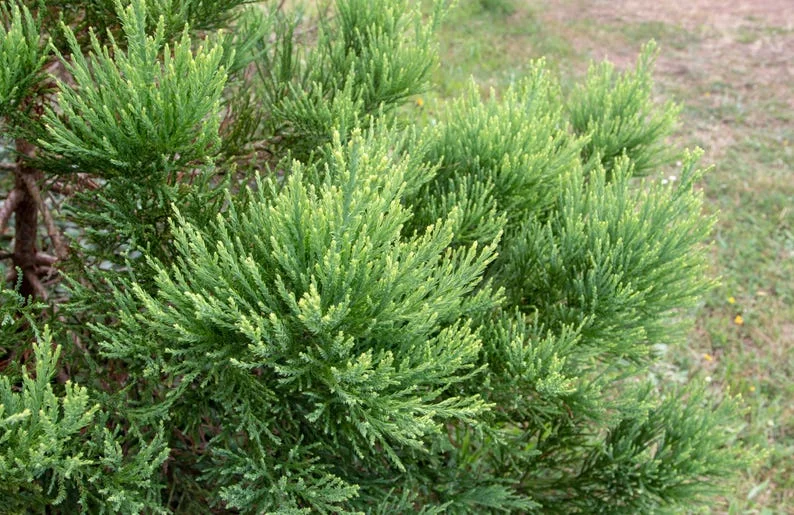
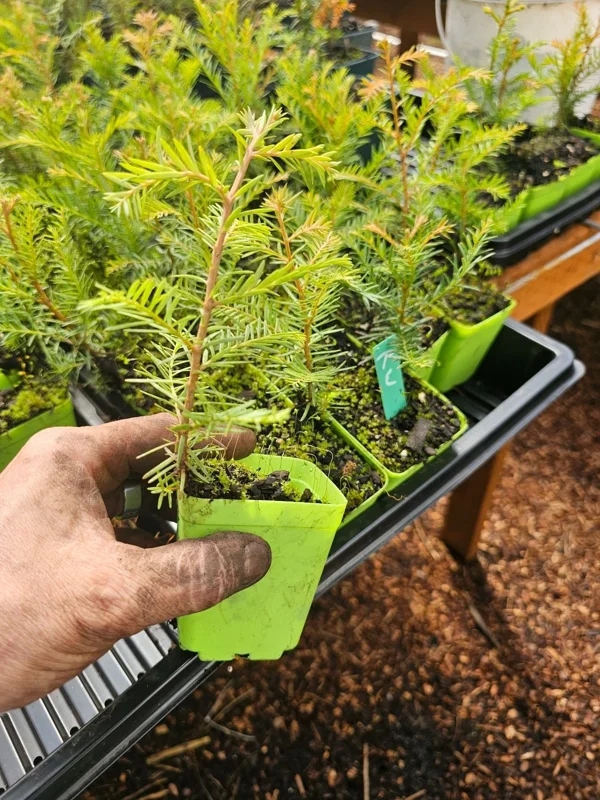
Redwood Conifer Live Plant – 3 inch Pot – Outdoor Tree
Original price was: $24.50.$15.40Current price is: $15.40.
Cultivate a towering natural wonder with this Redwood conifer live plant. Arriving in a 3-inch pot, this young tree is ready for planting and promises to become a majestic addition to your landscape, offering significant ecological benefits and an impressive presence.
-
USDA Hardiness Zone
USDA zones 7-9 -
Soil Type
Rich, well-draining, slightly acidic soil -
Sunlight Exposure
Full sun to partial shade -
Expected Planting Period
Spring or early fall

You can track your order HERE
Sep 25
Sep 30 - Oct 02
Oct 05 - Oct 09
Shipping and return policies: Our Alive & Thrive Guarantee covers issues with your plants within the first 30 days. Reach out to us. Our team will answer your questions and help you find the plants that are truly suitable for your environment, climate, and personal preferences.

Overview
Embark on a journey to cultivate one of nature’s most iconic and majestic trees with our Redwood conifer live plant. This young specimen, carefully grown and delivered in a 3-inch pot, offers the unique opportunity to establish a magnificent Giant Redwood tree in your own outdoor space. Known scientifically as Sequoia sempervirens, the Coast Redwood is renowned for its incredible height, longevity, and stately appearance, making it a truly awe-inspiring addition to any large garden or property. This Redwood conifer live plant is a symbol of endurance and natural grandeur, providing not only visual appeal but also contributing significantly to local ecosystems.
The Redwood conifer live plant is a fast-growing, evergreen tree native to the coastal regions of California and Oregon. Its distinctive reddish-brown bark, soft needle-like leaves, and conical to columnar shape make it easily recognizable. While it will take many years to reach its full towering potential, starting with a young plant allows you to experience the growth and development of this incredible species firsthand. Whether you dream of creating a secluded grove or simply desire a prominent, elegant tree for your landscape, this Redwood conifer live plant is an excellent choice for those seeking a truly impactful and long-lasting botanical investment. It’s a testament to nature’s power and a rewarding project for any dedicated gardener.
Key Benefits
Bringing a Redwood conifer live plant into your landscape offers a multitude of benefits that extend beyond its impressive size and beauty. These trees are not just ornamental; they are vital components of healthy ecosystems and provide lasting value.
- Ecological Impact: As a Coast Redwood tree, this plant is a significant carbon sink, absorbing large amounts of carbon dioxide from the atmosphere and contributing to cleaner air. Planting one actively helps combat climate change.
- Stunning Aesthetic Appeal: The dramatic height, elegant conical form, and rich, textured bark of the Redwood conifer live plant create an unparalleled visual statement in any large garden or park. Its evergreen foliage provides year-round beauty.
- Long-Term Investment: Redwoods are known for their exceptional longevity, often living for hundreds or even thousands of years. Planting a Sequoia sempervirens plant is an investment that will thrive for generations, becoming a living legacy.
- Wildlife Habitat: Mature redwood trees provide essential shelter and nesting sites for various bird species and other wildlife, enriching the biodiversity of your property.
- Drought Tolerance (Once Established): While young plants need regular water, established redwood trees are remarkably resilient and can withstand periods of drought, making them a sustainable choice in many climates.
- Fast Growth Rate: Despite their eventual massive size, young redwood conifers exhibit a relatively fast growth rate, allowing you to see significant progress in your tree’s development within a few years.
- Natural Privacy Screen: When planted in rows or groups, these trees can form a dense, natural barrier, offering excellent privacy and noise reduction for your outdoor living spaces.
Plant Care & Growing Tips
Caring for your Redwood conifer live plant, especially in its early stages, is crucial for its long-term success. While mature redwoods are robust, young trees require attentive care to establish strong roots and healthy growth. The first few years are the most critical for your Giant Redwood tree to adapt to its new environment.
Sunlight Requirements: Redwood conifers thrive in full sun to partial shade. In hotter climates, a location that receives afternoon shade can be beneficial to prevent scorching of young foliage. Aim for at least 6 hours of direct sunlight per day. Ensure your Redwood conifer live plant is not overshadowed by existing structures or larger trees that will perpetually block its light.
Watering Schedule and Soil Moisture: Consistent moisture is vital, especially for young plants. Water deeply and regularly, ensuring the soil remains moist but not waterlogged. During dry spells or the first few summers after planting, weekly deep watering is recommended. Once established, the root system of a Coast Redwood tree is extensive, making it more tolerant of drier conditions, but supplemental watering during prolonged droughts will still be beneficial.
Soil Type and Drainage: Redwoods prefer deep, rich, well-draining, slightly acidic to neutral soil. Amend heavy clay soils with organic matter like compost or aged bark to improve drainage and aeration. Good drainage is paramount to prevent root rot. A layer of organic mulch around the base of the tree will help retain soil moisture, regulate soil temperature, and suppress weeds.
Temperature Range and USDA Hardiness Zone: The Sequoia sempervirens plant is generally hardy in USDA Zones 7-9. It prefers cool, moist coastal climates but can adapt to warmer inland areas if given adequate water and some protection from intense heat. It can tolerate winter temperatures down to around 0°F (-18°C) once established. Protect very young plants from severe frost.
Fertilization: For young outdoor conifer trees, a balanced, slow-release fertilizer can be applied in early spring. Follow package directions carefully to avoid over-fertilization, which can harm young roots. Established redwoods typically do not require regular fertilization if planted in rich soil, as they gather nutrients from their extensive root systems and decomposing organic matter.
Common Problems and Solutions: Young redwoods can be susceptible to fungal issues if conditions are too wet and humid. Ensure good air circulation and avoid overhead watering late in the day. Pests are generally not a major issue for redwoods, but monitor for aphids or spider mites and treat with insecticidal soap if necessary. Proper siting and care will minimize most problems for your Redwood conifer live plant.
Size & Details
This Redwood conifer live plant is supplied in a 3-inch pot, making it a perfect starter tree for your landscaping project. At this stage, the plant will typically stand between 6 to 12 inches tall, depending on recent growth. While still small, it possesses a robust root system ready for transplanting. Coast Redwoods are known for their rapid growth, especially in ideal conditions, and can add several feet of height per year once established. Expect this young Redwood conifer live plant to begin its impressive vertical journey soon after planting.
Upon arrival, your Redwood conifer live plant will be a healthy, actively growing specimen, carefully packaged to ensure safe transit. These trees can eventually reach heights of over 200 feet, with some specimens exceeding 350 feet, and can live for well over 1000 years. While it will take many decades to achieve such monumental sizes, even a 50-year-old redwood is a substantial and majestic tree. Planting this outdoor conifer tree is a long-term commitment that yields incredible rewards in natural beauty and ecological benefit.
Frequently Asked Questions
- Q: How big does this Redwood conifer live plant get? A: While this plant arrives in a 3-inch pot and is relatively small, Coast Redwoods (Sequoia sempervirens) are among the tallest trees in the world, capable of reaching over 300 feet in height and living for thousands of years. Its ultimate size will depend on growing conditions and location.
- Q: What size pot does it come in? A: This Redwood conifer live plant is shipped in a 3-inch pot, providing a healthy root system for successful transplanting into your garden or a larger container.
- Q: Is this an indoor or outdoor plant? A: The Redwood conifer live plant is an outdoor tree. While it can be kept in a pot for a short period when very young, it requires ample space and outdoor conditions to thrive and grow into its majestic form.
- Q: How much sunlight does a Giant Redwood tree need? A: Redwoods prefer full sun to partial shade. They thrive with at least 6 hours of direct sunlight daily, though some afternoon shade can be beneficial in very hot climates to protect young foliage.
- Q: Is this plant easy to care for? Is it good for beginners? A: While redwoods are resilient once established, young Redwood conifer live plants require consistent care, especially regarding watering, to get started. They are a rewarding project for gardeners willing to provide initial attention, but perhaps not the absolute easiest for a complete beginner.
- Q: What condition will the Coast Redwood tree arrive in? A: Your plant will arrive as a healthy, actively growing young tree in its 3-inch nursery pot, carefully packaged to minimize stress during transit. It will be ready for immediate planting.
- Q: Is it shipped in soil? A: Yes, the Redwood conifer live plant is shipped in its original nursery soil within the 3-inch pot to ensure its roots remain undisturbed and hydrated during delivery.
- Q: When is the best time to plant this outdoor conifer tree? A: The best time to plant a young redwood is in spring or early fall, allowing it to establish its root system before extreme summer heat or winter cold.
- Q: Will it survive winter in my zone? A: The Sequoia sempervirens plant is generally hardy in USDA Zones 7-9. If you are outside these zones, special winter protection may be needed for young plants, or it may not be suitable for your climate.
- Q: What’s the minimum temperature this Redwood conifer live plant can tolerate? A: Established redwood trees can tolerate temperatures down to approximately 0°F (-18°C). Young plants are more sensitive and should be protected from severe freezes below 10-15°F (-12 to -9°C).
Be the first to review “Redwood Conifer Live Plant – 3 inch Pot – Outdoor Tree”
People Also Viewed
Sold 73 products
Original price was: $43.96.$21.98Current price is: $21.98.



Reviews
There are no reviews yet.