
Papaya Live Plant – Tropical Fruit Tree – 5-10in Tall – 4in Pot
Original price was: $37.90.$32.96Current price is: $32.96.
Bring the tropics to your home with a vibrant papaya live plant. This fast-growing, fruit-bearing tree is ideal for warm climates, offering delicious, nutritious fruit. Perfect for backyard gardens or large containers.
-
USDA Hardiness Zone
USDA zones 9-11 (outdoors); year-round indoors in containers -
Soil Type
Well-draining, fertile loam -
Sunlight Exposure
Full sun -
Expected Planting Period
Spring to early summer

You can track your order HERE
Sep 29
Oct 04 - Oct 06
Oct 09 - Oct 13
Shipping and return policies: Our Alive & Thrive Guarantee covers issues with your plants within the first 30 days. Reach out to us. Our team will answer your questions and help you find the plants that are truly suitable for your environment, climate, and personal preferences.

Overview
Embark on a tropical gardening adventure with your very own papaya live plant. This beautiful and productive fruit tree is known for its rapid growth and ability to produce an abundance of sweet, juicy papayas. Originating from Central America, the papaya (Carica papaya) is now cultivated in tropical and subtropical regions worldwide for its highly prized fruit. Our young papaya live plant, measuring 5-10 inches tall and rooted in a 4-inch pot, is ready to be nurtured into a thriving, fruit-producing specimen. Whether you dream of harvesting fresh papayas from your backyard or growing a stunning tropical accent in a large container, this plant offers both aesthetic appeal and culinary rewards. It’s a fantastic choice for gardeners looking to expand their edible landscape with a unique and delicious fruit.
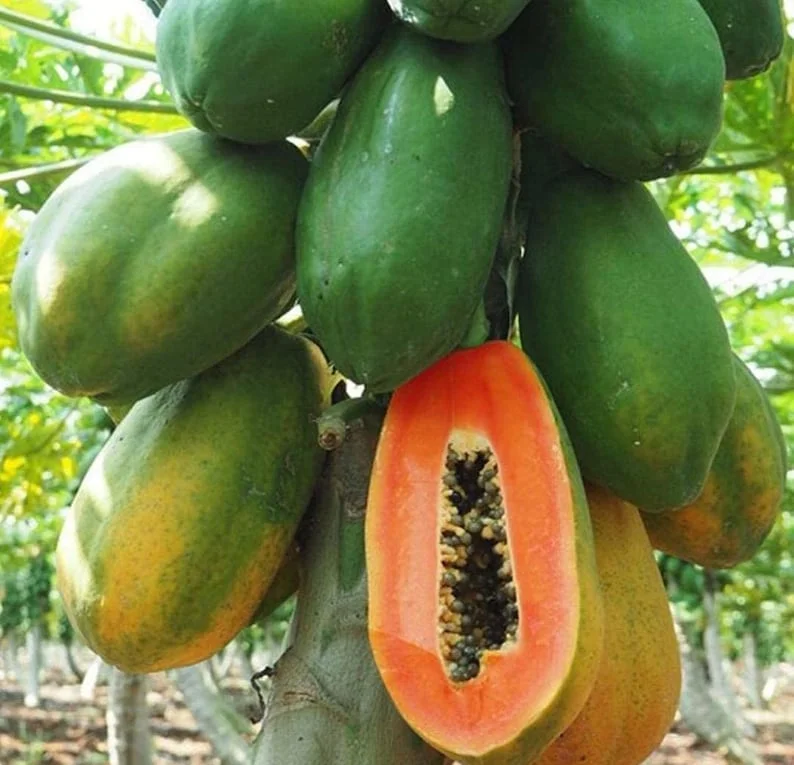
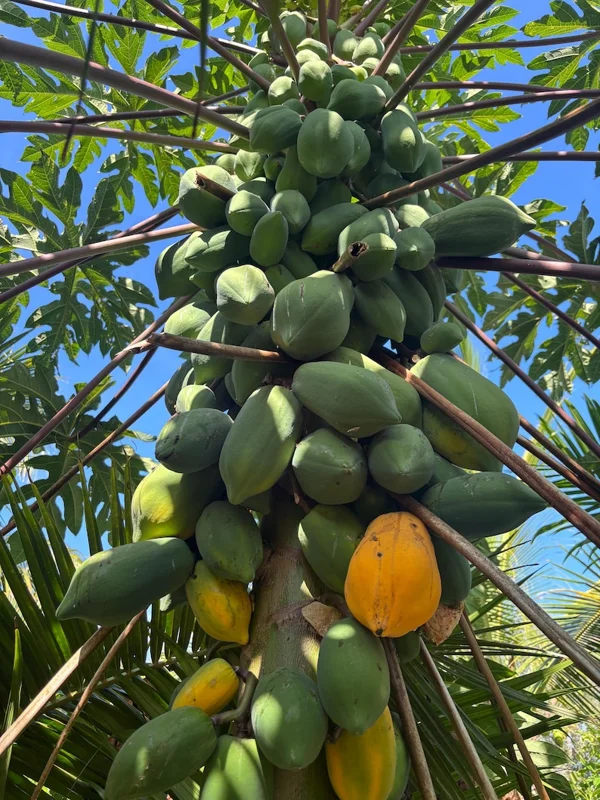
The papaya live plant quickly establishes itself, often beginning to bear fruit within a year of planting under optimal conditions. Its large, deeply lobed leaves create a lush, exotic canopy, while its fragrant, waxy flowers give way to the characteristic oval or pear-shaped fruits. These fruits are not only delicious but also packed with vitamins, minerals, and digestive enzymes. Growing your own papaya tree allows you to enjoy the freshest, most flavorful fruit, free from commercial waxes or treatments.
Key Benefits
Cultivating a papaya live plant offers a multitude of benefits, from enhancing your garden’s beauty to providing a consistent supply of healthy fruit:
- Fresh, Delicious Fruit: Enjoy the unparalleled taste of homegrown papayas, known for their sweet, buttery flesh and vibrant color. Harvesting them directly from your tree ensures maximum freshness and flavor, far superior to store-bought varieties.
- Nutritional Powerhouse: Papayas are rich in vitamins C and A, folate, and dietary fiber, as well as the enzyme papain, which aids digestion. Growing your own allows for a steady supply of this healthy fruit.
- Fast Growing & Productive: This tropical fruit tree is renowned for its rapid growth rate and prolific fruiting, often producing papayas within a year of planting, making it a rewarding addition to any garden.
- Exotic Garden Accent: With its large, palmate leaves and elegant growth habit, the papaya live plant adds a distinctive tropical flair to any landscape or patio, creating a lush, resort-like atmosphere.
- Container Friendly: While it can grow quite large in the ground, many varieties of papaya can be successfully grown in large containers, making it suitable for patios, balconies, or regions with cooler winters where it can be moved indoors.
- Attracts Pollinators: The fragrant flowers of the papaya tree can attract beneficial pollinators to your garden, contributing to a healthy ecosystem and potentially increasing yields of other plants.
- Experience the Joy of Growing Your Own: There’s immense satisfaction in nurturing a plant from a young seedling to a fruit-bearing tree, providing a tangible connection to nature and a sense of accomplishment.
Plant Care & Growing Tips
To successfully grow papaya tree and ensure a bountiful harvest, understanding its specific care requirements is crucial. Papayas thrive in warm, frost-free environments. They require full sun, meaning at least 6-8 hours of direct sunlight per day. In very hot climates, some afternoon shade can be beneficial to prevent leaf scorch. They are not tolerant of cold temperatures and will suffer damage or die if exposed to frost. For regions with mild winters, planting in a sheltered spot is key. For colder climates, growing them in large containers that can be moved indoors during winter is the best approach to protect your tropical fruit tree.
Watering is critical, especially during dry periods. Papaya plants prefer consistently moist soil but absolutely cannot tolerate waterlogging, which can lead to root rot. Allow the top inch or two of soil to dry out between waterings. Reduce watering during cooler months or if the plant is moved indoors. When it comes to soil, a well-draining, fertile loam with a pH between 6.0 and 7.0 is ideal. Incorporate plenty of organic matter like compost before planting to improve soil structure and nutrient retention. Fertilize regularly with a balanced, slow-release fertilizer or a liquid feed high in nitrogen and potassium once the plant is established and actively growing. Young plants benefit from more frequent, lighter applications.
Common problems for papaya plants include fungal diseases like powdery mildew, especially in humid conditions, and pests such as spider mites and aphids. Good air circulation and proper watering can help prevent fungal issues. For pests, organic insecticidal soaps or neem oil can be effective. Providing adequate nutrients and water helps the plant resist disease and pests. Regular pruning is generally not required, but removing dead or diseased leaves can help maintain plant health and appearance. If you are trying to grow papaya tree in a container, ensure the pot is large enough to accommodate its root system and has excellent drainage holes. Repot as needed to a larger container as the plant grows.
Size & Details
This offering is for one papaya live plant, currently measuring approximately 5 to 10 inches in height from the soil line. It is well-rooted and established in a 4-inch nursery pot, providing a strong foundation for future growth. Papaya plants are known for their fast growth rate, and with proper care, this young plant can quickly develop into a substantial tree. Depending on the variety and growing conditions, a mature papaya tree can reach heights of 10 to 20 feet, though many varieties can be kept smaller through container culture or specific pruning techniques. Fruit production typically begins within 9 to 12 months in optimal climates, with continuous fruiting thereafter. The plant will be shipped securely in its nursery pot, ready for transplanting into a larger container or directly into your garden.
Frequently Asked Questions
- Q: How big does this papaya live plant get? A: This young papaya live plant is currently 5-10 inches tall. With proper care, it can grow into a tree of 10-20 feet in height, though it can be maintained at a smaller size in a large container.
- Q: What size pot does it come in? A: The plant arrives well-rooted in a 4-inch nursery pot, ready for transplanting.
- Q: Is this an indoor or outdoor plant? A: Papayas are tropical plants best grown outdoors in USDA zones 9-11. In colder climates, they can be grown in containers and moved indoors during winter to protect them from frost.
- Q: How much sunlight does it need? A: The papaya live plant thrives in full sun, requiring at least 6-8 hours of direct sunlight daily for optimal growth and fruit production.
- Q: Is this plant easy to care for? A: Papayas are relatively easy to care for in their preferred warm, sunny climates, requiring consistent watering, good drainage, and regular fertilization. They are a great choice for those looking to grow papaya tree.
- Q: What condition will it arrive in? A: Your papaya plant will arrive carefully packaged, healthy, and well-rooted in its nursery pot, ready for planting.
- Q: What’s the best way to ensure my papaya plant fruits? A: To encourage fruiting, ensure your papaya live plant receives full sun, consistent moisture (but not waterlogging), regular feeding, and protection from cold temperatures. Some varieties may require male and female plants for pollination.
- Q: Can I grow a dwarf papaya plant in a pot? A: Yes, many papaya varieties are suitable for container growing, especially if you choose a ‘dwarf papaya plant’ variety or plan to prune for size. Use a large pot (15-20 gallons or more) with good drainage.
- Q: When is the best time to plant a papaya tree? A: The best time to plant is in spring or early summer after all danger of frost has passed, allowing the plant ample time to establish before cooler weather.
- Q: What’s the minimum temperature a papaya plant can tolerate? A: Papaya plants are very sensitive to cold. They can tolerate temperatures down to about 35-40°F (1-4°C) for short periods, but sustained temperatures below 45°F (7°C) or any frost will cause damage or death.
Be the first to review “Papaya Live Plant – Tropical Fruit Tree – 5-10in Tall – 4in Pot”
People Also Viewed
HousePlants
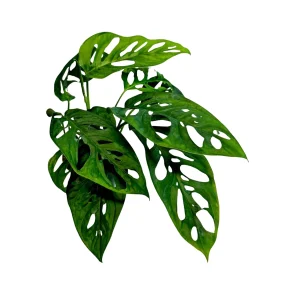
Monstera Adansonii Laniata Live Plant – Swiss Cheese Vine – 4 Inch Pot – Indoor Houseplant
Sold 80 products
Original price was: $71.92.$35.96Current price is: $35.96.
HousePlants
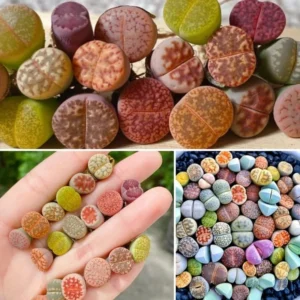
Lithops Live Plants Mix – 10 Large Colorful Living Stones Succulents for Indoor/Outdoor Growing
Sold 73 products
Original price was: $27.98.$13.99Current price is: $13.99.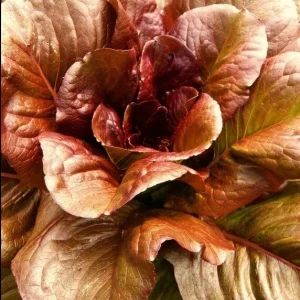
Vegetable Seeds
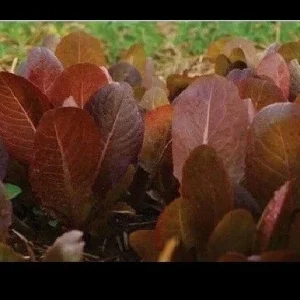
Cimmaron Red Romaine Lettuce Seeds – Bulk Heirloom Vegetable Seed Pack (500-5000 Seeds)
Sold 92 products
From $4.71
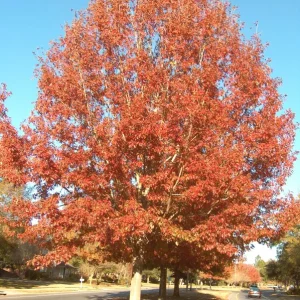
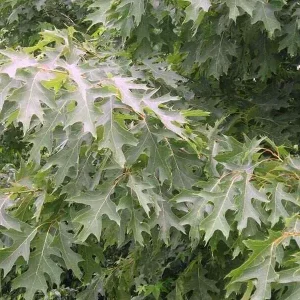
Garden & Outdoor Living - Plants
Sold 53 products
$39.98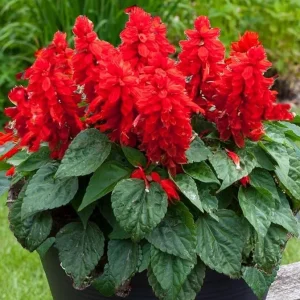
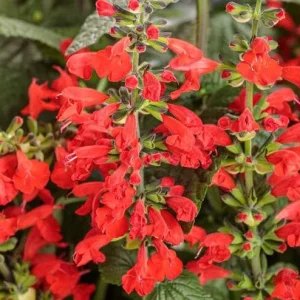

Sold 64 products
Original price was: $24.00.$19.20Current price is: $19.20.



Flower Seeds
Purple Passion Poppy Seeds – Double Bloom Tall Poppies, Non-GMO, 500 Seeds for Outdoor Gardens
Sold 82 products
Original price was: $15.92.$7.96Current price is: $7.96.






&url=https://gardennursery.net/product/cimmaron-red-romaine-lettuce-seeds-bulk-heirloom-vegetable-seed-pack-500-5000-seeds/&media=https://img.gardennursery.net/2026/09/cimmaron-red-romaine-lettuce-seeds-bulk-heirloom-v-506b00b2.webp)


Reviews
There are no reviews yet.