
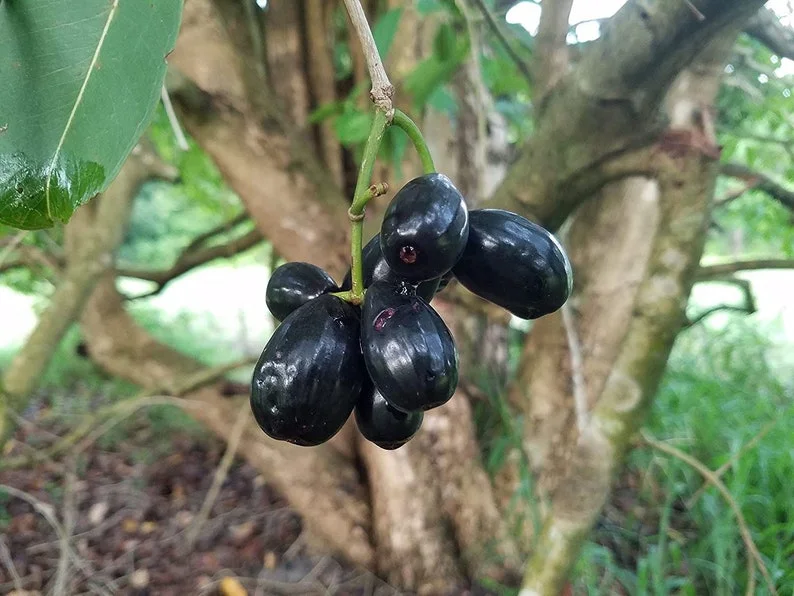
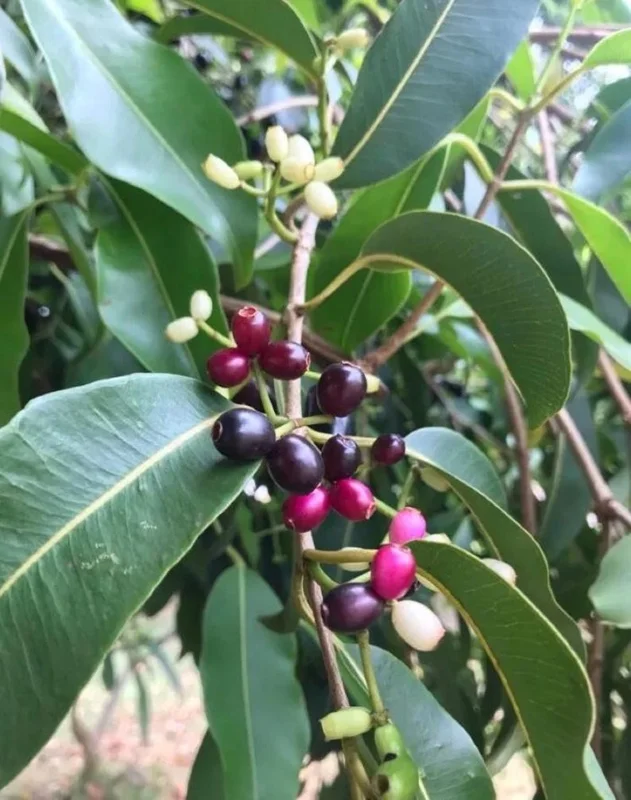
Black Jambu Plum Live Plant – 14-18 inches, 1 Gallon Pot, Fast Growing Fruit Tree
Original price was: $75.85.$65.96Current price is: $65.96.
Bring the tropics to your garden with a black jambu plum live plant. This vibrant fruit tree, measuring 14-18 inches and supplied in a 1-gallon pot, promises exotic, juicy fruits. Ideal for warmer climates or container growing, it’s a unique addition for fruit lovers.
-
USDA Hardiness Zone
USDA zones 10-11 -
Soil Type
Rich, well-draining, slightly acidic to neutral soil -
Sunlight Exposure
Full sun -
Expected Planting Period
Spring to early summer

You can track your order HERE
Sep 21
Sep 26 - Sep 28
Oct 01 - Oct 05
Shipping and return policies: Our Alive & Thrive Guarantee covers issues with your plants within the first 30 days. Reach out to us. Our team will answer your questions and help you find the plants that are truly suitable for your environment, climate, and personal preferences.

Overview
Cultivate a taste of the tropics with your very own black jambu plum live plant. Also known as Malay Apple or Syzygium malaccense, this exquisite fruit tree is celebrated for its beautiful, bell-shaped, deep red to purple fruits and attractive foliage. Originating from Southeast Asia, the black jambu plum live plant is a fantastic choice for gardeners looking to add an unusual and productive specimen to their collection. It’s not just about the fruit; the tree itself is ornamental, boasting glossy green leaves and often producing showy pink to red flowers before the fruit sets. This particular offering is a healthy, established live plant, ready to thrive in your garden or a suitable container, bringing a touch of exotic charm and delicious, juicy plums to your home.
Key Benefits
The black jambu plum live plant offers a multitude of benefits, from its aesthetic appeal to its delicious fruit production, making it a highly desirable addition to any garden or patio. Its unique characteristics are sure to impress both experienced and novice gardeners alike:
- Exotic Fruit Production: Enjoy the unique, crisp, and juicy fruits of the black jambu plum live plant. These bell-shaped plums are a delightful treat, perfect for fresh eating, juices, or desserts, offering a subtly sweet and refreshing flavor that is hard to find elsewhere.
- Ornamental Value: Beyond its fruit, the Malay Apple tree is a beautiful specimen. With its glossy green leaves, vibrant pink to red flowers, and striking fruit, it adds significant aesthetic appeal to any landscape, serving as a focal point in tropical or subtropical garden designs.
- Fast Growing: Known for its relatively rapid growth rate, you won’t have to wait long to see your black jambu plum live plant establish itself and begin producing. This vigorous growth means quicker enjoyment of its bounty and beauty.
- Versatile Growing Options: While thriving in warm climates, the jambu plum plant can also be successfully grown in containers in cooler regions, allowing you to move it indoors during colder months. This adaptability makes it accessible to a wider range of gardeners.
- Attracts Pollinators: The vibrant flowers of the syzygium malaccense are attractive to various pollinators, including bees and hummingbirds, contributing to the biodiversity of your garden and supporting local ecosystems.
- Relatively Low Maintenance: Once established, the jambu plum plant is quite resilient and requires moderate care, making it a rewarding choice for those who appreciate exotic fruits without demanding excessive attention.
- Unique Culinary Ingredient: The fruit’s crisp texture and mild sweetness make it a versatile ingredient in various culinary applications, from fresh salads and fruit platters to exotic jams and refreshing beverages, adding a unique twist to your recipes.
Plant Care & Growing Tips
Caring for your black jambu plum live plant involves understanding its tropical preferences to ensure optimal growth and fruit production. This tree thrives in warm, humid environments. For sunlight, provide full sun exposure, ideally 6-8 hours of direct sunlight per day. In extremely hot climates, some afternoon shade can be beneficial to prevent leaf scorch. When grown indoors in a container, place it near a south-facing window or use supplemental grow lights to meet its light requirements. Consistent watering is crucial, especially during dry spells and when the tree is actively fruiting. The soil should be kept consistently moist but never waterlogged, as this can lead to root rot. Allow the top inch or two of soil to dry out slightly before watering again. Good drainage is paramount for a healthy black jambu care routine.
The ideal soil for a black jambu fruit tree is rich, well-draining, and slightly acidic to neutral (pH 5.5-7.0). A good quality potting mix amended with compost or organic matter works well for container-grown plants. For in-ground planting, ensure your soil is amended to improve drainage and fertility. Fertilize your jambu plum plant regularly during the growing season (spring and summer) with a balanced, slow-release fertilizer or an organic fruit tree fertilizer. Reduce fertilization during fall and winter. Pruning should be done to maintain a desirable shape, remove dead or diseased branches, and encourage air circulation within the canopy. This also helps improve fruit production and makes harvesting easier. Protect young trees from strong winds, and if growing in a cooler climate, be prepared to bring containerized plants indoors when temperatures drop below 40°F (4°C), as the syzygium malaccense is not frost-tolerant.
Size & Details
This offering is for one healthy black jambu plum live plant, typically measuring 14-18 inches in height from the base of the pot to the top of the foliage. It comes securely planted in a 1-gallon nursery pot, providing a well-established root system for successful transplanting. The plant is in a juvenile stage, ready to be nurtured into a productive fruit tree. Black jambu fruit tree specimens can eventually reach heights of 20-40 feet in their native tropical environments, but can be kept much smaller through pruning when grown in containers or in less ideal climates. Expect a moderate to fast growth rate, with the potential to begin fruiting within 3-5 years under optimal conditions. The plant will be carefully packaged to ensure its safe arrival, ready for you to plant in its permanent location or a larger container.
Frequently Asked Questions
- Q: How big does this black jambu plum live plant get? A: This particular plant is 14-18 inches tall and comes in a 1-gallon pot. In its natural habitat, a black jambu fruit tree can grow up to 20-40 feet tall, but can be maintained at a smaller size with regular pruning, especially when grown in a container.
- Q: Is this an indoor or outdoor plant? A: The black jambu plum live plant is best suited for outdoor growing in USDA Zones 10-11. In cooler climates, it can be grown outdoors during warm months and brought indoors as a container plant when temperatures drop below 40°F (4°C).
- Q: How much sunlight does the jambu plum plant need? A: This plant thrives in full sun, requiring at least 6-8 hours of direct sunlight per day for optimal growth and fruit production. If grown indoors, place it in the brightest possible location.
- Q: Is this plant easy to care for? A: Once established, the syzygium malaccense is considered moderately easy to care for, requiring consistent watering, good drainage, and protection from cold temperatures. It’s a rewarding choice for those willing to provide its basic needs.
- Q: What condition will the black jambu plum live plant arrive in? A: Your plant will arrive healthy and carefully packaged in its 1-gallon nursery pot, with its root ball intact. We take great care to ensure it reaches you in excellent condition, ready for planting.
- Q: When is the best time to plant a black jambu plum live plant? A: The best time to plant is in spring or early summer after all danger of frost has passed, allowing the plant ample time to establish itself before cooler weather.
- Q: What is the ideal soil type for black jambu care? A: A rich, well-draining soil with a slightly acidic to neutral pH (5.5-7.0) is ideal. Amending with organic matter will greatly benefit the plant’s health and growth.
- Q: How long until my black jambu fruit tree produces fruit? A: Under optimal growing conditions, a black jambu fruit tree grown from this size plant can begin to produce fruit within 3-5 years.
- Q: Can I grow the jambu plum plant in a large pot? A: Yes, the jambu plum plant is well-suited for container growing, especially in regions outside its ideal hardiness zones. Choose a large pot with good drainage to accommodate its growth.
- Q: What are the fruits like? A: The fruits of the syzygium malaccense are bell-shaped, typically dark red to purplish-black, with a crisp texture and a sweet, refreshing, somewhat rose-like flavor.
Be the first to review “Black Jambu Plum Live Plant – 14-18 inches, 1 Gallon Pot, Fast Growing Fruit Tree”
People Also Viewed
Sold 100 products
Original price was: $43.98.$30.78Current price is: $30.78.
Sold 71 products
Original price was: $33.90.$18.90Current price is: $18.90.
Sold 63 products
Original price was: $40.76.$20.38Current price is: $20.38.
Sold 82 products
Original price was: $33.99.$13.99Current price is: $13.99.
Sold 83 products
From $141.99
Sold 92 products
Original price was: $119.80.$59.90Current price is: $59.90.
Sold 72 products
$13.99
Sold 81 products
Original price was: $29.98.$16.99Current price is: $16.99.
Sold 93 products
Original price was: $139.96.$69.98Current price is: $69.98.
Sold 69 products
From $28.99
Sold 65 products
Original price was: $43.98.$30.78Current price is: $30.78.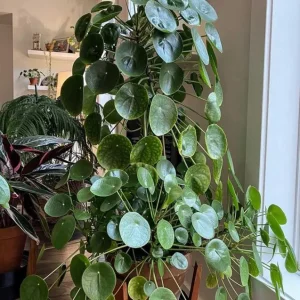
HousePlants
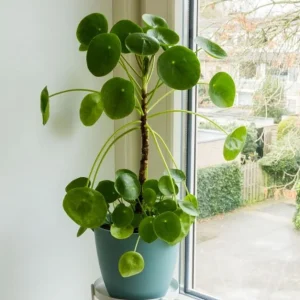
Pilea Peperomioides Live Plant – 4″ Pot Chinese Money Plant – Lucky Low Maintenance Houseplant
Sold 67 products
Original price was: $56.98.$28.49Current price is: $28.49.
Sold 73 products
Original price was: $8.52.$4.26Current price is: $4.26.
Sold 91 products
$62.59
Sold 92 products
Original price was: $65.98.$32.99Current price is: $32.99.
Sold 73 products
Original price was: $68.78.$41.26Current price is: $41.26.
Sold 51 products
From $71.96
Sold 57 products
Original price was: $30.78.$16.99Current price is: $16.99.




Reviews
There are no reviews yet.