
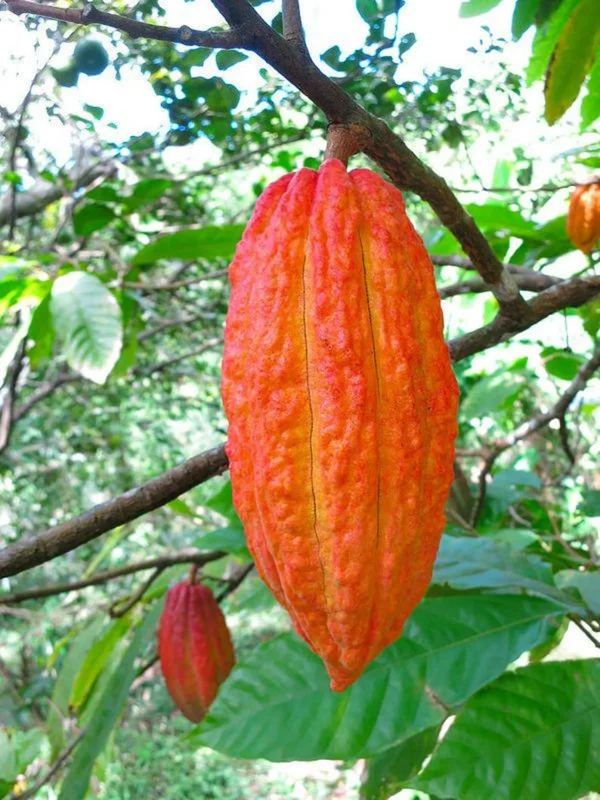
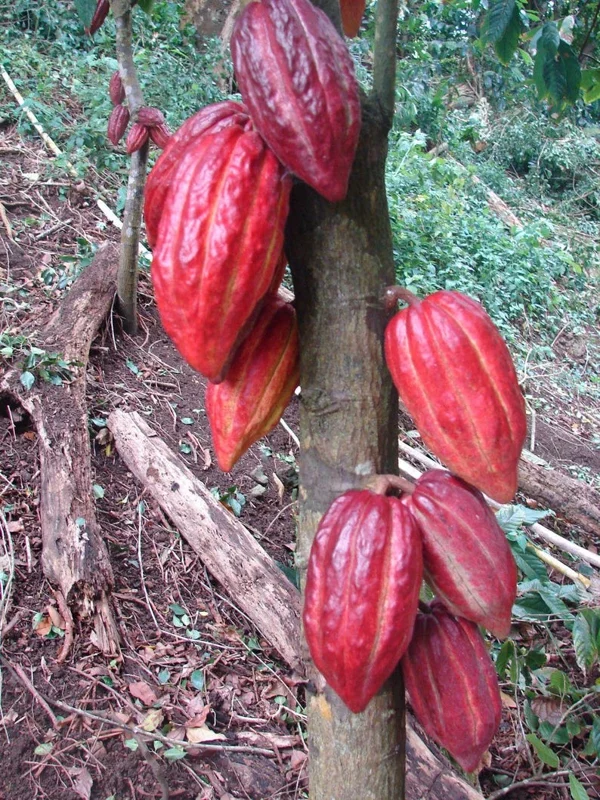
Cacao Tree Live Plant – 8-10in Tall Theobroma cacao, Half Gallon Pot
Original price was: $75.85.$65.96Current price is: $65.96.
Cultivate your very own chocolate source with this vibrant cacao tree live plant, standing 8-10 inches tall in a half-gallon pot. Ideal for gardeners in warm climates or as an exotic indoor specimen, this theobroma cacao plant brings a touch of the tropics to your home. Enjoy the journey from flower to bean with this unique and rewarding plant.
-
USDA Hardiness Zone
USDA zones 10-11 (outdoors); suitable for year-round indoors in all zones -
Soil Type
Rich, well-draining, slightly acidic to neutral potting mix -
Sunlight Exposure
Bright, indirect light -
Expected Planting Period
Year-round indoors; spring to early summer outdoors in suitable zones

You can track your order HERE
Sep 24
Sep 29 - Oct 01
Oct 04 - Oct 08
Shipping and return policies: Our Alive & Thrive Guarantee covers issues with your plants within the first 30 days. Reach out to us. Our team will answer your questions and help you find the plants that are truly suitable for your environment, climate, and personal preferences.

Overview
Embark on the fascinating journey of growing your own chocolate with this premium cacao tree live plant. Sourced from healthy stock, this young Theobroma cacao specimen arrives ready to thrive, typically standing 8-10 inches tall in a convenient half-gallon nursery pot. The cacao tree is renowned as the source of cocoa beans, the fundamental ingredient for chocolate. Originating from the tropical regions of Central and South America, this exotic plant offers not only the potential for a unique culinary experience but also adds lush, tropical beauty to any garden or indoor space. Growing a theobroma cacao plant allows you to connect directly with the origins of one of the world’s most beloved foods, making it a truly special addition for any plant enthusiast or chocolate lover.
This particular cacao tree live plant is an excellent choice for those looking to cultivate a piece of the rainforest. While primarily grown for its valuable pods, the tree itself is ornamental, featuring large, glossy green leaves and delicate flowers that bloom directly from the trunk and branches. With proper care, you can eventually harvest your own cacao pods, experiencing firsthand the transformation from fruit to flavorful beans. Whether you envision a small indoor chocolate factory or a striking tropical garden feature, this plant provides a unique and rewarding horticultural adventure.
Key Benefits
Growing a cacao tree offers a multitude of benefits, from aesthetic appeal to the exciting prospect of harvesting your own chocolate. This unique plant is more than just a decorative item; it’s an educational and potentially fruitful endeavor.
- Exotic Appeal: The cacao tree live plant boasts large, attractive leaves and a distinctive growth habit, making it a stunning focal point in any indoor setting or tropical garden. Its unique cauliflorous flowering (flowers growing directly from the trunk) is a conversation starter.
- Potential for Homegrown Chocolate: The ultimate reward of growing a theobroma cacao plant is the possibility of harvesting your own cacao pods. While it requires patience and specific conditions, the experience of processing your own chocolate from bean to bar is unparalleled.
- Air Purification: Like many large-leaved tropical plants, the cacao tree contributes to indoor air quality by absorbing carbon dioxide and releasing oxygen, helping to create a healthier living environment.
- Educational Value: Cultivating a cacao tree provides an incredible learning opportunity about tropical agriculture, plant biology, and the origins of chocolate. It’s a fantastic project for adults and children alike.
- Unique Culinary Ingredient: Beyond chocolate, fresh cacao beans and pulp can be used in various culinary applications, offering unique flavors for drinks, desserts, and savory dishes. Explore new gastronomic possibilities with your very own harvest.
- Tropical Ambiance: Even without pods, the lush foliage of the cacao tree creates a vibrant, tropical atmosphere, transforming your space into a mini-paradise, especially if you grow cacao indoors.
- Biodiversity Support: For outdoor growers in suitable climates, planting a cacao tree contributes to local biodiversity and provides habitat and food for various insects and birds.
Plant Care & Growing Tips
Caring for your cacao tree live plant requires attention to its tropical origins. These plants thrive in warm, humid environments, mimicking their natural rainforest habitat. Adequate light, consistent moisture, and protection from cold are crucial for success. When you grow cacao indoors, focus on replicating these conditions as closely as possible.
Sunlight Requirements: Cacao trees prefer bright, indirect light. In their natural habitat, they grow as understory plants, protected by the canopy of larger trees. Avoid direct, harsh sunlight, especially during the hottest parts of the day, as this can scorch the leaves. If growing indoors, place your plant near a window with eastern or northern exposure, or use a sheer curtain to diffuse intense light. Outdoors, choose a location that receives dappled sunlight or afternoon shade. Providing 4-6 hours of bright, indirect light per day is ideal for a healthy theobroma cacao plant.
Watering Schedule and Soil Moisture: Cacao trees require consistent moisture. The soil should be kept evenly moist but never waterlogged. Allow the top inch of soil to dry out slightly before watering again. Overwatering can lead to root rot, while underwatering will cause the leaves to droop and turn crispy. During warmer months or in drier indoor environments, you may need to water more frequently. Reduce watering slightly during cooler periods. Humidity is also vital; misting the leaves regularly or using a pebble tray with water can help maintain the high humidity levels that this chocolate tree plant loves.
Soil Type and Drainage: A rich, well-draining potting mix is essential. A good blend would include compost, peat moss, and perlite or sand to ensure both moisture retention and adequate drainage. The soil pH should be slightly acidic to neutral, ideally between 6.0 and 7.0. Ensure the pot has drainage holes to prevent standing water. Repotting should be done every 1-2 years, or when the plant becomes root-bound, moving up one pot size at a time.
Temperature Range and USDA Hardiness Zone: Cacao trees are extremely sensitive to cold. They thrive in temperatures between 65°F and 85°F (18°C-29°C). Temperatures below 50°F (10°C) can severely damage or kill the plant. If growing outdoors, it is generally suited for USDA Zones 10-11, where temperatures rarely drop below freezing. For those in cooler climates, growing indoors is necessary, bringing the plant inside well before the first frost. Protect the plant from drafts and sudden temperature fluctuations.
Fertilization Schedule: During the active growing season (spring and summer), feed your cacao tree every 2-4 weeks with a balanced liquid fertilizer. A fertilizer specifically formulated for tropical plants or fruiting plants can be beneficial. Reduce or stop fertilization during the dormant winter months. Always follow the product’s instructions for dilution to avoid over-fertilizing.
Common Problems and Solutions: Watch out for common pests like spider mites, mealybugs, and scale insects, especially in dry indoor conditions. Treat infestations with insecticidal soap or neem oil. Yellowing leaves can indicate overwatering, nutrient deficiency, or too much direct sunlight. Brown, crispy leaf edges often point to low humidity or underwatering. Adjust your care routine based on these signs to ensure your cacao plant care is effective.
Size & Details
This cacao tree live plant is supplied as a young, actively growing specimen, typically measuring 8-10 inches in height from the soil line to the top of the foliage. It comes planted in a half-gallon nursery pot, providing ample space for initial growth before needing to be transplanted. The plant’s growth rate is moderate, and with optimal conditions, it can grow several inches each year. In its natural habitat, a mature cacao tree can reach heights of 20-30 feet, but when grown in containers, its size can be managed through pruning, often staying within a more manageable 6-10 feet indoors. The plant is shipped in its nursery pot with soil to minimize transplant shock and ensure a smooth transition to its new home.
While the exact time to fruit varies depending on environmental conditions and care, cacao trees typically begin producing flowers and pods anywhere from 3 to 5 years after planting from seed. This particular live plant, being already established, may shorten that timeframe. Expect to see glossy, dark green leaves, which can grow quite large, adding to its tropical allure. The trunk will gradually harden and thicken over time. This chocolate tree plant is a long-term investment in unique horticulture and potential gourmet delights.
Frequently Asked Questions
- Q: How big does this plant get? A: This cacao tree live plant arrives 8-10 inches tall in a half-gallon pot. When grown in a container indoors, it can typically reach 6-10 feet with proper care and pruning. Outdoors in suitable climates, it can grow much taller, up to 20-30 feet.
- Q: Is this an indoor or outdoor plant? A: The cacao tree is a tropical plant and can be grown outdoors year-round in USDA Zones 10-11. In cooler climates, it thrives as an indoor plant, requiring warm temperatures and high humidity, making it an excellent choice for those who want to grow cacao indoors.
- Q: How much sunlight does it need? A: Your theobroma cacao plant prefers bright, indirect light. Avoid direct, harsh sunlight, which can scorch its leaves. A location near an east or north-facing window indoors, or dappled shade outdoors, is ideal.
- Q: What condition will it arrive in? A: Your cacao tree live plant will arrive carefully packaged in its half-gallon nursery pot with soil, ensuring it is well-hydrated and protected during transit. We take utmost care to ensure the plant reaches you in healthy condition.
- Q: Is this plant easy to care for? A: Cacao trees require specific care to mimic their tropical environment, including consistent warmth, high humidity, and proper watering. While not the easiest plant for beginners, with attention to its needs, successful cacao plant care is achievable and very rewarding.
- Q: How long until it produces pods? A: A chocolate tree plant typically starts flowering and producing pods between 3 to 5 years from seed. As this is an established live plant, it may begin to fruit sooner, depending on its age and growing conditions.
- Q: What kind of soil is best for this plant? A: A rich, well-draining potting mix is best for the cacao tree. A blend containing organic matter like compost and peat moss, along with perlite for drainage, will provide the ideal growing medium.
- Q: Can I use the cacao beans for making chocolate? A: Yes, with proper cultivation and processing, the beans from your cacao tree live plant can be used to make your own chocolate. It’s a multi-step process involving fermentation, drying, roasting, and grinding, offering a truly unique culinary adventure.
- Q: Is it pet-safe? A: The cacao plant contains theobromine, which is toxic to dogs and cats, similar to chocolate. It’s best to keep this plant out of reach of pets.
Be the first to review “Cacao Tree Live Plant – 8-10in Tall Theobroma cacao, Half Gallon Pot”
People Also Viewed

Trees
Sweetheart Lychee Tree Live Plant – 2-4 Ft Tall – 10-inch Pot – Air Layered – Outdoor Fruit Tree
Sold 58 products
From $215.68
Sold 97 products
From $71.96





%20–%20Outdoor%20Flowering%20Tree&url=https://gardennursery.net/product/3-mimosa-tree-bare-root-albizia-julibrissin-outdoor-flowering-tree/&media=https://img.gardennursery.net/2026/01/3-mimosa-tree-bare-root-albizia-julibrissin-outdoo-1024x768.webp)


Reviews
There are no reviews yet.