
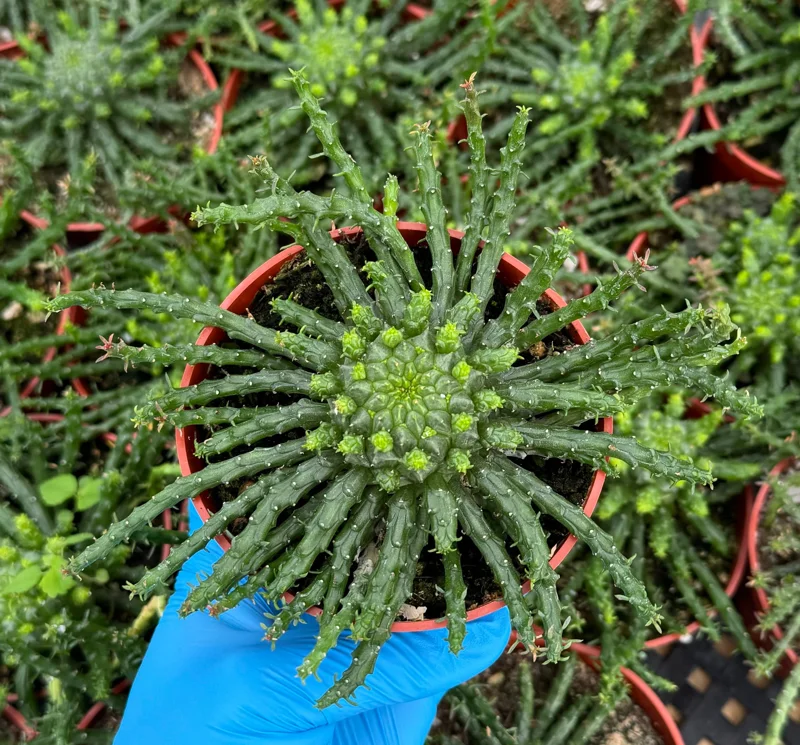
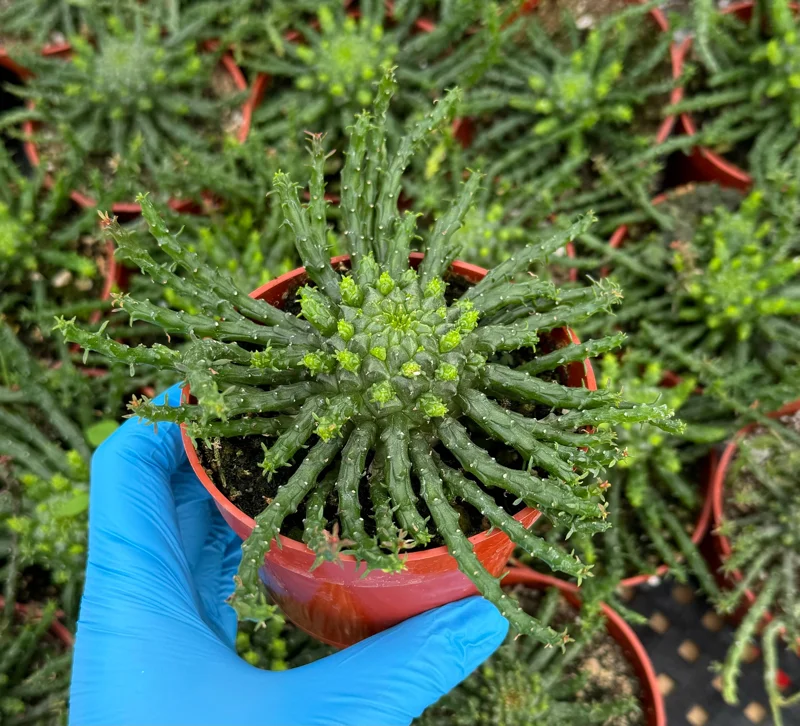
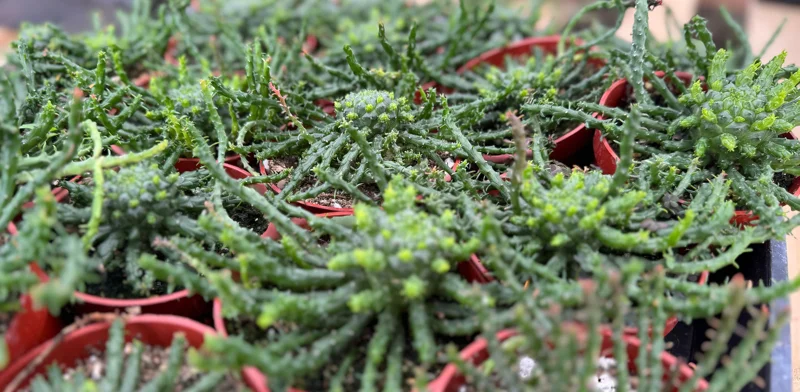
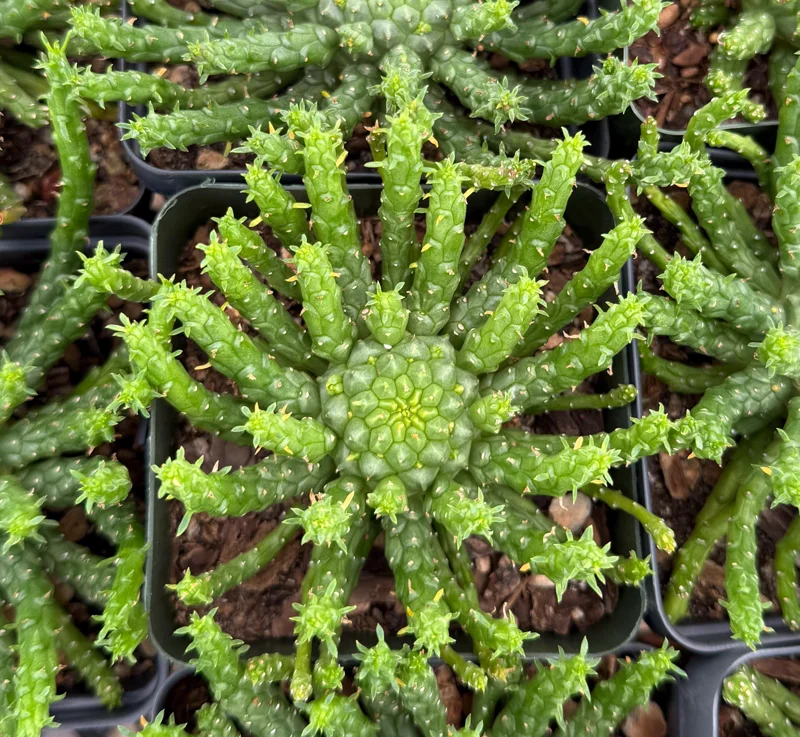
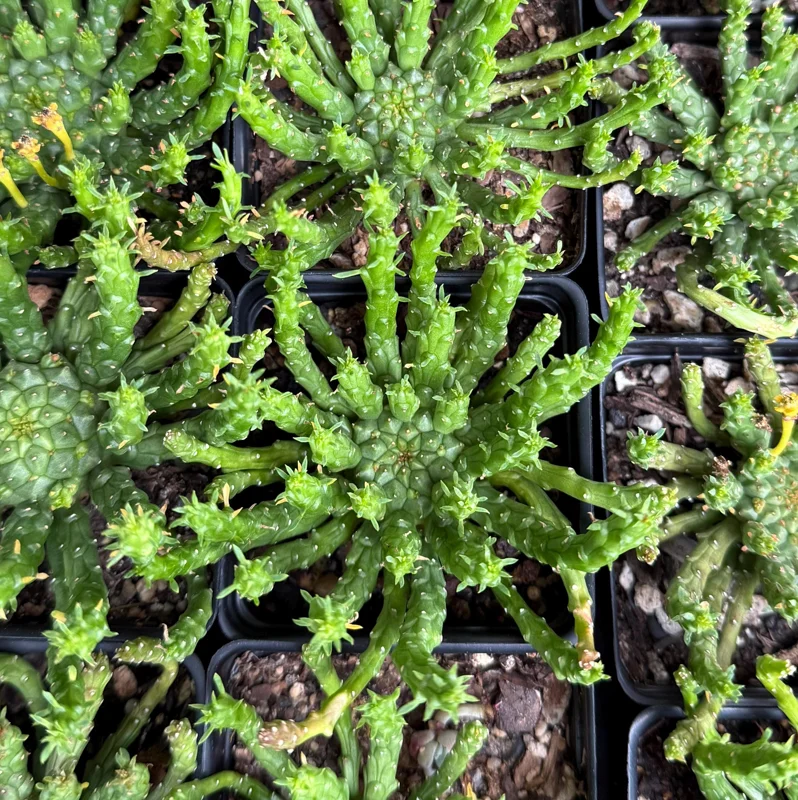
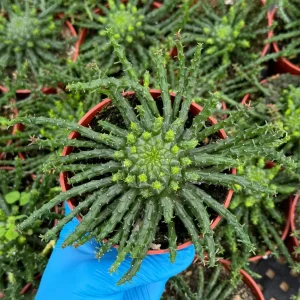
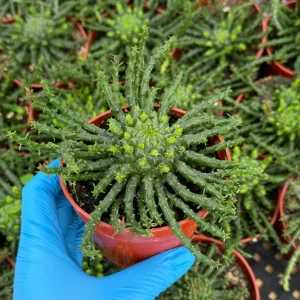
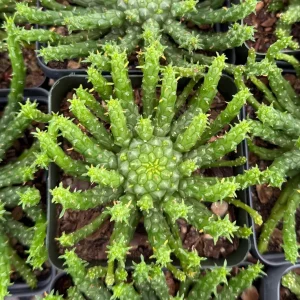
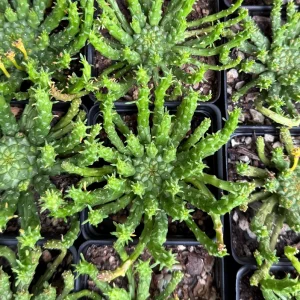
Medusa’s Head Plant – Euphorbia Flanaganii Live Succulent – 4″ or 6″ Pot
From $38.48
Bring home a unique botanical wonder with the medusa’s head plant. This captivating Euphorbia flanaganii care is surprisingly easy, making it perfect for collectors and beginners alike. Its distinctive serpent-like stems create an instant conversation piece, ideal for indoor display.
-
USDA Hardiness Zone
USDA zones 10-11 (outdoors); suitable for year-round indoor growth in all zones -
Soil Type
Well-draining cactus or succulent potting mix -
Sunlight Exposure
Bright, indirect light (4-6 hours daily) -
Expected Planting Period
Year-round indoors

You can track your order HERE
Sep 20
Sep 25 - Sep 27
Sep 30 - Oct 04
Shipping and return policies: Our Alive & Thrive Guarantee covers issues with your plants within the first 30 days. Reach out to us. Our team will answer your questions and help you find the plants that are truly suitable for your environment, climate, and personal preferences.

Overview
Introducing the captivating medusa’s head plant, botanically known as Euphorbia flanaganii. This extraordinary succulent is a true marvel, named for its striking resemblance to the mythological Medusa, with numerous fleshy, snake-like stems radiating from a central caudex. Native to the arid landscapes of South Africa, the medusa’s head plant offers a unique aesthetic that stands out in any plant collection. Its distinctive form and relatively easy care make it a popular choice for succulent enthusiasts and those looking to add an exotic touch to their indoor spaces. This live plant arrives ready to thrive, bringing its fascinating sculptural beauty directly to your home.
The Euphorbia flanaganii, also known by its common name, african milk bar succulent, is a fascinating specimen for both novice and experienced plant parents. Its robust nature and intriguing growth habit provide endless visual interest. The cylindrical stems, which can reach up to 12 inches in height, are covered in small, triangular leaves arranged in a spiral, contributing to its unique texture. While its primary appeal lies in its unusual foliage, this succulent also produces small, greenish-yellow flowers that add a subtle charm. Embrace the allure of this extraordinary botanical specimen and elevate your indoor garden with its unparalleled character.
Key Benefits
The medusa’s head plant offers a multitude of benefits, making it an excellent addition to any indoor plant collection. Its unique appearance and low-maintenance requirements contribute to its widespread appeal. This succulent is not only a decorative piece but also a resilient plant that can thrive in various indoor conditions.
- Unique Aesthetic Appeal: The most striking benefit is its extraordinary appearance, resembling a Medusa’s head with its radiating, serpent-like stems. This makes it a fantastic conversation starter and a focal point in any room.
- Low Maintenance: As a succulent, euphorbia flanaganii care is relatively straightforward, requiring infrequent watering and minimal attention, making it ideal for busy individuals or those new to plant care.
- Drought Tolerant: Its succulent nature means it stores water in its stems, allowing it to withstand periods of drought. This resilience ensures it remains vibrant even if you occasionally forget to water.
- Compact Size: The plant’s growth habit makes it suitable for small spaces, windowsills, or office desks, adding a touch of nature without occupying too much room.
- Air Purification: Like many houseplants, the medusa’s head plant contributes to improved indoor air quality by absorbing toxins and releasing oxygen, promoting a healthier living environment.
- Collector’s Item: For enthusiasts of unusual succulents, this plant is a must-have, offering a distinct form that differentiates it from more common varieties.
- Resilient & Hardy: Known for its toughness, this plant can tolerate a range of indoor conditions, demonstrating strong resistance to common plant pests and diseases.
Plant Care & Growing Tips
Caring for your medusa’s head plant (Euphorbia flanaganii) is relatively simple, making it an excellent choice for both beginners and experienced succulent growers. Understanding its basic needs will ensure your plant thrives and displays its unique beauty for years to come. One of the most crucial aspects of euphorbia flanaganii care is providing the right amount of sunlight. This succulent prefers bright, indirect light for at least 4-6 hours a day. An east or west-facing window is often ideal, providing ample light without the harsh intensity of direct midday sun, which can scorch its stems. If grown outdoors in appropriate climates, a spot with morning sun and afternoon shade is best.
Watering is another key element. Like most succulents, the medusa’s head plant is susceptible to root rot if overwatered. Allow the soil to dry out completely between waterings. When it’s time to water, do so thoroughly until water drains from the bottom of the pot. Reduce watering significantly during the cooler, dormant months. The ideal soil for this plant is a well-draining cactus or succulent mix, which prevents water from sitting around the roots. Ensure the pot has drainage holes. Regarding temperature, Euphorbia flanaganii thrives in warm conditions, ideally between 65-80°F (18-27°C). It is not frost-tolerant and should be protected from temperatures below 50°F (10°C). This makes it an excellent succulent plant indoor option for most climates. Fertilize sparingly, perhaps once or twice during the growing season (spring and summer) with a diluted, balanced liquid fertilizer formulated for succulents.
Common problems with the medusa’s head plant usually stem from overwatering, leading to soft, mushy stems. If this occurs, reduce watering and ensure proper drainage. Pests are rarely an issue, but occasional mealybugs or spider mites can be treated with insecticidal soap. Providing adequate airflow also helps prevent fungal issues. Remember, consistent and appropriate care will help your african milk bar succulent flourish.
Size & Details
The medusa’s head plant, Euphorbia flanaganii, is offered as a live plant in either a 4-inch or 6-inch nursery pot, providing flexibility for your display preferences. The stems typically emerge from a central caudex and can grow up to 12 inches (30 cm) tall, spreading outwards to create a captivating, sculptural form. The growth rate is moderate, allowing the plant to develop its distinctive shape over time. This plant is shipped in its nursery pot with well-draining soil, ensuring a smooth transition to its new home. Depending on the pot size chosen, the plant will have established roots and multiple radiating stems, ready to continue its unique growth pattern. While the plant’s primary appeal is its foliage, it produces small, inconspicuous greenish-yellow flowers, adding a subtle charm during its blooming season.
When selecting your succulent plant indoor, consider the space you have available. The 4-inch pot is perfect for smaller displays or as part of a succulent arrangement, while the 6-inch pot provides a more substantial specimen. Both sizes offer the same intriguing form and relatively easy care, making the medusa’s head plant a versatile choice for various indoor settings. Expect a healthy, established plant that is carefully packaged to ensure its safe arrival, ready to be enjoyed immediately.
Frequently Asked Questions
- Q: How big does this plant get? A: The medusa’s head plant can grow up to 12 inches (30 cm) tall, with its serpent-like stems radiating outwards. The overall spread will depend on its age and growing conditions.
- Q: What size pot does it come in? A: This euphorbia flanaganii care plant is available in either a 4-inch or 6-inch nursery pot, providing options for different display needs.
- Q: Is this an indoor or outdoor plant? A: While it can be grown outdoors in warm, frost-free climates (USDA zones 10-11), it is primarily cultivated as an excellent succulent plant indoor in most regions due to its sensitivity to cold.
- Q: How much sunlight does it need? A: The medusa’s head plant thrives in bright, indirect light for at least 4-6 hours daily. Avoid harsh, direct afternoon sun, which can cause scorching.
- Q: Is this plant easy to care for? A: Yes, it is considered a low-maintenance succulent. Key aspects of euphorbia flanaganii care include well-draining soil and allowing the soil to dry completely between waterings.
- Q: What condition will it arrive in? A: Your medusa’s head plant will arrive as a healthy, established live plant in its nursery pot, carefully packaged to minimize stress during transit.
- Q: Is it good for beginners? A: Absolutely! Its drought tolerance and minimal care requirements make it an ideal choice for beginners interested in growing unusual succulents.
- Q: How often should I water my african milk bar succulent? A: Water only when the soil is completely dry. This could be every 2-4 weeks depending on humidity, light, and temperature. Always err on the side of underwatering rather than overwatering.
- Q: What type of soil is best for this plant? A: A well-draining cactus or succulent potting mix is essential to prevent root rot. Ensure the pot has drainage holes.
- Q: Will it survive winter in my zone? A: It is not frost-tolerant. If you live in a region with cold winters, it’s best to grow your medusa’s head plant indoors or bring it inside before temperatures drop below 50°F (10°C).
| Size | 4", 6" |
|---|
Be the first to review “Medusa’s Head Plant – Euphorbia Flanaganii Live Succulent – 4″ or 6″ Pot”
People Also Viewed
HousePlants
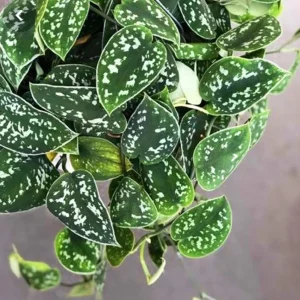
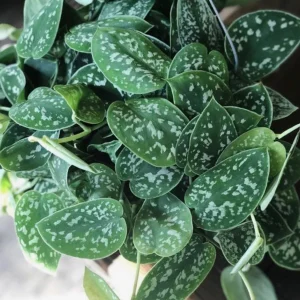
Silver Pothos Cuttings – Rare Silver Satin Scindapsus Pictus Cuttings – Easy Care Indoor Houseplant
Sold 95 products
From $12.90
Trees
5 Weeping Willow Tree Live Plant – 12-24in Tall Bare Root Salix babylonica Outdoor Screening Tree
Sold 75 products
Original price was: $96.00.$76.80Current price is: $76.80.
Sold 54 products
Original price was: $75.80.$37.90Current price is: $37.90.
Sold 72 products
Original price was: $59.98.$29.99Current price is: $29.99.
Sold 71 products
From $59.80
Sold 67 products
From $17.99

Sold 60 products
Original price was: $95.96.$47.98Current price is: $47.98.
Sold 95 products
Original price was: $62.00.$45.99Current price is: $45.99.
Sold 67 products
From $4.06
Sold 74 products
From $191.80
Sold 95 products
From $22.99
Sold 77 products
Original price was: $31.99.$11.99Current price is: $11.99.
Vegetable Seeds
Straight Eight Cucumber Seeds – 50 Seed Packet, Heirloom Vegetable for Gardens & Containers
Sold 99 products
Original price was: $31.99.$11.99Current price is: $11.99.
Sold 86 products
Original price was: $239.80.$119.90Current price is: $119.90.
Sold 55 products
Original price was: $70.00.$56.00Current price is: $56.00.
Sold 100 products
Original price was: $340.00.$170.00Current price is: $170.00.
Sold 86 products
Original price was: $35.98.$17.99Current price is: $17.99.
Sold 81 products
From $131.80





Reviews
There are no reviews yet.