
Pack of 2 Red Heliconia Rhizomes – Tropical Live Plant – 6-8 Inch Long Bare Root
Original price was: $53.78.$26.89Current price is: $26.89.
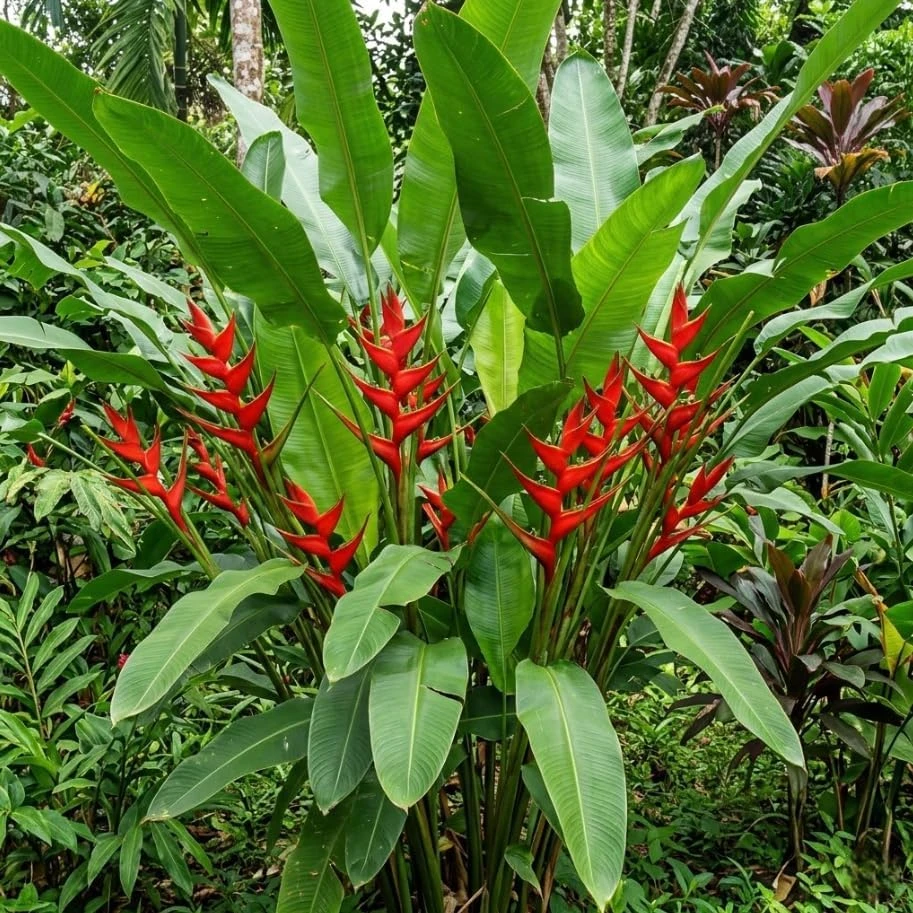
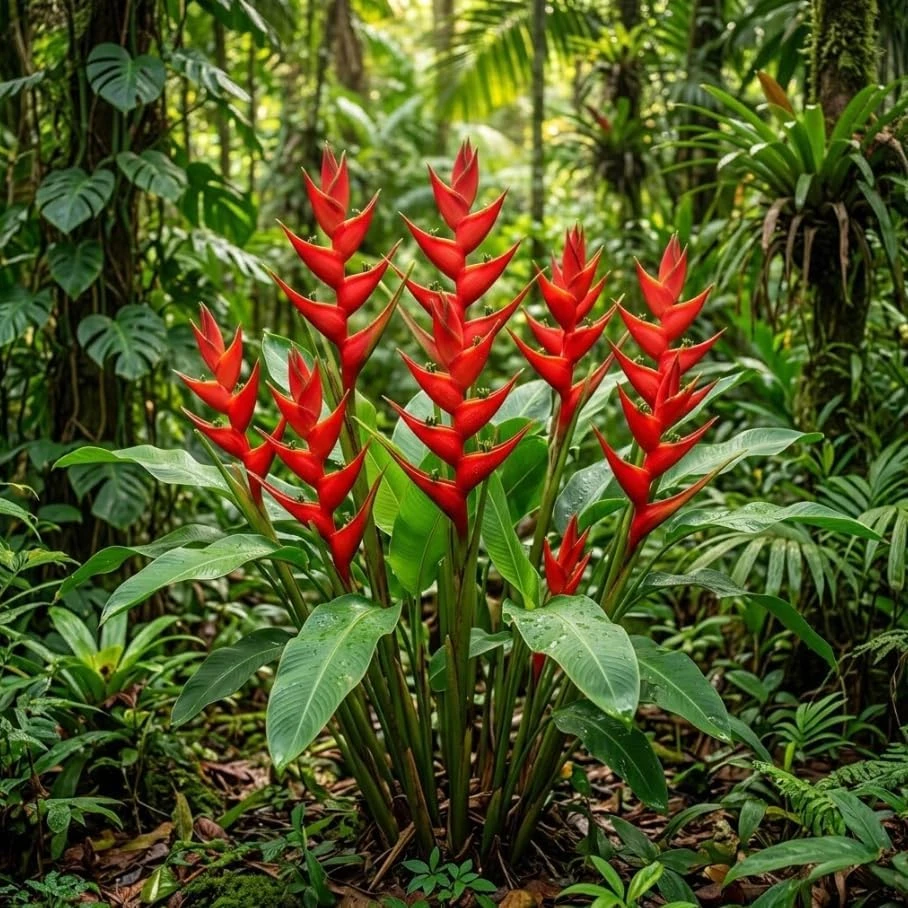
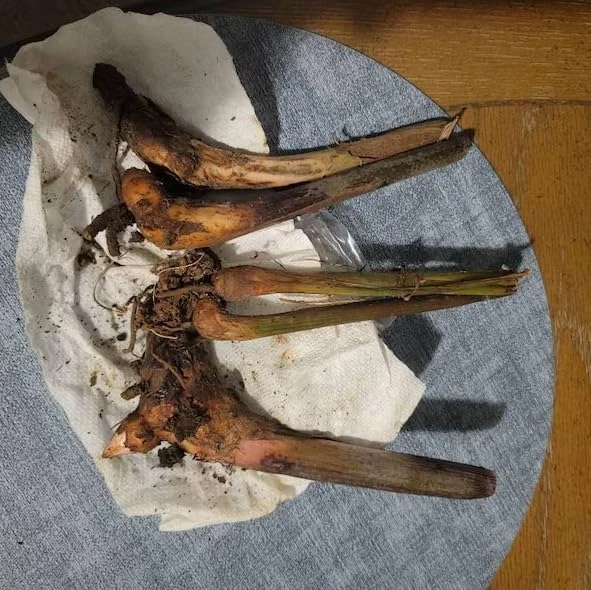
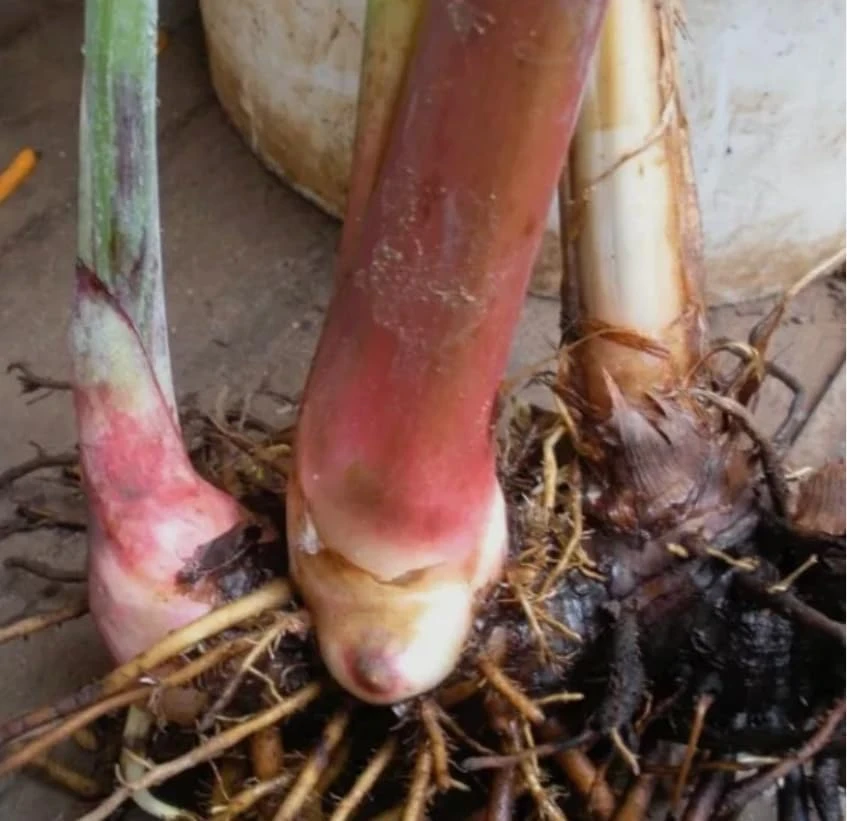
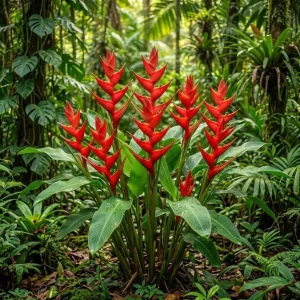
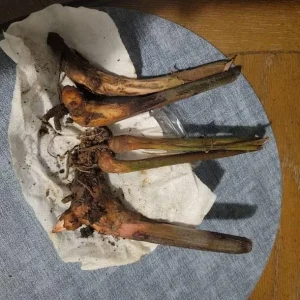
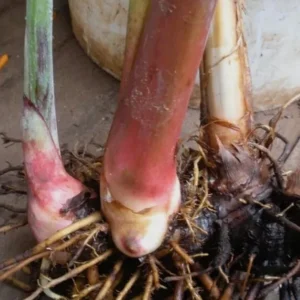
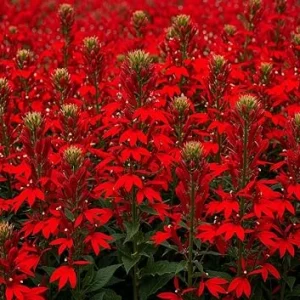
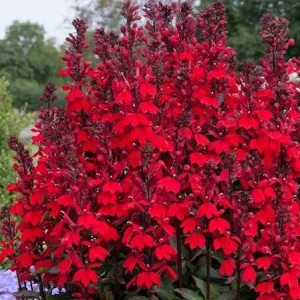
Cultivate vibrant tropical beauty with this pack of red heliconia rhizomes. You’ll receive two well-rooted, 6-8 inch bare root rhizomes, ready to plant. Known as the tropical bird of paradise plant, these heliconias are ideal for warm climates, adding exotic flair to gardens, patios, or large containers.
-
USDA Hardiness Zone
USDA zones 9-11 -
Soil Type
Fertile, well-draining soil -
Sunlight Exposure
Bright light to full sun -
Expected Planting Period
Spring to early summer

You can track your order HERE
Oct 30
Nov 04 - Nov 06
Nov 09 - Nov 13
Shipping and return policies: Our Alive & Thrive Guarantee covers issues with your plants within the first 30 days. Reach out to us. Our team will answer your questions and help you find the plants that are truly suitable for your environment, climate, and personal preferences.

Overview
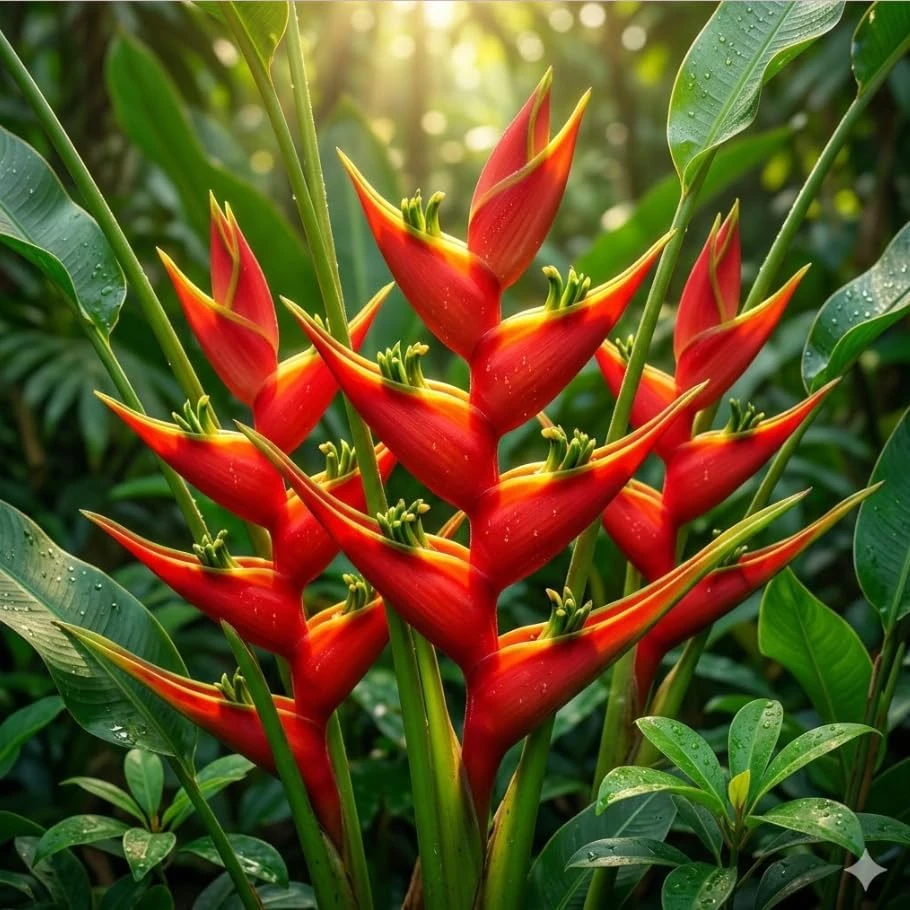
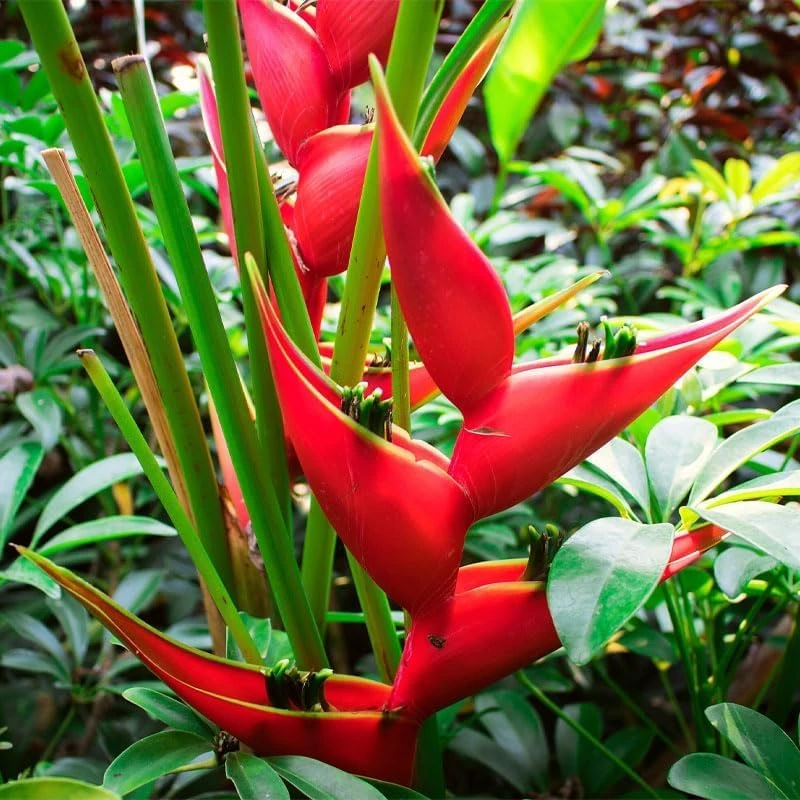
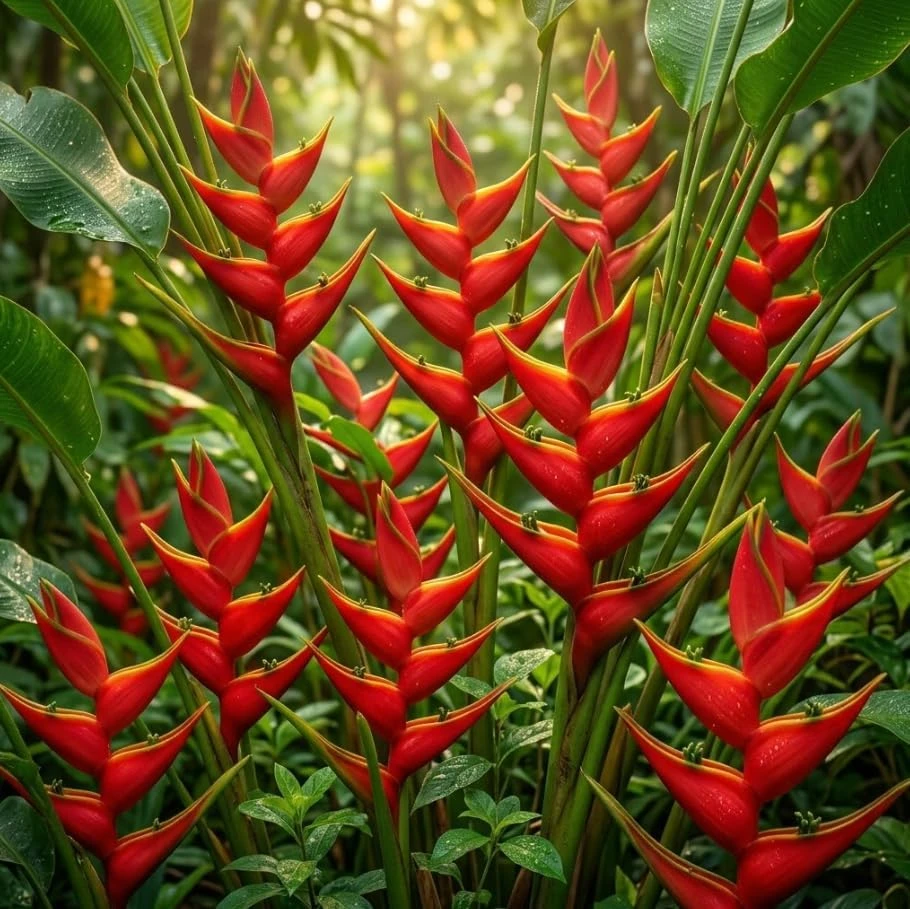
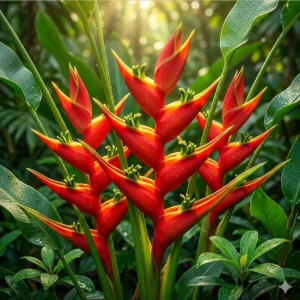
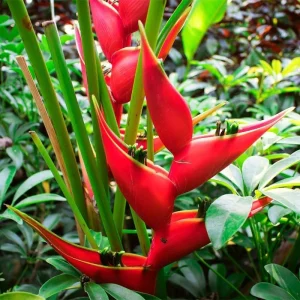
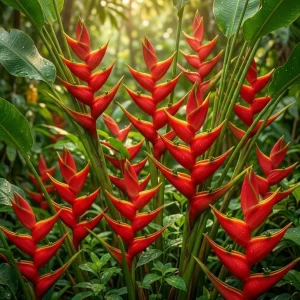
Introduce a splash of vibrant tropical color and dramatic foliage to your garden or patio with our premium red heliconia rhizomes. This offering includes two robust, well-rooted bare root rhizomes, each measuring approximately 6-8 inches long, ready to establish quickly in your landscape. Also widely recognized as the tropical bird of paradise plant (though distinct from Strelitzia), Heliconia features striking, long-lasting inflorescences that resemble exotic bird heads, making it a focal point in any setting. These magnificent plants are native to the tropical Americas and thrive in warm, humid environments, producing lush, banana-like leaves and spectacular red bracts that are sure to captivate.
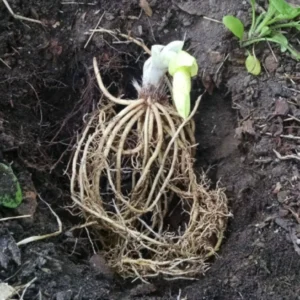
Our carefully selected red heliconia rhizomes are shipped without leaves or pots, ensuring they are in optimal condition for transplanting and rapid growth. They are an excellent choice for gardeners looking to create a lush, exotic paradise, whether in a tropical garden, on a patio, or within a greenhouse. With proper care, these rhizomes will develop into impressive clumps, offering continuous beauty and a true taste of the tropics.
Key Benefits
Growing red heliconia rhizomes offers a multitude of benefits, transforming any space into a vibrant, exotic retreat. These plants are celebrated for their dramatic appearance and relatively straightforward care in suitable climates.
- Stunning Tropical Aesthetics: The primary draw of heliconias is their breathtaking inflorescences, which boast brilliant red and orange hues. These unique, intricate structures add an unparalleled exotic beauty, making them perfect as a bold centerpiece or a striking backdrop in your garden.
- Lush Foliage: Beyond their flowers, heliconias feature large, paddle-shaped, banana-like leaves that create a dense, tropical canopy. This lush green foliage provides a beautiful contrast to the colorful blooms and adds a sense of luxuriant growth to your landscape.
- Attracts Pollinators: The vibrant flowers of the tropical bird of paradise plant are a magnet for hummingbirds and other nectar-feeding birds, bringing lively avian activity and natural charm to your outdoor spaces.
- Versatile Planting Options: While ideal for in-ground planting in warm climates, heliconias also thrive in large containers, allowing them to be enjoyed on patios, balconies, or even brought indoors during colder months in non-tropical regions.
- Fast Growing: These well-rooted rhizomes are designed for quick establishment and vigorous growth, meaning you won’t have to wait long to see significant development and the emergence of their spectacular blooms.
- Low Maintenance in Ideal Conditions: Once established in a suitable warm climate with adequate moisture and light, heliconias require minimal fuss, making them a rewarding plant for both experienced and novice gardeners.
- Excellent Cut Flowers: The long-lasting, exotic blooms of heliconia are highly prized in floral arrangements, bringing a touch of the tropics indoors and providing a unique conversation piece.
Plant Care & Growing Tips
Successful heliconia care begins with understanding their tropical origins. These plants thrive in conditions that mimic their natural habitat. For optimal growth, choose a location with bright, consistent light. While they appreciate full sun in many tropical regions, in areas with intense afternoon sun, some partial shade during the hottest part of the day can prevent leaf scorch. Aim for at least 6 hours of direct sunlight daily for robust blooming.
Watering is crucial for heliconias. They prefer consistently moist, but not waterlogged, soil. During warm growing seasons, especially in containers, you may need to water daily. Reduce watering slightly during cooler, dormant periods. Ensure excellent drainage to prevent rhizome rot. A rich, well-draining soil mix, preferably amended with organic matter, is ideal. For fertilization, use a balanced slow-release granular fertilizer or a liquid feed every 2-4 weeks during the active growing season (spring through fall). These plants are generally suited for USDA Hardiness Zones 9-11, where they can be grown outdoors year-round. In colder zones, they can be grown in containers and overwintered indoors or treated as annuals.
When it comes to growing heliconia, protecting them from cold temperatures is paramount. Frost will severely damage or kill the plant. If growing in a marginal zone, consider planting in a sheltered location or providing winter protection. Common problems are usually related to improper watering or lack of nutrients. Yellowing leaves can indicate overwatering or nutrient deficiency. Pests are generally not a major issue, but keep an eye out for spider mites or mealybugs, especially if grown indoors. Regular inspection and prompt treatment with insecticidal soap can manage any infestations. Proper heliconia care ensures a stunning display year after year.
Size & Details
This product includes a pack of 2 red heliconia rhizomes, each meticulously selected and well-rooted. The rhizomes measure approximately 6-8 inches long, providing a substantial base for rapid establishment. They are shipped as bare root specimens, meaning they arrive without leaves or a pot, which is the standard and most effective method for shipping and planting rhizomes. Upon planting, these rhizomes will quickly sprout new growth, developing into lush clumps with large, banana-like foliage.
Expect to see significant leaf development within a few weeks to months, with blooms typically appearing within the first 1-2 growing seasons under ideal conditions. The mature height of the tropical bird of paradise plant can vary significantly depending on the specific variety and growing conditions, ranging from 4 to 10 feet tall. These plants have a moderate to fast growth rate once established, quickly filling out their allocated space with vibrant greenery and exotic flowers. Ideal for creating a tropical oasis, these rhizomes offer a fantastic opportunity to cultivate a truly spectacular garden feature.
Frequently Asked Questions
- Q: How big does this plant get? A: While the rhizomes are 6-8 inches, mature Red Heliconia plants can typically grow between 4 to 10 feet tall, depending on the specific variety and growing conditions. They form large, lush clumps over time.
- Q: Is this an indoor or outdoor plant? A: Red Heliconia is primarily an outdoor tropical plant, thriving in USDA Zones 9-11. In colder climates, it can be grown in large containers and brought indoors during winter or cultivated in a greenhouse.
- Q: How much sunlight does it need? A: For best blooming and growth, the tropical bird of paradise plant requires at least 6 hours of bright, direct sunlight daily. In very hot climates, some afternoon shade can be beneficial to prevent leaf scorch.
- Q: Is this plant easy to care for? A: Once established in a warm, humid environment with well-draining soil and consistent moisture, Red Heliconia care is relatively straightforward. It’s considered easy to moderate difficulty for those in suitable climates.
- Q: What condition will it arrive in? A: Your order includes 2 well-rooted red heliconia rhizomes, shipped bare root. This means they will arrive without leaves or a pot, ready for immediate planting to ensure the best start.
- Q: How long until it blooms? A: With proper care, you can typically expect your heliconia to begin blooming within 1 to 2 growing seasons after planting the rhizomes. Good growing conditions will encourage faster blooming.
- Q: What is the best time for growing heliconia? A: The best time for planting bare root heliconia rhizomes is typically in the spring or early summer, once all danger of frost has passed and soil temperatures have warmed up. This allows them ample time to establish before cooler weather.
- Q: What kind of soil is best for Red Heliconia? A: Red Heliconia thrives in rich, fertile, well-draining soil that retains moisture. Amending your soil with compost or other organic matter is highly recommended.
- Q: Will it survive winter in my zone? A: If you are outside USDA Zones 9-11, your Red Heliconia will likely not survive winter outdoors. You’ll need to either dig up the rhizomes and store them or grow the plant in a container and move it indoors.
- Q: Is this plant pet-safe? A: While not typically listed as highly toxic, it’s always best to keep plants out of reach of pets. Consult a veterinarian or a reputable plant toxicity list for specific concerns regarding your pets.
Be the first to review “Pack of 2 Red Heliconia Rhizomes – Tropical Live Plant – 6-8 Inch Long Bare Root”
People Also Viewed
HousePlants
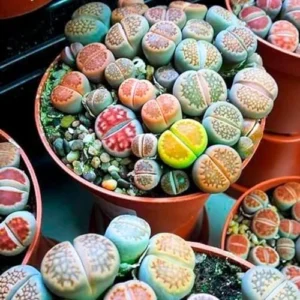
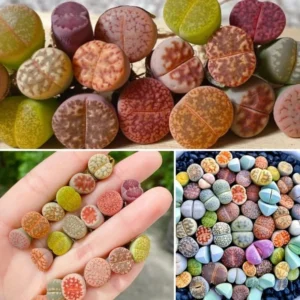
Lithops Live Plants Mix – 30 Colorful Succulents – Living Stones for Indoor/Outdoor Planting
Sold 99 products
Original price was: $65.98.$32.99Current price is: $32.99.







HousePlants
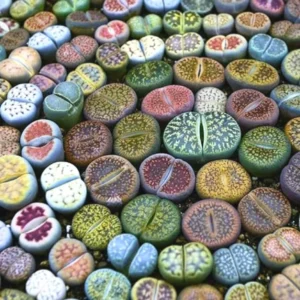
Lithops Live Plants Mix – 10 Large Colorful Living Stones Succulents for Indoor/Outdoor Growing
Sold 51 products
Original price was: $27.98.$13.99Current price is: $13.99.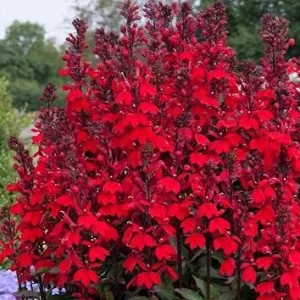




Reviews
There are no reviews yet.