
Pink Oakleaf Hydrangea Live Plant – Soft Pink Flowers, 6-12″ Tall, 4″ Pot
Original price was: $49.98.$24.99Current price is: $24.99.
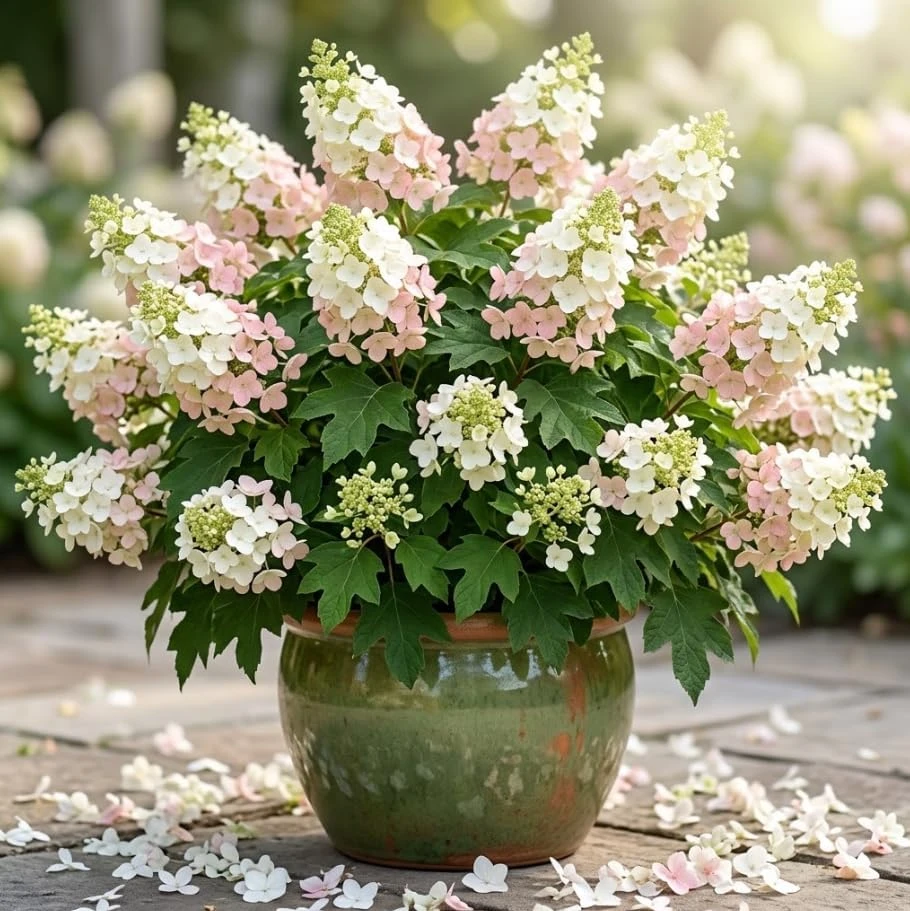
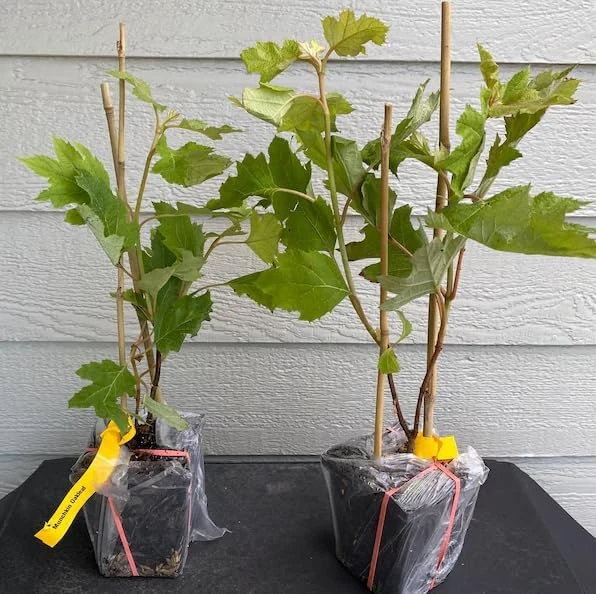
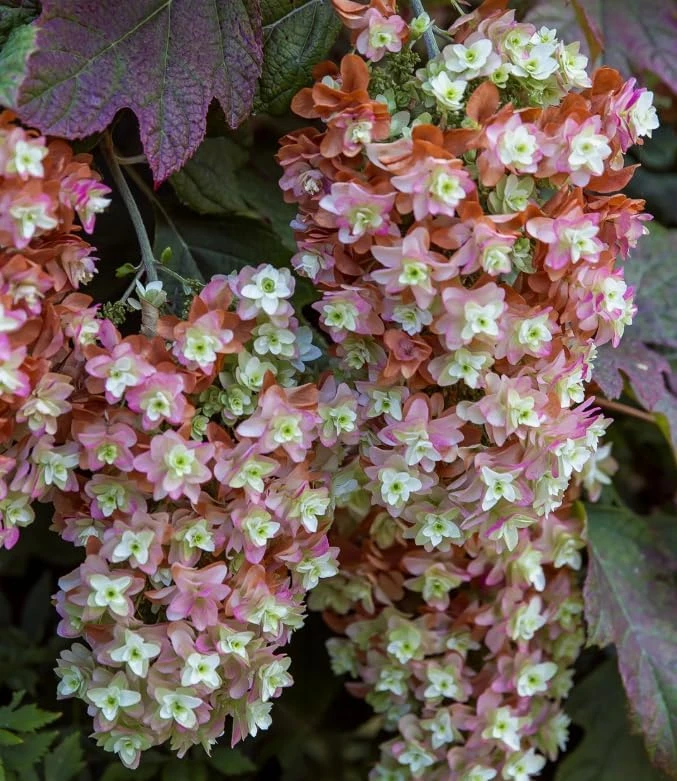
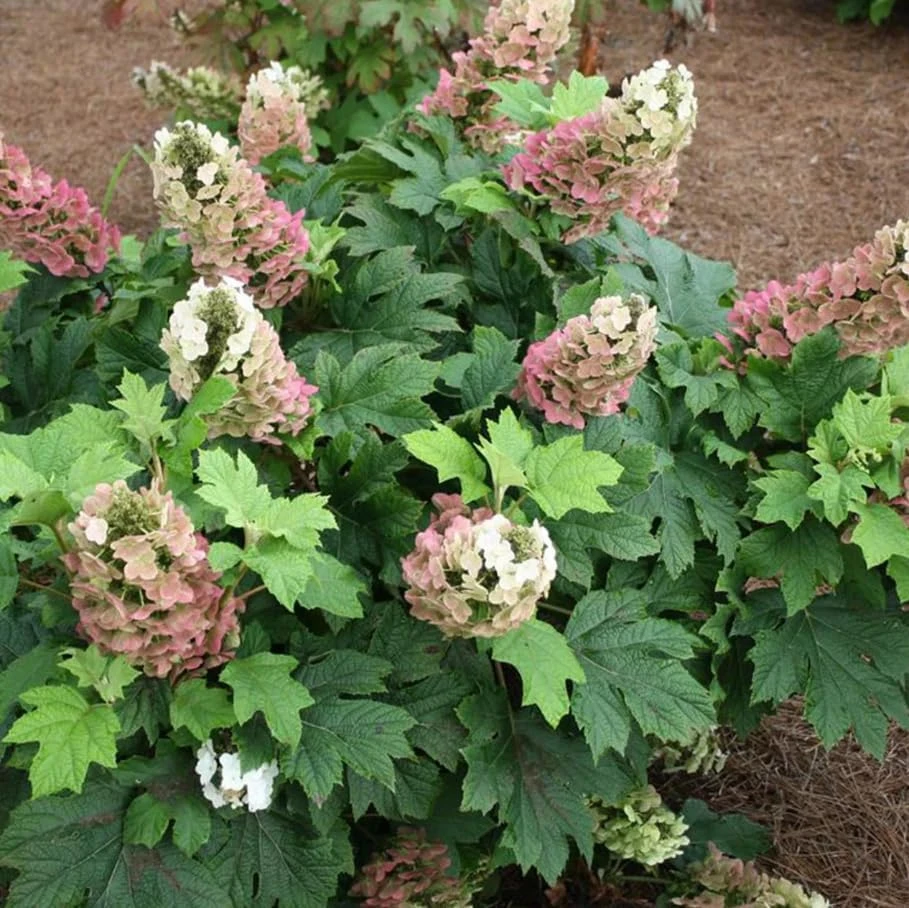
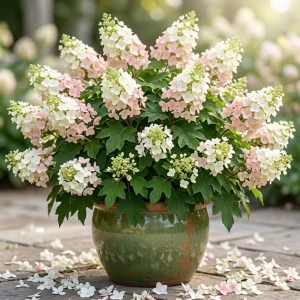
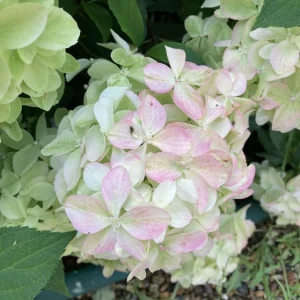
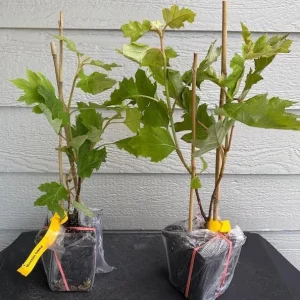
Bring elegant beauty to your garden with this pink oakleaf hydrangea live plant. Producing stunning cone-shaped flower clusters that mature to soft pink, it adds long-lasting seasonal color. Arrives 6-12 inches tall in a 4-inch nursery pot, ready to thrive in your landscape.
-
USDA Hardiness Zone
USDA Zones 5-9 -
Soil Type
Well-draining, rich in organic matter, slightly acidic to neutral soil -
Sunlight Exposure
Partial shade (morning sun, afternoon shade) -
Expected Planting Period
Spring to early summer or early fall

You can track your order HERE
Oct 30
Nov 04 - Nov 06
Nov 09 - Nov 13
Shipping and return policies: Our Alive & Thrive Guarantee covers issues with your plants within the first 30 days. Reach out to us. Our team will answer your questions and help you find the plants that are truly suitable for your environment, climate, and personal preferences.

Overview
Introduce the captivating beauty of a pink oakleaf hydrangea live plant to your outdoor space. This exquisite shrub, known botanically as Hydrangea quercifolia, is celebrated for its distinctive oak-shaped leaves and magnificent cone-shaped flower clusters. Initially opening in creamy white, these elegant blooms gradually transition to a delicate soft pink, providing a prolonged display of seasonal color that enhances any garden or landscape. Our pink oakleaf hydrangea live plant arrives healthy and ready to plant, typically measuring 6-12 inches tall in a 4-inch nursery pot, ensuring a robust start for your new addition. This variety is particularly prized for its unique foliage and reliable, show-stopping flowers, making it a favorite among gardeners seeking both texture and vibrant color.
The pink oakleaf hydrangea live plant is a fantastic choice for adding structure and visual interest to borders, foundation plantings, cottage gardens, or as a striking landscape accent. Its ability to adapt to various settings while delivering consistent beauty makes it a versatile and rewarding plant. Whether you’re an experienced gardener or just starting, this hydrangea offers a relatively low-maintenance option that delivers high impact with its beautiful blooms and attractive foliage. Experience the charm and grace of this beautiful hydrangea shrub as it transforms your outdoor living areas.
Key Benefits
The pink oakleaf hydrangea live plant offers a multitude of benefits, making it an excellent addition to almost any garden. Its unique characteristics provide both aesthetic appeal and ease of care, ensuring a rewarding gardening experience.
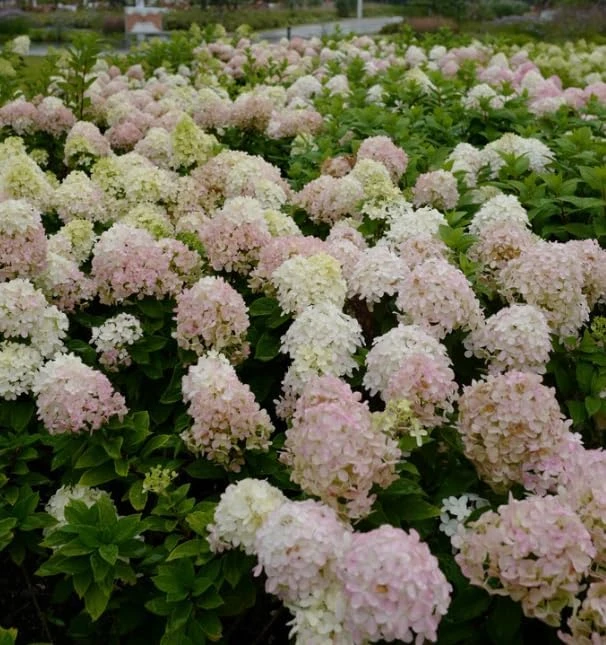
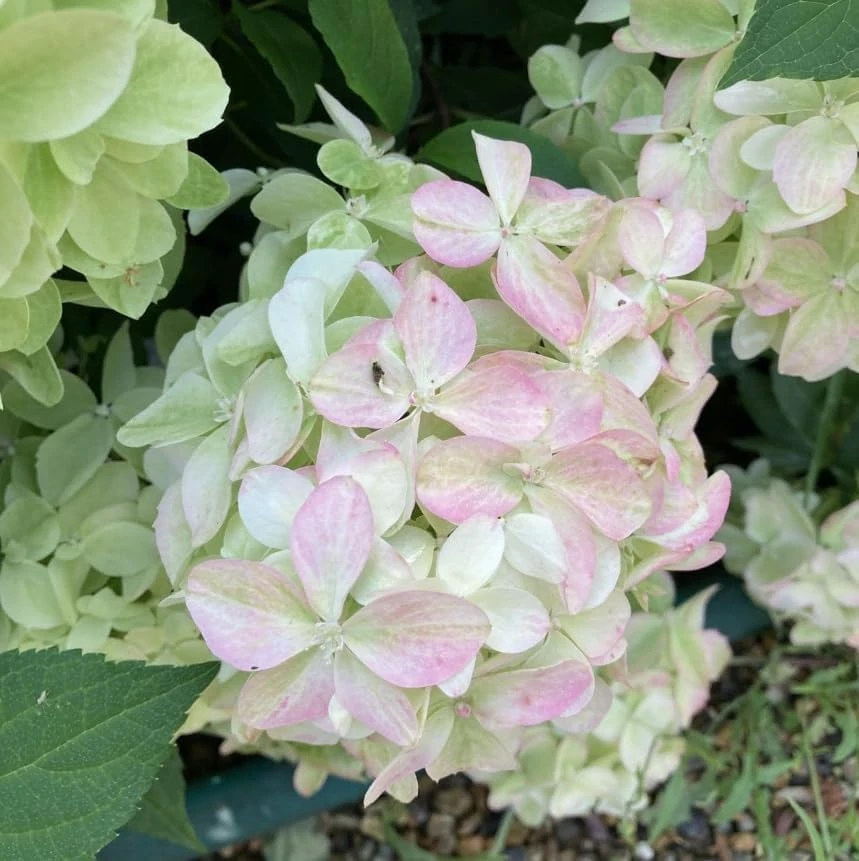
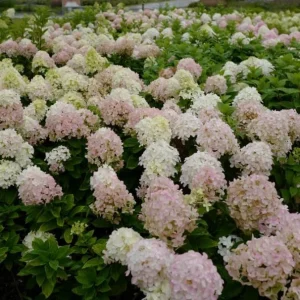
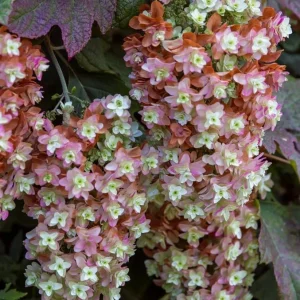
- Stunning Seasonal Color: Enjoy elegant cone-shaped flower clusters that open creamy white and gradually mature to a soft pink, providing long-lasting seasonal interest from summer into fall. This gradual color change adds dynamic beauty to your landscape.
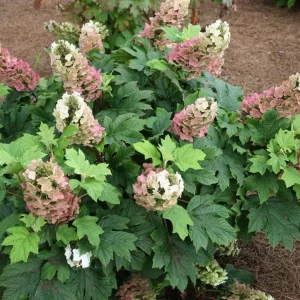
- Distinctive Foliage: The deep green, oak-shaped leaves provide textural interest throughout the growing season and often turn attractive shades of burgundy, red, or purple in the autumn, extending the plant’s visual appeal.
- Versatile Landscape Use: Perfect for a variety of garden applications, including borders, foundation plantings, woodland gardens, cottage gardens, and as a standalone specimen or part of a mixed shrub border.
- Attracts Pollinators: The abundant blooms of the pink oakleaf hydrangea live plant can attract beneficial pollinators like bees and butterflies to your garden, contributing to a healthy ecosystem.
- Relatively Low Maintenance: Once established, this hydrangea shrub is quite hardy and requires minimal care, making it an excellent choice for gardeners seeking beautiful results without excessive effort.
- Drought Tolerance: Compared to other hydrangea varieties, oakleaf hydrangeas tend to be more drought-tolerant once established, making them a resilient choice for various climates.
- Year-Round Interest: With its changing flower colors, attractive fall foliage, and exfoliating bark in winter, the oakleaf hydrangea care provides visual appeal across all four seasons.
Plant Care & Growing Tips
Caring for your pink oakleaf hydrangea live plant is straightforward and ensures a vibrant, healthy shrub for years to come. These hydrangeas thrive in conditions that mimic their natural woodland habitat. For optimal growth, choose a location with well-drained soil and dappled sunlight or partial shade. While they can tolerate full sun in cooler climates, protection from intense afternoon sun, especially in warmer regions, will prevent leaf scorch and maintain the richness of their foliage and blooms. Aim for 4-6 hours of morning sun with afternoon shade for the best results. The ideal soil should be rich in organic matter, slightly acidic to neutral, and consistently moist but never waterlogged. Good drainage is crucial to prevent root rot, which can be a common issue if the soil remains too wet.
Watering is essential, particularly during dry spells and in the plant’s first year. Provide deep, regular watering to encourage a strong root system. Once established, the pink oakleaf hydrangea live plant shows good drought tolerance, but supplemental watering during extended dry periods will benefit its overall health and bloom production. Fertilize in early spring with a balanced, slow-release granular fertilizer formulated for flowering shrubs. Avoid over-fertilizing, which can promote excessive foliage growth at the expense of flowers. Pruning is generally minimal; remove only dead, damaged, or crossing branches in late winter or early spring before new growth emerges. Avoid heavy pruning in late summer or fall, as this can remove the flower buds that form on old wood for the following year’s bloom. Understanding proper oakleaf hydrangea care will lead to a thriving and beautiful display.
Size & Details
This pink oakleaf hydrangea live plant is shipped as a healthy, actively growing specimen, typically ranging from 6 to 12 inches in height. It arrives securely planted in a 4-inch nursery pot, providing a robust root system ready for transplanting into your garden or a larger container. Oakleaf hydrangeas are medium to large deciduous shrubs, generally reaching a mature height and spread of 4 to 8 feet, depending on the variety and growing conditions. They exhibit a moderate growth rate, establishing well within a couple of seasons and beginning to produce their characteristic cone-shaped blooms. The initial creamy white flowers will gradually mature to a captivating soft pink hydrangea hue over the summer, offering a long season of interest.
The plant’s distinctive oak-shaped leaves are a key feature, adding texture and visual appeal even when not in bloom. In autumn, these leaves transform into striking shades of red, burgundy, and purple, providing excellent fall color. This variety is known for its hardiness and adaptability, making it a reliable choice for various landscape designs. When you receive your pink oakleaf hydrangea live plant, it will be well-packaged to ensure its safe journey, ready to be planted and begin its journey of enhancing your outdoor space with its unique charm and beautiful blooms.
Frequently Asked Questions
- Q: How big does this pink oakleaf hydrangea live plant get? A: A: This hydrangea typically grows to a mature height and spread of 4 to 8 feet. Its size can vary based on growing conditions and pruning.
- Q: Is this an indoor or outdoor plant? A: The pink oakleaf hydrangea live plant is an outdoor shrub, ideal for garden beds, borders, and landscape plantings. It is not suited for long-term indoor growth.
- Q: How much sunlight does it need? A: It thrives in partial shade, receiving 4-6 hours of morning sun and protection from intense afternoon sun. In cooler climates, it can tolerate more sun.
- Q: Is this plant easy to care for? A: Yes, once established, oakleaf hydrangea care is relatively low maintenance. It requires well-drained soil, regular watering, especially when young, and minimal pruning.
- Q: What condition will it arrive in? A: Your pink oakleaf hydrangea live plant will arrive as a healthy, actively growing plant, 6-12 inches tall, in a 4-inch nursery pot, ready for planting.
- Q: How long until it blooms? A: This hydrangea typically begins to bloom in late spring to early summer, with the flowers gradually changing from white to a beautiful soft pink hydrangea color over several weeks. Established plants will bloom more prolifically.
- Q: Will it survive winter in my zone? A: Oakleaf hydrangeas are hardy in USDA Zones 5-9. They are quite cold-tolerant and will typically survive winter in these zones, often with attractive exfoliating bark interest.
- Q: What is the best time to plant a hydrangea shrub? A: The best time to plant is in spring or early fall, allowing the plant sufficient time to establish its root system before extreme weather.
- Q: What kind of soil does it prefer? A: It prefers well-drained, fertile soil that is rich in organic matter and slightly acidic to neutral. Good drainage is crucial.
- Q: Do I need to prune my pink oakleaf hydrangea live plant? A: Pruning is generally minimal. Remove dead or damaged wood in late winter or early spring. Avoid heavy pruning in late summer or fall, as it blooms on old wood.
Be the first to review “Pink Oakleaf Hydrangea Live Plant – Soft Pink Flowers, 6-12″ Tall, 4″ Pot”
People Also Viewed
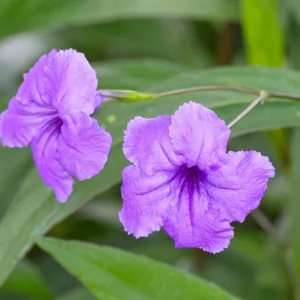



Flower Plants
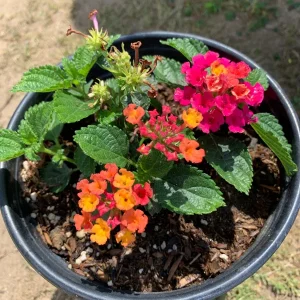
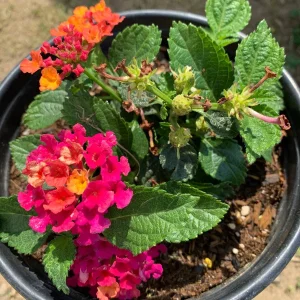
Lantana Irene Live Plant Pack – Purple & Gold Blooms – 3 Healthy 4-6 inch Starter Plants – Outdoor
Sold 83 products
$29.98

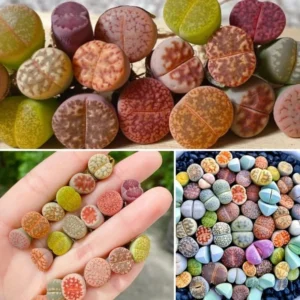
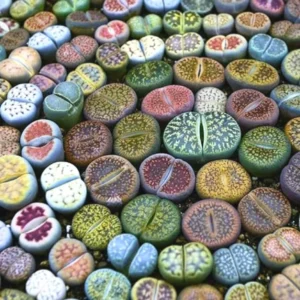
HousePlants
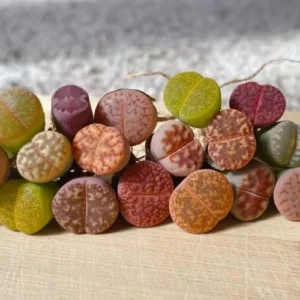
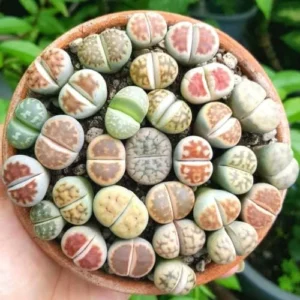
Lithops Live Plants Mix – 10 Large Colorful Living Stones Succulents for Indoor/Outdoor Growing
Sold 77 products
Original price was: $27.98.$13.99Current price is: $13.99.






Shrubs
2 Lynwood Gold Forsythia Live Plants – 4 inch container – Fast Growing Yellow Flowering Shrub
Sold 89 products
Original price was: $72.00.$36.00Current price is: $36.00.









Reviews
There are no reviews yet.