
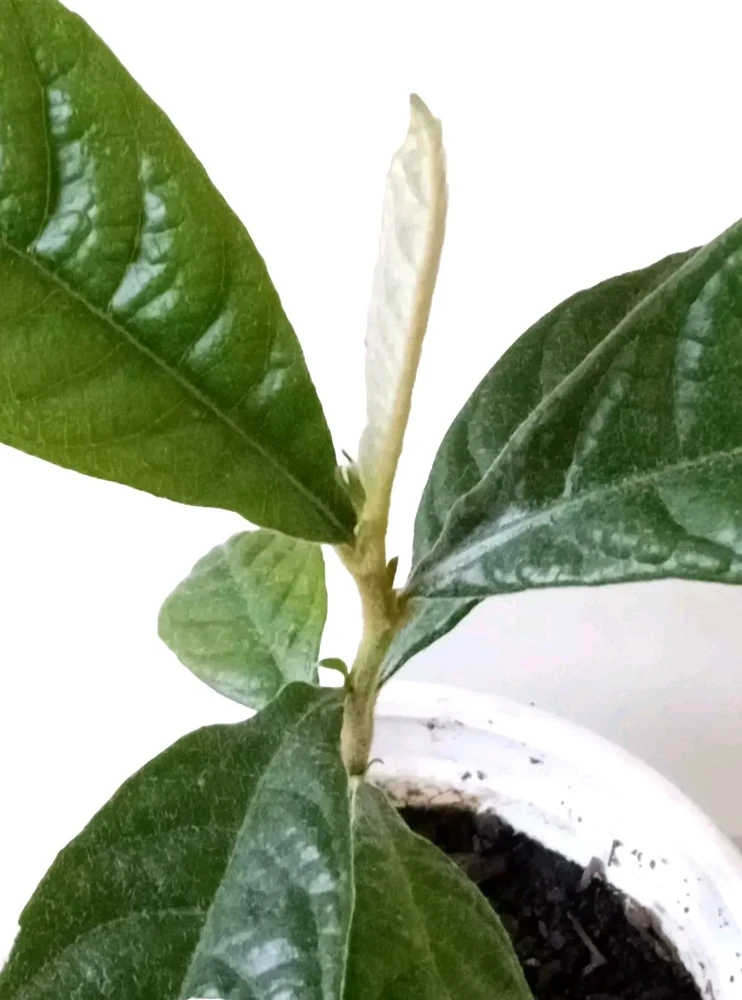
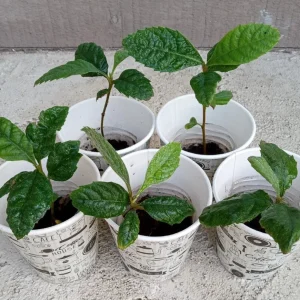
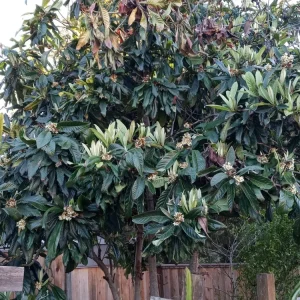
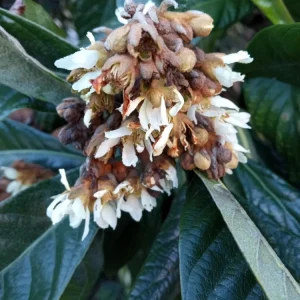
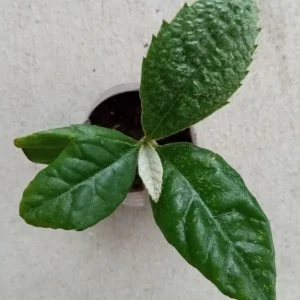
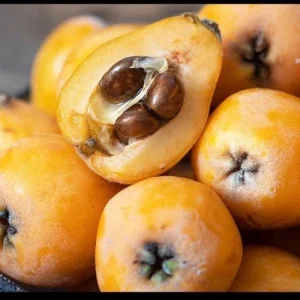
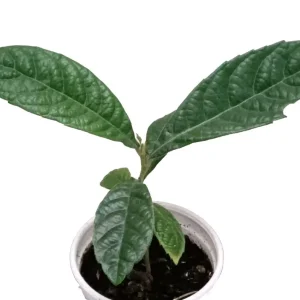
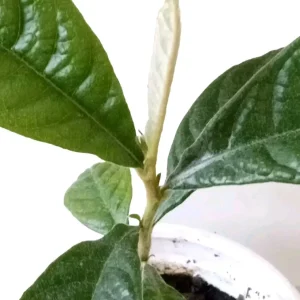
Organic Golden Loquat Live Fruit Tree Plant Plug – Evergreen, Fast Growing
$72.47
Cultivate your own sweet and tangy fruit with this organic golden loquat tree. This evergreen perennial fruit tree is a fast-growing specimen perfect for outdoor landscapes, providing beautiful foliage and delicious, edible fruit. Ideal for temperate and subtropical climates, it thrives with medium watering and enjoys full to partial sun.
-
USDA Hardiness Zone
USDA zones 8-10 -
Soil Type
Loam, Peat, Sand, Silt (well-draining) -
Sunlight Exposure
Full Sun, Partial Shade -
Expected Planting Period
Year-round (in suitable climates), Spring-Summer for transplanting

You can track your order HERE
Sep 28
Oct 03 - Oct 05
Oct 08 - Oct 12
Shipping and return policies: Our Alive & Thrive Guarantee covers issues with your plants within the first 30 days. Reach out to us. Our team will answer your questions and help you find the plants that are truly suitable for your environment, climate, and personal preferences.

Overview
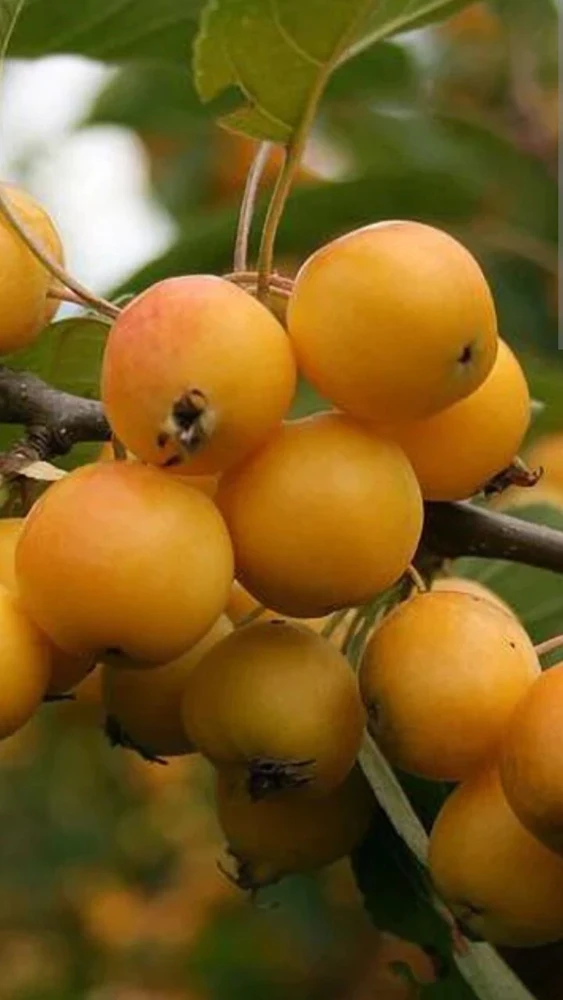
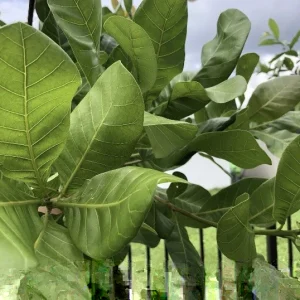
Embark on a delightful gardening journey with our premium organic golden loquat tree. This exquisite evergreen perennial fruit tree (Eriobotrya japonica), often known as Japanese Plum, promises to be a captivating addition to any outdoor garden or landscape. Originating from China, the loquat has been cultivated for centuries for its attractive foliage and succulent, golden-yellow fruits. This live plant plug/seedling is ready for transplanting, offering a head start on growing your own organic fruit. The golden loquat is celebrated not only for its delicious fruit but also for its ornamental value, featuring large, dark green leaves that provide year-round beauty. It’s a resilient and relatively low-maintenance tree that adapts well to various climates, making it a popular choice for both seasoned gardeners and enthusiastic beginners.
The organic golden loquat tree is a fantastic choice for those looking to add an edible landscape element to their property. Its vigorous growth and early fruiting habit mean you won’t have to wait long to enjoy its bounty. Whether you’re aiming for fresh fruit for snacking, jams, or desserts, or simply desire a beautiful, productive tree, this golden loquat fits the bill. Its evergreen nature ensures your garden maintains vibrancy even through cooler months, providing continuous visual interest and a potential harvest in late spring or early summer, depending on your climate.
Key Benefits
Integrating an organic golden loquat tree into your garden offers a wealth of advantages, blending aesthetic appeal with practical benefits. This versatile tree is a true garden gem.
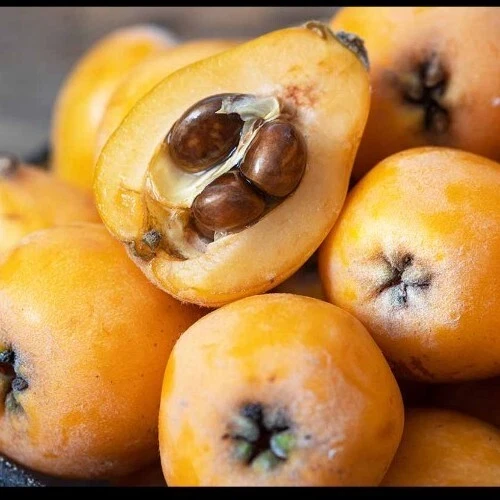
- Delicious Edible Fruit: Enjoy sweet and tangy golden loquats directly from your garden. The fruit is perfect for fresh eating, baking, jams, jellies, and even wine, offering a unique flavor profile often described as a mix of peach, citrus, and apricot.
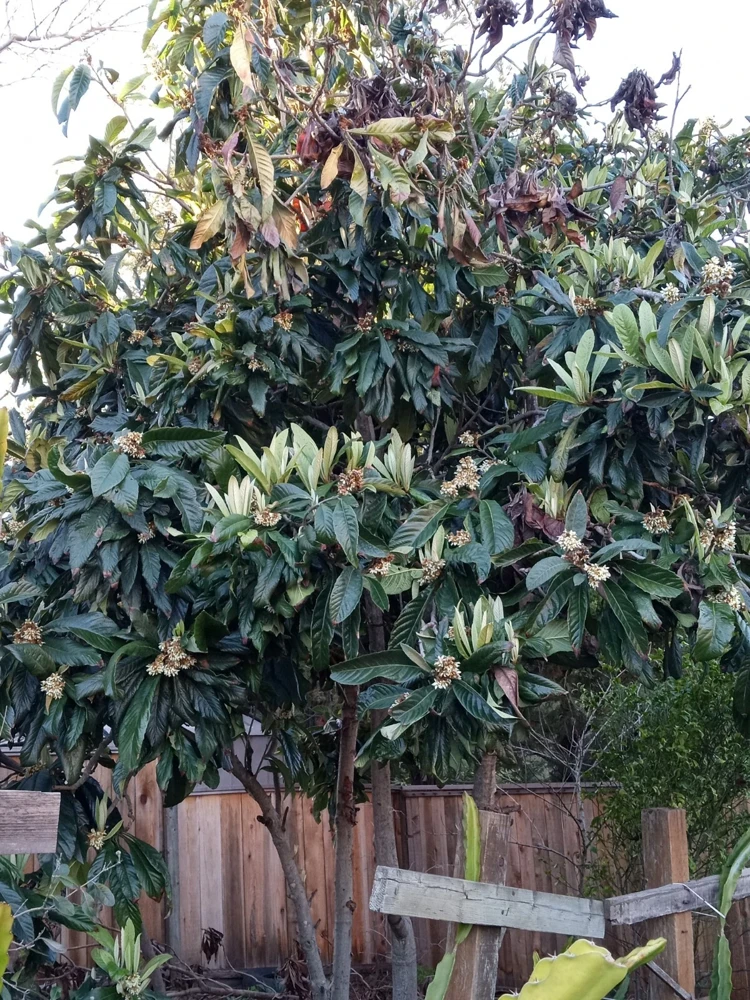
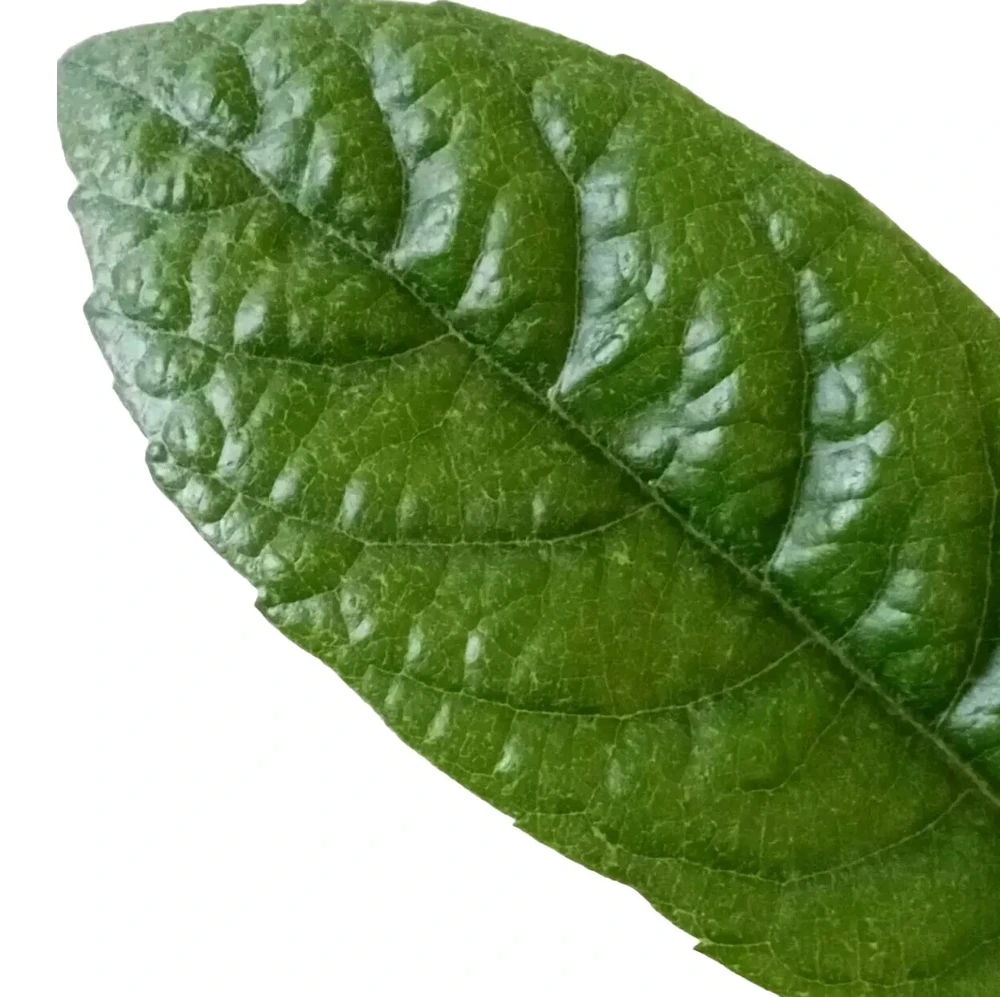
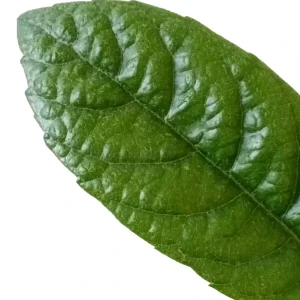
- Evergreen Foliage: The large, leathery, dark green leaves provide year-round visual interest and shade, enhancing the beauty of your landscape in all seasons. This makes it a standout evergreen fruit tree.
- Fast Growing: Loquat trees are known for their relatively fast growth rate, allowing you to establish a mature, fruit-bearing tree quicker than many other fruit varieties. This quick establishment is a significant advantage for impatient gardeners.
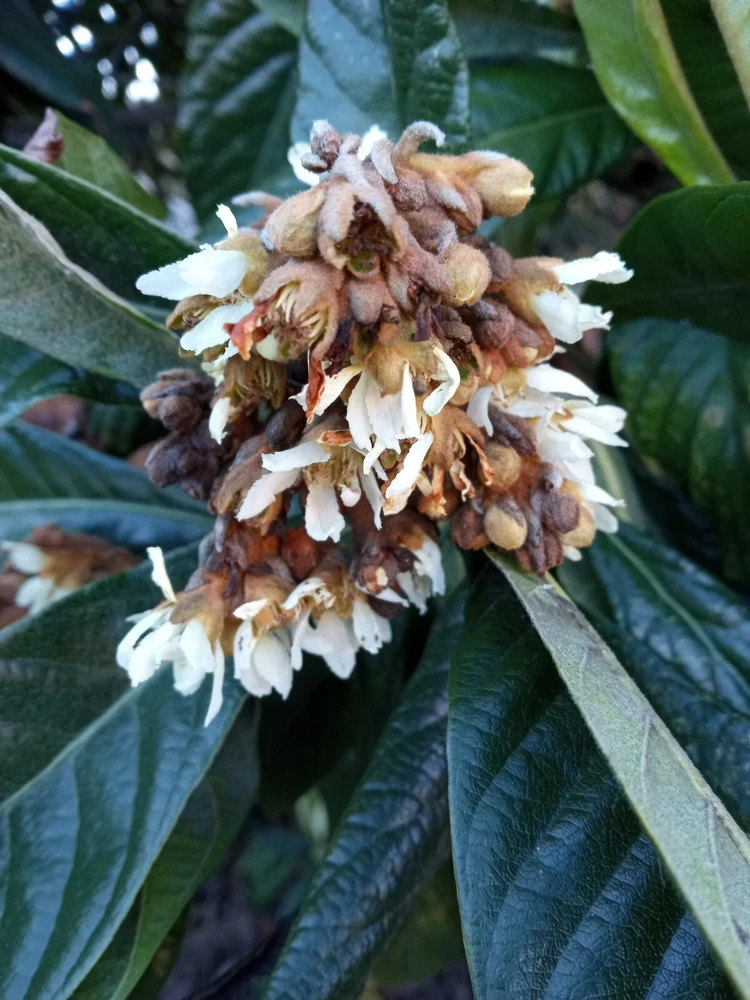
- Ornamental Value: Beyond its fruit, the loquat tree boasts an attractive, rounded canopy and fragrant white flowers in autumn or early winter, adding a unique aesthetic to your yard.
- Adaptable & Resilient: Tolerant of a range of soil types and climates, the loquat is a hardy tree that can withstand various environmental conditions, making it suitable for many regions. This contributes to easy golden loquat plant care.
- Low Maintenance: Once established, loquat trees require minimal care, making them an excellent choice for gardeners seeking productive plants without extensive upkeep.
- Health Benefits: Loquats are rich in vitamins, minerals, and antioxidants, contributing to a healthy diet and offering potential benefits for digestion and immunity. Understanding loquat benefits can further enhance your appreciation for this tree.
Plant Care & Growing Tips
Proper care ensures your organic golden loquat tree thrives and produces abundant fruit. Loquats are relatively forgiving, but understanding their preferences will lead to the best results. They are adaptable to a wide range of climates including sub-tropical, temperate, and tropical regions, thriving in USDA zones typically 8-10, though some varieties can tolerate zone 7 with protection. For optimal growth, choose a location with full sun to partial shade, ideally receiving at least 6 hours of direct sunlight per day. While they can tolerate some shade, more sun generally leads to better fruiting. Ensure the soil is well-draining, as loquats do not like wet feet. They are adaptable to various soil types including loam, peat, sand, and silt, with a preference for neutral pH. Avoid saline conditions if possible, though they show some tolerance.
Watering should be medium; maintain consistent moisture, especially during dry spells and when the fruit is developing. Allow the top inch or two of soil to dry slightly between waterings. Overwatering can lead to root rot, while underwatering can stress the tree and reduce fruit production. Fertilize your evergreen fruit tree with a balanced, slow-release fertilizer in early spring and again in mid-summer. Follow the product instructions for application rates. Pruning is best done after the fruit harvest to shape the tree, remove dead or diseased branches, and improve air circulation. While generally robust, keep an eye out for common pests like aphids or scale, and diseases like fire blight, which can be managed with organic sprays or proper cultural practices. Understanding golden loquat plant care is crucial for a healthy, productive tree.
Protect young trees from frost in colder zones by covering them or bringing them indoors if container-grown. Mature trees are more tolerant but can still benefit from some winter protection during extended freezes. The Japanese plum tree is a hardy specimen, but consistent attention to its basic needs will ensure a bountiful harvest and a beautiful landscape feature for many years.
Size & Details
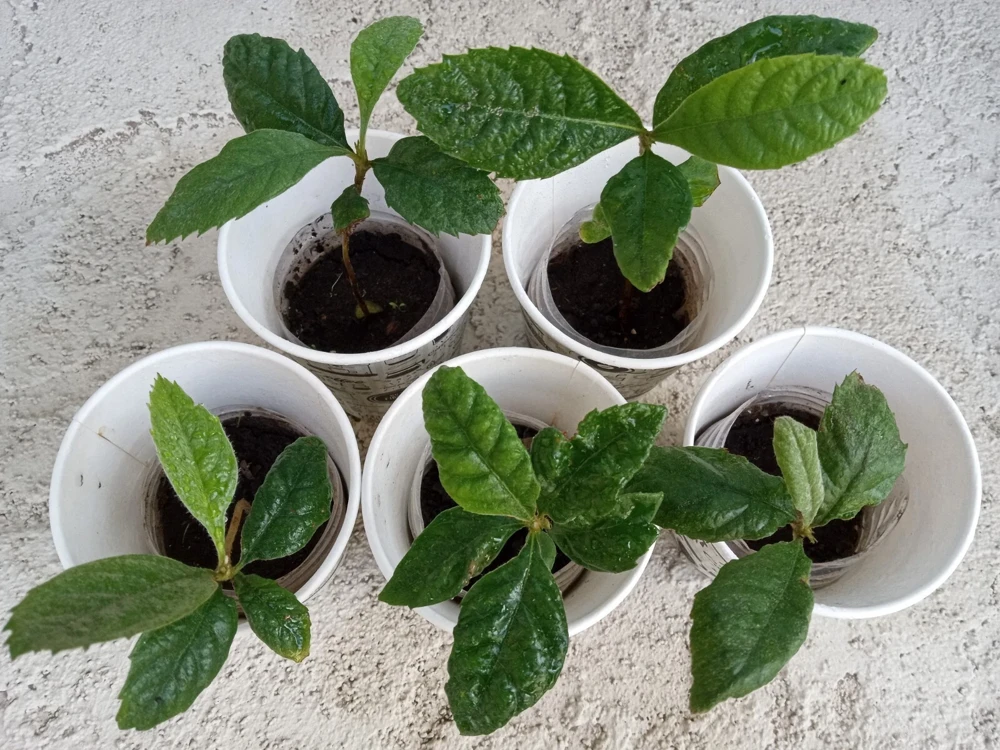
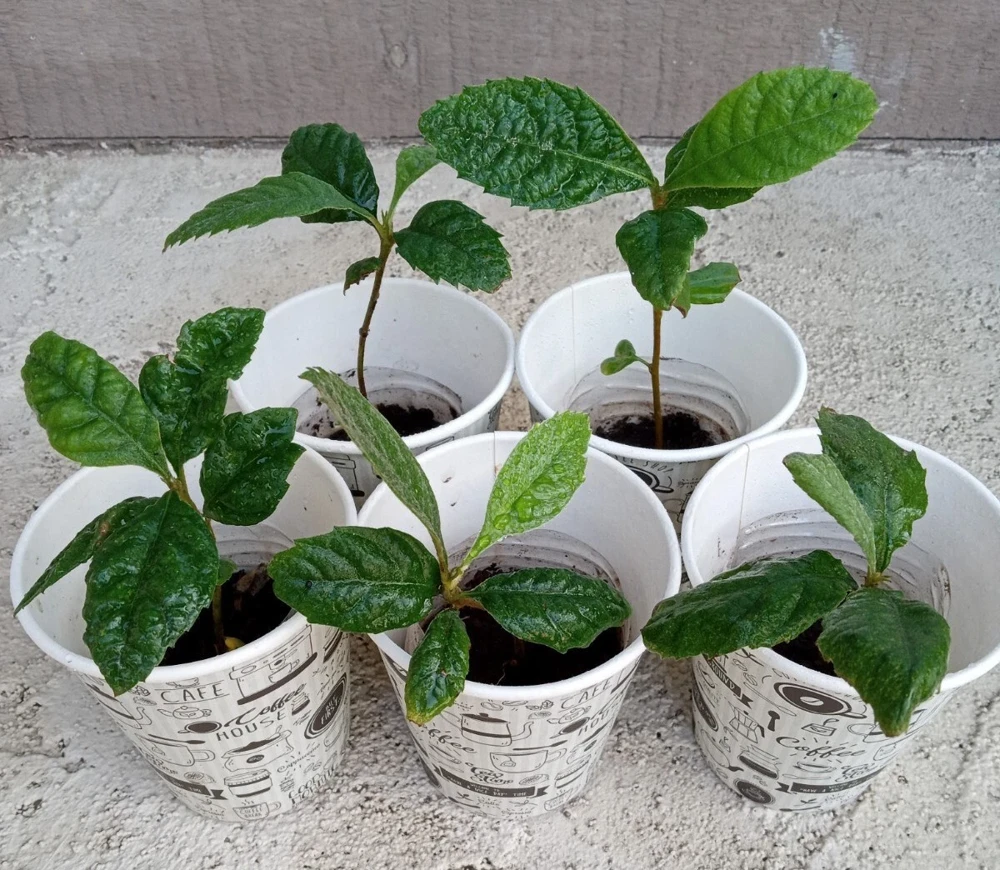
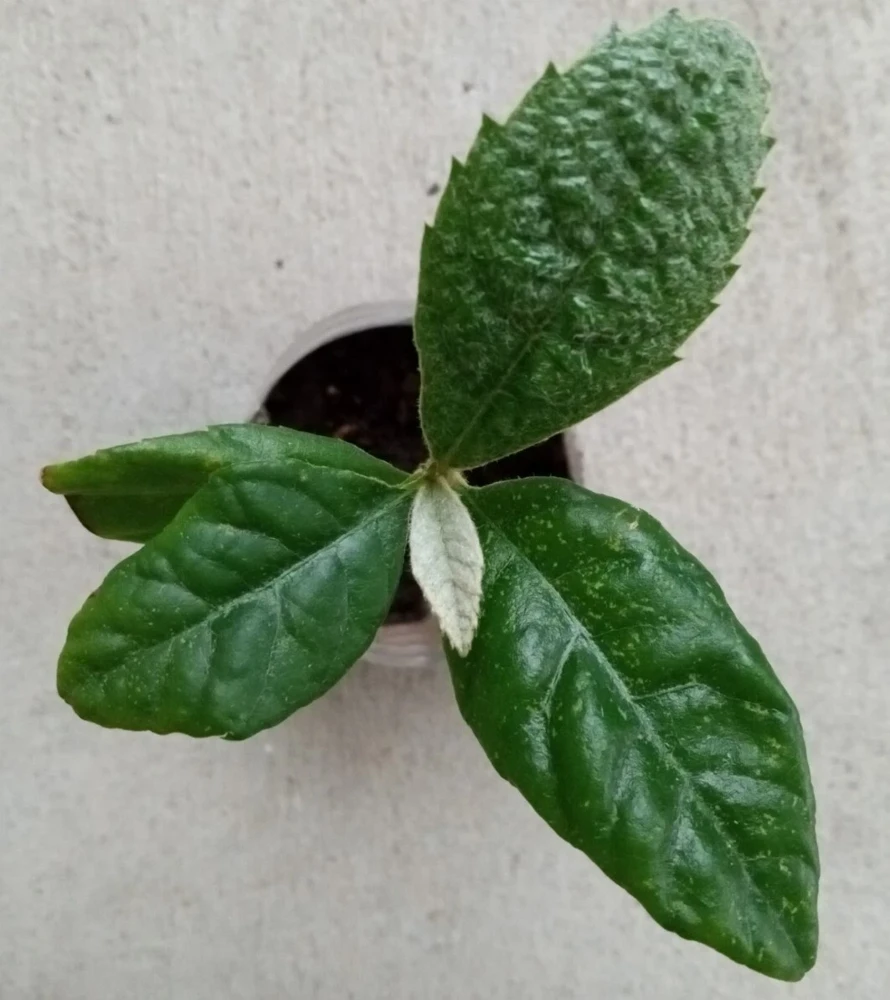
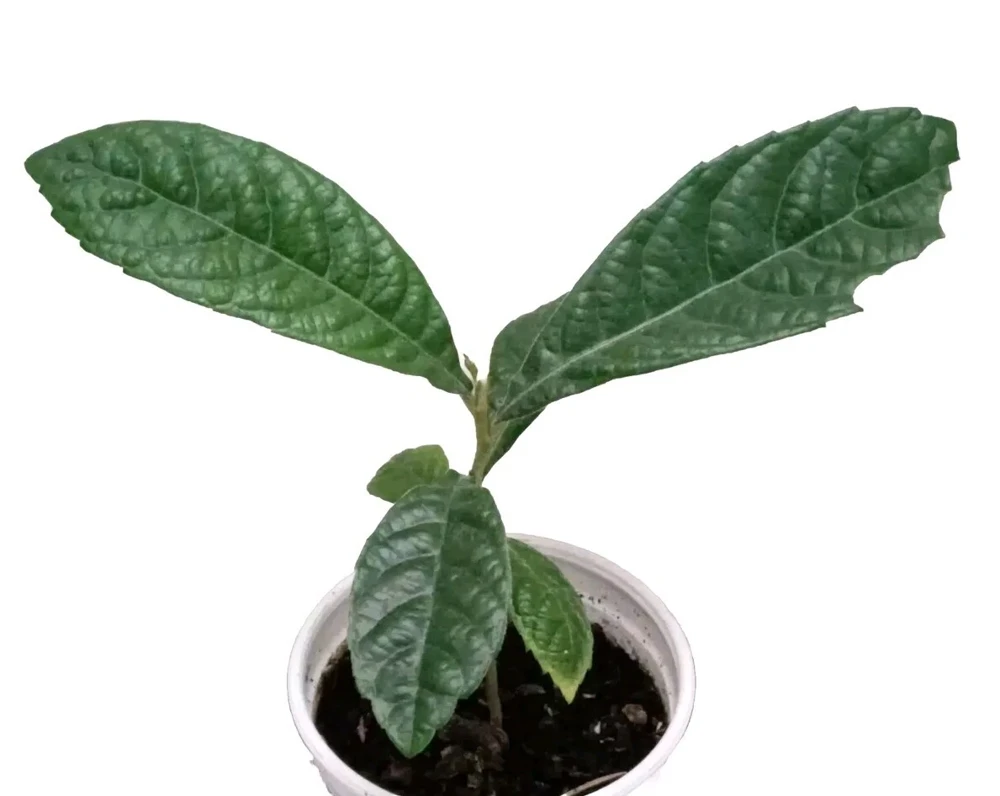
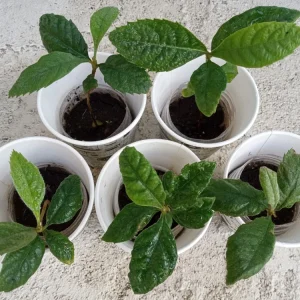
This offering is for one organic golden loquat tree, provided as a plant plug/seedling, ready for transplanting into your garden or a larger pot. The exact height will vary depending on the growth stage at the time of shipping, but these young plants are generally established and vigorous. Loquat trees typically grow to a mature height of 10-25 feet tall with a similar spread, though they can be kept smaller with regular pruning. They have a moderate to fast growth rate, meaning you’ll see significant development within a few years. The plant form is a seedling, which allows for robust root development once planted in its permanent location. Expect flowering in late fall to early winter, followed by fruit development, with harvest usually occurring in late spring or early summer, depending on local climate conditions. This evergreen perennial fruit tree is a long-term investment in your garden’s beauty and productivity.
Frequently Asked Questions
- Q: How big does this plant get? A: The organic golden loquat tree can grow to a mature height of 10-25 feet tall and have a similar spread. Its size can be managed with regular pruning, especially if you prefer a smaller, bushier form suitable for a patio or smaller garden.
- Q: What size pot does it come in? A: This product is supplied as a plant plug/seedling, meaning it’s a young plant with an established root system, ready to be transplanted directly into your garden or a larger container upon arrival.
- Q: Is this an indoor or outdoor plant? A: The organic golden loquat tree is primarily an outdoor plant, thriving in garden settings. While young plants can be overwintered indoors in colder climates, it requires significant light and space to grow to its full potential.
- Q: How much sunlight does it need? A: Loquat trees prefer full sun to partial shade, ideally receiving at least 6 hours of direct sunlight per day. More sun exposure typically leads to better fruit production and stronger growth for this evergreen fruit tree.
- Q: Is this plant easy to care for? A: Yes, loquats are considered relatively easy to care for once established. They are tolerant of various conditions and require consistent watering and occasional fertilization, making golden loquat plant care manageable for most gardeners.
- Q: What condition will it arrive in? A: Your organic golden loquat tree will arrive as a healthy, live plant plug/seedling, carefully packaged to ensure its safe journey. It will be ready for immediate planting upon receipt.
- Q: Can I use loquat fruit in cooking? A: Absolutely! The fruit of the Japanese plum tree is versatile and can be used in numerous culinary applications, including jams, jellies, pies, tarts, and even fermented into wine. Many enjoy them fresh off the tree.
- Q: How long until it blooms and fruits? A: Loquat trees typically begin to flower in late fall to early winter, with fruit developing and ripening for harvest in late spring to early summer. Young trees may take a few years to start producing.
- Q: Will it survive winter in my zone? A: Loquats are hardy in USDA zones 8-10, and sometimes zone 7 with protection. In colder zones, young trees may need winter protection, or they can be grown in containers and moved indoors during freezing temperatures.
- Q: What are some of the loquat benefits beyond eating the fruit? A: Besides delicious fruit, the loquat tree is evergreen, providing year-round beauty and shade. Its fragrant flowers attract pollinators, and the tree itself can be a beautiful ornamental specimen in your landscape.
Be the first to review “Organic Golden Loquat Live Fruit Tree Plant Plug – Evergreen, Fast Growing”
People Also Viewed
Sold 54 products
$40.00
Aquatic Plants
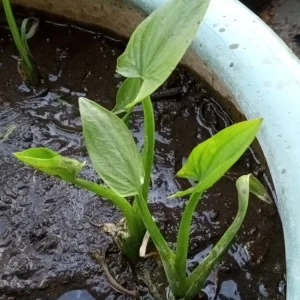
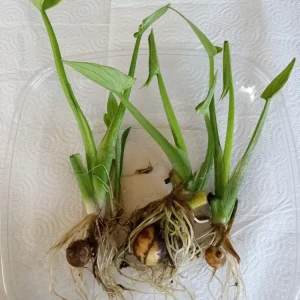
2 Edible Broadleaf Arrowhead Aquatic Plants – Sagittaria Latifolia, Outdoor, Flowering
Sold 86 products
$84.98

Vegetable Seeds
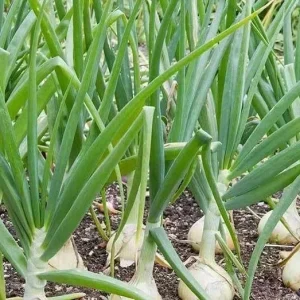
500 Vidalia Sweet Onion Seeds – Non-GMO Heirloom Vegetable Seeds
Sold 57 products
Original price was: $15.92.$7.96Current price is: $7.96.





Reviews
There are no reviews yet.