
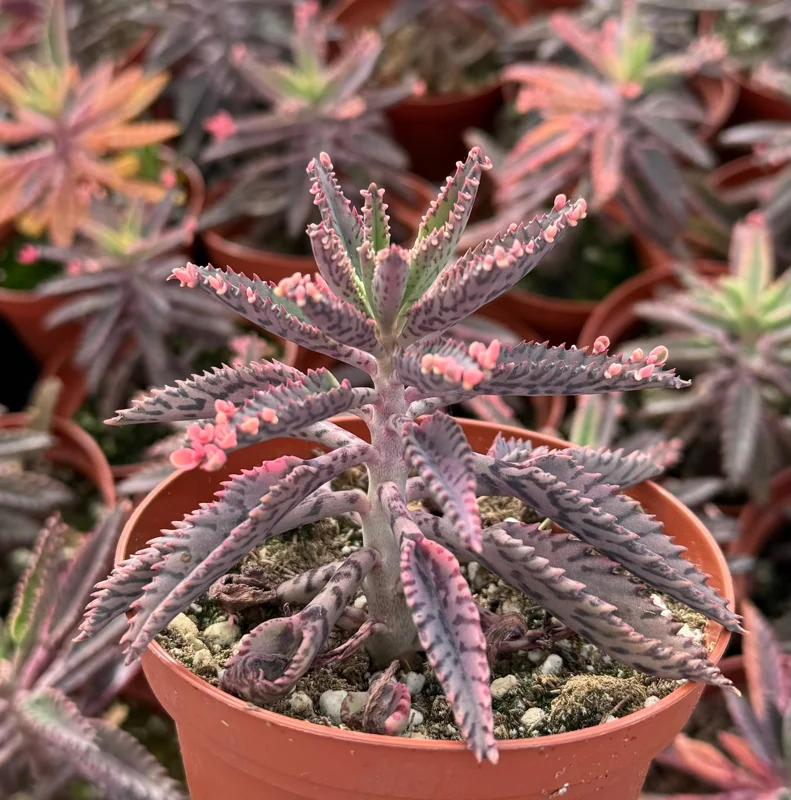
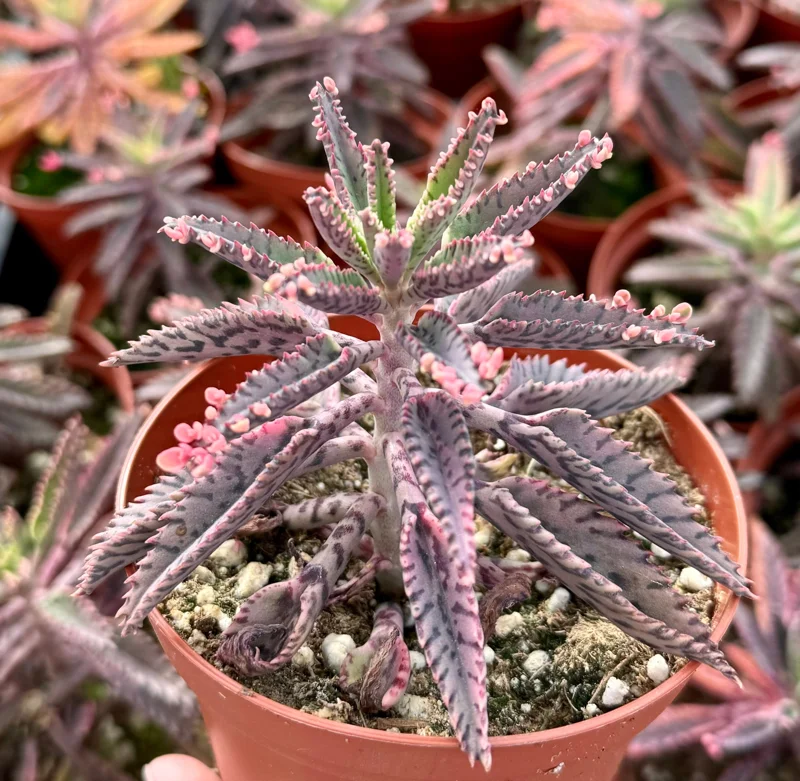
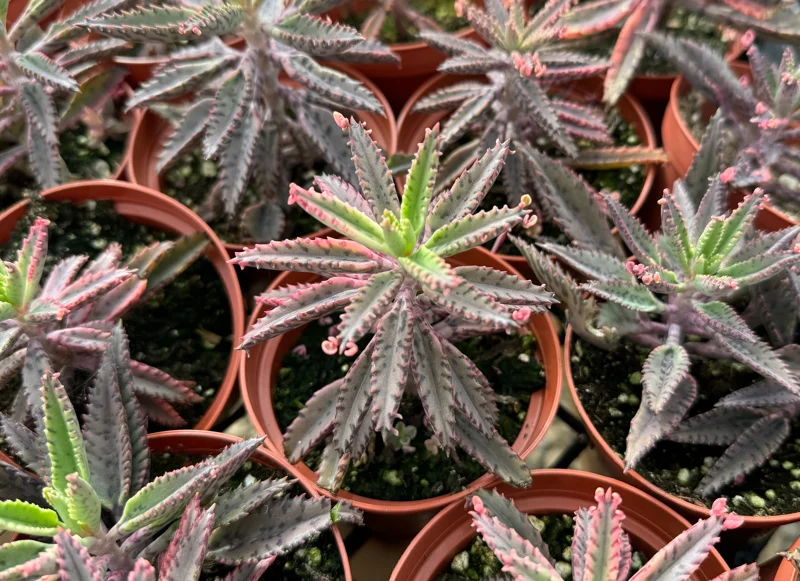
Kalanchoe Pink Butterfly Live Plant – Mother of Thousands Succulent in 2″-4″ Pot
Original price was: $21.98.$15.38Current price is: $15.38.
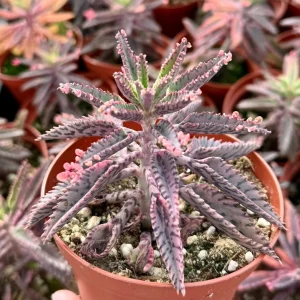
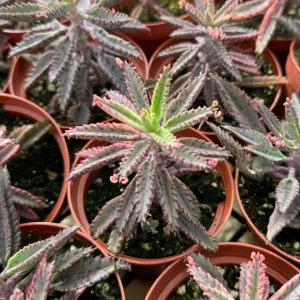
Bring home a beautiful kalanchoe pink butterfly, also known as mother of thousands succulent. This live plant features stunning pink, butterfly-shaped flowers and velvety, gray-green leaves. It’s a low-maintenance choice perfect for both indoor and outdoor settings, thriving in bright, indirect light. Enjoy its unique charm and easy care.
-
USDA Hardiness Zone
USDA zones 9-11 -
Soil Type
well-draining succulent or cactus mix -
Sunlight Exposure
bright indirect light -
Expected Planting Period
year-round indoors

You can track your order HERE
Sep 20
Sep 25 - Sep 27
Sep 30 - Oct 04
Shipping and return policies: Our Alive & Thrive Guarantee covers issues with your plants within the first 30 days. Reach out to us. Our team will answer your questions and help you find the plants that are truly suitable for your environment, climate, and personal preferences.

Overview
Introduce a touch of whimsical beauty to your plant collection with the exquisite kalanchoe pink butterfly. This unique succulent, also affectionately known as mother of thousands succulent or Kalanchoe eriophylla, is a fascinating live plant native to the diverse landscapes of Madagascar. Renowned for its distinctive appearance, it boasts delicate pink, butterfly-shaped flowers that emerge in graceful clusters atop slender, tall stems. The plant’s fleshy, gray-green leaves are a tactile delight, covered in fine, soft hairs that give them a velvety texture. This Kalanchoe is not only visually appealing but also a conversation starter, making it an ideal addition for both novice and experienced plant enthusiasts looking for something out of the ordinary. Its captivating form and unique floral display ensure it stands out in any setting, whether nestled on a windowsill or gracing an outdoor patio.
The kalanchoe pink butterfly is celebrated for its relatively easy-going nature, making it a fantastic choice for those seeking a vibrant yet undemanding plant. Its striking pink blooms provide a charming contrast against its fuzzy, succulent foliage, creating a visually rich experience. This live plant thrives in conditions that mimic its native habitat, preferring bright, indirect sunlight and well-draining soil. Its drought-tolerant characteristics mean it requires minimal watering, aligning with the care needs of most succulents. Embrace the natural elegance and simplicity of this remarkable succulent, which promises to bring a splash of color and unique texture to your home or garden. Its resilience and beauty make it a truly rewarding plant to cultivate.
Key Benefits
The kalanchoe pink butterfly offers a multitude of benefits, making it a highly desirable addition to any plant collection. Its unique aesthetics and easy care regimen contribute to a pleasant and rewarding gardening experience. This plant is not just a visual treat but also a robust and adaptable companion for your living space.
- Stunning Visual Appeal: The most striking feature of this plant is its vibrant pink, butterfly-shaped flowers that appear in clusters. These unique blooms add a pop of color and an ethereal quality to its appearance, making it a focal point wherever it’s placed. The velvety, gray-green foliage provides a beautiful backdrop, enhancing the overall aesthetic.
- Low Maintenance: As a succulent, the kalanchoe pink butterfly is incredibly forgiving and requires minimal attention. It’s an excellent choice for busy individuals or beginner gardeners who want to enjoy the beauty of plants without a demanding care schedule. Its drought-tolerant nature means less frequent watering.
- Versatile Placement: This plant is well-suited for both indoor and outdoor cultivation in temperate climates, offering flexibility in where you can enjoy its beauty. It thrives in bright, indirect light, making it perfect for sunny windowsills or sheltered outdoor areas.
- Unique Foliage: The fleshy, gray-green leaves are covered in fine hairs, giving them a soft and velvety texture. This tactile quality adds another layer of interest to the plant, inviting touch and further appreciation of its unique characteristics.
- Drought Tolerant: Like most succulents, the mother of thousands succulent stores water in its leaves, allowing it to withstand periods of drought. This makes it a resilient plant that can thrive even if you occasionally forget to water it, reducing the risk of overwatering which can be detrimental to succulents.
- Air Purifying Qualities: While not as prominent as some other plants, succulents like the kalanchoe eriophylla care contribute to improving indoor air quality by absorbing toxins and releasing oxygen, fostering a healthier living environment.
- Conversation Starter: Its unusual flowers and fuzzy leaves make the pink succulent plant a unique specimen that often sparks curiosity and admiration, making it a great conversation piece for guests.
Plant Care & Growing Tips
Caring for your kalanchoe pink butterfly is straightforward, making it an ideal choice for a wide range of gardeners. Understanding its basic needs will ensure a thriving and beautiful plant. This low maintenance succulent prefers conditions that mimic its natural arid environment, focusing on light, water, and soil.
Sunlight Requirements: The kalanchoe pink butterfly thrives in bright, indirect sunlight. When grown indoors, place it near a south or west-facing window where it can receive ample light without direct, harsh sun exposure which can scorch its leaves. If grown outdoors, a location with morning sun and afternoon shade is ideal, especially in hotter climates. Aim for at least 4-6 hours of bright light daily. Inadequate light may lead to leggy growth and fewer blooms, so ensuring sufficient illumination is key to its health and flowering potential.
Watering Schedule and Soil Moisture: Overwatering is the most common cause of problems for succulents. The mother of thousands succulent is drought-tolerant and stores water in its leaves. Water sparingly, allowing the soil to dry out completely between waterings. A good rule of thumb is to check the soil moisture by sticking your finger about an inch or two deep; if it feels dry, it’s time to water. During winter months, reduce watering frequency significantly, as the plant’s growth slows down. Ensure proper drainage to prevent root rot, which can be fatal to the plant.
Soil Type and Drainage Requirements: This succulent requires well-draining soil to prevent waterlogging. A specialized succulent or cactus potting mix is ideal, as it provides the necessary aeration and drainage. You can also create your own mix by combining regular potting soil with perlite or coarse sand in a 1:1 ratio. The pot itself should have drainage holes to allow excess water to escape freely. Good drainage is crucial for the health of your kalanchoe eriophylla care and to prevent fungal issues.
Temperature Range and USDA Hardiness Zone: The pink succulent plant prefers warm temperatures, ideally between 65°F and 80°F (18°C-27°C). It is not frost-tolerant and should be protected from temperatures below 40°F (4°C). If you live in a region with cold winters, it’s best to grow this plant in a container that can be brought indoors during the colder months. Its typical hardiness zone is USDA zones 9-11, where it can be grown outdoors year-round. Consistent temperature is beneficial for its growth and flowering.
Fertilization Schedule and Type: Fertilize your kalanchoe pink butterfly sparingly, typically once or twice during its active growing season (spring and summer). Use a balanced, water-soluble fertilizer diluted to half strength. Avoid fertilizing during the dormant winter months. Over-fertilization can harm the plant, so less is often more with succulents.
Common Problems and Solutions: Watch out for pests like mealybugs and aphids, which can be treated with insecticidal soap or neem oil. Root rot, caused by overwatering, is a significant concern; ensure proper drainage and allow soil to dry out. Leggy growth indicates insufficient light, so move your plant to a brighter location. Yellowing leaves can signal either overwatering or underwatering, requiring an assessment of your watering routine.
Size & Details
Our kalanchoe pink butterfly live plant is carefully cultivated to ensure a healthy start for your home or garden. It is shipped as a live plant in either a 2-inch or 4-inch nursery pot, providing a robust root system ready for transplanting or continued growth in its current container. The plant’s height typically ranges from 4 to 8 inches when shipped, depending on the pot size, and it is expected to mature into a compact to medium-sized succulent. These plants exhibit a moderate growth rate, gradually developing their full form and blooming potential over time.
When fully mature, this mother of thousands succulent can reach a height of approximately 12 to 24 inches, with a similar spread, creating an attractive bushy appearance. The distinctive pink, butterfly-shaped flowers typically emerge during the cooler, drier months, often in late winter to early spring, adding a spectacular display of color. This plant is shipped ready to thrive, requiring only proper placement and minimal care to flourish. Its adaptable nature makes it suitable for various indoor decorative schemes or as a charming outdoor accent in appropriate climates.
Frequently Asked Questions
- Q: How big does this plant get? A: The kalanchoe pink butterfly typically grows to a height of 12-24 inches and can spread similarly. Its size can also depend on its growing conditions and pot size.
- Q: What size pot does it come in? A: This live plant is available and shipped in either a 2-inch or 4-inch nursery pot, providing a healthy start for your succulent.
- Q: Is this an indoor or outdoor plant? A: The mother of thousands succulent is versatile and can be grown both indoors and outdoors. It thrives outdoors in USDA zones 9-11 or as an indoor potted plant in cooler climates.
- Q: How much sunlight does it need? A: It requires bright, indirect sunlight for at least 4-6 hours daily. Avoid harsh, direct afternoon sun, especially in hot climates, to prevent leaf scorching.
- Q: Is this plant easy to care for? A: Yes, the kalanchoe eriophylla care requirements are relatively low, making it an excellent choice for beginners and those seeking a low-maintenance succulent. It is drought-tolerant and forgiving.
- Q: What condition will it arrive in? A: Your kalanchoe pink butterfly will arrive as a healthy, live plant in its nursery pot, carefully packaged to ensure its safe journey and readiness for its new home.
- Q: Is it good for beginners? A: Absolutely! Its resilience and minimal watering needs make it a fantastic choice for beginner plant enthusiasts looking for a beautiful and easy-to-grow succulent.
- Q: How often should I water my pink succulent plant? A: Water sparingly, allowing the soil to dry out completely between waterings. Reduce frequency significantly during the cooler, dormant months.
- Q: When does the low maintenance succulent bloom? A: The pink, butterfly-shaped flowers typically appear during the cooler, drier months, often in late winter to early spring, providing a stunning display.
- Q: Will it survive winter in my zone? A: If you live in USDA zones 9-11, it can survive outdoors year-round. In colder zones, it should be brought indoors when temperatures drop below 40°F (4°C).
| Size | 2" Pot |
|---|
Be the first to review “Kalanchoe Pink Butterfly Live Plant – Mother of Thousands Succulent in 2″-4″ Pot”
People Also Viewed
Sold 69 products
$44.00
Sold 79 products
Original price was: $39.98.$19.99Current price is: $19.99.
Sold 100 products
Original price was: $47.90.$32.90Current price is: $32.90.
Sold 84 products
Original price was: $52.99.$39.99Current price is: $39.99.

Sold 56 products
Original price was: $18.76.$9.38Current price is: $9.38.
Sold 72 products
Original price was: $47.96.$38.98Current price is: $38.98.
Sold 80 products
Original price was: $71.22.$23.74Current price is: $23.74.
Sold 84 products
$31.98
Sold 97 products
Original price was: $35.98.$17.99Current price is: $17.99.
Sold 80 products
Original price was: $19.92.$9.96Current price is: $9.96.
Sold 50 products
From $21.00
Sold 93 products
Original price was: $33.90.$18.90Current price is: $18.90.
Sold 77 products
Original price was: $147.16.$73.58Current price is: $73.58.
Sold 67 products
Original price was: $28.76.$14.38Current price is: $14.38.
Sold 83 products
Original price was: $39.96.$19.98Current price is: $19.98.
Sold 55 products
From $67.96
Sold 81 products
$44.00
Sold 54 products
$44.00





%20–%20Plectranthus%20–%202.5″%20Pot&url=https://gardennursery.net/product/vicks-plant-2-5inch-pot/&media=https://img.gardennursery.net/2026/01/product-image-1768275490-1004x1024.webp)

%20–%202%20Bare-root%20Plants%20–%20Outdoor%20Shrub&url=https://gardennursery.net/product/french-pussy-willow-salix-nigra-2-bare-root-plants-outdoor-shrub/&media=https://img.gardennursery.net/2026/01/french-pussy-willow-salix-nigra-2-bare-root-plants.webp)
%20–%2075+%20Days%20Old%20Super%20Hot%20Pepper%20Plants&url=https://gardennursery.net/product/carolina-reaper-live-plants-3-pack-75-days-old-super-hot-pepper-plants/&media=https://img.gardennursery.net/2026/05/carolina-reaper-live-plants-3-pack-75-days-old-sup-3c86d502.webp)

Reviews
There are no reviews yet.