
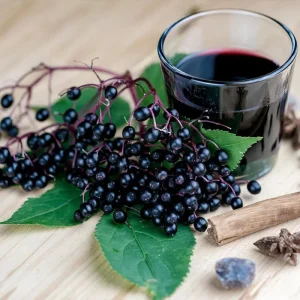
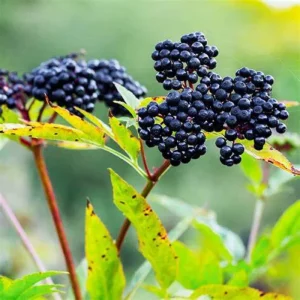
Elderberry Tree – 4in Tall Starter Live Plant – Hardy Fruit Shrub
Original price was: $43.98.$23.98Current price is: $23.98.
Cultivate your own harvest with a elderberry tree, a 4-inch tall starter live plant. This hardy, fruit-bearing shrub is perfect for edible gardens, offering delicious, immune-boosting berries. A unique choice for gardeners seeking both beauty and bounty.
-
USDA Hardiness Zone
USDA Zones 3-9 -
Soil Type
Well-draining, rich in organic matter -
Sunlight Exposure
Full sun to partial shade -
Expected Planting Period
Spring to early fall

You can track your order HERE
Oct 15
Oct 20 - Oct 22
Oct 25 - Oct 29
Shipping and return policies: Our Alive & Thrive Guarantee covers issues with your plants within the first 30 days. Reach out to us. Our team will answer your questions and help you find the plants that are truly suitable for your environment, climate, and personal preferences.

Overview
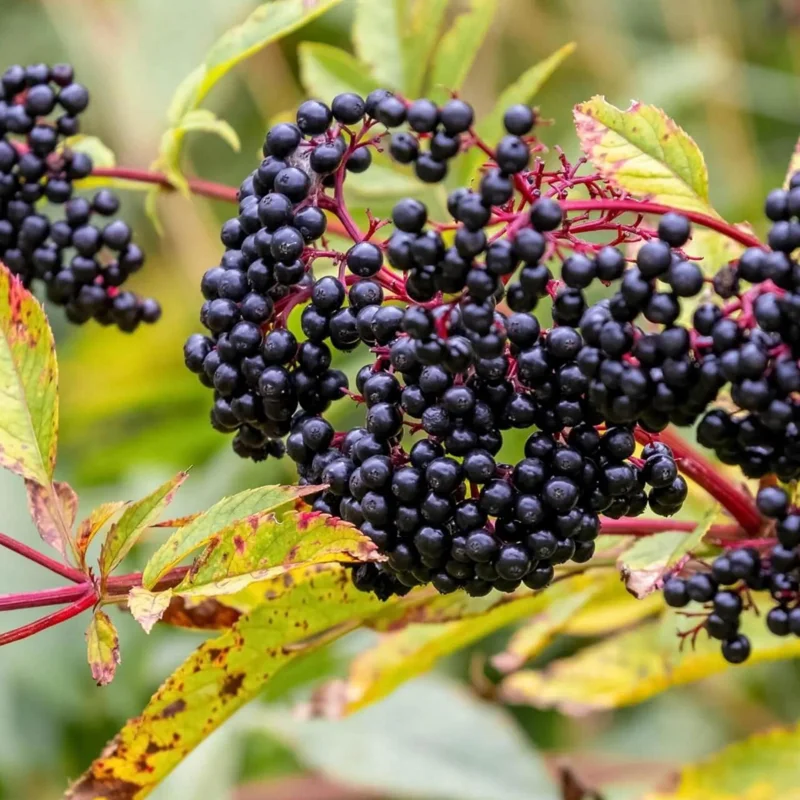
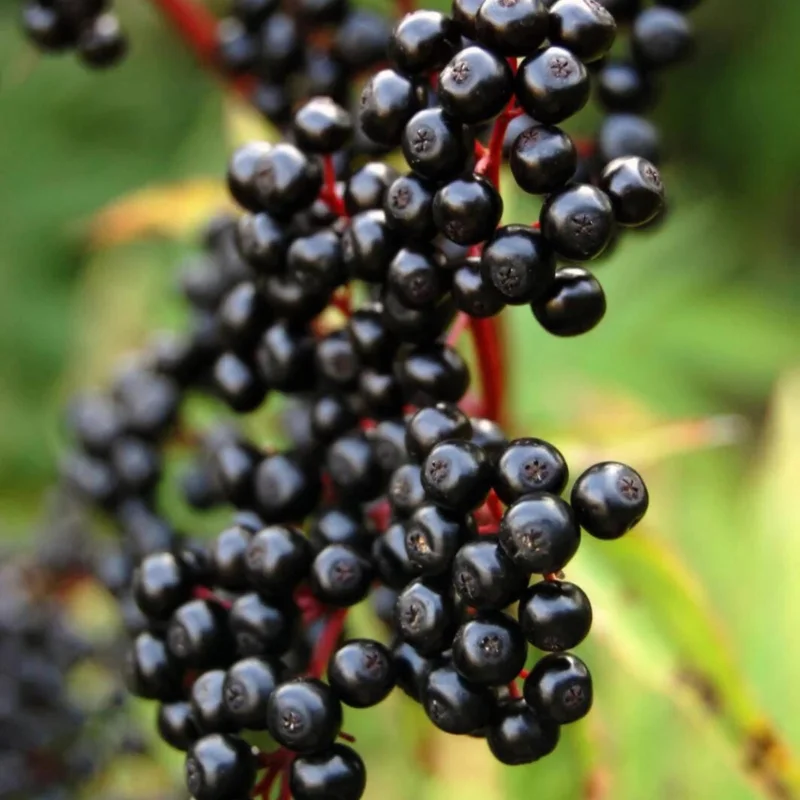
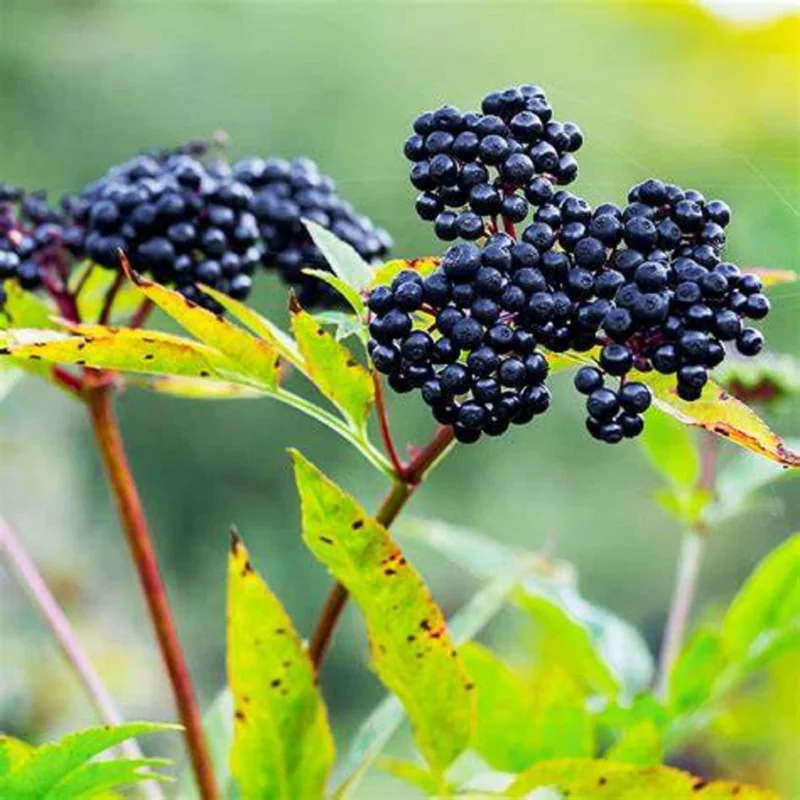
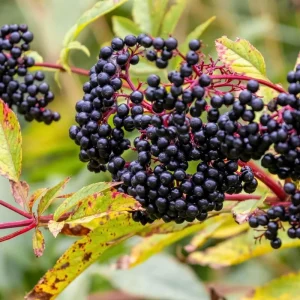
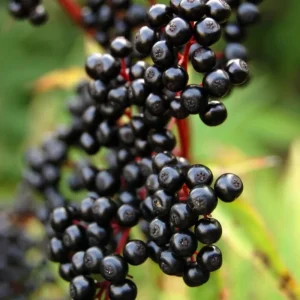
Welcome a vibrant addition to your edible landscape with this beautiful elderberry tree. This 4-inch tall starter live plant offers the promise of both ornamental beauty and a bountiful harvest. Known scientifically as Sambucus canadensis ‘Aurea’, the elderberry is a deciduous shrub prized for its striking golden-yellow foliage that holds its color well throughout the growing season. Beyond its aesthetic appeal, this plant is a robust fruit-bearing shrub, producing clusters of small, dark purple berries in late summer. These berries are not only delicious when cooked into jams, pies, or syrups, but they are also celebrated for their immune-boosting properties, making them a valuable addition to any home garden focused on health and self-sufficiency. Starting with a vigorous young plant ensures a strong foundation for future growth and fruit production, allowing you to enjoy the benefits of fresh elderberries for years to come. The elderberry is an excellent choice for gardeners looking to combine ornamental value with practical, edible yields.
The journey of growing an elderberry begins with a healthy starter plant, and this elderberry tree is ready to thrive in your garden. Its distinctive leaves provide a brilliant contrast to other green foliage, making it a focal point even before the berries appear. This species is particularly adaptable, tolerating a range of soil conditions and climates, which makes how to grow elderberry a rewarding experience for gardeners of all skill levels. With proper care, your elderberry will mature into a significant, productive shrub.
Key Benefits
The elderberry tree offers a multitude of benefits, blending ornamental charm with practical utility for the home gardener. Its unique attributes make it a standout choice for various landscape designs and culinary uses.
- Stunning Ornamental Value: The bright, golden-yellow foliage provides a striking visual impact throughout the growing season, offering a beautiful contrast to traditional green plants. This makes it an excellent specimen plant or a vibrant backdrop in mixed borders.
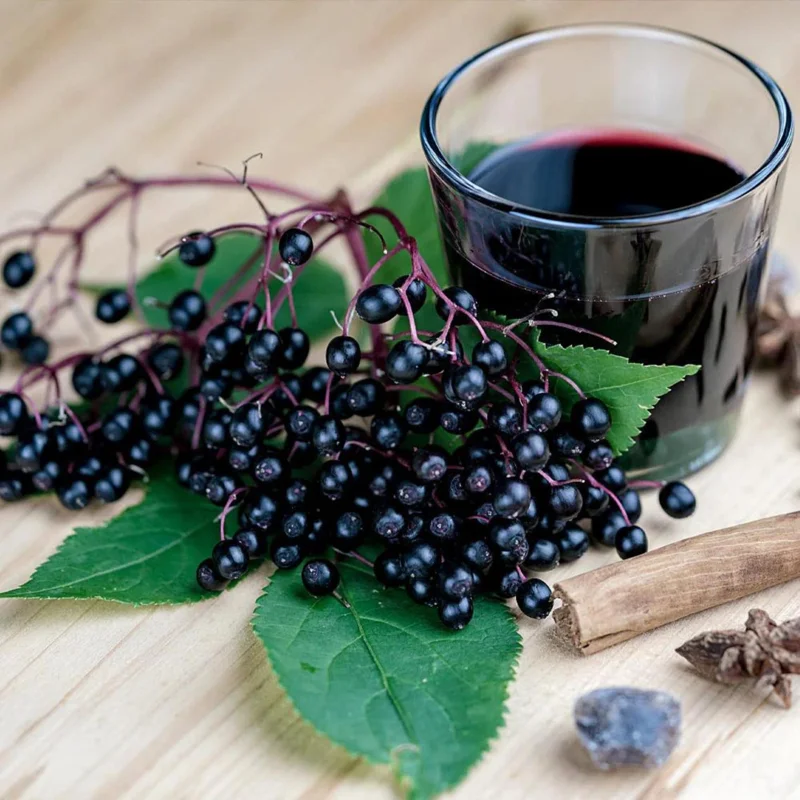
- Abundant Edible Berries: This fruit-bearing shrub produces generous clusters of dark purple elderberries, which are perfect for making delicious jams, jellies, wines, and syrups. Enjoy fresh, homegrown produce directly from your garden.
- Immune-Boosting Properties: Elderberries are renowned for their high antioxidant content and traditional use in supporting immune health. Incorporating these berries into your diet can provide natural wellness benefits. Many seek out immune-boosting berries for their health advantages.
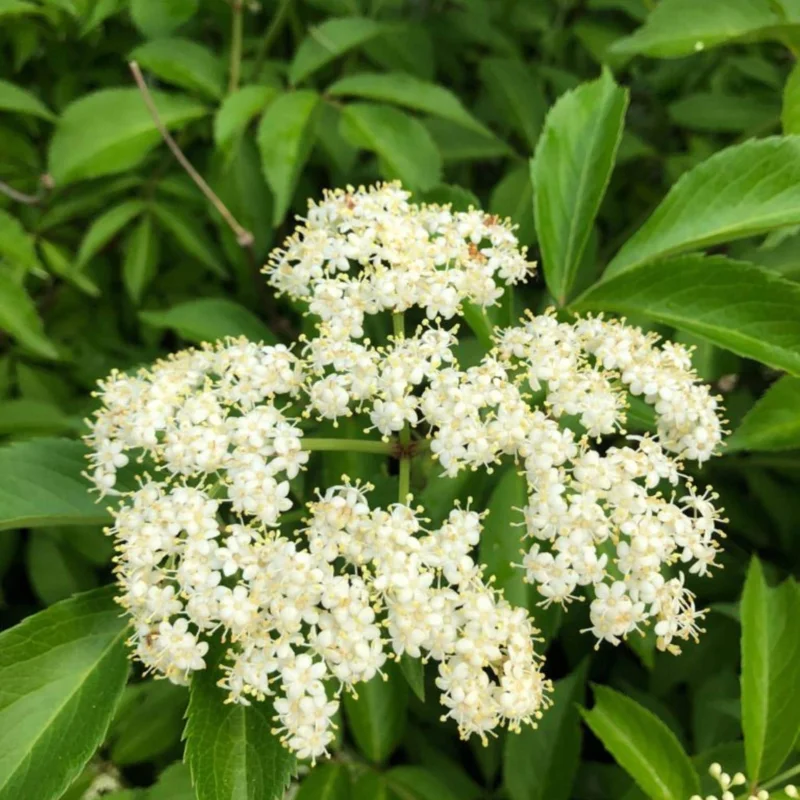
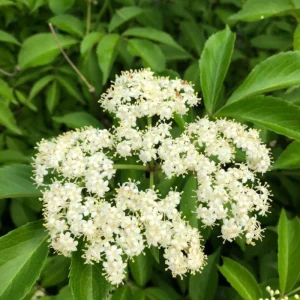
- Attracts Pollinators and Wildlife: The fragrant white flower clusters in spring attract bees and other beneficial pollinators, contributing to a healthy garden ecosystem. The berries also provide food for birds, adding life and movement to your yard.
- Hardy and Adaptable: The elderberry is a robust plant that tolerates a wide range of growing conditions, including various soil types and some drought once established. This resilience makes elderberry plant care relatively straightforward.
- Fast Growing: Elderberries are known for their relatively fast growth rate, meaning you won’t have to wait long to see your plant establish and begin producing fruit.
- Versatile Landscape Use: Ideal for edible landscapes, hedgerows, naturalized areas, or as a vibrant accent in a mixed perennial bed.
Plant Care & Growing Tips
Caring for your elderberry tree is a straightforward process that will reward you with beautiful foliage and delicious fruit. Elderberries are generally low-maintenance plants, but understanding their specific needs will ensure optimal growth and berry production. They thrive in locations that receive full sun to partial shade. For the best berry production and most vibrant foliage color, aim for at least 6 hours of direct sunlight per day. While they can tolerate some shade, too little sun may result in fewer berries and less intense leaf coloration.
When it comes to watering, elderberries prefer consistently moist, but not waterlogged, soil. Water deeply, especially during dry spells and when the plant is establishing. Once established, they exhibit good drought tolerance but will perform best with regular moisture. The ideal soil for a fruit-bearing shrub like the elderberry is well-draining, rich in organic matter, and slightly acidic to neutral (pH 5.5-7.0). Amending heavy clay soils with compost or peat moss can improve drainage and fertility. Regular mulching around the base of the plant helps retain soil moisture, suppress weeds, and regulate soil temperature, which is crucial for good elderberry plant care.
elderberries are hardy plants, typically thriving in USDA zones 3-9. They are quite tolerant of cold winters and hot summers. Fertilize in early spring with a balanced, all-purpose granular fertilizer or compost to support vigorous growth and fruit development. Pruning is best done in late winter or early spring while the plant is dormant. Remove any dead, damaged, or weak canes. You can also thin out older, less productive canes to encourage new growth and better air circulation. Remember, elderberries produce fruit on new wood, so annual pruning helps rejuvenate the plant and maintain productivity. Learning how to grow elderberry successfully involves these simple, consistent care practices.
Size & Details
This offering is for a elderberry tree, supplied as a 4-inch tall starter live plant. It is a young, well-rooted specimen, ready to be transplanted into your garden or a larger pot. Elderberries are known for their relatively fast growth rate, and this starter plant will quickly establish itself. Once mature, the Elderberry typically grows to a height of 6 to 10 feet with a similar spread, forming a dense, multi-stemmed shrub. Its mature size makes it suitable for hedges, privacy screens, or as a striking specimen plant in a mixed border. The plant will arrive without a pot, carefully packaged to ensure its health during transit. Expect the first significant berry production within 2-3 years, with increasing yields as the plant matures. The vibrant foliage will be evident upon arrival, showcasing the plant’s unique appeal even at a young age. This fruit-bearing shrub is a long-term investment in your garden’s beauty and productivity.
Frequently Asked Questions
- Q: How big does this elderberry tree get? A: This starter plant is 4 inches tall. Once mature, a elderberry tree typically reaches a height and spread of 6 to 10 feet, forming a substantial shrub. Its size can be managed with annual pruning.
- Q: Is this an indoor or outdoor plant? A: The elderberry tree is an outdoor plant. It is a hardy, deciduous shrub designed to thrive in garden settings and withstand various outdoor climates. It is not suitable for long-term indoor cultivation.
- Q: How much sunlight does it need? A: For optimal growth, vibrant foliage, and abundant berries, your elderberry tree requires at least 6 hours of direct sunlight daily. It can tolerate partial shade, but berry production may be reduced.
- Q: Is this plant easy to care for? A: Yes, elderberry plant care is generally considered easy. They are hardy, adaptable plants that, once established, require minimal maintenance beyond regular watering during dry spells and annual pruning.
- Q: What condition will it arrive in? A: Your elderberry tree will arrive as a healthy, 4-inch tall starter live plant. It will be carefully packaged without a pot to ensure its safe and healthy transit to your home.
- Q: When is the best time to plant this fruit-bearing shrub? A: The best time to plant your fruit-bearing shrub is in spring after the last frost, or in early fall. This allows the plant ample time to establish its root system before extreme weather conditions.
- Q: Will it survive winter in my zone? A: elderberries are very hardy and typically thrive in USDA Hardiness Zones 3-9, meaning they are well-equipped to survive cold winters in most regions of the US.
- Q: Can I use the berries from this plant for immune-boosting benefits? A: Yes, the berries from this elderberry tree are known for their high antioxidant content and are traditionally used for their immune-boosting berries. They should be cooked before consumption.
- Q: How long until it starts producing berries? A: You can typically expect your elderberry tree to start producing a noticeable amount of berries within 2 to 3 years after planting, with yields increasing as the plant matures.
- Q: What kind of soil does it prefer? A: This plant prefers well-draining soil that is rich in organic matter, with a pH ranging from slightly acidic to neutral (5.5-7.0). Good drainage is essential for healthy root development.
Be the first to review “Elderberry Tree – 4in Tall Starter Live Plant – Hardy Fruit Shrub”
People Also Viewed
HousePlants
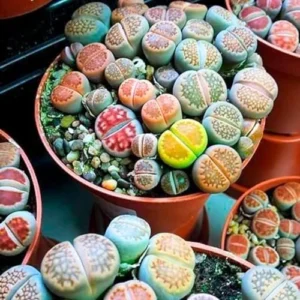
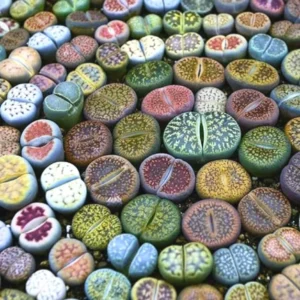
Lithops Live Plants Mix – 30 Colorful Succulents – Living Stones for Indoor/Outdoor Planting
Sold 52 products
Original price was: $65.98.$32.99Current price is: $32.99.
Herb Seeds
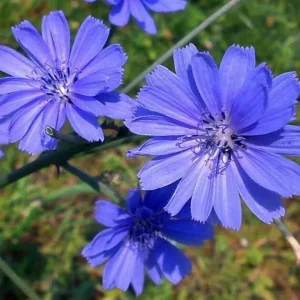
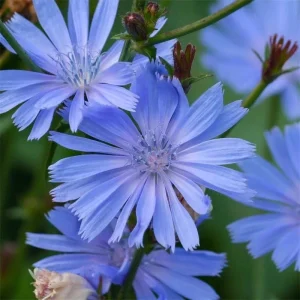
Chicory Seeds 300+ – Italian Dandelion Blue Flower – Non-GMO Perennial Herb Seeds Outdoor
Sold 72 products
Original price was: $8.40.$4.20Current price is: $4.20.



Reviews
There are no reviews yet.