
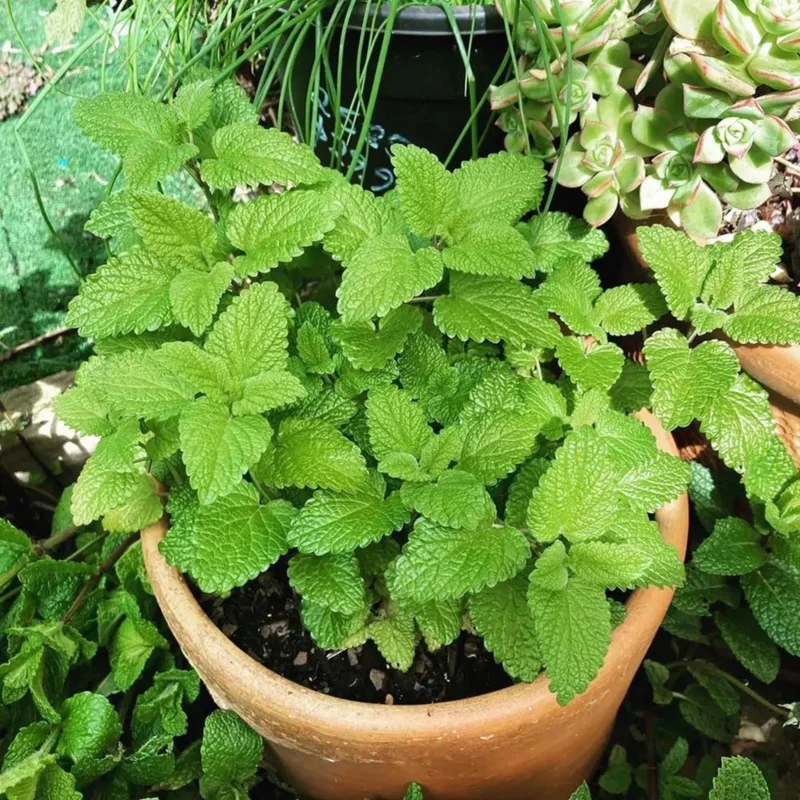
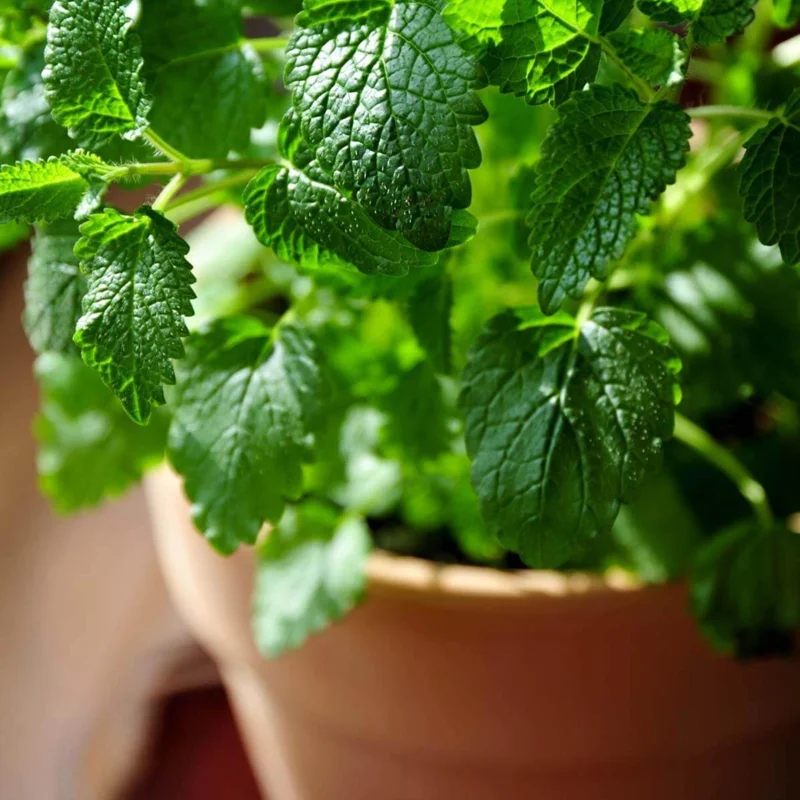
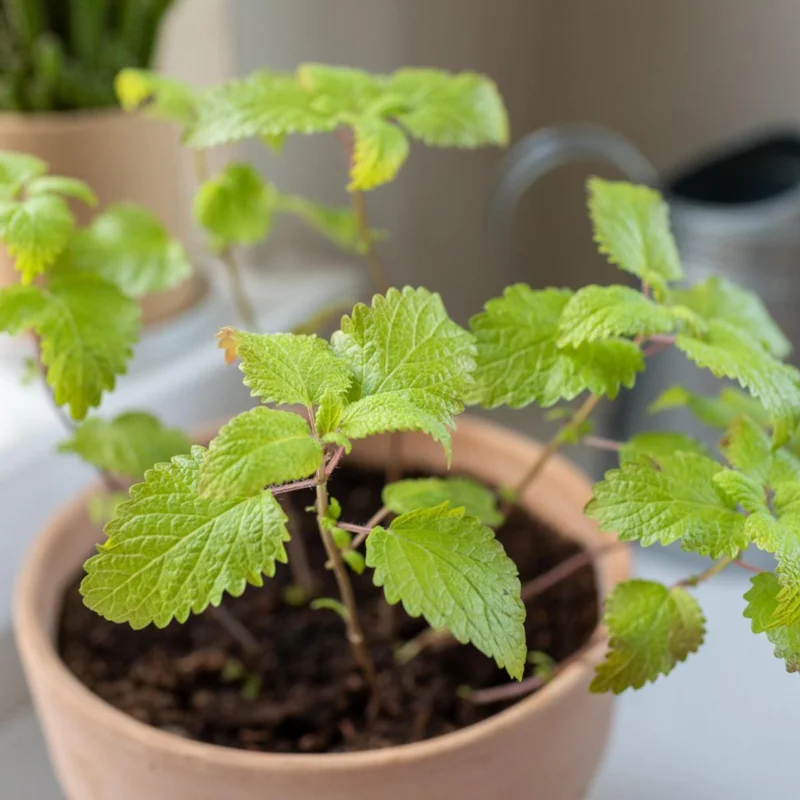
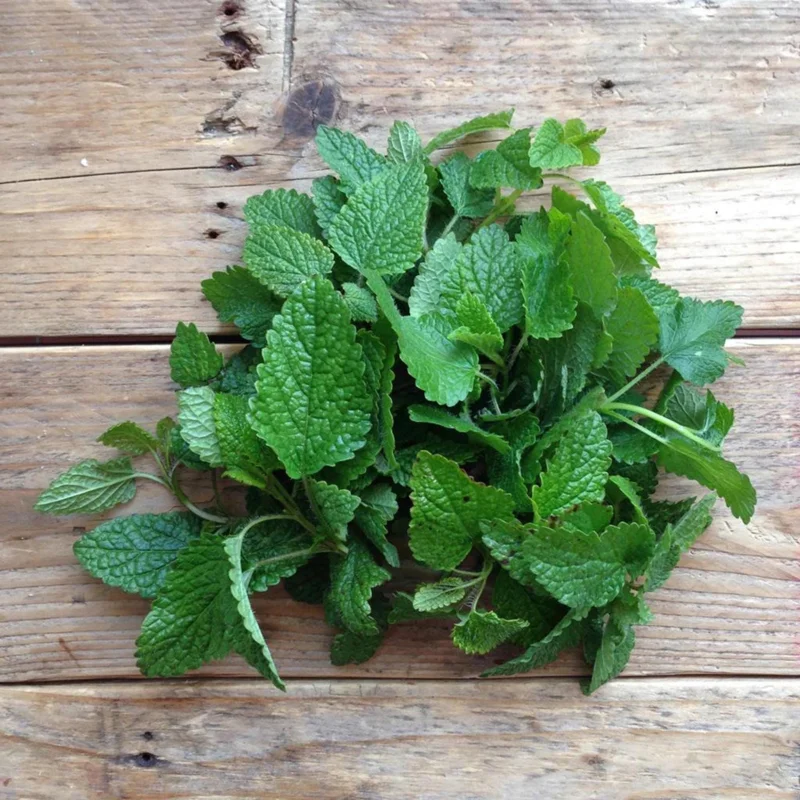
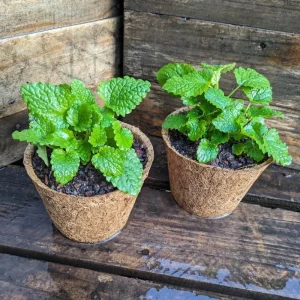
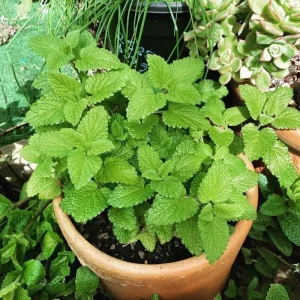
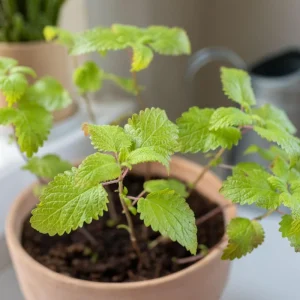
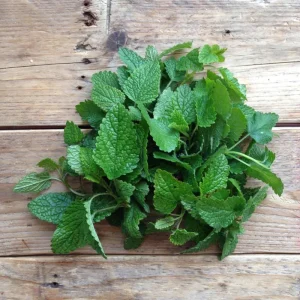
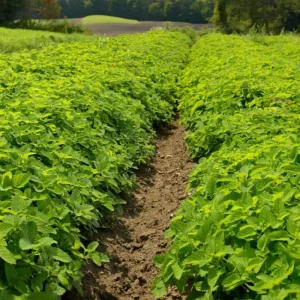
Lemon Balm Live Plant – 4 inch Tall Starter Perennial Herb for Tea & Cooking
Original price was: $19.78.$13.19Current price is: $13.19.
Cultivate your own aromatic garden with this lemon balm live plant. This 4-inch tall starter perennial herb is perfect for culinary uses, brewing soothing teas, and exploring its traditional medicinal properties. Enjoy its refreshing, citrusy fragrance and easy-to-grow nature.
-
USDA Hardiness Zone
USDA zones 4-9 -
Soil Type
Well-draining, rich in organic matter -
Sunlight Exposure
Full sun to partial shade -
Expected Planting Period
Spring to early summer

You can track your order HERE
Oct 18
Oct 23 - Oct 25
Oct 28 - Nov 01
Shipping and return policies: Our Alive & Thrive Guarantee covers issues with your plants within the first 30 days. Reach out to us. Our team will answer your questions and help you find the plants that are truly suitable for your environment, climate, and personal preferences.

Overview
Discover the delightful world of herbs with our lemon balm live plant. This vibrant, 4-inch tall starter plant is ready to bring its fresh, citrusy aroma and versatile benefits to your home or garden. Scientifically known as Melissa officinalis, lemon balm is a cherished perennial herb belonging to the mint family. It’s renowned for its distinctive lemony scent and flavor, making it a favorite for culinary creations, refreshing beverages, and traditional wellness practices. This easy-to-grow plant is ideal for both novice and experienced gardeners, thriving in various conditions and offering a continuous supply of aromatic leaves.
Our lemon balm live plant provides an excellent foundation for establishing a thriving herb garden. It’s a robust and adaptable perennial that returns year after year, offering beauty, fragrance, and utility. Whether you’re looking to enhance your tea collection, add a zesty twist to your dishes, or explore natural remedies, this plant is a fantastic choice. Enjoy the simple pleasure of harvesting fresh lemon balm leaves directly from your own plant.
Key Benefits
The lemon balm live plant offers a multitude of benefits, making it a valuable addition to any home or garden. Its appealing qualities extend from its aromatic presence to its practical applications:
- Invigorating Aroma: Lemon balm releases a wonderfully refreshing, lemony scent that can uplift spirits and create a pleasant atmosphere in your home or garden. It’s a natural mood enhancer.
- Culinary Versatility: The fresh leaves are perfect for flavoring a variety of dishes, from salads and marinades to desserts and cocktails. It adds a bright, citrusy note without the acidity of lemon fruit.
- Soothing Herbal Tea: One of the most popular uses for lemon balm is brewing a calming herbal tea. Many find lemon balm for tea to be a delightful and relaxing beverage, especially before bedtime.
- Traditional Medicinal Uses: Historically, lemon balm has been used for its potential to support relaxation, improve sleep, and ease digestive discomfort. It’s a staple in many traditional herbal medicine practices.
- Easy to Grow: This perennial herb is remarkably low-maintenance and forgiving, making it an excellent choice for beginners. It adapts well to various soil types and light conditions, flourishing with minimal effort.
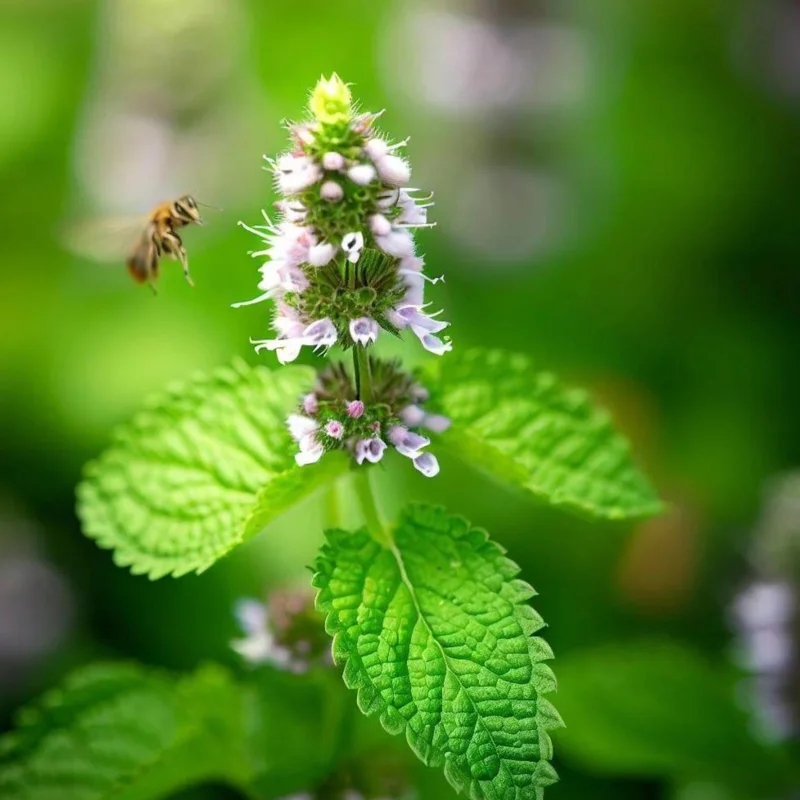
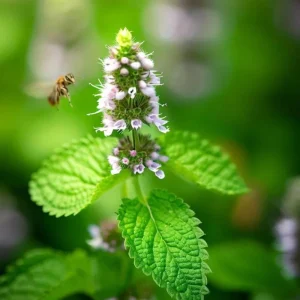
- Attracts Pollinators: The delicate white flowers of lemon balm are a magnet for bees and other beneficial pollinators, contributing to the biodiversity of your garden while supporting local ecosystems.
- Pest Repellent: While attracting beneficial insects, the strong scent of lemon balm can also help deter certain garden pests, acting as a natural companion plant.
Plant Care & Growing Tips
Caring for your lemon balm live plant is straightforward, ensuring a bountiful harvest of fragrant leaves. Lemon balm thrives in conditions that mimic its natural Mediterranean origins, though it’s quite adaptable. For optimal growth, provide your plant with full sun to partial shade. In hotter climates, some afternoon shade is beneficial to prevent leaf scorch. Aim for at least 6 hours of sunlight daily for the most vigorous growth and strongest aroma. When it comes to watering, lemon balm prefers consistently moist but not waterlogged soil. Water thoroughly when the top inch of soil feels dry to the touch, and reduce frequency in cooler months. Overwatering can lead to root rot, so ensure good drainage.
The ideal soil for growing lemon balm is well-draining, rich in organic matter, and has a neutral to slightly acidic pH (6.0-7.0). You can amend heavy clay soils with compost or sand to improve drainage. While lemon balm is tolerant of poorer soils, a fertile environment will encourage lush growth. Fertilize sparingly, perhaps once in spring with a balanced organic fertilizer, as too much nitrogen can reduce the aromatic oil content. Lemon balm is hardy in USDA zones 4-9, making it a resilient perennial in most regions. In colder zones, it will die back in winter and re-emerge in spring. Regular harvesting of leaves encourages bushier growth and prevents the plant from going to seed too quickly. Pruning can also help manage its spread, as lemon balm can self-seed readily.
Size & Details
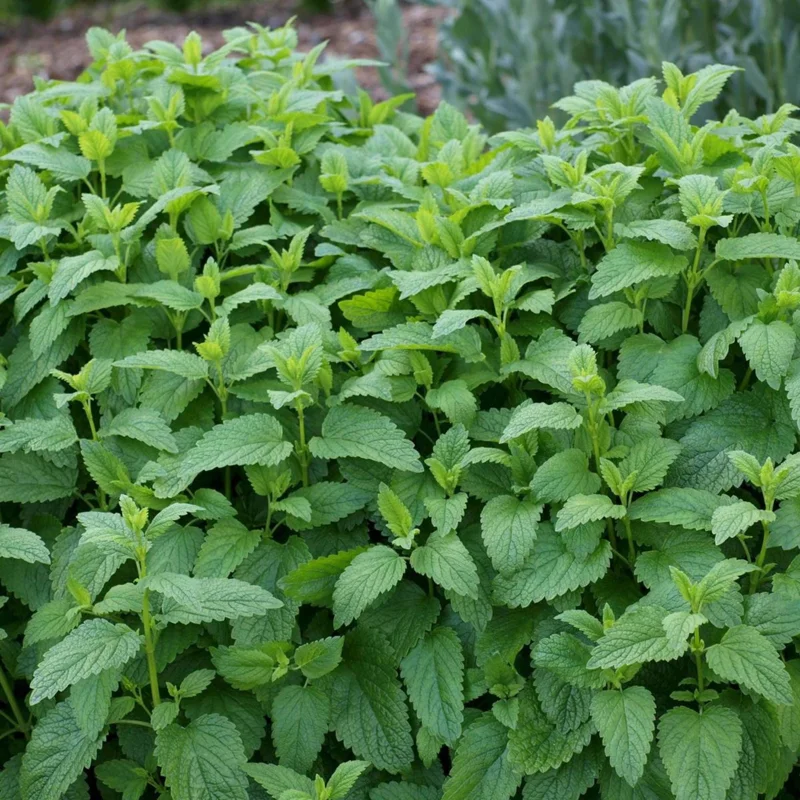
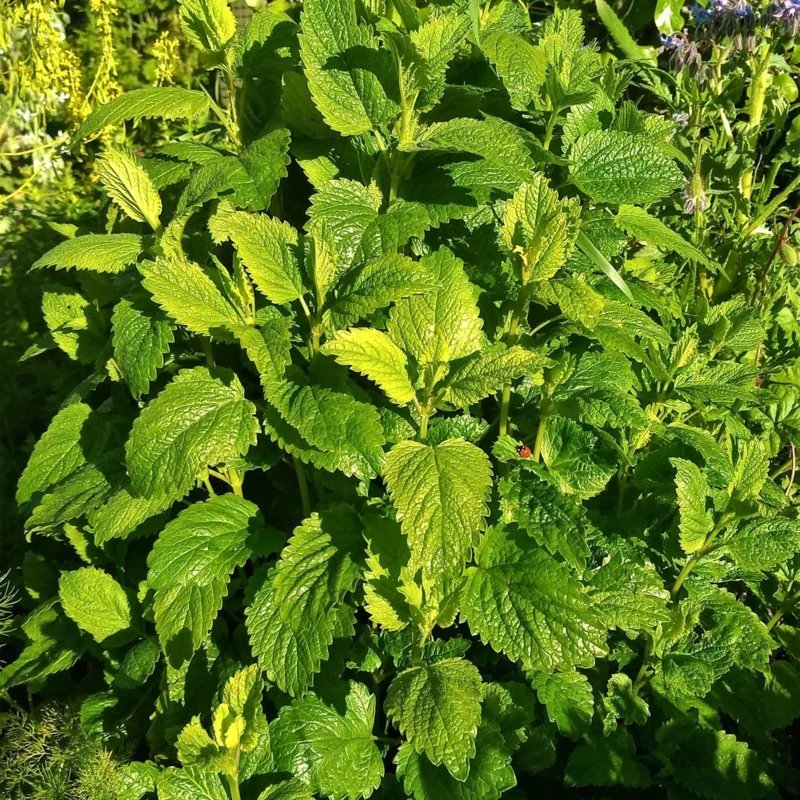
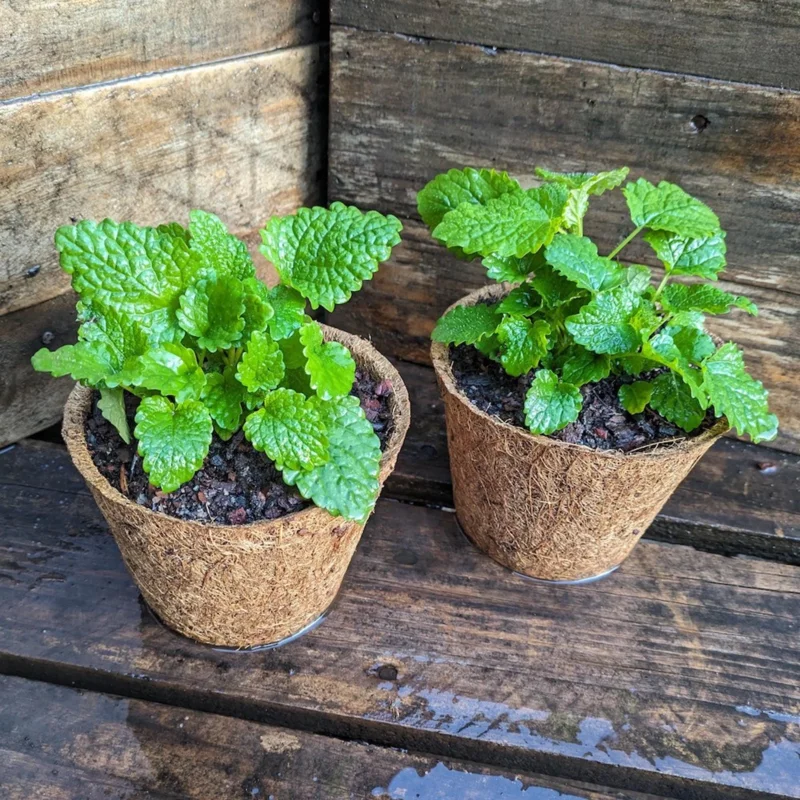
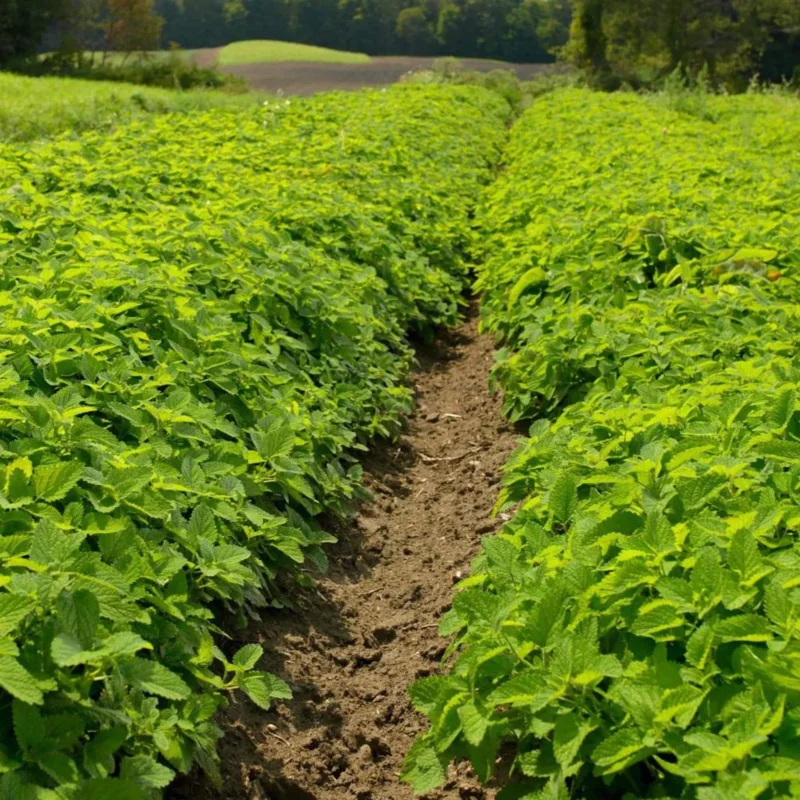
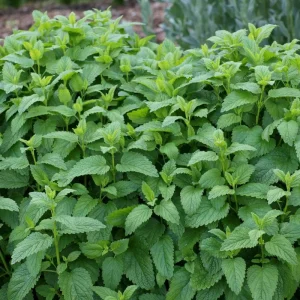
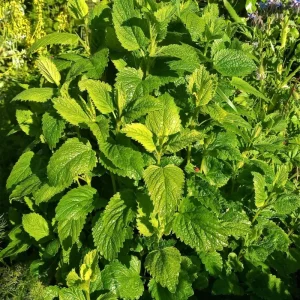
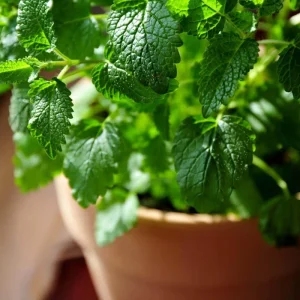
This offering is for one lemon balm live plant, which ships as a 4-inch tall starter plant. These young plants are carefully nurtured to establish a strong root system before shipping, ensuring they are ready to thrive in your garden or container. The plant is typically shipped without a pot to minimize shipping costs and environmental impact, allowing you to plant it directly into your chosen location upon arrival. Lemon balm is a fast-growing perennial that can reach a mature height of 1 to 2 feet (30-60 cm) and spread equally wide if left unmanaged. Its growth rate is vigorous, and you can expect to harvest leaves within a few weeks of planting. It offers a bushy, upright habit with ovate, slightly crinkled green leaves that are soft to the touch. With proper care, your lemon balm will provide a continuous supply of fresh, aromatic foliage throughout the growing season.
Frequently Asked Questions
- Q: How big does this lemon balm plant get? A: This lemon balm live plant is a 4-inch tall starter. With proper care, it can grow to a mature height and width of 1 to 2 feet (30-60 cm) in a single growing season, returning each year as a perennial.
- Q: Is this an indoor or outdoor plant? A: Lemon balm can be grown both indoors and outdoors. It thrives outdoors in garden beds or containers in USDA zones 4-9. Indoors, place it in a bright, sunny window where it can receive at least 6 hours of light daily.
- Q: How much sunlight does it need? A: For best results, your lemon balm care routine should include full sun to partial shade. Aim for at least 6 hours of direct sunlight per day, especially if growing outdoors. In very hot climates, some afternoon shade can be beneficial.
- Q: Is this plant easy to care for? A: Yes, lemon balm is considered a very easy-to-care-for plant, making it perfect for beginners. It’s quite forgiving and resilient, adapting to various conditions with minimal fuss.
- Q: What condition will it arrive in? A: Your lemon balm live plant will arrive as a healthy, bare-root starter plant, carefully packaged to ensure its safety during transit. It’s ready to be planted directly into your garden or a pot upon arrival.
- Q: Can I use lemon balm in cooking and tea? A: Absolutely! Lemon balm is widely used in cooking to add a citrusy flavor to dishes, and it’s especially popular for brewing soothing herbal teas. Many enjoy lemon balm for tea due to its calming properties.
- Q: When is the best time to plant lemon balm? A: The best time to plant lemon balm is in spring after the last frost, or in early fall. If growing indoors, it can be planted any time of year.
- Q: Will it survive winter in my zone? A: Lemon balm is a hardy perennial in USDA zones 4-9. In these zones, it will die back to the ground in winter and regrow from the roots in spring. In colder zones, it can be grown as an annual or brought indoors.
- Q: What are the medicinal uses of lemon balm? A: Historically, medicinal lemon balm has been used to help alleviate stress and anxiety, improve sleep, and soothe digestive issues. It’s often used in traditional remedies for its calming and uplifting properties.
- Q: Is lemon balm good for attracting pollinators? A: Yes, lemon balm produces small, inconspicuous flowers that are highly attractive to bees and other pollinators, making it a great addition to a pollinator-friendly garden.
Be the first to review “Lemon Balm Live Plant – 4 inch Tall Starter Perennial Herb for Tea & Cooking”
People Also Viewed
Fruit Seeds
Black Elderberry Plant Live: 2 American Elderberry Bush Plants, 6-12 Inch Sweet Elderberry Tree
Sold 76 products
Original price was: $45.98.$22.99Current price is: $22.99.
HousePlants
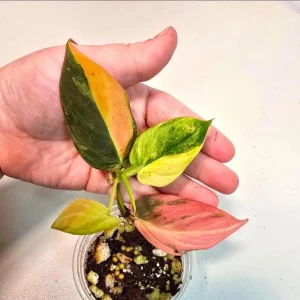
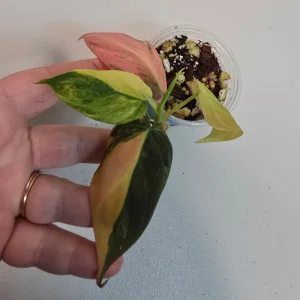
Variegated Philodendron Mican Aurea Live Plant – Rare Collector Houseplant in Nursery Pot
Sold 89 products
Original price was: $392.00.$196.00Current price is: $196.00.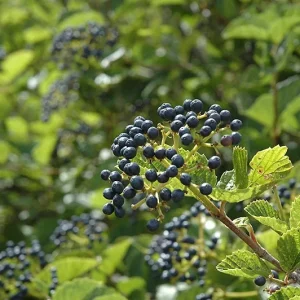
Trees
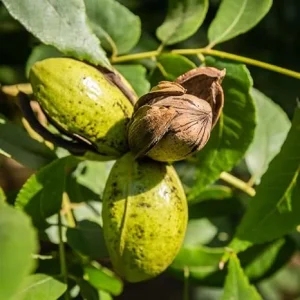
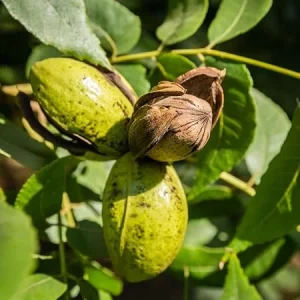
Pecan Tree Bare Root Seedlings – Set of 2 Live Plants, 1-2 Ft Tall, Hardy Perennial for Full Sun
Sold 58 products
Original price was: $45.98.$22.99Current price is: $22.99.






Reviews
There are no reviews yet.