
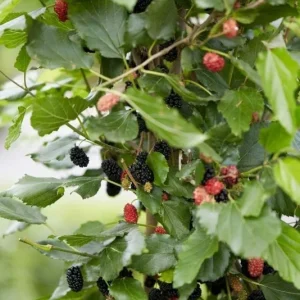
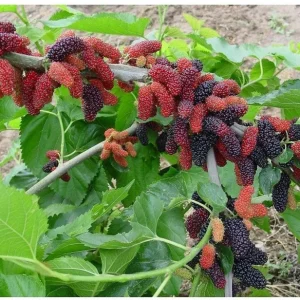
Dwarf Everbearing Mulberry Tree Live Plant – Starter Fruit Tree – 10-15 ft
$29.98
Introduce fresh, homegrown fruit to your garden with a dwarf everbearing mulberry tree live starter plant. This self-pollinating fruit tree provides abundant, sweet berries from late June through early fall, perfect for any garden.
-
USDA Hardiness Zone
USDA Zones 5-9 -
Soil Type
Well-draining, fertile soil -
Sunlight Exposure
Full sun -
Expected Planting Period
Early spring to early summer

You can track your order HERE
May 18
May 23 - May 25
May 28 - Jun 01
Shipping and return policies: Our Alive & Thrive Guarantee covers issues with your plants within the first 30 days. Reach out to us. Our team will answer your questions and help you find the plants that are truly suitable for your environment, climate, and personal preferences.

Overview
Introduce the joy of homegrown fruit to your garden with a dwarf everbearing mulberry tree live starter plant. This remarkable variety is celebrated for its ability to produce abundant, sweet, and juicy berries over an extended season, typically from late June through early fall. Unlike many fruit trees, the dwarf everbearing mulberry tree is self-pollinating, meaning you only need one plant to start enjoying a bountiful harvest. It’s an excellent choice for both novice and experienced gardeners looking for a low-maintenance yet highly rewarding fruit-bearing specimen. This live plant will arrive as a healthy starter, ready to be planted and begin its journey towards becoming a productive fruit tree in your landscape. The botanical name for this variety is often associated with Morus nigra, known for its deep, rich fruit flavor and adaptability.
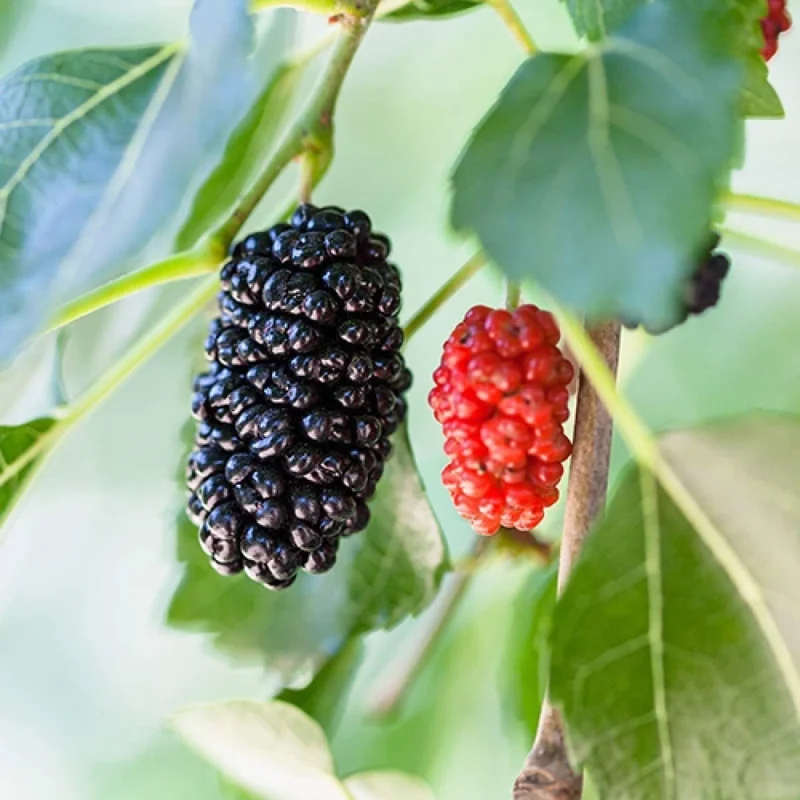
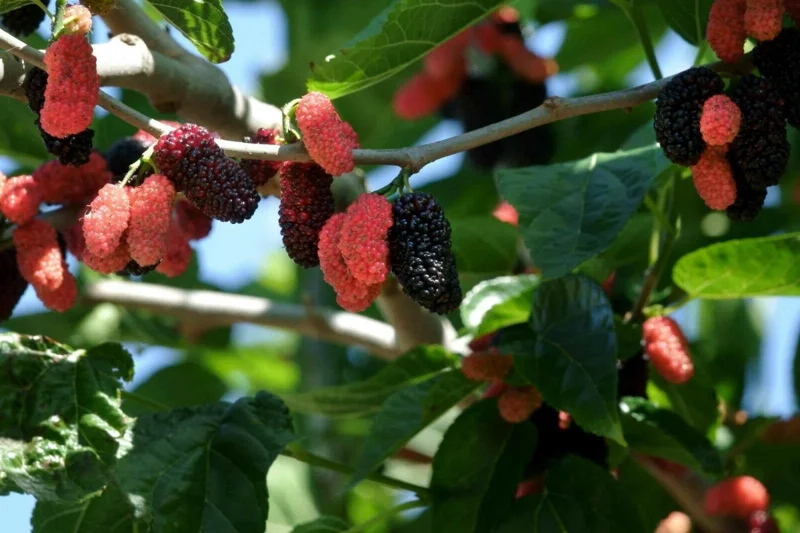
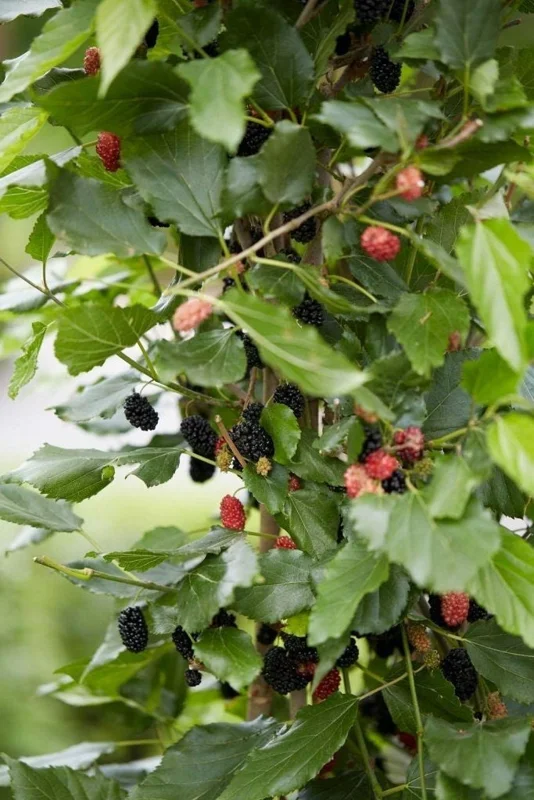
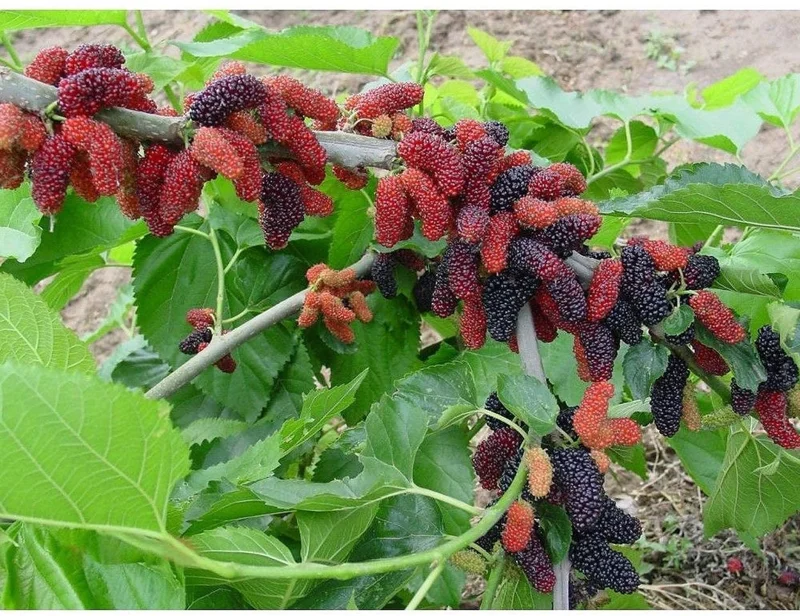
The dwarf everbearing mulberry tree is a highly adaptable plant, known for its rapid growth and delicious, dark reddish-black fruits, which can reach about 1.5 inches in length. Its compact size, reaching a maximum height of 10-15 feet with a spread of 15-20 feet, makes it suitable for smaller gardens or even container growing. This makes it a versatile option for various garden designs, allowing it to be trained as a single-stemmed tree or as a multi-stemmed shrub. The deciduous nature of its leathery green leaves adds seasonal interest, as they fall in winter before new growth emerges in spring, signaling the upcoming fruit season. This particular everbearing mulberry plant offers a unique opportunity to harvest fresh fruit for months.
Key Benefits
Integrating a dwarf everbearing mulberry tree into your garden brings a multitude of benefits, from its ease of care to its delightful fruit production. This robust plant offers an accessible way to enjoy fresh, organic mulberries right from your backyard, enhancing both your landscape and your diet.
- Continuous Fruit Production: The ‘Everbearing’ characteristic means this mulberry fruit tree produces fruit over an extended period, from late June to early fall, ensuring a continuous supply of fresh berries for snacking, baking, or preserving. This prolonged harvest season is a significant advantage over other fruit trees.
- Self-Pollinating: You don’t need multiple trees for fruit production. This self-pollinating variety ensures a harvest even with a single plant, simplifying planting and maintenance and making it ideal for smaller spaces.
- Pest-Resistant: Known for its natural resilience, the everbearing mulberry plant often requires less intervention from pesticides, making it a more environmentally friendly and easier plant to care for. This natural hardiness contributes to a healthier garden ecosystem.
- Versatile Growth Habit: This tree can be trained to grow as a traditional single-stemmed tree or as a rounded, multi-stemmed shrub, offering flexibility in how it integrates into your garden design and space constraints. Its adaptability makes it suitable for various landscaping purposes.
- Early Fruiting: Many of these trees can begin bearing fruit within their first 1-3 years after planting, providing a relatively quick return on your gardening efforts. This means you won’t have to wait long to enjoy your first harvest.
- Low Maintenance: Once established, growing mulberry trees is relatively straightforward, requiring minimal pruning and general care, making it an excellent choice for busy gardeners. Its robust nature demands less intensive upkeep.
- Delicious & Nutritious Fruit: The juicy, dark reddish-black berries are not only tasty but also packed with vitamins and antioxidants, offering a healthy and fresh addition to your diet. Enjoy them fresh, in jams, pies, or dried.
Plant Care & Growing Tips
Caring for your dwarf everbearing mulberry tree is a rewarding experience that ensures a healthy plant and abundant fruit. These trees are relatively hardy but thrive best with proper attention to their specific needs, particularly concerning sunlight, water, and soil. When considering mulberry tree care, understanding these fundamental requirements will lead to the most successful growth and fruiting and ensure your everbearing mulberry plant flourishes.
For optimal growth and fruit production, your dwarf everbearing mulberry tree requires full sun exposure, meaning at least 6-8 hours of direct sunlight per day. While it can tolerate partial shade, fruit yield may be reduced. It prefers well-draining, fertile soil with a pH between 6.0 and 7.0. Mulberries are adaptable to a range of soil types, including sandy, loamy, and clay soils, as long as drainage is adequate. Good drainage is crucial to prevent root rot. If your soil is heavy clay, consider amending it with organic matter to improve aeration and drainage. These trees are generally hardy in USDA Zones 5-9, tolerating both heat and cold once established. Protect young plants from severe winter conditions in colder zones, especially during their first year. Proper soil preparation is key for successful growing mulberry trees.
Watering is critical, especially during the establishment phase and dry periods. Water deeply and regularly, ensuring the soil remains consistently moist but not waterlogged. Once established, mulberries are somewhat drought-tolerant but will produce better fruit with regular watering. Fertilize in early spring with a balanced, slow-release fertilizer or organic compost to support vigorous growth and fruit development. Pruning should be done in late winter or early spring while the tree is dormant. Focus on removing any dead, damaged, or crossing branches, and thin out overcrowded areas to improve air circulation and sunlight penetration. You can also prune to maintain a desired shape or size, especially if you are training it as a shrub or a smaller tree. Watch out for common pests like borers and scale insects, and address them promptly with organic pest control methods if necessary. The pest-resistant nature of the dwarf everbearing mulberry tree generally minimizes these issues, making mulberry tree care quite manageable.
Size & Details
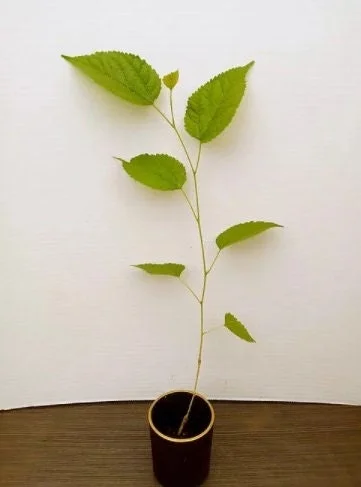
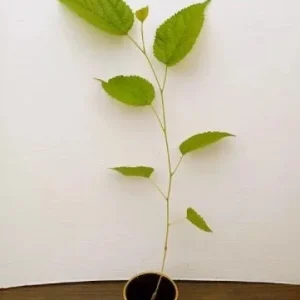
This offering is for a healthy dwarf everbearing mulberry tree starter plant, ready for transplanting into your garden or a larger container. These plants are typically shipped at a manageable size, perfect for establishing quickly in their new environment. While mature plants can reach a maximum height of 10-15 feet with a spread of 15-20 feet, the starter plant will be significantly smaller upon arrival, allowing you to shape its growth from a young age. Its moderate growth rate means you will see noticeable development within the first few years, making growing mulberry trees a rewarding endeavor.
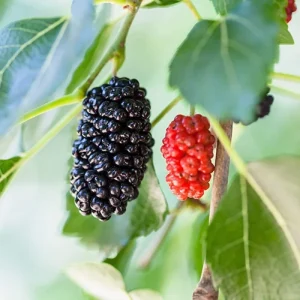
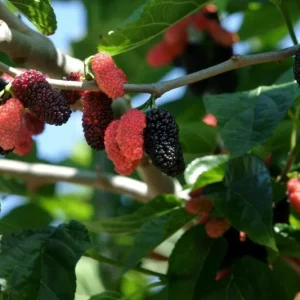
The berries produced by this variety are dark reddish-black, juicy, and approximately 1.5 inches long, ripening over an extended season from late June to early fall. With proper care, you can expect the tree to begin bearing fruit within 1-3 years. This makes it an ideal choice for those eager to quickly enjoy the fruits of their labor. The plant is adaptable and can be trained as either a single-stemmed tree or a multi-stemmed shrub, depending on your landscape design and available space. The root system is robust, so consider its placement carefully, avoiding proximity to utility lines. This mulberry fruit tree is a long-term investment that will provide many years of delicious harvests, offering a continuous supply of fresh, healthy fruit.
Frequently Asked Questions
- Q: How big does a dwarf everbearing mulberry tree get? A: A mature dwarf everbearing mulberry tree typically grows to a maximum height of 10-15 feet tall with a spread of 15-20 feet. Its compact size makes it suitable for many home gardens and even container growing.
- Q: Is this an indoor or outdoor plant? A: The dwarf everbearing mulberry tree is an outdoor plant that thrives in full sun. While young plants can be started indoors in pots, they should eventually be transitioned to an outdoor environment for optimal growth and fruit production. It requires significant space to thrive.
- Q: How much sunlight does it need? A: For the best fruit yield and overall health, your everbearing mulberry plant requires full sun, meaning at least 6-8 hours of direct sunlight per day. Adequate sunlight is crucial for fruit development.
- Q: Is this plant easy to care for? A: Yes, this mulberry variety is considered relatively easy to care for, especially once established. It’s known for being pest-resistant and self-pollinating, simplifying mulberry tree care for gardeners of all experience levels.
- Q: What condition will the plant arrive in? A: You will receive a healthy dwarf everbearing mulberry tree starter plant, carefully packaged to ensure its safe arrival. It will be ready for planting upon receipt, typically with established roots.
- Q: How long until it starts producing fruit? A: With proper care, your dwarf everbearing mulberry tree can begin bearing fruit within its first 1-3 years after planting. This makes it a quick-to-rewarding fruit tree for those eager to harvest.
- Q: Will it survive winter in my zone? A: The dwarf everbearing mulberry tree is generally hardy in USDA Zones 5-9. In colder zones, young plants may need winter protection, but established trees are quite resilient to seasonal changes.
- Q: Can I train this tree into a specific shape? A: Absolutely! This versatile plant can be trained as a single-stemmed tree or allowed to grow as a multi-stemmed shrub, depending on your aesthetic preferences and garden space. This flexibility is a key aspect of growing mulberry trees.
- Q: What type of soil does a mulberry fruit tree prefer? A: It prefers well-draining, fertile soil with a pH between 6.0 and 7.0. It can adapt to various soil types as long as good drainage is provided, preventing root issues.
- Q: Are the berries messy when they drop? A: The juicy, reddish-black berries do drop when ripe, which can create some mess on patios or walkways. Consider planting it in a grassy area or where falling fruit won’t be an issue, minimizing clean-up.
- Q: Why choose a dwarf everbearing mulberry tree over other fruit trees? A: Its self-pollinating nature, extended fruiting season, and pest resistance make it an exceptionally low-maintenance and high-yield option for homegrown fruit, ideal for beginners and experienced gardeners alike.
Be the first to review “Dwarf Everbearing Mulberry Tree Live Plant – Starter Fruit Tree – 10-15 ft”
People Also Viewed
Sold 71 products
Original price was: $79.96.$39.98Current price is: $39.98.
Sold 90 products
Original price was: $147.16.$73.58Current price is: $73.58.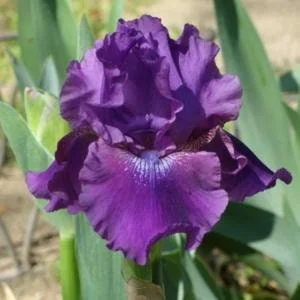
Flower Plants
2 Reblooming Bearded Iris live plant – Iris germanica Bareroot – Purple, 32-36 in Tall
Sold 60 products
From $59.80
Sold 74 products
Original price was: $89.98.$44.99Current price is: $44.99.
Sold 69 products
Original price was: $141.98.$70.99Current price is: $70.99.
Sold 64 products
Original price was: $463.96.$231.98Current price is: $231.98.
Sold 83 products
From $13.98
Sold 76 products
Original price was: $49.98.$24.99Current price is: $24.99.
Sold 62 products
Original price was: $39.98.$19.99Current price is: $19.99.
Sold 60 products
Original price was: $28.76.$14.38Current price is: $14.38.
Sold 90 products
Original price was: $109.90.$65.94Current price is: $65.94.
Sold 89 products
Original price was: $38.00.$19.00Current price is: $19.00.
Sold 89 products
Original price was: $19.98.$15.98Current price is: $15.98.
Sold 82 products
Original price was: $39.98.$19.99Current price is: $19.99.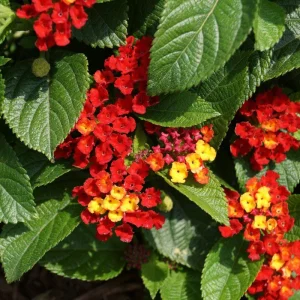
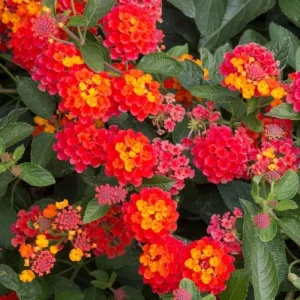
Flower Plants
Lantana Salsa Red Live Plant – Pack of 3, 4-6 Inches Tall, Attracts Butterflies, Outdoor
Sold 52 products
$29.98
Sold 94 products
Original price was: $51.98.$25.99Current price is: $25.99.
Sold 78 products
Original price was: $46.00.$36.80Current price is: $36.80.
Sold 70 products
From $71.80





Reviews
There are no reviews yet.