
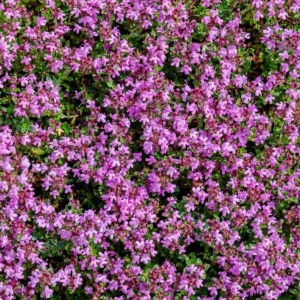
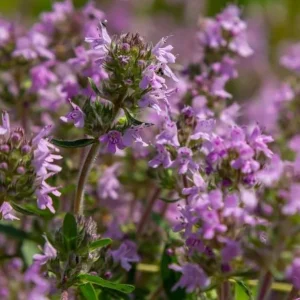
Dwarf Creeping Thyme Seeds – 50,000 Pink Flowering Ground Cover Perennial
Original price was: $33.78.$16.89Current price is: $16.89.
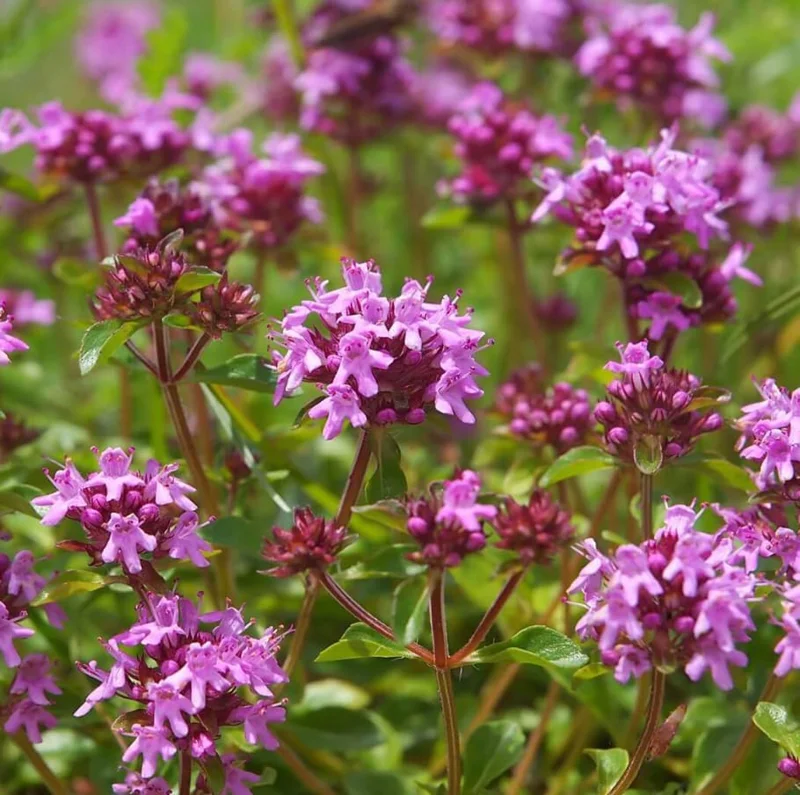
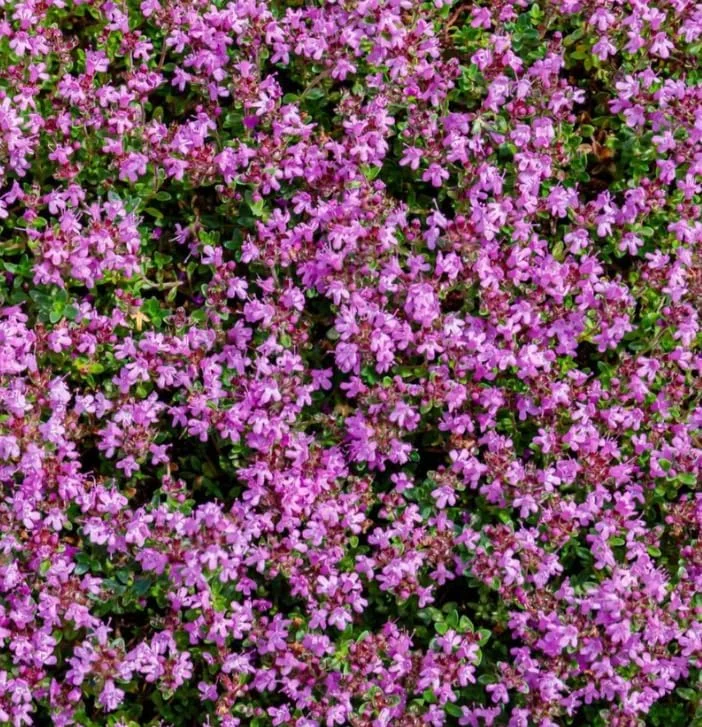
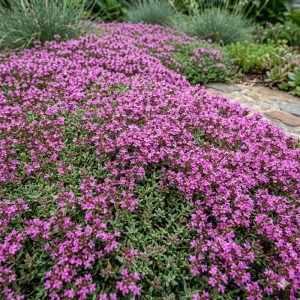
Cultivate a beautiful, fragrant landscape with dwarf creeping thyme seeds. These perennial thyme seeds produce a dense, low-growing mat of charming pink creeping thyme flowers, ideal for ground cover, rock gardens, and pathways. Enjoy a low-maintenance, pollinator-attracting thyme ground cover that thrives in various conditions.
-
USDA Hardiness Zone
3-8 -
Soil Type
Well-draining, sandy or loamy soil -
Sunlight Exposure
Full sun to partial shade -
Expected Planting Period
Spring after last frost (outdoors) or 6-8 weeks before last frost (indoors)

You can track your order HERE
Sep 28
Oct 03 - Oct 05
Oct 08 - Oct 12
Shipping and return policies: Our Alive & Thrive Guarantee covers issues with your plants within the first 30 days. Reach out to us. Our team will answer your questions and help you find the plants that are truly suitable for your environment, climate, and personal preferences.

Overview
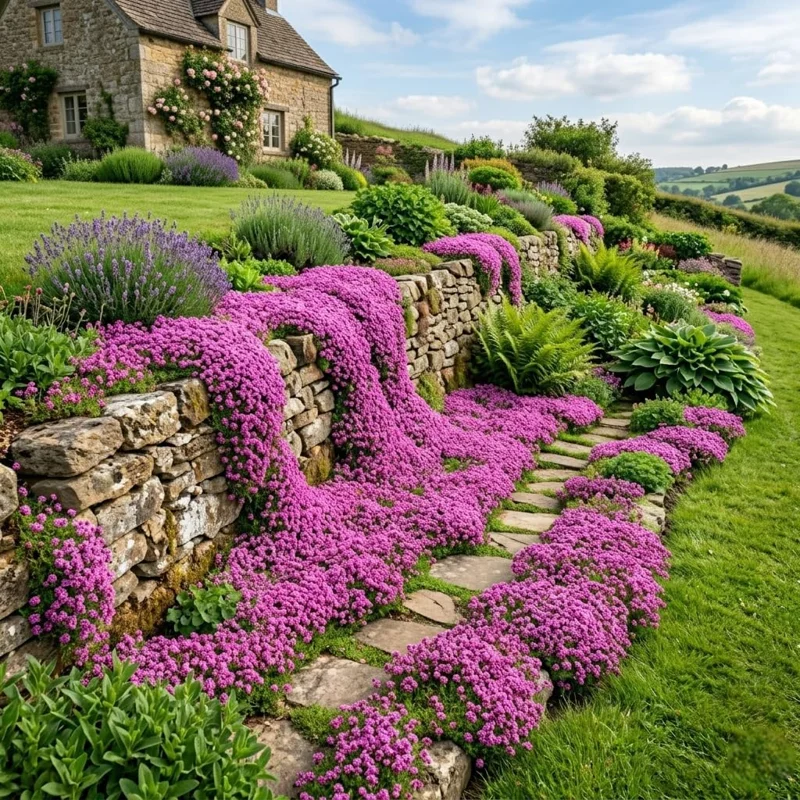
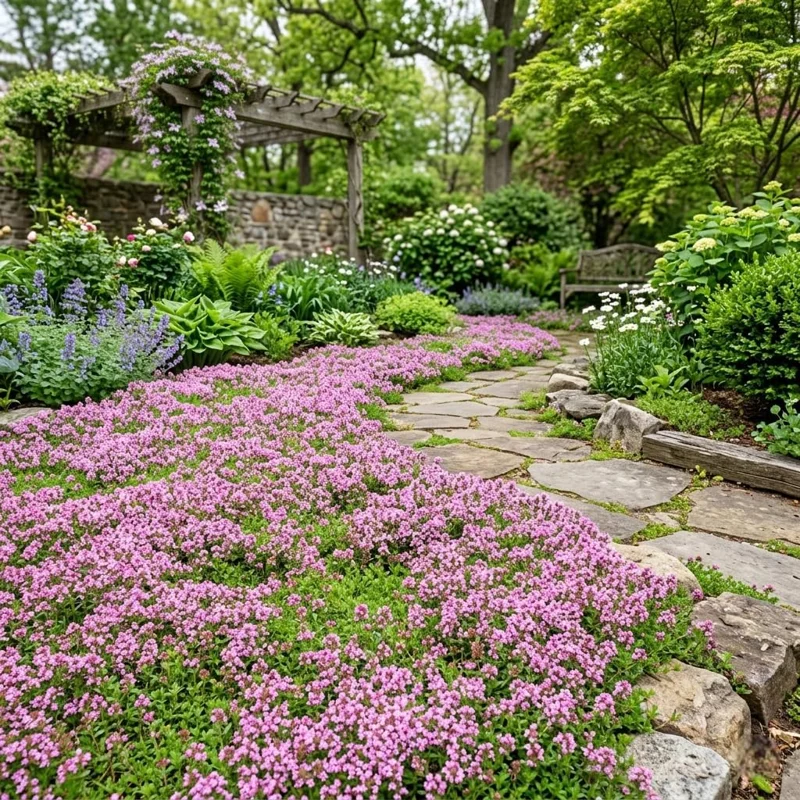
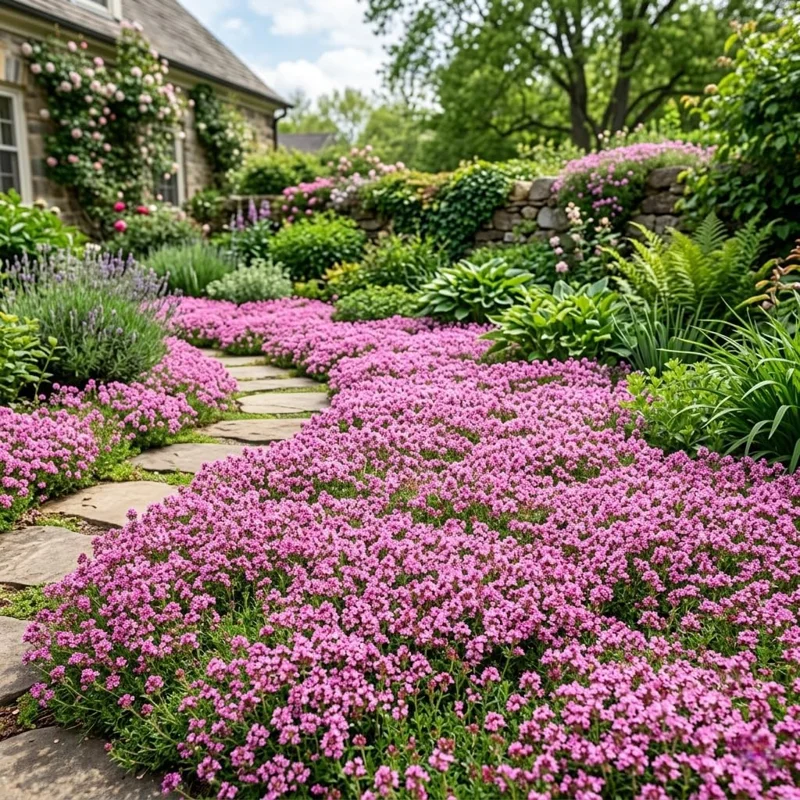
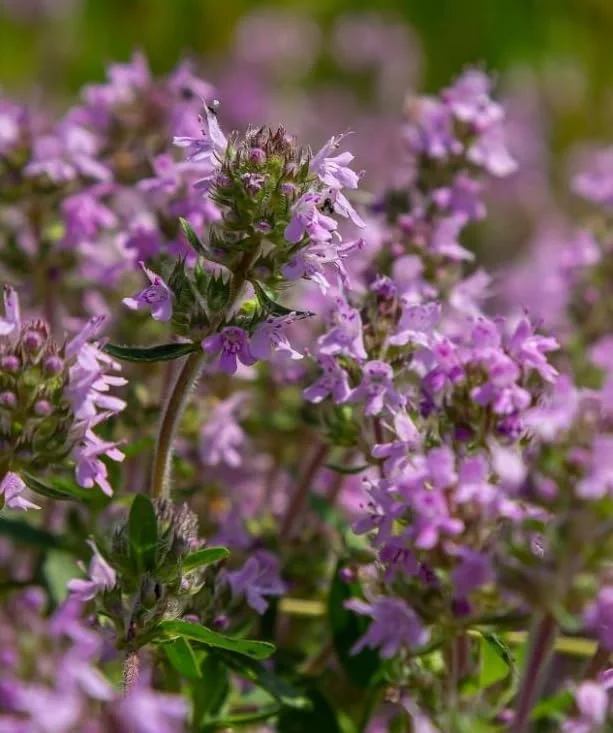
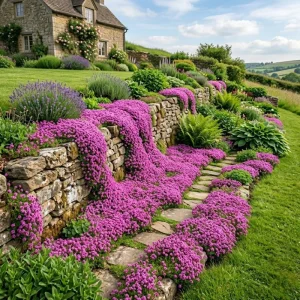
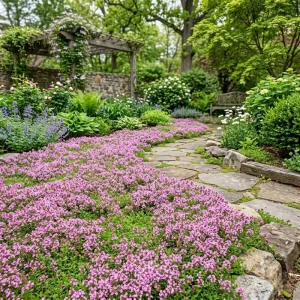
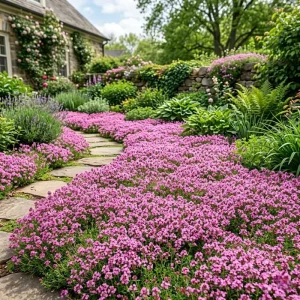
Transform your garden into a lush, fragrant oasis with our premium dwarf creeping thyme seeds. This exceptional choice creates a visually appealing ground cover that boasts a dense mat of tiny, charming pink flowers, turning your outdoor space into a tapestry of color. Often known as pink creeping thyme, this variety is perfect for filling in gaps between stepping stones, cascading over rock walls, or serving as a low-maintenance lawn alternative. Growing from dwarf creeping thyme seeds offers the satisfaction of cultivating a beautiful, hardy perennial that enhances curb appeal and provides a soft, inviting texture to any outdoor space. Its delicate foliage also releases a pleasant aroma when brushed against, adding another sensory dimension to your garden experience. These wild thyme seeds are specifically selected for their vigorous growth and ability to thrive in various conditions, making them suitable for gardeners of all skill levels. Once established, this thyme ground cover requires minimal care, making it an excellent choice for those seeking beauty without constant upkeep. The vibrant pink blooms attract pollinators, contributing to a healthier garden ecosystem. Whether you’re aiming to create a charming cottage garden look or seeking an erosion-control solution for sloped areas, these dwarf creeping thyme seeds provide an effective and beautiful answer.
Key Benefits
Planting dwarf creeping thyme seeds offers a multitude of advantages for your garden and landscape:
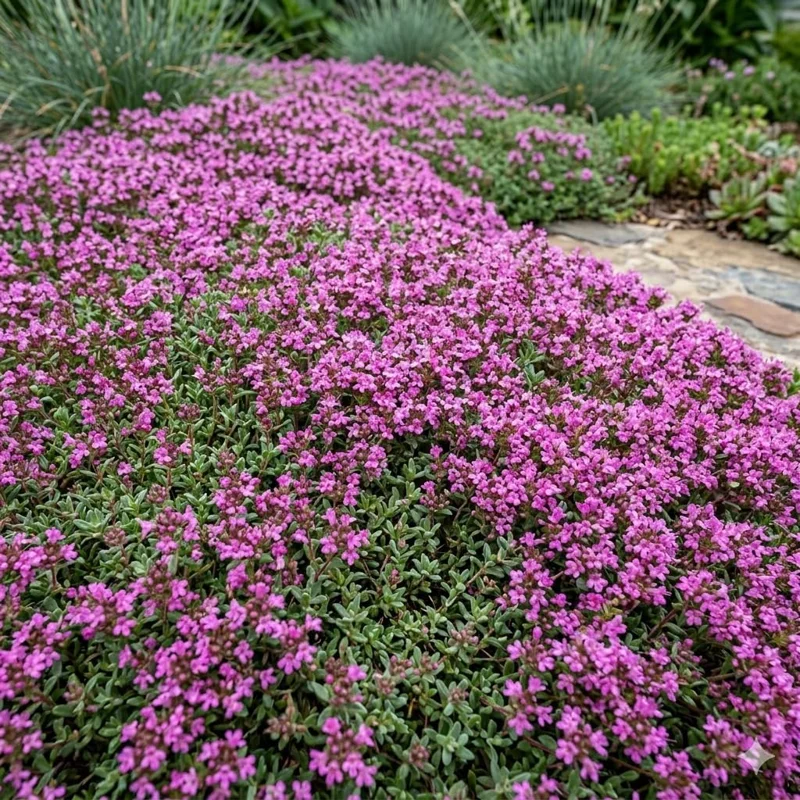
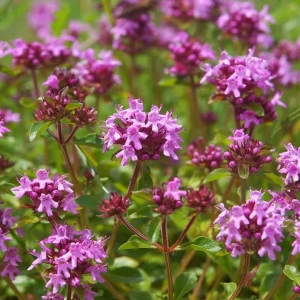
- Vibrant Pink Blooms: Enjoy a stunning display of tiny, bright pink flowers that create a colorful and charming carpet, perfect for enhancing pathways, borders, and rock gardens. The prolific blooming period adds significant aesthetic value to your outdoor areas. This makes your thyme ground cover visually stunning.
- Excellent Ground Cover: These pink creeping thyme seeds develop into a dense, low-growing mat that effectively suppresses weeds and prevents soil erosion, maintaining a neat and tidy appearance with minimal effort. It’s a fantastic alternative to traditional lawns in certain areas, providing an attractive and functional solution.
- Hardy Perennial: As robust perennial thyme seeds, creeping thyme reliably returns year after year, offering long-lasting beauty and reducing the need for annual replanting. It’s built to withstand a range of environmental conditions, ensuring a durable landscape feature.
- Low Maintenance: Once established, this plant is incredibly drought-tolerant and requires very little watering or special care, making it an ideal choice for busy gardeners or those in arid climates. Its resilience contributes to its popularity and ease of growth.
- Fragrant Foliage: The delicate leaves of creeping thyme release a pleasant, subtle fragrance when walked upon or disturbed, adding an aromatic dimension to your garden experience. This natural scent can be quite delightful and inviting.
- Attracts Pollinators: The abundant pink flowers are a magnet for bees and other beneficial pollinators, supporting local ecosystems and contributing to the health of your garden. This makes your garden a haven for essential insects, promoting biodiversity.
- Versatile Landscaping Use: Ideal for a variety of garden applications, including rock gardens, borders, pathways, between pavers, and as a lawn substitute, providing flexible design options for your outdoor space. These dwarf creeping thyme seeds offer endless possibilities.
Plant Care & Growing Tips
Growing dwarf creeping thyme seeds is a rewarding experience, as this plant is known for its hardiness and adaptability. To ensure successful germination and vigorous growth, prepare a well-draining soil bed. While creeping thyme can tolerate various soil types, it thrives best in sandy or loamy soil with good drainage. Avoid heavy, waterlogged soils, which can lead to root rot. For optimal growth, ensure the planting area receives full sun, meaning at least 6-8 hours of direct sunlight per day. It can also tolerate partial shade, but flowering may be less prolific in shadier conditions.
Sow the perennial thyme seeds directly outdoors in spring after the last frost, or indoors 6-8 weeks before the last frost. Lightly press the tiny seeds into the soil surface; do not cover them deeply as they need light to germinate. Keep the soil consistently moist until germination occurs, which typically takes 14-21 days. Once established, creeping thyme is remarkably drought-tolerant and requires minimal watering. Water deeply but infrequently, allowing the soil to dry out between waterings. Fertilization is generally not necessary for wild thyme seeds once they are established, especially if planted in reasonably fertile soil. In poor soils, a light application of a balanced, slow-release granular fertilizer in early spring can be beneficial. These plants are hardy in USDA Zones 3-8, making them suitable for a wide range of climates. Expected plant height is low-growing, typically only a few inches high, creating a dense, spreading mat.
Size & Details
These dwarf creeping thyme seeds provide an excellent start for a beautiful, low-growing ground cover. Each packet contains a generous quantity of seeds, ensuring you have plenty to establish a significant area of coverage. The plants typically grow to a low height, forming a dense, spreading mat just a few inches tall, making them perfect for creating a carpet-like effect. Creeping thyme is known for its moderate growth rate, establishing a good spread within the first growing season. Blooms can be expected in late spring to early summer, with the vibrant pink flowers lasting for several weeks. These perennial thyme seeds are packaged for optimal viability, ready for you to sow and cultivate. The plant’s mature spread can be quite extensive, creating a beautiful and fragrant living carpet, offering an ideal thyme ground cover solution.
Frequently Asked Questions
- Q: How big does pink creeping thyme get? A: This variety typically grows very low to the ground, forming a dense mat just a few inches in height. It spreads horizontally, making it an excellent ground cover rather than a tall plant.
- Q: Is this plant suitable for my USDA Hardiness Zone? A: Yes, these perennial thyme seeds are hardy in USDA Zones 3-8, making them adaptable to a wide range of climates across the United States. They can withstand various temperatures and return each year.
- Q: How much sunlight do dwarf creeping thyme seeds need? A: For the best flowering and growth, plant your seeds in an area that receives full sun (6-8 hours of direct sunlight daily). It can tolerate partial shade but may produce fewer blooms.
- Q: Is wild thyme seeds low maintenance? A: Absolutely! Once established, this plant is remarkably drought-tolerant and requires minimal watering and care, making it an excellent choice for busy gardeners or those seeking an easy-to-grow option.
- Q: When is the best time to plant these seeds? A: The best time to sow these seeds outdoors is in the spring after all danger of frost has passed. For an earlier start, you can begin them indoors 6-8 weeks before the last expected frost.
- Q: Can I use pink creeping thyme as a lawn alternative? A: Yes, its low-growing habit and ability to withstand some foot traffic make it an excellent, fragrant, and beautiful alternative to traditional lawns in certain areas, particularly for smaller spaces or pathways. It creates a soft, green, and flowering carpet.
- Q: What kind of soil is best for dwarf creeping thyme seeds? A: Creeping thyme thrives best in well-draining soil, such as sandy or loamy soil. Good drainage is crucial to prevent root rot, ensuring healthy growth for your plants.
- Q: How long does it take for the seeds to germinate? A: Germination typically takes 14-21 days. It’s important to keep the soil consistently moist during this period, and ensure the seeds receive light as they should not be covered deeply.
- Q: Will this thyme ground cover attract pollinators? A: Yes, the abundant pink flowers of creeping thyme are a magnet for bees and other beneficial pollinators, contributing to a healthier garden ecosystem and supporting local wildlife.
- Q: How many seeds are included in a packet? A: Each packet provides a generous quantity of approximately 50,000 seeds, designed to cover a substantial area, allowing for a dense and beautiful ground cover.
Be the first to review “Dwarf Creeping Thyme Seeds – 50,000 Pink Flowering Ground Cover Perennial”
People Also Viewed




Vegetable Seeds
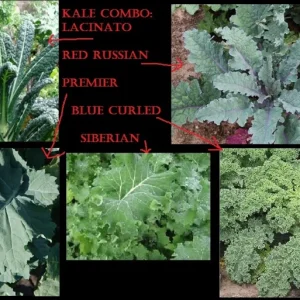
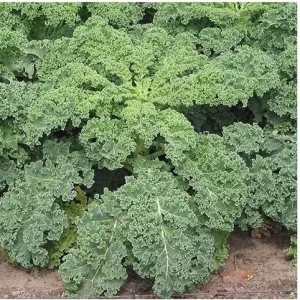
Kale Seeds Combo Pack – Lacinato, Red Russian, Blue Curled, Siberian Premier – 100 Seeds Each
Sold 55 products
$18.24
Succulents
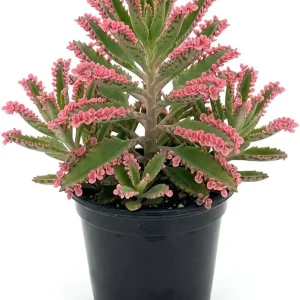
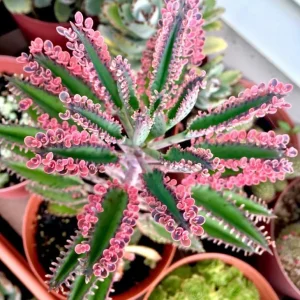
Kalanchoe Pink Butterfly Live Plant – Mother of Thousands Succulent – 2 inch Pot – Pink Leaves
Sold 64 products
Original price was: $27.98.$13.99Current price is: $13.99.







Reviews
There are no reviews yet.