
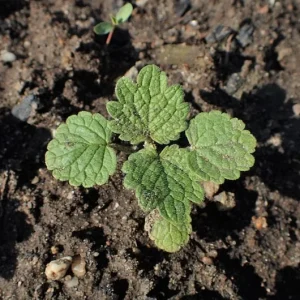
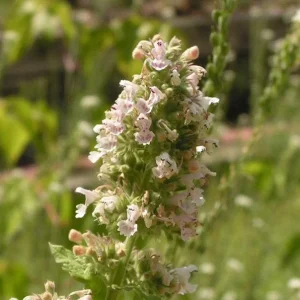
Catnip Live Plant – 4 inch Pot – Indoor/Outdoor – Attracts Cats-SHIP NO POT
Original price was: $25.98.$9.99Current price is: $9.99.
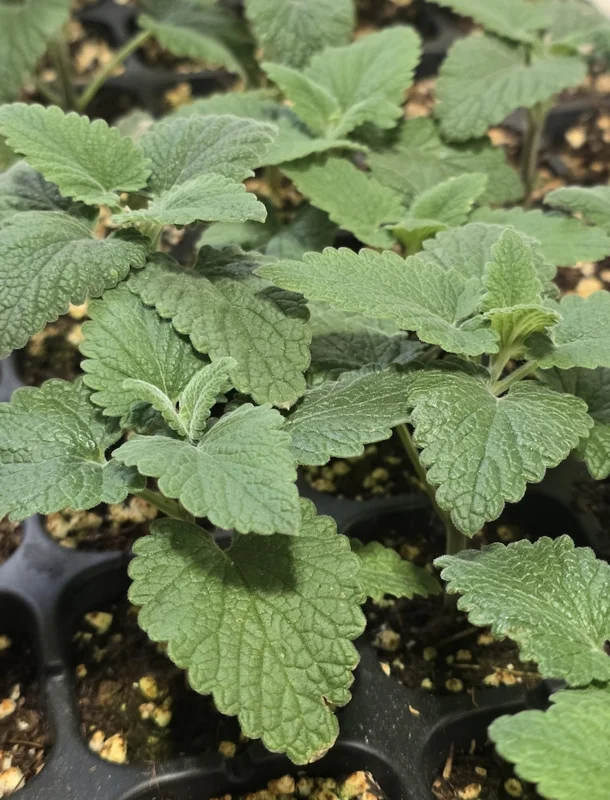
Introduce the joy of fresh catnip live plant to your home or garden. This nepeta cataria plant comes in a 4 inch pot, ready to thrive. Known for its irresistible allure to felines, it’s also a beneficial herb and natural pest deterrent. Perfect for pet owners and gardening enthusiasts alike.
-
USDA Hardiness Zone
USDA zones 3-9 -
Soil Type
Well-draining, average to poor soil -
Sunlight Exposure
Full sun to partial shade -
Expected Planting Period
Spring to early summer outdoors, year-round indoors

You can track your order HERE
Oct 18
Oct 23 - Oct 25
Oct 28 - Nov 01
Shipping and return policies: Our Alive & Thrive Guarantee covers issues with your plants within the first 30 days. Reach out to us. Our team will answer your questions and help you find the plants that are truly suitable for your environment, climate, and personal preferences.

Overview
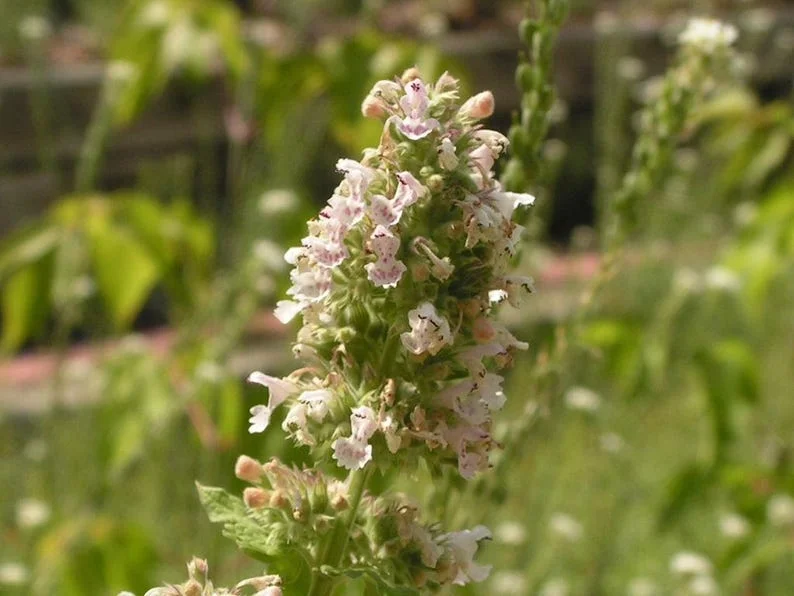
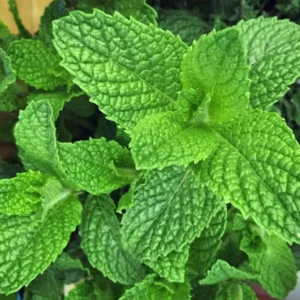
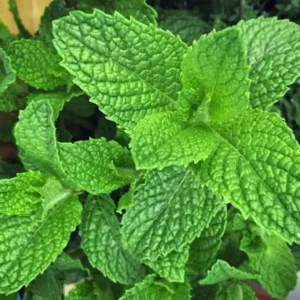
Discover the delightful world of catnip live plant, a beloved herb known for its captivating effect on cats and its versatile uses in the garden. Scientifically known as Nepeta cataria, this perennial herb is a member of the mint family, characterized by its soft, velvety, heart-shaped leaves and spikes of small, delicate flowers. Our catnip live plant arrives in a convenient 4 inch pot, making it easy to transplant into your garden, a larger container, or even keep on a sunny windowsill indoors. It’s an excellent choice for both experienced gardeners and beginners looking to add a touch of natural charm and utility to their space. Beyond its famous feline attraction, catnip is a robust and low-maintenance plant that can also serve as a natural insect repellent, making it a valuable addition to any organic gardening effort. Enjoy watching your feline friends interact with this stimulating plant, or simply appreciate its fresh, minty aroma and attractive foliage.
This particular nepeta cataria plant is ready to flourish in a variety of settings, whether you’re aiming to create a dedicated cat garden, a fragrant herb bed, or a charming indoor display. The plant’s vigorous growth habit means you’ll soon have an abundant supply of fresh catnip for your pets, or for use in teas and other herbal preparations. Its resilience and adaptability make it a fantastic choice for many climates across the United States. Providing a natural source of enrichment for cats, this herb is a safe and enjoyable treat that can encourage play and relaxation. Bring home a catnip live plant today and enhance your living space with its unique qualities.
Key Benefits
A catnip live plant offers a multitude of advantages for both gardeners and pet owners, making it a truly unique addition to any home or garden. Its distinct properties provide both aesthetic appeal and practical benefits.
- Feline Enrichment: The most famous benefit, this nepeta cataria plant contains nepetalactone, a compound that stimulates cats, often leading to playful behavior, rolling, and purring. It provides a natural and safe source of entertainment and stress relief for your beloved pets.
- Natural Pest Repellent: Beyond its appeal to cats, catnip is known for its ability to deter various garden pests, including mosquitoes, aphids, and squash bugs. Planting it near other garden plants can help protect them naturally.
- Easy to Grow & Maintain: This herb is remarkably hardy and low-maintenance, thriving in a variety of conditions. It’s an ideal choice for beginner gardeners or those seeking a plant that requires minimal fuss.
- Aromatic & Ornamental: The fresh, minty scent of catnip leaves is pleasant to humans, and its grayish-green foliage and lavender-like flowers add a lovely aesthetic to herb gardens, borders, or containers.
- Versatile Use: While primarily known for cats, catnip leaves can also be harvested for human use in herbal teas, known for their calming properties. This adds another layer of utility to your garden.
- Fast Growing: Catnip grows quickly, ensuring you’ll have a continuous supply of fresh leaves for your feline friends or for other uses throughout the growing season.
- Attracts Beneficial Insects: While deterring some pests, the flowers of the catnip live plant also attract beneficial pollinators like bees, contributing to a healthier garden ecosystem.
Plant Care & Growing Tips
Caring for your catnip live plant is straightforward, as it’s a remarkably resilient and adaptable herb. To ensure vigorous growth and abundant foliage, understanding its basic needs is key. Catnip thrives in full sun, meaning it prefers at least six hours of direct sunlight per day. However, it can tolerate partial shade, especially in hotter climates where afternoon shade can prevent scorching. If growing indoors, place your nepeta cataria plant in a south-facing window where it will receive ample light throughout the day. Rotate the pot occasionally to ensure even growth.
When it comes to watering, catnip prefers consistently moist but not waterlogged soil. Allow the top inch or two of soil to dry out between waterings. Overwatering can lead to root rot, so good drainage is crucial. For outdoor planting, ensure the soil is well-draining. For potted plants, use a container with drainage holes and a high-quality potting mix. Catnip is not particularly fussy about soil type, but it performs best in well-drained, average to poor soil. Avoid overly rich soil, as this can lead to leggy growth and reduced potency of the nepetalactone. The ideal temperature range for catnip live plant is between 60-85°F (15-29°C). It is generally hardy in USDA zones 3-9, meaning it can tolerate a wide range of winter temperatures.
Fertilization is rarely necessary for catnip, especially if grown in the ground. If your plant appears to be struggling or is in a pot for an extended period, a light application of a balanced, all-purpose liquid fertilizer at half strength once a month during the growing season can be beneficial. Pruning is important for maintaining a bushy shape and encouraging new growth. Pinch back the plant regularly to prevent it from becoming leggy and to encourage branching. You can also deadhead spent flower spikes to prevent self-seeding, as catnip can spread aggressively if not managed. Watch out for common pests like spider mites or whiteflies, especially in dry, indoor environments. A strong spray of water or an insecticidal soap can help manage these issues. Learning about catnip plant care will ensure a thriving, healthy specimen.
Size & Details
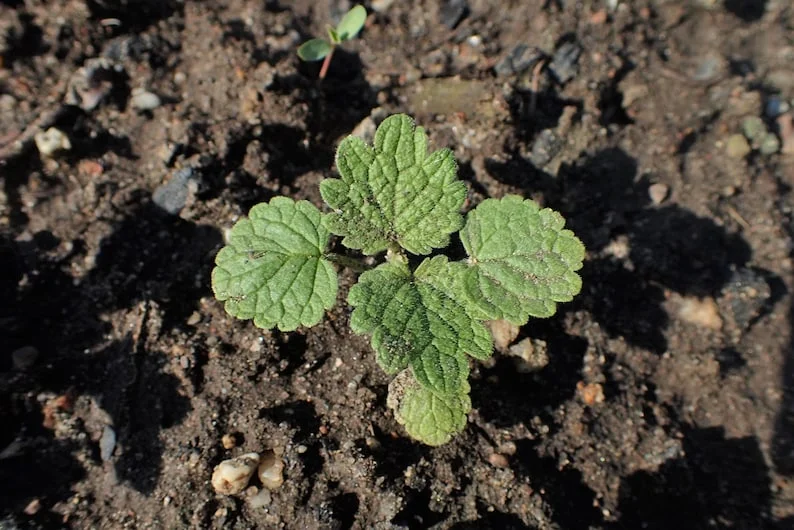
This catnip live plant is provided in a 4 inch pot, offering a well-established root system ready for transplanting or continued growth in its current container. At the time of shipping, the plant typically stands between 4-8 inches tall, depending on its growth stage, and will quickly grow larger with proper care. Catnip is a fast-growing perennial herb, and when mature, it can reach heights of 2-3 feet (60-90 cm) tall and spread equally wide, forming a bushy mound. Its growth rate is considered rapid, allowing you to enjoy a full-sized plant within a single growing season under optimal conditions. The plant ships as a live, actively growing specimen, carefully packaged to ensure its safe arrival. It’s an excellent choice for those interested in growing catnip indoors or integrating it into an outdoor herb garden.
The plant’s vibrant green foliage and characteristic scent will be evident upon arrival. The 4-inch pot size makes it an ideal starter plant, providing enough space for initial growth while remaining compact enough for easy handling and placement. Expect your catnip to develop small, often lavender to white flowers in late spring to early summer, which are attractive to pollinators. The plant’s hardiness and adaptability mean it will establish quickly in its new environment, providing a continuous supply of fresh leaves for your feline companions or for personal use. This fresh catnip for cats is a cost-effective and rewarding way to provide natural enrichment.
Frequently Asked Questions
- Q: How big does this catnip plant get? A: This catnip live plant typically arrives in a 4 inch pot and can grow to be 2-3 feet tall and wide at maturity when planted in the ground or a larger container. Its size depends on growing conditions and pruning.
- Q: Is this an indoor or outdoor plant? A: Catnip is versatile and can thrive both indoors and outdoors. Outdoors, it’s a hardy perennial. Indoors, place it in a sunny window for best results, making it ideal for growing catnip indoors.
- Q: How much sunlight does the catnip plant need? A: Your nepeta cataria plant prefers full sun, meaning at least 6 hours of direct sunlight daily. It can tolerate partial shade, especially in hot climates, but may not be as vigorous.
- Q: Is this catnip plant easy to care for? A: Yes, catnip is known for being a very easy-to-care-for and low-maintenance plant, making it perfect for beginners. It’s resilient and adaptable to various conditions. This makes catnip plant care quite simple.
- Q: What condition will the plant arrive in? A: Your catnip live plant will arrive as a healthy, actively growing plant in its 4-inch nursery pot, carefully packaged to minimize stress during transit. Some minor leaf yellowing might occur due to shipping but it will recover quickly.
- Q: Is this plant safe for cats to consume? A: Yes, catnip is generally considered safe for cats to consume in moderation. It’s a natural herb that provides stimulation and can encourage playful behavior or relaxation. This is excellent fresh catnip for cats.
- Q: When is the best time to plant catnip outdoors? A: The best time to plant catnip outdoors is in the spring after the last frost, or in early fall. This allows the plant to establish its root system before extreme weather.
- Q: What type of soil does catnip prefer? A: Catnip prefers well-draining soil and is not particular about soil fertility. Average to poor soil is often preferred over overly rich soil, which can lead to leggy growth.
- Q: Will this catnip attract other animals besides cats? A: While primarily known for attracting cats, catnip flowers can also attract beneficial pollinators like bees. It is also known to deter some garden pests.
- Q: How often should I water my catnip plant? A: Water your catnip live plant when the top inch or two of soil feels dry to the touch. It prefers consistently moist but not waterlogged conditions. Reduce watering in cooler months.

















%20–%204%20inch%20Pot%20–%20Outdoor%20Shrub&url=https://gardennursery.net/product/dappled-willow-live-plant-hakuro-nishiki-4-inch-pot-outdoor-shrub/&media=https://img.gardennursery.net/2026/01/dappled-willow-live-plant-hakuro-nishiki-4-inch-po.webp)


Reviews
There are no reviews yet.