
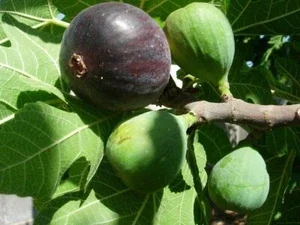
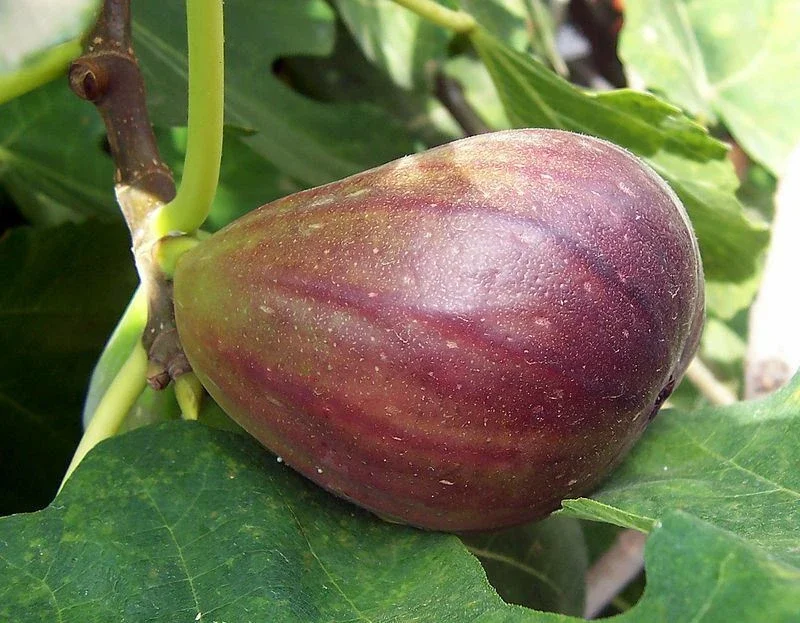
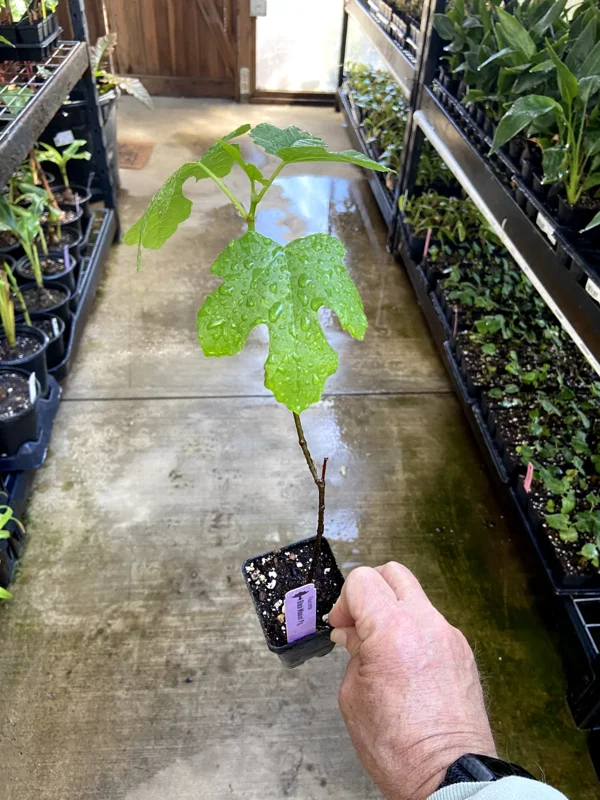
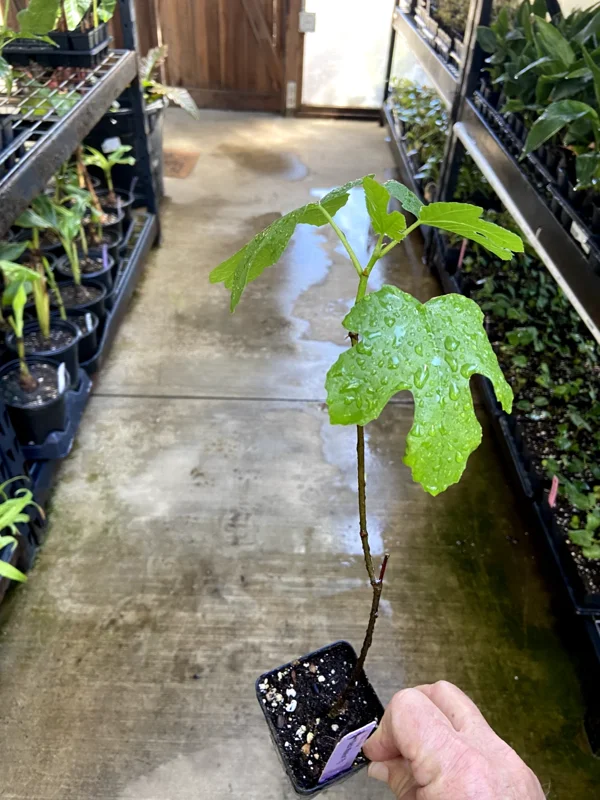
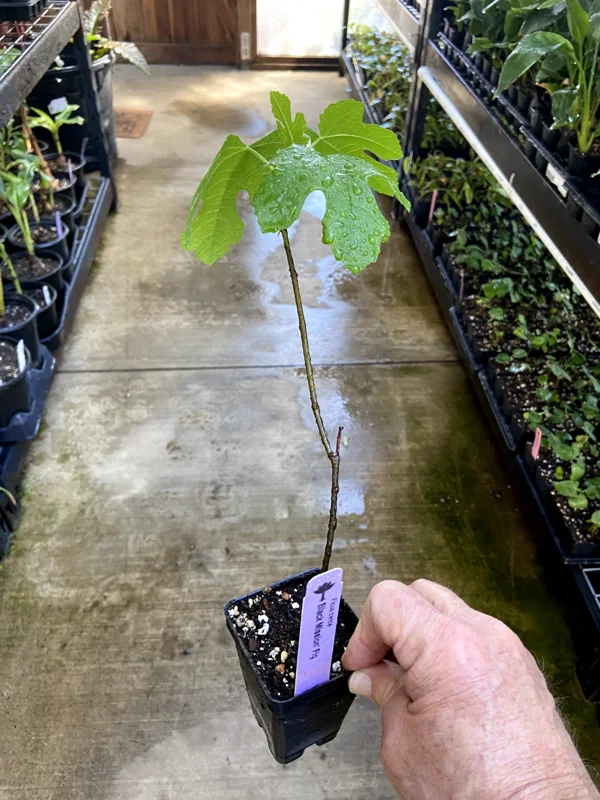
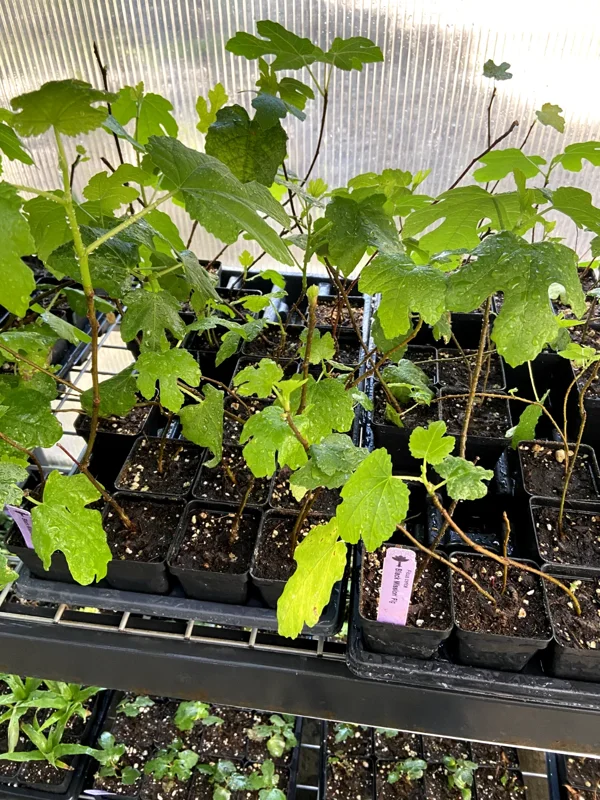
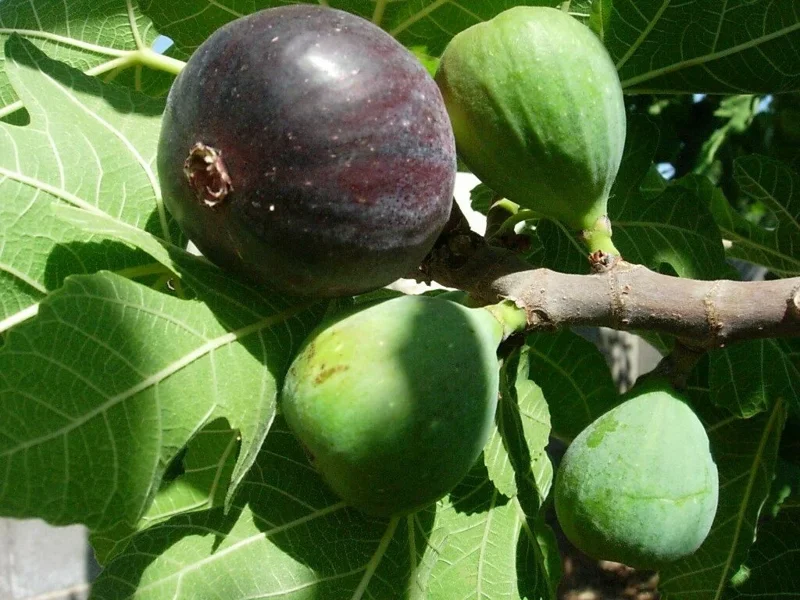
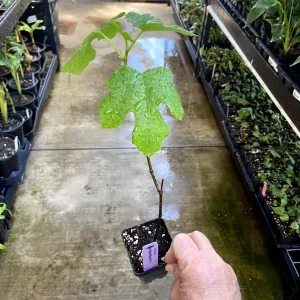
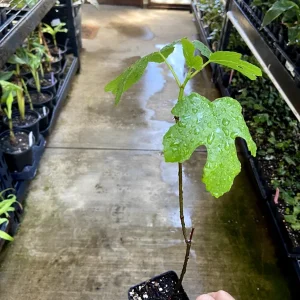
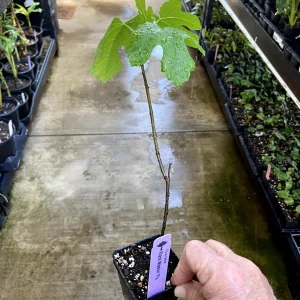
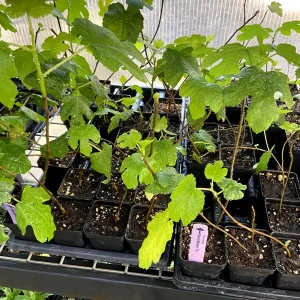
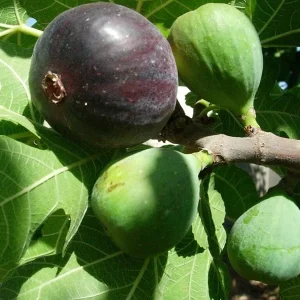
Black Mission Fig Tree Live Plant – Fruiting Ficus Carica – Outdoor Edible
$17.98
Cultivate your own sweet harvest with this Black Mission Fig Tree live plant. Known for its dark, rich, and flavorful fruit, this edible fig plant (Ficus Carica) is a robust choice for outdoor gardens. Enjoy fresh figs straight from your backyard.
-
USDA Hardiness Zone
USDA zones 8-10 -
Soil Type
Well-draining, rich in organic matter -
Sunlight Exposure
Full sun -
Expected Planting Period
Spring to early summer

You can track your order HERE
Oct 19
Oct 24 - Oct 26
Oct 29 - Nov 02
Shipping and return policies: Our Alive & Thrive Guarantee covers issues with your plants within the first 30 days. Reach out to us. Our team will answer your questions and help you find the plants that are truly suitable for your environment, climate, and personal preferences.

Overview
Bring the joy of homegrown fruit to your garden with a Black Mission Fig Tree live plant. Renowned for its exceptionally sweet and dark-skinned fruit, the ‘Black Mission’ fig is a classic variety cherished by gardeners and culinary enthusiasts alike. This fruiting Ficus Carica cultivar is a vigorous grower, offering a bountiful harvest of delicious figs perfect for fresh eating, preserves, or baking. Whether you’re an experienced gardener or just starting, this Black Mission Fig Tree live plant provides an enjoyable and rewarding growing experience, transforming your outdoor space into a productive orchard.
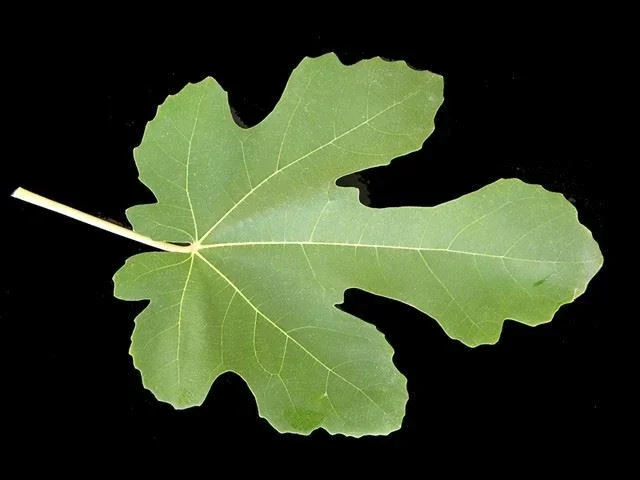
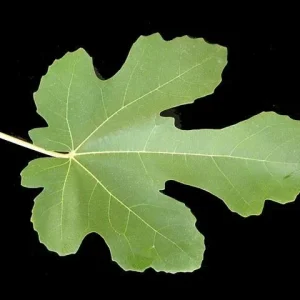
The ‘Black Mission’ fig is a versatile and beautiful addition to any landscape. Its large, lobed leaves provide ample shade and a tropical aesthetic, while the promise of succulent fruit adds an exciting dimension to your garden. This particular variety is well-suited for a range of climates, demonstrating resilience and adaptability. Enjoy the satisfaction of picking your own sweet figs, knowing exactly where your food comes from.
Key Benefits
The Black Mission Fig Tree live plant offers numerous advantages for the home gardener, combining aesthetic appeal with delicious, healthy fruit.
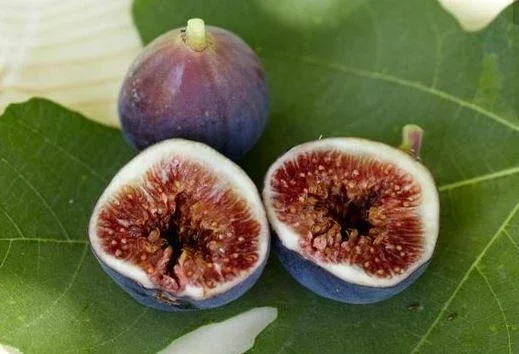
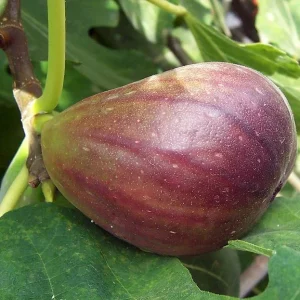
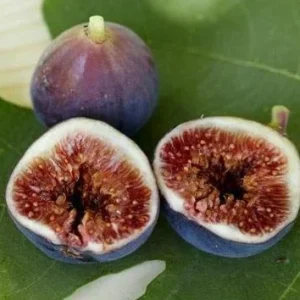
- Produces Delicious Fruit: The primary benefit is the abundant yield of sweet, dark purple to black figs with a rich, jam-like interior. These figs are highly prized for their flavor and can be enjoyed fresh, dried, or used in various culinary applications. Growing your own ensures the freshest possible taste.
- Attractive Ornamental Tree: Beyond its fruit, the fig tree itself is a beautiful specimen with large, distinctive foliage that adds a Mediterranean or tropical feel to your garden or patio. It makes an excellent focal point.
- Relatively Easy to Grow: Fig trees are known for their hardiness and adaptability, making them a good choice for both novice and experienced gardeners. They are generally low-maintenance once established.
- Deer-Resistant: A significant advantage for many gardeners is that fig trees are often considered deer-resistant, helping to protect your valuable harvest from local wildlife.
- Versatile Planting Options: This edible fig plant can be grown in the ground in suitable climates or successfully cultivated in large containers, making it adaptable for various garden sizes and outdoor spaces.
- Long Harvest Season: ‘Black Mission’ fig trees typically produce two crops per year in ideal conditions, offering an extended period to enjoy fresh figs from late spring through fall.
- Brings Mediterranean Charm: The presence of a Ficus Carica in your garden evokes images of sunny Mediterranean landscapes, adding a touch of exotic beauty and a relaxed ambiance.
Plant Care & Growing Tips
Caring for your Black Mission Fig Tree live plant is straightforward if you provide the right conditions. This deciduous tree thrives in areas with plenty of sunlight. It requires at least 6-8 hours of full sun per day to produce the best fruit. In hotter climates, some afternoon shade can be beneficial to prevent scorching. For watering, aim for medium moisture. Fig trees prefer consistently moist, but not waterlogged, soil, especially during fruiting periods. Allow the top few inches of soil to dry out between waterings.
The ideal soil for a Ficus Carica benefits from being well-draining and rich in organic matter. A slightly acidic to neutral pH (6.0-7.0) is preferred. If planting in a pot, use a high-quality potting mix. Fertilize your fig tree in early spring before new growth begins, using a balanced slow-release fertilizer or one formulated for fruit trees. Avoid excessive nitrogen, which can promote leafy growth over fruit production. Pruning should be done in late winter while the tree is dormant to remove dead or crossing branches and to shape the tree for better light penetration and air circulation. Regularly check for common pests like spider mites or fig rust, and address them promptly with organic pest control methods if necessary.
This fig tree is suitable for a wide range of climates (tropical, temperate, sub-tropical, Mediterranean, Marine West Coast, Humid Subtropical), but performs best in USDA Zones 8-10. In colder zones, it can be grown in containers and moved indoors during winter, or given significant winter protection. Proper care ensures a healthy tree and an abundant harvest, making the effort of growing Black Mission figs truly worthwhile.
Size & Details
This offering is for one Black Mission Fig Tree live plant, typically shipped as a healthy seedling ready for planting. While exact dimensions can vary based on the season and growth stage, these young trees are generally well-rooted and robust, prepared for successful establishment in your garden. When mature, a ‘Black Mission’ fig tree can reach heights of 10-30 feet with a similar spread, though it can be kept smaller with regular pruning, especially if grown in a container. The tree has a medium watering requirement, preferring consistent moisture without being waterlogged. It is a deciduous variety, meaning it will lose its broadleaf foliage in the fall and winter, entering a dormant state before re-emerging with new growth in spring.
The ‘Black Mission’ fig is a highly productive variety, and with proper care, you can expect fruit production within a few years. It is an outdoor plant that thrives in full sun conditions, making it an excellent choice for a sunny spot in your yard or on a large patio. Its edible fruit and deer-resistant nature add to its appeal. This plant ships as a single unit, ready for you to begin your journey with this wonderful outdoor fig tree care project.
Frequently Asked Questions
- Q: How big does the Black Mission Fig Tree live plant get? A: A mature ‘Black Mission’ fig tree can grow to be 10 to 30 feet tall and wide. However, its size can be managed with pruning, and it can be kept smaller, especially when grown in a container.
- Q: Is this an indoor or outdoor plant? A: The Black Mission Fig Tree live plant is primarily an outdoor plant. It thrives in full sun and is best suited for planting in the ground in warmer climates or in large containers that can be moved indoors in colder regions.
- Q: How much sunlight does the Ficus Carica benefits from? A: This fig tree requires at least 6-8 hours of direct full sun per day to produce the most abundant and flavorful fruit. Adequate sunlight is crucial for fruit development.
- Q: What condition will the plant arrive in? A: Your Black Mission Fig Tree live plant will arrive as a healthy seedling, carefully packaged to ensure its safe transit. It will be well-rooted and ready for planting upon arrival.
- Q: Is this edible fig plant easy to care for? A: Yes, ‘Black Mission’ fig trees are relatively easy to care for. They are quite hardy and adaptable, making them a good choice for gardeners of various skill levels, provided their basic needs for sun and water are met.
- Q: When is the best time to plant a ‘Black Mission’ fig tree? A: The best time to plant your fig tree is in the spring after the last frost, or in early fall in warmer climates. This allows the plant to establish its root system before extreme temperatures.
- Q: Can I grow this fig tree in a container? A: Absolutely! The ‘Black Mission’ fig tree is an excellent candidate for container growing, especially if you live in a colder climate and need to bring it indoors during winter, or if you have limited garden space. Choose a large pot with good drainage.
- Q: How long until my outdoor fig tree care efforts result in fruit? A: Typically, a young ‘Black Mission’ fig tree will start producing fruit within 2-3 years after planting. Production will increase as the tree matures.
- Q: What kind of soil does this tree prefer? A: This fig tree prefers well-draining soil that is rich in organic matter. A slightly acidic to neutral pH is ideal for optimal growth and fruit production.
- Q: Is this plant child and pet safe? A: The fruit of the fig tree is edible and safe for consumption. However, the sap from fig leaves and stems can be irritating to skin for some individuals and can cause mild upset stomachs in pets if ingested in large quantities, so supervision is advised.
Be the first to review “Black Mission Fig Tree Live Plant – Fruiting Ficus Carica – Outdoor Edible”
People Also Viewed
Trees
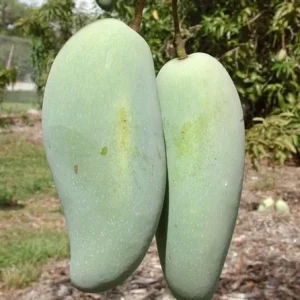
Brahm Kai Meu Mango Tree – Grafted Thai Green Sweet Mango Live Plant – 1 ft Tall – Ships in 6″ Pot
Sold 96 products
Original price was: $247.96.$123.98Current price is: $123.98.
Vegetables
Fried Chicken Super Hot Pepper Live Plants – 3 Pack, Established 75+ Day Old Plants, Outdoor/Indoor
Sold 72 products
$44.00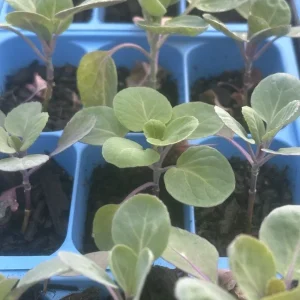




%20Outdoor%20Shrub&url=https://gardennursery.net/product/black-elderberry-live-plant-edible-berries-quart-pot-12-tall-outdoor-shrub/&media=https://img.gardennursery.net/2026/01/black-elderberry-live-plant-edible-berries-quart-p-532f6ccf.webp)


Reviews
There are no reviews yet.