
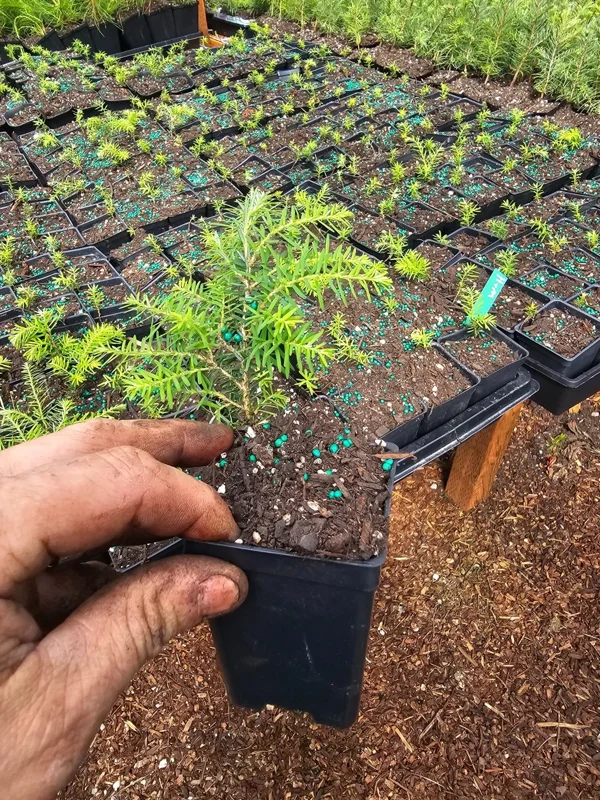
2-Pack Western Hemlock Tree Live Plant – Conifer Evergreen – 3″ Pot
Original price was: $49.00.$30.80Current price is: $30.80.
Bring natural beauty to your landscape with this western hemlock live plant 2-pack. Each conifer evergreen tree comes in a 3-inch pot, ready to thrive outdoors and add year-round greenery.
-
USDA Hardiness Zone
USDA zones 5-7 -
Soil Type
Well-draining, acidic to neutral, rich in organic matter -
Sunlight Exposure
Partial shade to full sun -
Expected Planting Period
Spring or early fall

You can track your order HERE
Sep 25
Sep 30 - Oct 02
Oct 05 - Oct 09
Shipping and return policies: Our Alive & Thrive Guarantee covers issues with your plants within the first 30 days. Reach out to us. Our team will answer your questions and help you find the plants that are truly suitable for your environment, climate, and personal preferences.

Overview
Introduce a touch of the Pacific Northwest to your garden with this exceptional western hemlock live plant 2-pack. The western hemlock live plant, scientifically known as Tsuga heterophylla, is a magnificent conifer evergreen tree renowned for its graceful, drooping leader and soft, flat needles. This offering includes two young, healthy specimens, each growing vigorously in a 3-inch pot, providing an excellent foundation for establishing these beautiful trees in your landscape. Ideal for creating natural privacy screens, adding a majestic focal point, or contributing to a native plant garden, the western hemlock thrives in cooler, moist climates, bringing a serene forest aesthetic to your outdoor space. These trees are known for their longevity and resilience, making them a rewarding addition for any gardener looking to cultivate a piece of nature’s grandeur.
The western hemlock live plant is a versatile choice, adaptable to various landscape designs. Its dense foliage provides excellent shelter for wildlife, and its elegant form makes it a standout specimen. Whether you’re a seasoned arborist or a budding enthusiast, these young trees offer a fantastic opportunity to observe the growth and development of a truly iconic North American species. Plan for its future growth, as a mature western hemlock can reach impressive heights, becoming a legacy plant for generations to come. This 2-pack ensures you have options for placement or can even share the joy of growing western hemlock with a friend.
Key Benefits
Integrating a western hemlock live plant into your garden offers numerous advantages, enhancing both the aesthetic and ecological value of your property. These conifer evergreen tree specimens are more than just pretty foliage; they contribute significantly to a healthy outdoor environment.
- Year-Round Greenery: As an evergreen, the western hemlock maintains its vibrant green needles throughout all seasons, providing consistent color and structure to your landscape, even in winter. This ensures your garden remains visually appealing year-round.
- Graceful Appearance: Known for its elegant, slender form and soft, feathery needles, the western hemlock adds a sophisticated and serene element to any outdoor setting. Its distinctive drooping top leader is a hallmark feature.
- Wildlife Habitat: The dense foliage and branching structure offer excellent shelter and nesting sites for various bird species and small animals, contributing to local biodiversity. This makes your garden a haven for nature.
- Privacy & Windbreak: When planted in rows or clusters, these trees can form effective natural screens, providing privacy from neighbors and acting as a windbreak, protecting more delicate plants and structures.
- Low Maintenance: Once established, the western hemlock tree care requirements are relatively low, making it an excellent choice for gardeners seeking a beautiful yet manageable tree. It’s quite self-sufficient in its preferred environment.
- Air Purification: Like all trees, western hemlocks contribute to air quality by absorbing carbon dioxide and releasing oxygen, helping to create a healthier environment around your home.
- Adaptability: While preferring specific conditions, the western hemlock is quite resilient and can adapt to various soil types and light conditions once properly established, making growing western hemlock a viable option for many.
Plant Care & Growing Tips
Successful western hemlock tree care begins with understanding its preferred environment and providing consistent attention, especially during its establishment phase. The western hemlock live plant thrives in cool, moist climates and prefers partial shade to full sun, particularly in areas with hot summer afternoons. In its natural habitat, it often grows as an understory tree, so protection from intense, scorching sun is beneficial, especially for young plants. Ensure it receives at least 4-6 hours of sunlight daily, with morning sun being ideal. While it can tolerate full sun in coastal or cooler regions, inland areas might require some afternoon shade to prevent needle scorch.
Watering is crucial for these young conifer evergreen tree specimens. Western hemlocks prefer consistently moist, but not waterlogged, soil. Water deeply 2-3 times per week during dry periods, especially in the first few years after planting. Reduce frequency as the tree matures and during cooler months. The best soil for growing western hemlock is well-draining, acidic to neutral, and rich in organic matter. Amending heavy clay soils with compost or peat moss can improve drainage and provide essential nutrients. Mulching around the base of the tree (keeping it away from the trunk) helps retain soil moisture, regulate temperature, and suppress weeds.
These trees are hardy in USDA zones 5-7, tolerating winter temperatures down to -20°F. Fertilization is generally not heavily required for established trees in good soil, but young plants can benefit from a balanced, slow-release evergreen fertilizer in early spring. Avoid over-fertilizing, which can damage the roots. Pruning is typically minimal, mainly for removing dead, damaged, or diseased branches. The natural pyramidal shape of the western hemlock usually requires little intervention. Watch out for common pests like hemlock woolly adelgid or diseases like root rot, which can occur in poorly drained soils. Prompt action can prevent serious issues and ensure your Tsuga heterophylla remains healthy.
Size & Details
This offering includes two individual western hemlock live plant specimens, each carefully cultivated and shipped in its own 3-inch nursery pot. At the time of shipping, these young conifer evergreen tree plants typically stand between 6 to 12 inches tall, measured from the base of the pot. Their compact size makes them easy to plant and establish, whether you’re adding them to a larger landscape project or growing them in containers initially. Western hemlocks exhibit a moderate growth rate, typically adding 1 to 2 feet in height per year under ideal conditions. When mature, a western hemlock tree care allows it to reach an impressive height of 100 to 150 feet, with a spread of 25 to 40 feet, developing into a majestic, conical tree. Allow ample space for future growth when selecting a permanent planting site. These plants are shipped as live, rooted specimens, ensuring a strong start for your garden project.
Frequently Asked Questions
- Q: How big does this western hemlock live plant get? A: Each plant is shipped in a 3-inch pot and is typically 6-12 inches tall. A mature western hemlock tree can reach impressive heights of 100 to 150 feet with a spread of 25 to 40 feet over many years, so plan its location carefully.
- Q: Is this an indoor or outdoor plant? A: The western hemlock live plant is an outdoor tree, best suited for landscape planting in USDA zones 5-7. It requires outdoor conditions to thrive and mature.
- Q: How much sunlight does it need? A: Western hemlocks prefer partial shade to full sun. In warmer climates or areas with intense afternoon sun, some afternoon shade is beneficial. Aim for at least 4-6 hours of sunlight daily.
- Q: Is this plant easy to care for? A: Once established, western hemlock tree care is relatively low maintenance. It requires consistent moisture, especially when young, and well-draining, acidic soil. It’s a good choice for those looking for a resilient evergreen.
- Q: What condition will the plants arrive in? A: Your western hemlock live plant 2-pack will arrive as healthy, live, rooted specimens in their individual 3-inch nursery pots, carefully packaged to ensure safe transit.
- Q: When is the best time to plant a conifer evergreen tree like this? A: The best time for growing western hemlock is in early spring or early fall, allowing the roots to establish before extreme summer heat or winter cold. Ensure the ground is not frozen when planting.
- Q: What type of soil is best for Tsuga heterophylla? A: Western hemlocks prefer moist, well-draining, acidic to neutral soil that is rich in organic matter. Avoid heavy clay soils that retain too much water, which can lead to root issues.
- Q: Will these trees survive winter in my zone? A: Western hemlocks are hardy in USDA Zones 5-7, meaning they can tolerate winter temperatures down to -20°F (-29°C). If you are in these zones, they should survive winter outdoors.
Be the first to review “2-Pack Western Hemlock Tree Live Plant – Conifer Evergreen – 3″ Pot”
People Also Viewed
Flower Plants
Sold 75 products
Original price was: $45.58.$26.98Current price is: $26.98.

Flower Plants
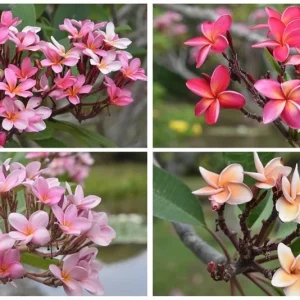
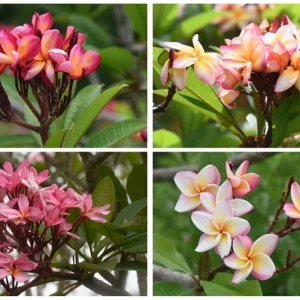
Plumeria Cuttings Variety Pack – 2 Unrooted Cuttings 12-16″ – Fragrant Tropical Flowers
Sold 92 products
Original price was: $49.97.$25.98Current price is: $25.98.
Sold 71 products
Original price was: $52.00.$41.60Current price is: $41.60.






Reviews
There are no reviews yet.