
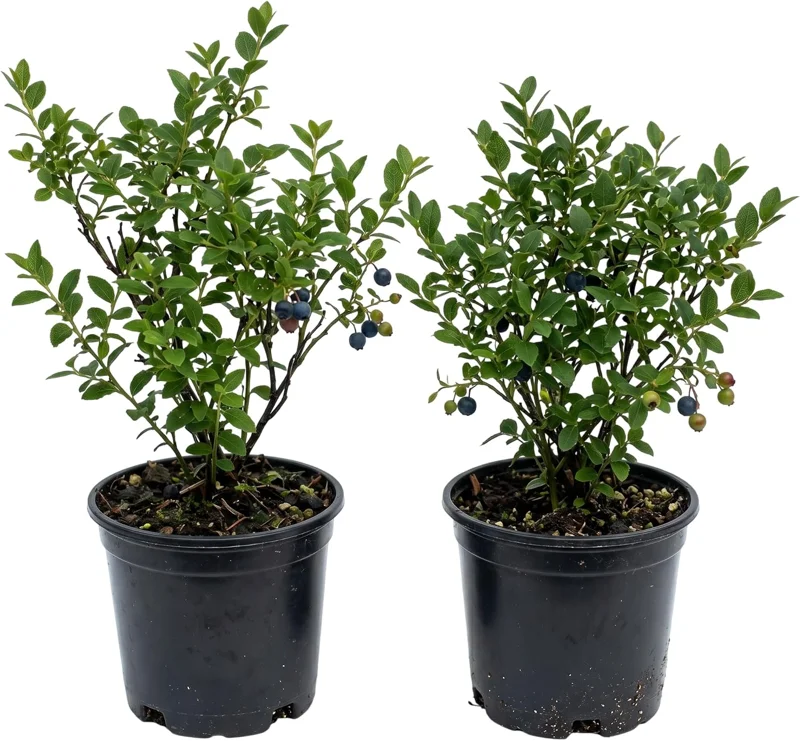
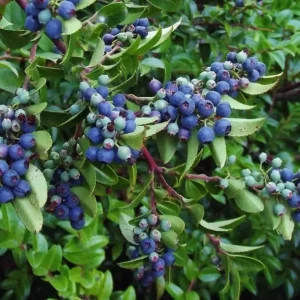
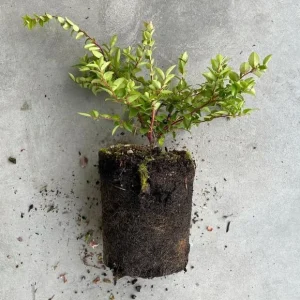
2-Pack Black Huckleberry Live Plant – Sweet Berries Shrub – 4 Inch Pot – Outdoor
Original price was: $59.98.$29.99Current price is: $29.99.
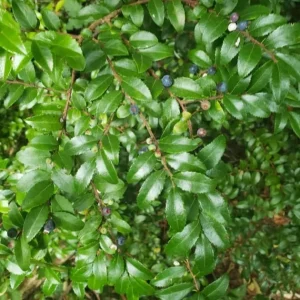
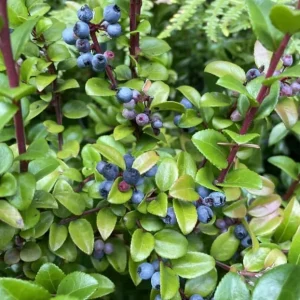
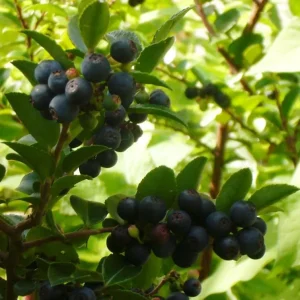
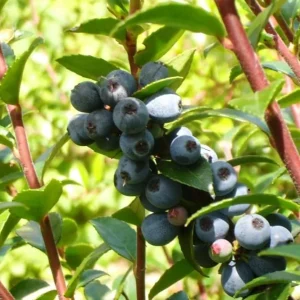
Bring the taste of the wild to your garden with this 2-pack black huckleberry live plant. These robust wild huckleberry shrubs yield abundant, sweet berries, perfect for fresh eating or preserves. Each plant comes in a 4-inch pot, ready for your edible landscape.
-
USDA Hardiness Zone
3-8 -
Soil Type
Well-drained, acidic soil (pH 4.5-5.5) -
Sunlight Exposure
Full sun to partial shade -
Expected Planting Period
Spring or early fall

You can track your order HERE
Sep 25
Sep 30 - Oct 02
Oct 05 - Oct 09
Shipping and return policies: Our Alive & Thrive Guarantee covers issues with your plants within the first 30 days. Reach out to us. Our team will answer your questions and help you find the plants that are truly suitable for your environment, climate, and personal preferences.

Overview
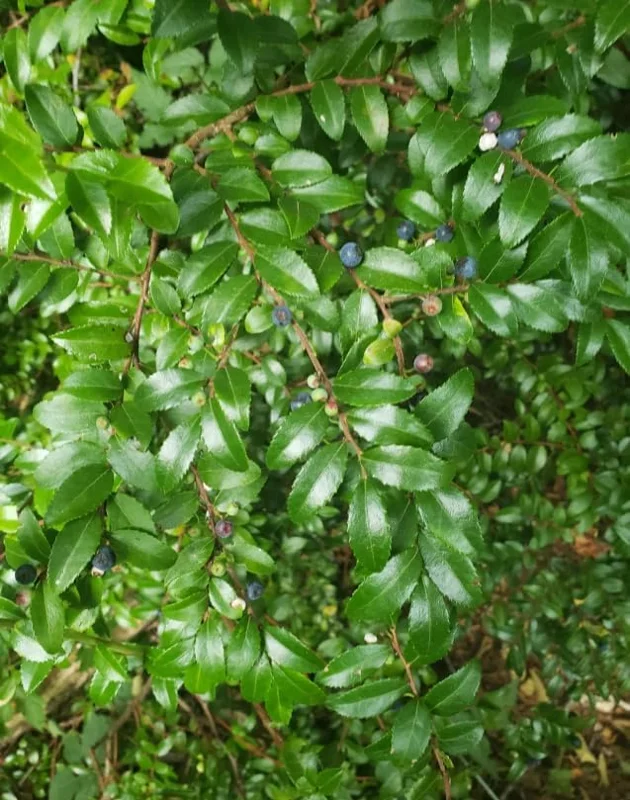
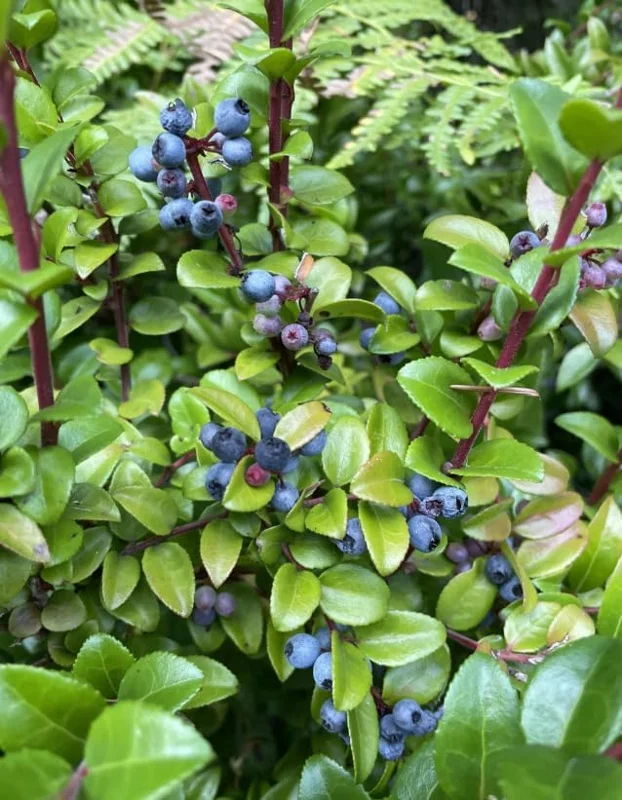
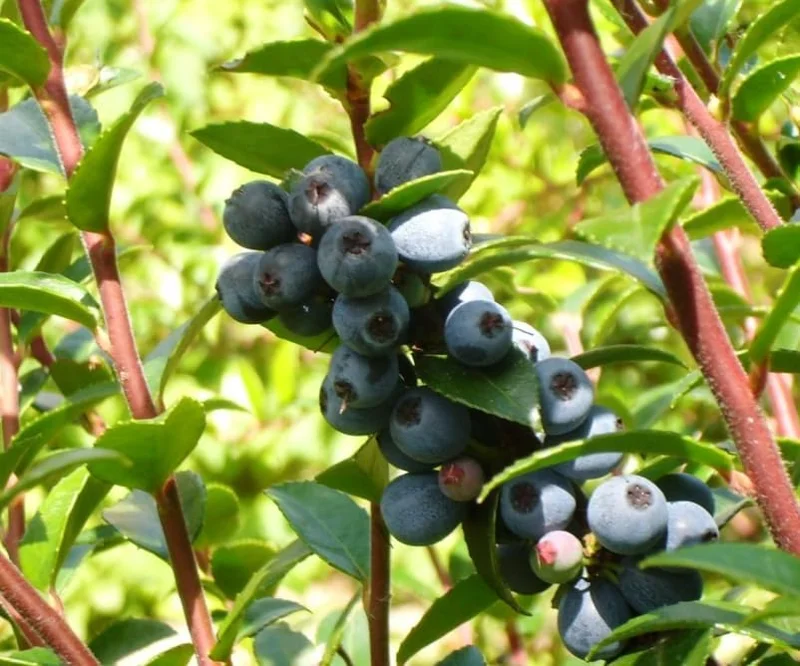
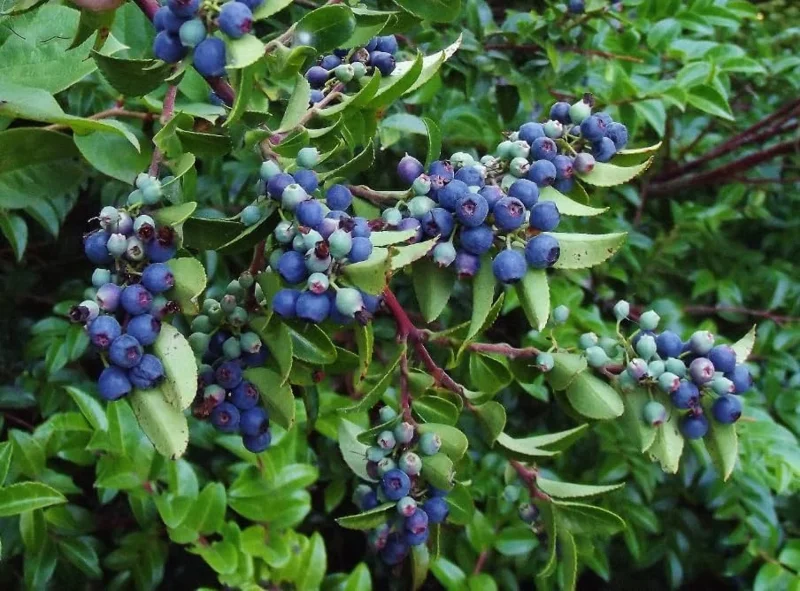
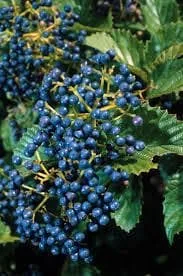
Bring the taste of the wild to your backyard with this robust 2-pack black huckleberry live plant specimens. Known for their delightful, sweet dark berries, the huckleberry shrub (Vaccinium membranaceum) is a fantastic addition to any edible landscape or native plant garden. While often confused with blueberries, huckleberries offer a distinct, rich flavor that many find superior. This particular variety is a common huckleberry, celebrated for its hardiness and prolific fruit production. Perfect for those looking to grow their own superfoods, this wild huckleberry shrub will reward you with an abundance of juicy fruits each summer. Each plant arrives as a healthy, established specimen in a 4-inch pot, ready to be transplanted and thrive in its new home, providing years of enjoyment and delicious harvests.
The black huckleberry live plant is a versatile and attractive shrub, offering both ornamental beauty and edible rewards. Its compact size makes it suitable for various garden settings, from dedicated berry patches to mixed shrub borders. Beyond its fruit, the huckleberry plant features charming red to pink urn-shaped flowers in spring, adding a touch of color before the berries emerge. This easy-to-grow plant is a must-have for gardeners seeking low-maintenance, high-yield fruiting shrubs that also support local wildlife, enhancing the biodiversity of your outdoor space.
Key Benefits
Investing in a black huckleberry live plant offers a multitude of benefits for both your garden and your palate. These shrubs are not only productive but also contribute to a healthy ecosystem, providing a rewarding gardening experience. You’ll love the convenience and flavor of homegrown berries produced by this resilient plant.
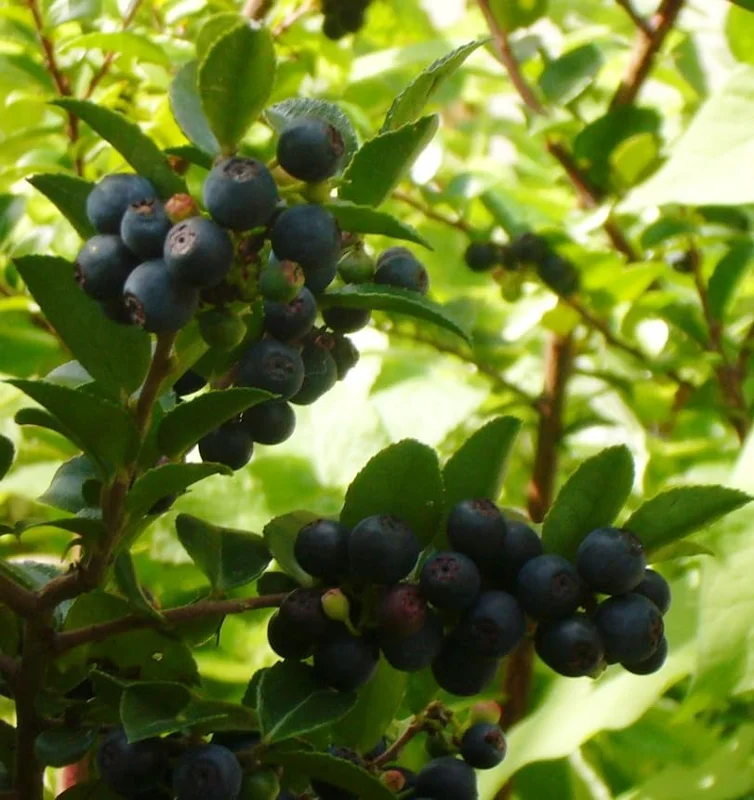
- Delicious Edible Berries: Enjoy a bounty of sweet, flavorful sweet huckleberry berries directly from your garden. These berries are perfect for fresh eating, jams, pies, or as a healthy snack. The unique taste of these summer delights is truly superior, offering a unique flavor profile.
- Hardy and Adaptable: The huckleberry plant is remarkably resilient, thriving across a wide range of USDA hardiness zones (3-8). It adapts well to different soil conditions and climates, making it a reliable choice for many gardeners looking for a robust wild huckleberry shrub that can endure various environmental stresses.
- Attractive Ornamental Value: Beyond its fruit, the shrub provides visual interest with its delicate spring blooms and lush green foliage, making it an appealing addition to any landscape design. Its charming appearance adds beauty throughout the seasons.
- Supports Local Wildlife: The berries are a natural food source for birds and other small wildlife, contributing to biodiversity and ecological balance in your outdoor space. Planting a black huckleberry live plant helps create a thriving ecosystem.
- Low Maintenance: Once established, huckleberry plants require minimal care, making them an excellent option for busy gardeners or those new to growing fruit-bearing shrubs. This contributes to an easy huckleberry plant care routine, allowing you more time to enjoy your garden.
- Versatile Planting Options: Ideal for garden beds, borders, or even as a container huckleberry plant on patios and balconies, offering flexibility in how you incorporate it into your space. Its adaptability makes it suitable for diverse gardening styles.
- Natural Superfood: Huckleberries are packed with antioxidants and vitamins, offering a healthy and homegrown addition to your diet, enhancing your well-being with every harvest. Enjoy the health benefits straight from your garden.
Plant Care & Growing Tips
Caring for your black huckleberry live plant is straightforward, ensuring a bountiful harvest with minimal effort. Huckleberries generally prefer conditions similar to blueberries, though they can be more tolerant of varying soil types. For optimal growth, plant your huckleberry in a location that receives full sun to partial shade. Full sun (6+ hours of direct sunlight daily) will encourage the most prolific berry production, while partial shade can be beneficial in hotter climates to prevent leaf scorch. This careful consideration of sunlight is crucial for successful huckleberry plant care.
When it comes to soil, this wild huckleberry shrub thrives in well-drained, acidic soil. Huckleberries typically prefer sandy or rocky soils with good drainage. If your soil is heavy clay, amending it with organic matter like peat moss or compost will significantly improve drainage and acidity. Aim for a soil pH between 4.5 and 5.5. Regular watering is crucial, especially during dry spells and when the plant is fruiting. Keep the soil consistently moist but not waterlogged to prevent root rot. Fertilize sparingly with an acid-loving plant fertilizer in early spring before new growth appears. Pruning can be done in late winter to remove any dead or weak branches and to maintain desired shape and size. With proper huckleberry plant care, your shrub will flourish and produce abundant sweet huckleberry berries, providing delicious harvests for years.
Size & Details
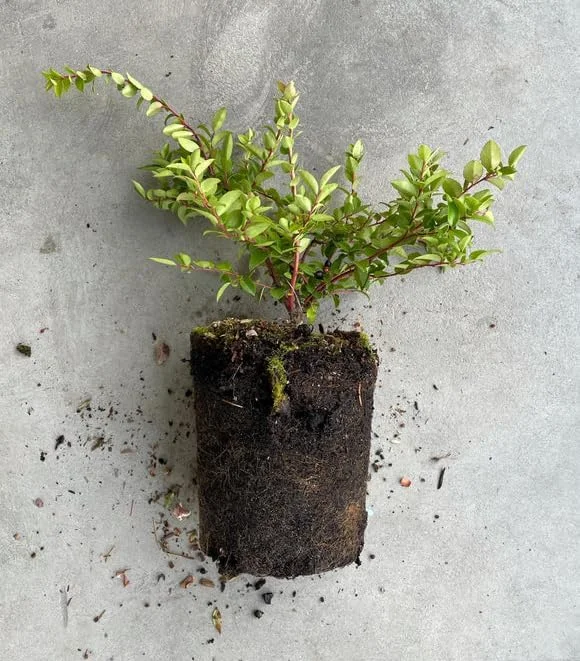
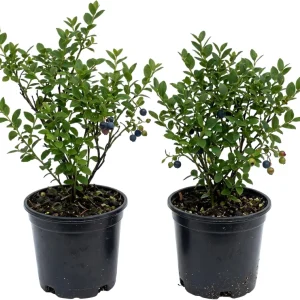
This offering includes two healthy black huckleberry live plant specimens, each carefully nurtured in a 4-inch nursery pot. The plant’s appearance may vary slightly depending on its current growth stage and seasonal conditions, but each plant is guaranteed to be viable and ready for transplanting. Huckleberry shrubs typically grow to an average height of 3 to 4 feet tall and can spread 4 to 5 feet wide, forming a dense, rounded bush. They have a moderate growth rate, establishing themselves well within the first year and producing fruit within a couple of seasons.
These plants are shipped with their root ball intact, ensuring minimal transplant shock. The compact size of the 4-inch pot makes them easy to handle and ideal for starting in various garden settings, including raised beds or as a container huckleberry plant. Expect delightful red to pink urn-shaped flowers in spring, followed by the development of fleshy berries that mature to a rich blue-black color in summer. These plants are cold-hardy, suitable for USDA Zones 3-8, making them a great choice for many regions across the US.
Frequently Asked Questions
- Q: How big does this plant get? A: This black huckleberry live plant typically grows to a mature height of 3 to 4 feet tall and can spread 4 to 5 feet wide. Its size makes it suitable for various garden spaces, including smaller gardens or as a focal point, providing ample space for its tasty berries.
- Q: What size pot does it come in? A: Each wild huckleberry shrub is currently growing in a 4-inch nursery pot, providing a good start for its roots before transplanting to a larger container or directly into your garden. This size ensures a healthy root system upon arrival.
- Q: Is this an indoor or outdoor plant? A: The black huckleberry live plant is primarily an outdoor plant, thriving in garden beds or larger outdoor containers. It requires outdoor conditions for proper growth and abundant fruit production.
- Q: How much sunlight does it need? A: For best results and abundant sweet huckleberry berries, this plant needs full sun (at least 6 hours of direct sunlight per day). It can tolerate partial shade, especially in very hot climates, to prevent scorching.
- Q: Is this plant easy to care for? A: Yes, huckleberries are known for being relatively easy to grow and maintain once established. They are adaptable and resilient, making their huckleberry plant care quite manageable for most gardeners, even beginners.
- Q: What condition will it arrive in? A: Your huckleberry plant will arrive healthy and well-packaged, with its roots protected. The plant’s appearance may vary based on its current growth stage and the season, but it will be ready for planting and thriving.
- Q: When is the best time to plant? A: The best time to plant your container huckleberry plant is in spring or early fall, allowing the roots to establish before extreme temperatures. However, potted plants can be planted throughout the growing season with proper care.
- Q: Will it survive winter in my zone? A: This huckleberry variety is hardy in USDA Zones 3-8, meaning it can withstand cold winter temperatures within this range. Ensure it’s well-mulched in colder zones for extra protection, especially during harsh winters.
- Q: What type of soil does it prefer? A: Huckleberries prefer well-drained, acidic soil with a pH between 4.5 and 5.5. Amending heavy soils with organic matter like peat moss or compost can significantly improve drainage and acidity.
- Q: How long until it produces berries? A: While the plant may produce some berries in its first year, you can expect a more significant harvest of sweet huckleberry berries within 2-3 years of planting, as the shrub matures and establishes itself fully.
Be the first to review “2-Pack Black Huckleberry Live Plant – Sweet Berries Shrub – 4 Inch Pot – Outdoor”
People Also Viewed


Sold 87 products
Original price was: $91.98.$45.99Current price is: $45.99.
Sold 86 products
Original price was: $147.16.$73.58Current price is: $73.58.

HousePlants
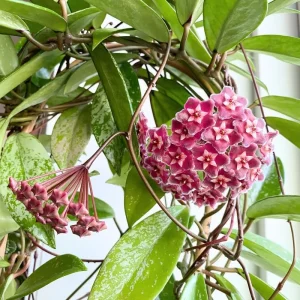
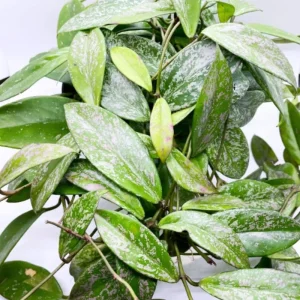
Hoya Plant Live Houseplant – Pink Flower, Silver Leaf, 5 Inch Tall Bareroot Indoor/Outdoor
Sold 94 products
Original price was: $40.99.$20.99Current price is: $20.99.

HousePlants
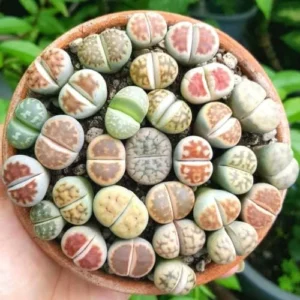
Lithops Live Plants Mix – 30 Colorful Succulents – Living Stones for Indoor/Outdoor Planting
Sold 51 products
Original price was: $65.98.$32.99Current price is: $32.99.





Reviews
There are no reviews yet.