
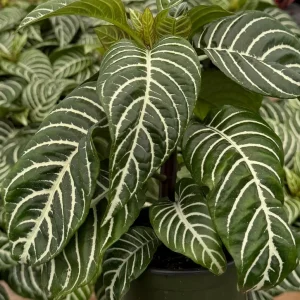
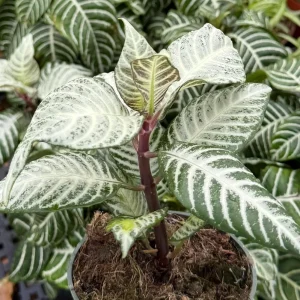
Zebra Plant Live Plant – Aphelandra Squarrosa – Indoor Plant – 4 inch Pot
Original price was: $32.98.$23.08Current price is: $23.08.
Add a touch of the tropics to your home with this stunning zebra plant live plant. The Aphelandra squarrosa care is straightforward, making it an excellent choice for adding vibrant foliage with distinct white veins to any indoor space.
-
USDA Hardiness Zone
USDA Zones 10-11 (outdoors); suitable for all zones indoors -
Soil Type
Well-draining, peat-based potting mix -
Sunlight Exposure
Bright indirect light -
Expected Planting Period
Year-round indoors

You can track your order HERE
Oct 22
Oct 27 - Oct 29
Nov 01 - Nov 05
Shipping and return policies: Our Alive & Thrive Guarantee covers issues with your plants within the first 30 days. Reach out to us. Our team will answer your questions and help you find the plants that are truly suitable for your environment, climate, and personal preferences.

Overview
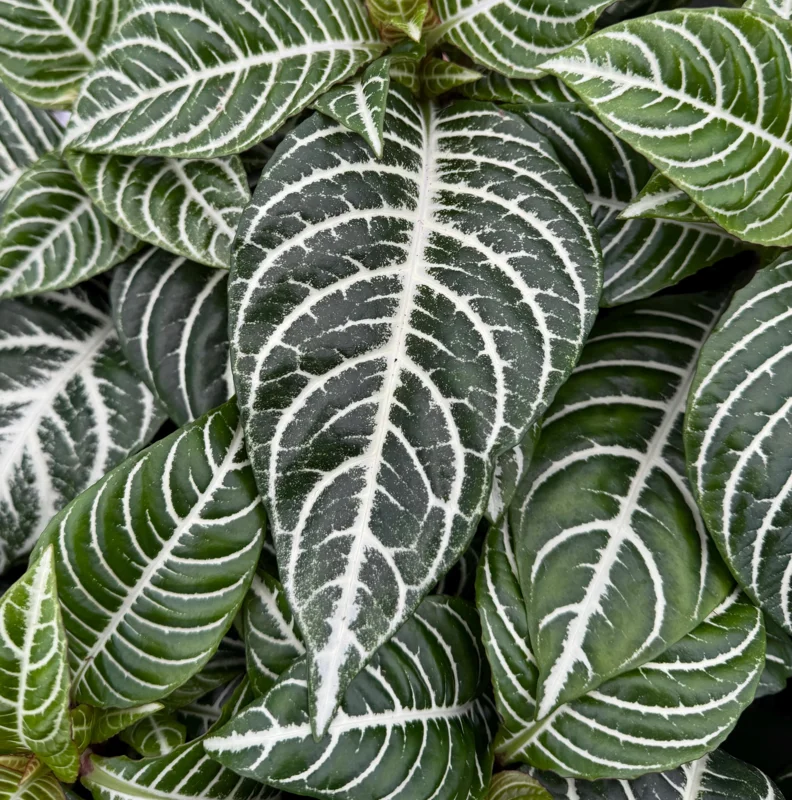
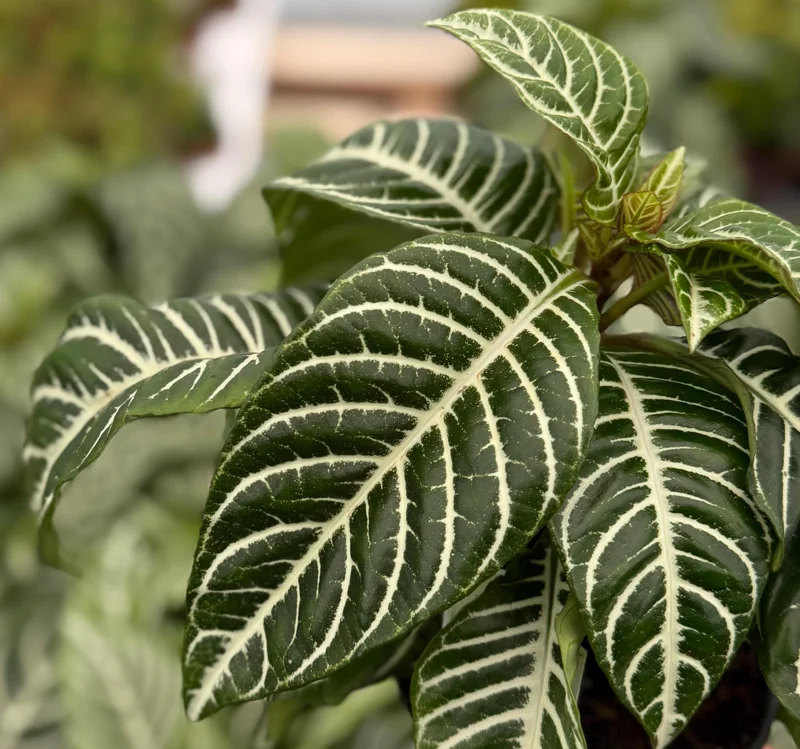
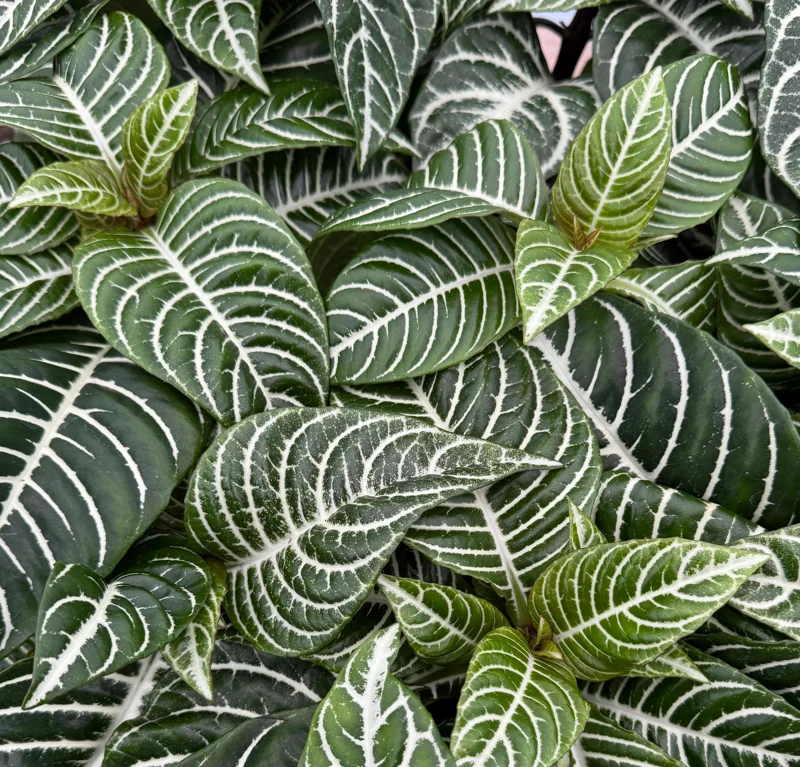
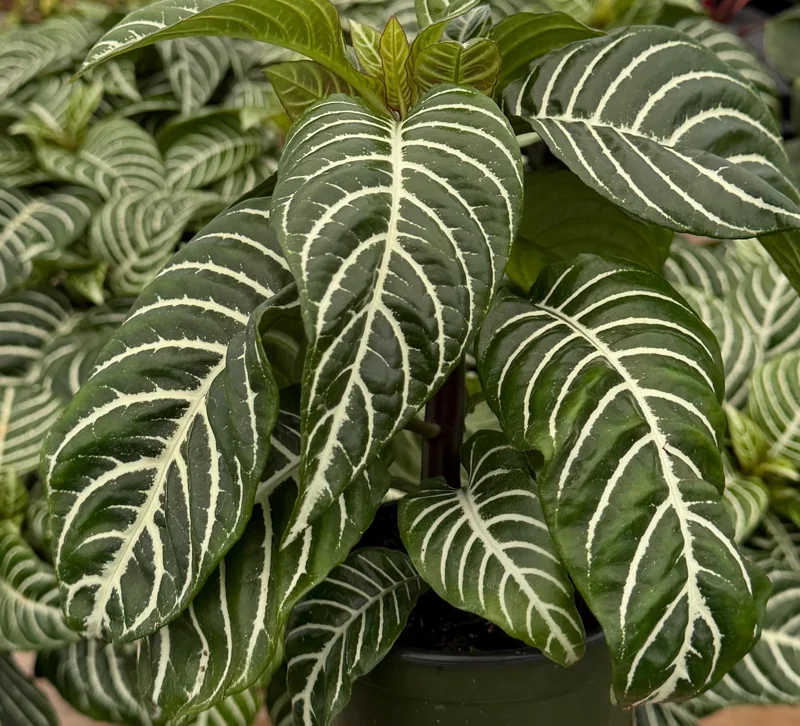
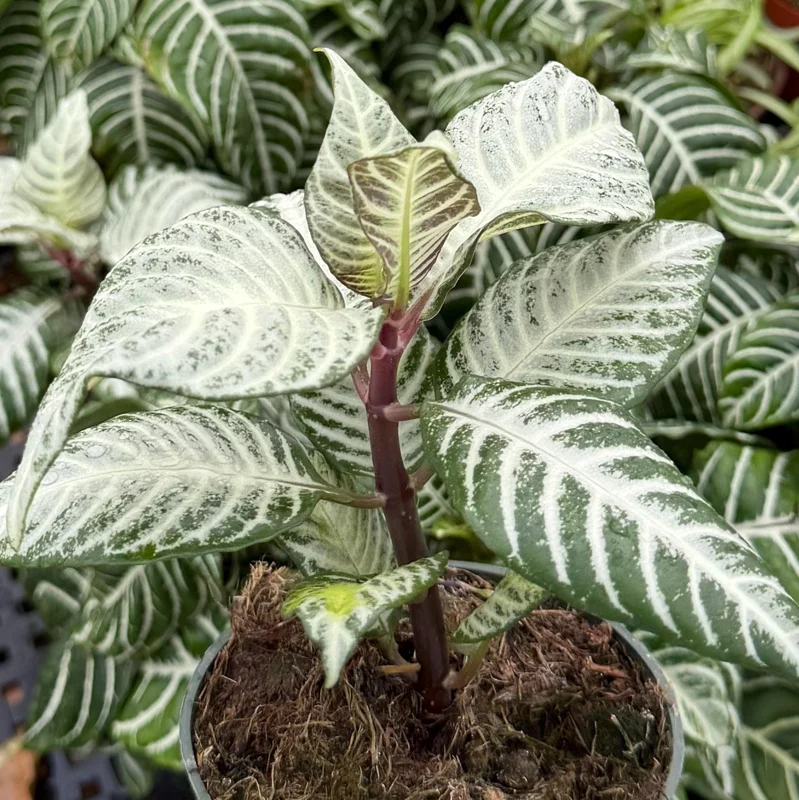
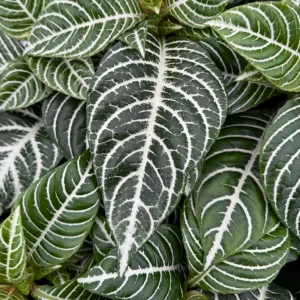
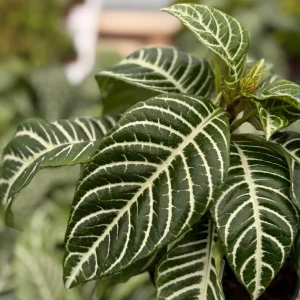
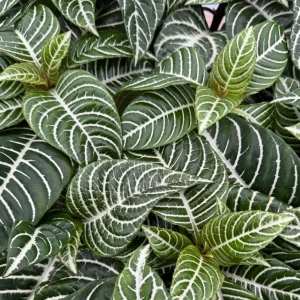
Introduce a splash of exotic elegance to your indoor plant collection with the magnificent zebra plant live plant. Known botanically as Aphelandra squarrosa, this striking tropical houseplant is celebrated for its truly unique appearance. Its glossy, deep green leaves are beautifully contrasted by bold, bright white veins, creating a dramatic striped pattern reminiscent of its namesake. Native to the lush rainforests of Brazil, the zebra plant live plant brings an immediate sense of the wild and exotic into your home. Even when not in bloom, its foliage offers a captivating display that enriches any room with vibrant texture and color. This plant is a fantastic conversation starter and a true gem for plant enthusiasts looking for something beyond the ordinary.
The zebra plant live plant is not just about its stunning leaves; under ideal conditions, it also produces spectacular golden-yellow flower bracts that emerge majestically above the foliage. These vibrant blooms can last for several weeks, providing an additional layer of visual interest and a cheerful pop of color. Whether placed on a desk, shelf, or as part of a larger plant arrangement, this exotic houseplant is sure to capture attention and admiration. Its compact, upright growth habit makes it perfectly suited for various indoor settings, from small apartments to spacious living areas, always adding a touch of natural artistry.
Key Benefits
The zebra plant live plant offers numerous advantages for both seasoned plant parents and beginners, making it a highly desirable addition to any indoor environment. Its captivating aesthetics and manageable care requirements contribute to a rewarding ownership experience.
- Striking Foliage: The primary draw of the zebra plant live plant is its incredibly distinctive deep green leaves with prominent white or yellow veins. This bold pattern provides year-round visual interest and adds a sophisticated, tropical flair to any room, making it a natural focal point.
- Exotic Blooms: Beyond its stunning leaves, mature Aphelandra squarrosa can produce vibrant golden-yellow flower bracts that rise above the foliage. These long-lasting blooms offer a beautiful contrast and an unexpected burst of color, enhancing its decorative appeal significantly.
- Air Purification: Like many houseplants, the indoor zebra plant contributes to a healthier indoor environment by helping to filter airborne toxins. It subtly improves air quality, making your living space fresher and more pleasant.
- Compact Size: With its naturally upright and compact growth habit, the zebra plant live plant is ideal for tabletops, desks, and shelves. It doesn’t require a lot of space to make a big impact, fitting perfectly into various decorative schemes.
- Adds Humidity: Thriving in humid conditions, this plant can subtly contribute to the humidity levels in its immediate surroundings. This can be beneficial in dry indoor environments, especially for other humidity-loving plants nearby.
- Unique Gift Idea: Its uncommon beauty and relatively easy care make the zebra plant for sale an excellent and memorable gift for friends, family, or colleagues who appreciate unique botanical specimens.
- Enhances Decor: The vibrant colors and bold patterns of the leaves make it an exceptional decorative element. It can easily complement modern, bohemian, or traditional interior designs, adding a lively organic touch.
Plant Care & Growing Tips
Proper Aphelandra squarrosa care is key to maintaining the health and vibrant appearance of your zebra plant live plant. This tropical beauty thrives when its specific environmental needs are met, rewarding you with lush foliage and potential blooms. It prefers bright, indirect light. Avoid direct sunlight, which can scorch its delicate leaves, leading to faded colors and brown spots. An east-facing window is often ideal, or a few feet away from a south or west-facing window where it receives filtered light throughout the day. Insufficient light can lead to leggy growth and a loss of its striking variegation.
Watering correctly is crucial for the indoor zebra plant. Keep the soil consistently moist but never waterlogged. Allow the top inch of soil to dry out slightly between waterings, then water thoroughly until it drains from the bottom. Reduce watering frequency in winter when the plant’s growth slows. High humidity is a must for this rainforest native. Aim for 60-70% humidity. You can achieve this by misting daily, placing the pot on a pebble tray filled with water, or using a humidifier. Bathrooms and kitchens often provide naturally higher humidity. The ideal temperature range for the zebra plant live plant is between 65-75°F (18-24°C). Avoid sudden temperature fluctuations and cold drafts, which can cause stress and leaf drop.
Use a well-draining, peat-based potting mix that retains some moisture but doesn’t become soggy. A mix formulated for tropical houseplants or African violets works well. Fertilize your zebra plant for sale every 2-4 weeks during the growing season (spring and summer) with a balanced liquid fertilizer diluted to half strength. Reduce or stop fertilizing in fall and winter. Prune your plant to maintain its shape and encourage bushier growth, especially after flowering. Common problems include leaf drop from insufficient humidity or overwatering, and crispy leaves from low humidity. Regularly check for pests like spider mites and mealybugs, especially on the undersides of leaves.
Size & Details
This zebra plant live plant is provided in a 4 inch nursery pot, making it a perfect size for immediate display on a desk, shelf, or small table. At this stage, it typically stands about 6-8 inches tall from the base of the pot, with a compact and upright growth habit. Its mature height can reach up to 12-24 inches, with a similar spread, depending on growing conditions and pruning. The plant develops a robust root system within the pot, ensuring it is well-established and ready to thrive in its new home. It will arrive as a healthy, vibrant specimen, carefully packaged to minimize stress during transit. Expect a moderate growth rate, with new leaves and potentially blooms appearing with proper Aphelandra squarrosa care.
The indoor zebra plant is valued for its ability to maintain a manageable size, making it an excellent choice for small spaces or for grouping with other houseplants. It ships as a fully rooted plant in its nursery container, ready for you to enjoy. With consistent warmth, humidity, and bright, indirect light, you can look forward to its distinctive foliage and occasional bright yellow flower bracts. This exotic houseplant offers enduring beauty and a touch of the tropics to any interior setting.
Frequently Asked Questions
- Q: How big does this zebra plant live plant typically get? A: This plant typically grows to about 12-24 inches (30-60 cm) tall and wide at maturity, making it a great tabletop or shelf plant. Its compact nature is one of its appealing features.
- Q: Is this an indoor or outdoor plant? A: The zebra plant live plant is primarily an indoor houseplant in most climates. It can be grown outdoors in very warm, humid, tropical environments (USDA Zones 10-11) but is sensitive to cold.
- Q: How much sunlight does the indoor zebra plant need? A: It thrives in bright, indirect light. Direct sun can scorch its leaves, so a spot near an east-facing window or a few feet from a south/west window with filtered light is ideal.
- Q: Is this plant easy to care for? Is it good for beginners? A: While stunning, the Aphelandra squarrosa care requires consistent attention to humidity and watering. It’s considered moderately challenging, but achievable for dedicated beginners who can meet its needs.
- Q: What condition will the zebra plant for sale arrive in? A: Your plant will arrive as a healthy, live specimen in its 4 inch nursery pot, carefully packaged to ensure it reaches you in the best possible condition, ready for its new home.
- Q: How often should I water my exotic houseplant? A: Keep the soil consistently moist but not waterlogged. Water when the top inch of soil feels dry to the touch, and ensure good drainage to prevent root rot.
- Q: Will this plant flower indoors? A: Yes, with optimal bright indirect light, high humidity, and consistent care, your zebra plant live plant can produce beautiful golden-yellow flower bracts, usually in late summer or fall.
- Q: What kind of soil is best for Aphelandra squarrosa? A: A well-draining, peat-based potting mix is recommended. Look for mixes designed for tropical plants or African violets that retain moisture without becoming soggy.
- Q: Is the indoor zebra plant pet-safe? A: The Aphelandra squarrosa is generally considered non-toxic to cats and dogs according to the ASPCA, though it’s always best to prevent pets from chewing on plants.
- Q: What is the best way to increase humidity for my zebra plant live plant? A: You can mist the leaves daily, place the pot on a pebble tray with water, or use a room humidifier, especially in drier climates or during winter.
| Color | Green, White |
|---|
Be the first to review “Zebra Plant Live Plant – Aphelandra Squarrosa – Indoor Plant – 4 inch Pot”
People Also Viewed
Flower Bulbs
Sold 99 products
Original price was: $94.00.$75.20Current price is: $75.20.
Flower Seeds
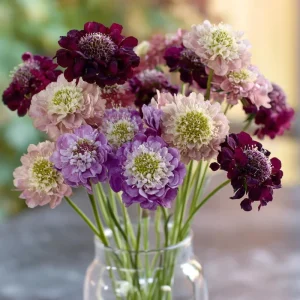
Imperial Pincushion Flower Seeds – 50 Heirloom Scabiosa Atropurpurea – Gardens & Cut Flowers
Sold 92 products
Original price was: $31.99.$11.99Current price is: $11.99.


Sold 91 products
Original price was: $39.98.$19.99Current price is: $19.99.
Sold 59 products
Original price was: $38.98.$22.98Current price is: $22.98.
Sold 60 products
From $71.00





Reviews
There are no reviews yet.