
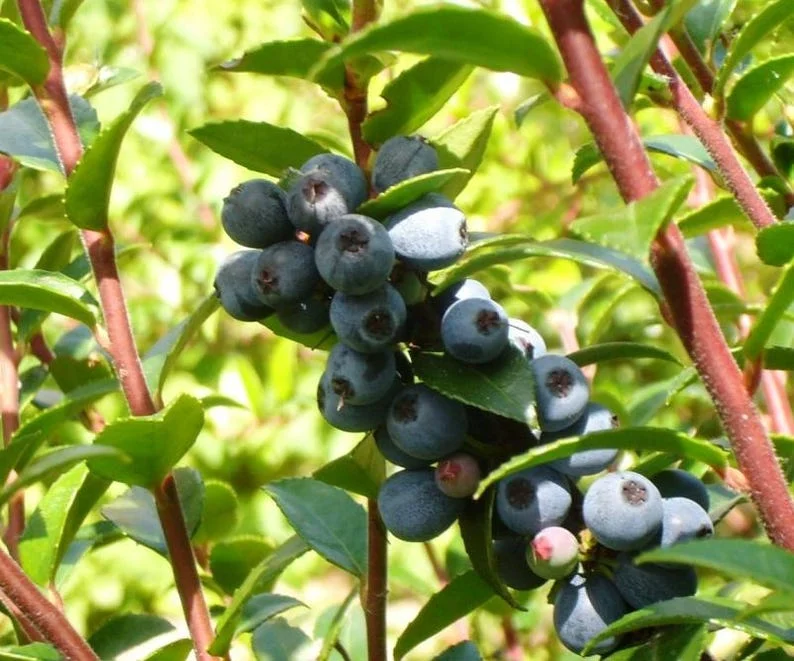
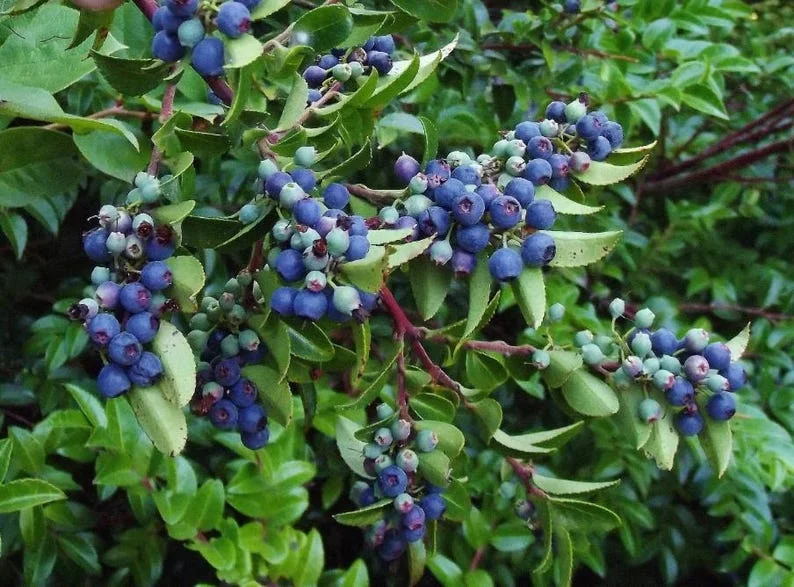
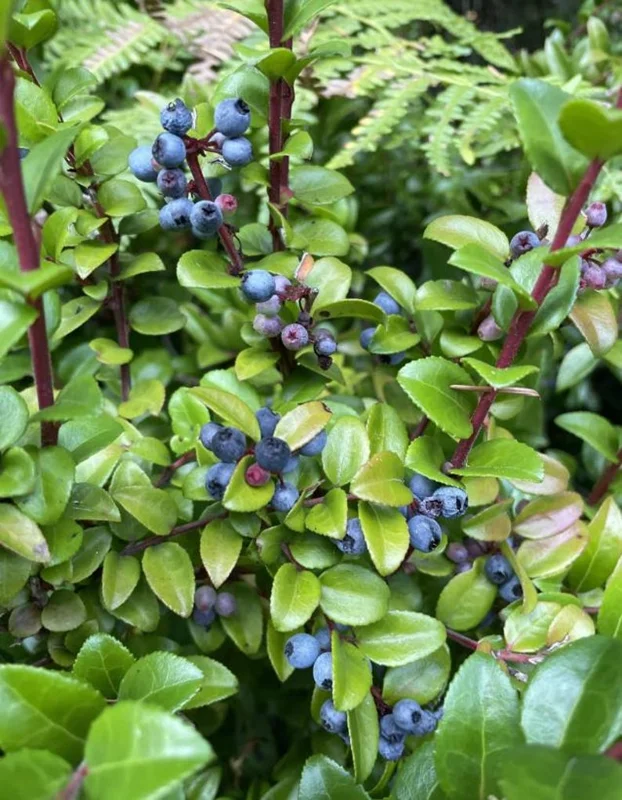
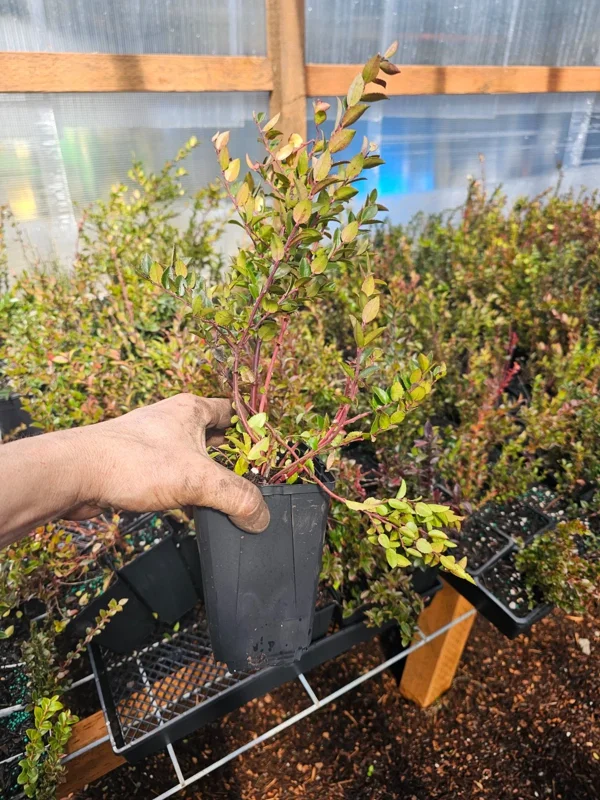
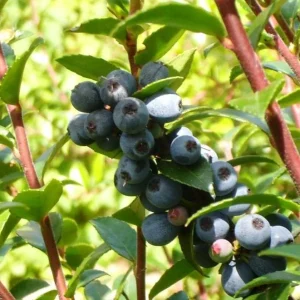
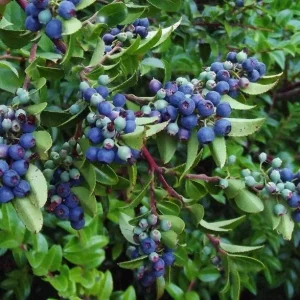
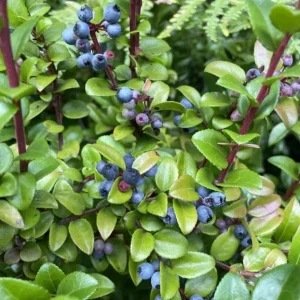
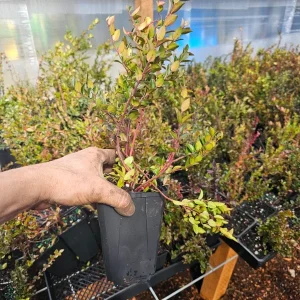
Wild Huckleberry Live Plant 6″ Pot – Vaccinium Ovatum Evergreen Berry Shrub Outdoor
Original price was: $62.00.$45.99Current price is: $45.99.
Bring the beauty and bounty of the forest to your garden with this wild huckleberry live plant. This 6-inch potted evergreen berry plant (Vaccinium ovatum) offers attractive foliage and delicious, edible berries, perfect for outdoor landscapes.
-
USDA Hardiness Zone
USDA Zones 6-9 -
Soil Type
Well-draining, acidic soil (pH 4.5-5.5) -
Sunlight Exposure
Partial shade to full sun -
Expected Planting Period
Spring to early fall

You can track your order HERE
Sep 25
Sep 30 - Oct 02
Oct 05 - Oct 09
Shipping and return policies: Our Alive & Thrive Guarantee covers issues with your plants within the first 30 days. Reach out to us. Our team will answer your questions and help you find the plants that are truly suitable for your environment, climate, and personal preferences.

Overview
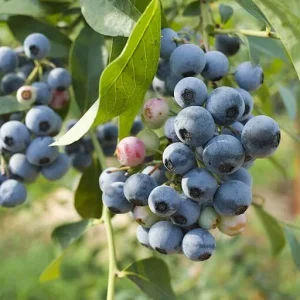
Discover the joy of growing your own native fruits with the wild huckleberry live plant. This exquisite 6-inch potted specimen of Vaccinium ovatum, commonly known as the Evergreen Huckleberry, is a fantastic addition to any garden or landscape. Originating from the Pacific Northwest, this beautiful shrub is cherished for its glossy, dark green evergreen leaves, delicate pinkish-white flowers in spring, and an abundant harvest of sweet, dark purple berries in late summer to fall. Whether you’re an experienced gardener or just starting, this robust and attractive evergreen berry plant offers both ornamental beauty and a delicious, nutritious yield, making it a truly rewarding plant to cultivate.
The wild huckleberry live plant is a versatile shrub that thrives in a variety of conditions, bringing a touch of natural wilderness to your home. Its compact growth habit makes it suitable for mixed borders, hedges, or even container planting on patios. Enjoy fresh huckleberries straight from your garden, perfect for pies, jams, or a healthy snack. This plant not only provides food but also serves as an important food source for local wildlife and pollinators, enhancing your garden’s ecological value. Embrace sustainable gardening with this resilient and productive wild huckleberry live plant.
Key Benefits
Cultivating an evergreen berry plant like the Wild Huckleberry offers numerous advantages, from its aesthetic appeal to its culinary contributions and ecological impact. Here are some of the standout benefits:
- Delicious Edible Berries: Enjoy a bounty of sweet, dark purple huckleberries, perfect for fresh eating, baking, jams, and jellies. These berries are rich in antioxidants and offer a unique, tangy-sweet flavor.
- Evergreen Foliage: The glossy, dark green leaves remain vibrant throughout the year, providing continuous visual interest in your garden, even during winter months. This makes it an excellent choice for year-round beauty.
- Attractive Ornamental Shrub: Beyond its fruit, the wild huckleberry live plant boasts delicate bell-shaped flowers in spring, followed by colorful berries, and lush foliage, making it a beautiful landscape plant for various garden styles.
- Wildlife Attractor: The flowers attract pollinators like bees, and the berries are a favorite food source for birds and other wildlife, contributing to local biodiversity and creating a lively garden ecosystem.
- Low Maintenance: Once established, Vaccinium ovatum is a relatively easy-care shrub, requiring minimal attention. It’s known for its disease resistance and adaptability, making huckleberry plant care manageable for many gardeners.
- Adaptable to Various Conditions: This plant tolerates a range of light conditions from partial shade to full sun and can thrive in acidic, well-draining soils, making it quite versatile for different garden settings.
- Native Plant Benefits: As a native species, it is well-suited to its environment, requiring less water and fewer interventions than non-native plants, promoting a more sustainable and harmonious garden. It’s a great choice for those seeking edible garden plants that are also indigenous.
Plant Care & Growing Tips
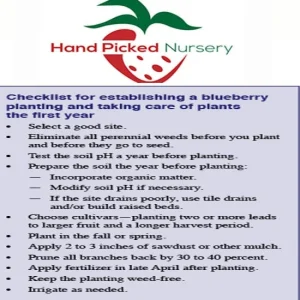
Proper huckleberry plant care ensures a healthy, productive shrub. The wild huckleberry live plant (Vaccinium ovatum) thrives in conditions similar to its natural habitat. For optimal growth and berry production, choose a site with well-draining, acidic soil, ideally with a pH between 4.5 and 5.5. Incorporating organic matter like peat moss or compost can help achieve the desired acidity and improve soil structure. While it can tolerate full sun in cooler climates, a location with partial shade, especially protection from intense afternoon sun, is often preferred, particularly in warmer regions. Aim for at least 4-6 hours of sunlight daily for good fruiting.
Watering is crucial, especially during the first year of establishment and during dry spells. Keep the soil consistently moist but never waterlogged. Overwatering can lead to root rot. Once established, the evergreen berry plant is relatively drought-tolerant but will benefit from supplemental watering during prolonged dry periods. Fertilize sparingly in early spring with an acid-loving plant fertilizer, following package instructions. Pruning is generally minimal; focus on removing dead, damaged, or crossing branches to maintain good air circulation and shape. Light pruning after fruiting can also encourage bushier growth. This wild huckleberry live plant is hardy in USDA zones 6-9, tolerating winter temperatures down to around -10°F (-23°C). Protect young plants from severe frosts.
Common problems are few but include occasional fungal issues in overly wet conditions or pest infestations like aphids, which can usually be managed with organic pest control methods. Ensuring good air circulation and proper watering practices are key preventative measures. Understanding the specific needs of Vaccinium ovatum will lead to a thriving, berry-producing shrub that enhances your garden for years to come. For those interested in edible garden plants, the huckleberry is a fantastic, low-effort option.
Size & Details
This offering is for one wild huckleberry live plant, shipped in a 6-inch nursery pot. The plant will arrive well-rooted and ready for transplanting into your garden or a larger container. At maturity, the Vaccinium ovatum typically grows to a height of 3 to 6 feet tall and spreads 3 to 5 feet wide, forming a dense, rounded shrub. Its growth rate is moderate, allowing it to establish itself effectively without becoming overly invasive. You can expect to see its delicate flowers in late spring, usually April to May, with berries ripening from late summer through fall, typically August to October, depending on your climate.
The plant is shipped as a young, actively growing specimen, ensuring it adapts well to its new environment. It is a long-lived shrub, providing many years of ornamental beauty and delicious berries. The 6-inch pot size provides a good head start, allowing for robust root development before planting out. This size is ideal for immediate planting in the ground or repotting into a decorative container. Its evergreen nature ensures year-round interest, making it a valuable addition to any landscape seeking edible garden plants with persistent foliage.
Frequently Asked Questions
- Q: How big does this plant get? A: The wild huckleberry live plant (Vaccinium ovatum) typically grows to a mature size of 3 to 6 feet tall and 3 to 5 feet wide, forming a dense, rounded shrub. Its ultimate size can be influenced by growing conditions and pruning.
- Q: What size pot does it come in? A: This evergreen berry plant is shipped in a 6-inch nursery pot, providing a healthy root system and a good start for transplanting into your garden or a larger container.
- Q: Is this an indoor or outdoor plant? A: The wild huckleberry live plant is primarily an outdoor plant, suited for garden beds, hedges, or large outdoor containers. It requires outdoor conditions to thrive and produce fruit.
- Q: How much sunlight does it need? A: This plant prefers partial shade to full sun. In hotter climates, partial shade with protection from intense afternoon sun is recommended. Aim for at least 4-6 hours of direct sunlight for best fruit production.
- Q: Is this plant easy to care for? A: Yes, once established, the huckleberry plant care requirements are relatively low. It’s known for its resilience and adaptability, making it a good choice for both experienced and novice gardeners.
- Q: What condition will it arrive in? A: Your wild huckleberry live plant will arrive well-packaged, healthy, and actively growing in its 6-inch pot, ready for planting. We take great care to ensure safe transit.
- Q: When is the best time to plant? A: The best time to plant your evergreen berry plant is in spring or early fall, allowing the roots to establish before extreme summer heat or winter cold. However, potted plants can be planted throughout the growing season.
- Q: Will it survive winter in my zone? A: Vaccinium ovatum is hardy in USDA Zones 6-9, meaning it can tolerate winter temperatures down to approximately -10°F (-23°C). If you are in a colder zone, consider growing it in a container that can be moved indoors or protected during winter.
- Q: What type of soil does it need? A: This plant thrives in well-draining, acidic soil with a pH between 4.5 and 5.5. Amending your soil with peat moss or compost can help achieve the ideal conditions for your wild huckleberry live plant.
- Q: Can I grow this plant in a container? A: Yes, the wild huckleberry live plant can be successfully grown in a large container. Ensure the pot has good drainage and use an acidic potting mix suitable for blueberries or similar acid-loving plants.
Be the first to review “Wild Huckleberry Live Plant 6″ Pot – Vaccinium Ovatum Evergreen Berry Shrub Outdoor”
People Also Viewed


HousePlants
Variegated Philodendron Mican Aurea Live Plant – Rare Collector Houseplant in Nursery Pot
Sold 92 products
Original price was: $392.00.$196.00Current price is: $196.00.





Reviews
There are no reviews yet.